What Is Melasma on the Arms?
Melasma is a pigmentation condition where melanocytes, the cells that produce skin color, become overactive and deposit extra melanin in certain areas. When it appears outside the face, dermatologists call it extrafacial melasma. It can appear on the forearms, upper arms, neck, and chest.
Extrafacial melasma is rare and linked to menopause, a family history of melasma, and a personal history of facial melasma.
Note: Learn more about hyperpigmentation, a wider category of skin pigmentation concerns that includes melasma.
What Are the Types of Melasma on the Arms?
Melasma is classified by the depth of excess melanin in the skin (dermis and epidermis). Dermatologists recognize three types and often use a Wood’s lamp or a dermatoscope to assess the type of melasma. The type affects how well it responds to treatment.
Epidermal Melasma
The pigment sits in the top layer of skin. Patches are brown and well-defined. This type generally responds best to treatment.
Dermal Melasma
The pigment sits deeper. Patches are gray-brown or bluish with softer, blurrier edges. It is harder to treat because topical products and chemical peels struggle to reach the pigment.
Mixed Melasma
Pigment is present in both layers, and patches show a mix of brown and blue-gray tones. Treatment response varies because the epidermal portion often improves, while the dermal portion is more resistant.
What Does Melasma on the Arms Look Like?
The following can be a sign of melasma on the arms:
- Light to dark brown patches (a shade or more darker than your natural skin tone).
- Irregular patches with uneven borders, sometimes with freckle-like spots mixed in.
- They typically appear on both arms in a similar pattern.
- The patches are flat and smooth, with no scaling, bumps, or thickening.
- There is no pain or itching. If the area itches, burns, or stings, another issue may be the cause.
What Causes Melasma on the Arms?
Researchers don’t know the exact cause. Melasma seems to develop when several factors combine in people who are genetically prone to it.
Sun Exposure
Sunlight is the best-established trigger. The American Academy of Dermatology (AAD) also notes that visible light can worsen melasma, especially in people with darker skin tones, and that indoor tanning devices can exacerbate it and interfere with treatment. Arms get a lot of incidental sun when driving, walking, and performing other outdoor activities.
Hormonal Changes and Hormone Therapy
Estrogen and progesterone are strongly linked to melasma. Pregnancy, birth control pills, and hormone replacement therapy are known triggers for facial melasma. For the arms, menopause appears especially important.
Note: Hormones affect more than your skin. See our post on hormonal imbalance.
Genetics and Skin Tone
Melasma is most common in people who tan easily or have naturally brown skin, particularly those with Fitzpatrick skin types III and IV. A family history of melasma also increases susceptibility.
Medications and Skincare Products
Some medications make the skin more sensitive to light, and certain skincare products irritate it. The AAD warns that products that burn or sting can darken existing patches, so gentle, fragrance-free formulas are the safer choice.
Which Vitamin Deficiency Causes Melasma on the Arms?
No vitamin deficiency has been found to cause melasma directly. Vitamin D has the most research behind it. In one study, 840 people with melasma had lower vitamin D levels than healthy controls. Another study suggested vitamin D supplements could be considered an add-on therapy. A blood test is a sensible first step, and a clinician will tell you if you need supplementation.
Can Melasma on the Arms Be Prevented?
There is no guaranteed way to prevent melasma because genetics and hormones play a role. You can lower your risk and prevent existing patches from darkening with these habits:
- Apply sunscreen on your arms every day. The AAD recommends broad-spectrum, water-resistant SPF 30 or higher on all uncovered skin.
- Wear lightweight long sleeves that shield your arms from the sun.
- Avoid tanning beds and sunlamps.
- Use gentle skin care. Avoid aggressive products that sting, burn, or cause redness.
- If you use birth control, hormone therapy, or estrogen creams, discuss the risk with your healthcare provider. Don’t stop a prescribed medication on your own.
Note: See our guides on summer skin care and how to choose a sunscreen.
How Is Melasma on the Arms Treated?
The evidence for treating melasma on the arms is limited, and treatment recommendations are mostly based on experiences with facial melasma. The most effective melasma treatments combine sun protection, medication, and cosmetic procedures.
Treatment takes patience. Melasma can fade by itself if a trigger such as a medication is removed, but it can also last for years.
Daily Sun Protection
This is the foundation. Without it, nothing else works well. Use sunscreen that contains zinc oxide, titanium dioxide, or iron oxide, and wear protective clothing.
Prescription Topical Treatments
Dermatologists commonly prescribe hydroquinone, tretinoin combined with a mild topical corticosteroid, or a triple-combination cream containing hydroquinone, tretinoin, and a corticosteroid.
Alternatives include azelaic acid, kojic acid, and vitamin C, though their effectiveness varies. Melasma often relapses after treatment, making ongoing maintenance and sun protection essential.
Extrafacial melasma can be particularly challenging to treat, and evidence on the best treatments for these areas is limited.
Note: Read more about melasma treatments and products.
Chemical Peels
Chemical peels exfoliate the outer layers of the skin and help reduce pigmentation. At Vibrant Skin Bar, chemical peels are customized to your skin and include glycolic acid, salicylic acid, TCA, and custom blends. Strength is chosen after a consultation to reduce the risk of irritation, which can trigger rebound darkening.
Laser and Light Therapy
Adding laser or light treatment can improve results for melasma patients already using topical medication and sun protection. Our laser treatments include BBL and MOXI, which target pigmentation.
Note: Not sure which suits you? Compare chemical peels vs. laser and BBL vs. MOXI.
Microneedling and RevitaPen
The AAD lists microneedling as an add-on that can even skin tone. At Vibrant Skin Bar, RevitaPen is a needle-free option that delivers brightening serums deeper into the skin, and microneedling is also available.
Skin Care and Supplements
Gentle, barrier-supporting skin care can help minimize irritation during melasma treatment and between cosmetic procedures. VIBRANT® offers a microbiome-friendly skincare line formulated to support the skin barrier and help soothe sensitive, reactive skin.
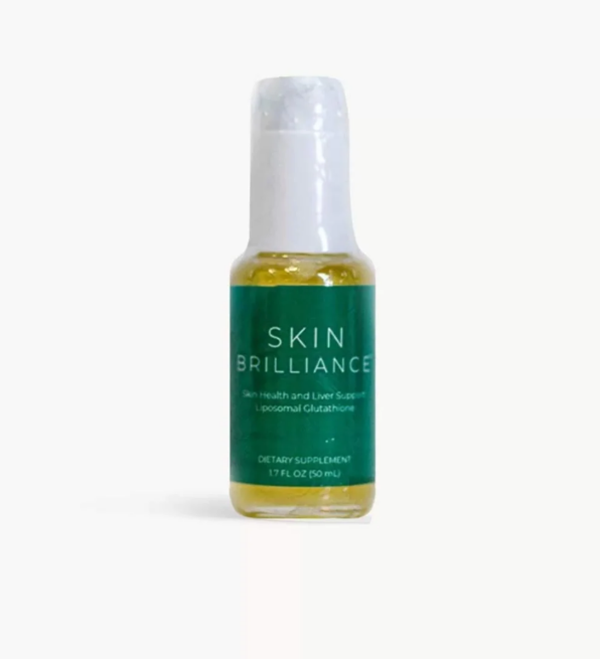
VIBRANT also recommends Skin Brilliance, a liposomal glutathione antioxidant supplement. Research on glutathione for skin lightening is still limited, but it may help reduce pigmentation.
What Are the Complications of Melasma on the Arms?
Melasma itself is harmless, but it can affect social life, self-esteem, and emotional wellbeing. Treatment also carries risks: hydroquinone and retinoids may irritate the skin, while chemical peels can trigger inflammation and post-inflammatory hyperpigmentation, potentially worsening discoloration. In the U.S., melasma treatment is generally considered cosmetic, so most insurers don’t cover the cost and patients pay out of pocket.
When Should You See a Doctor About Melasma on the Arms?
Make an appointment if:
- You aren’t sure what the patches are, especially if they appeared recently.
- A spot is raised, itchy, bleeding, or noticeably different from the others.
- The darkening spreads or worsens despite sun protection.
- Your pigmentation darkens while using a lightening cream, especially one with hydroquinone.
- You started a hormone product shortly before the patches appeared.
- The patches are affecting your confidence or daily life.
A dermatologist can often diagnose melasma by examining the skin, sometimes with a Wood’s lamp or dermatoscope. If it looks like something else, a biopsy can rule out other conditions.
Conclusion
Melasma on the arms is harmless, but it can be persistent and frustrating. Sun, hormones, genetics, and irritation are the main triggers. The patches respond best to a steady routine: daily sun protection, gentle skin care, medications, and the right cosmetic treatment.
If you’d like help with dark patches on your arms, our team at Vibrant Skin Bar can assess your skin and recommend a personalized plan.
Contact us!