IV Therapy for Athletic Performance

Physically active people, especially professional athletes, push their bodies to reach new levels of athletic performance. Physical activity gives them energy, but it also burns through their vitamin, mineral, and water supply more quickly..

The results of intense activity are often dehydration, fatigue, muscle spasms, muscle pain, aching joints and ligaments, and the inability to achieve desired results due to poor recovery.

IV therapy for athletes has become a popular method of replenishing lost nutrients and fluids after a strenuous workout. Let’s see how the treatment works and what benefits it can provide.

IV therapy for athletic performance.

What Is IV Therapy for Athletes?

IV therapy for athletes is an intravenous administration of essential vitamins, minerals, and electrolytes to enhance athletic potential and aid in post-workout recovery. The intravenous delivery of nutrients is quicker and more effective than when these ingredients are ingested orally because IV skips the digestive system, where nutrients are broken down.

IV therapy for athletic performance lasts 30-45 minutes and requires regular sessions. The effects of the treatment last up to four weeks.


Note: IV therapy for athletes involves the use of hypotonic IV fluids. Read our guide about types of IV fluids to learn more about them.


Ingredients of IV Therapy for Athletes 

The contents of an IV drip bag for athletes include a mix of essential nutrients and vitamins in a saline solution, specially selected to speed up recovery and boost performance. A popular choice is Myers’ cocktail, developed by the late Dr. John Myers to treat fatigue, fibromyalgia, muscle spasms, and other medical conditions. 

The Vibrant Skin Bar has its own carefully developed, signature IV therapy for athletes. It contains the following ingredients:

Vitamin B complex

Vitamins thiamine (B1), riboflavin (B2), niacinamide (B3), dexpanthenol (B5), pyridoxine (B6), and cyanocobalamin (B12) work together to improve the patient’s energy levels and metabolism, maintain nerve and heart health, and support adrenal function.

Vitamin C

The building block of collagen and a potent antioxidant, vitamin C reduces inflammation and helps alleviate the pain in joints and ligaments resulting from physical strain.

Glutathione

Health experts consider glutathione the “master antioxidant” because it helps treat many serious conditions. This powerful substance decreases inflammation caused by free radicals during intense physical activity and suppresses muscle fatigue.

Magnesium chloride

This anti-inflammatory mineral aids in the production of red blood cells. It replenishes oxygen in the body during and after workouts, preventing or alleviating muscle spasms and cramps.

Calcium gluconate

This mineral is essential in supporting bone health. Athletes strain their bones more than the average person by running and lifting weights. They also lose this essential mineral through sweat. IV drips help replenish calcium levels to maintain healthy skeletal function. 


Note: Strenuous and continuous exercise must be accompanied by good nutrition, typically a combination of a quality diet and nutritional supplements. Failing to provide our body with the nutrients it needs may impair our adrenal function, resulting in symptoms grouped under the umbrella term "adrenal fatigue". Find out what adrenal fatigue is and how to avoid it.


Benefits of IV Therapy for Athletes

Many athletes who regularly receive IV therapy testify to the treatment’s beneficial role in supporting their health and athletic performance. They claim the treatment provides the following benefits:

Patients report overall better health after IV therapy, including improved sleep and mood. Find out more in our IV Therapy benefits.

Is IV Therapy Healthy?

IV infusions are an established treatment in hospitals. They can improve a range of health issues that result from nutritional deficiencies often associated with dehydration.

Traditional IV therapy used in hospitals has been modified to include ingredients that can support athletes in their quest for athletic excellence. Medical professionals who administer IV drips to athletes report minimal side effects such as bruising and slight dizziness after the treatment. Overall, the treatment is generally considered safe.

Some sports institutions forbid the use of IV therapy for healthy athletes because it can mask the use of prohibited substances. Always check the regulatory sports body’s policies before competing to ensure you play by the rules.

Can I work Out After IV Therapy?

You can work out after IV therapy unless you experience light-headedness, nausea, or any rare side effects like infection at the injection site.

Many athletes schedule the treatment before an athletic event to boost their energy levels and ensure top performance.

Cost of IV Therapy for Athletes

Costs for IV therapy for athletes can vary based on the specific performance and recovery needs the drip is formulated to address. Infusions that include only essential electrolytes and B vitamins are typically on the lower end, while more advanced blends containing ingredients like amino acids, high-dose vitamin C, magnesium, or antioxidants usually come at a higher price.

The length of the session, the specialized supplies required, and the level of medical oversight also factor into overall cost. Clinics may adjust pricing depending on their expertise with sports-focused treatments, the technology they use, and regional market demand.

For the most accurate estimate, a consultation is recommended so your provider can tailor the IV to your training routine and recovery goals.

Conclusion

IV therapy is a popular method of increasing energy before and recovering from injury and fatigue after a sports event. If you want to learn more, check out our Does IV Therapy Really Work article to learn more about this treatment.

Book a session at the Vibrant Skin Bar to experience the treatment’s energizing effects!

Vitamin B IV Therapy: Things You Need to Know

Food is our primary source of essential nutrients. However, today’s unhealthy eating habits and other lifestyle and medical factors cause people to suffer from vitamin deficiencies – especially vitamins from the B complex.

The usual way of replenishing the body with nutrients is through oral supplementation. However, to ensure complete vitamin absorption, many medical professionals recommend IV therapy.

This article explains what vitamin B IV therapy is and how it increases the effectiveness of vitamins.

Vitamin B IV therapy

What Is Vitamin B IV Therapy?

Vitamin B IV therapy is a medical procedure where a patient receives fluids and essential B vitamins through a catheter injected into a vein. The administered vitamins go to where they are needed, quickly restoring optimal bodily function.

With IV therapy, essential nutrients enter the bloodstream directly, bypassing the digestive tract and ensuring the treatment’s effectiveness. In contrast, when we take vitamins orally, they are first metabolized in the gut. Because of this, only reduced amounts reach our body cells.

B Vitamins Included in IV Therapy

The eight vitamins that make up the B complex are:


Note: Vitamin B7 is speculated to affect weight. Find out what scientists think: does biotin cause weight gain?


IV therapy providers create their own combination of vitamins from the B complex to best meet their patient’s specific health needs.

Vitamin B Complex IV Drip Benefits

IV therapy balances B vitamins and may help*:

B vitamins are water-soluble and difficult to store. We need to replenish them regularly to maintain optimal bodily functions.


Note: Some patients may experience another effect after taking vitamin B supplements: weight loss. Learn more about how to use vitamin B for weight loss, and additional health benefits that can be expected after consistent and medically supervised supplementation.

Scientists support the use of vitamin B12 for weight loss, but the benefit occurs only if the patient previously had vitamin B deficiency.


Vitamin B Complex IV Side Effects

Intravenous delivery of B vitamins can pose the same risk as other procedures that involve needles. Mild risks include inflammation and bruising at the injection site.

Rare but severe complications include:

If your medical provider gives you an excessively high dose of B vitamins, you can experience:

Vitamin B IV Therapy Cost

Costs for vitamin B IV therapy can vary depending on several factors. The ingredients in the infusion are a major driver. Simple B-complex drips are generally more affordable, while formulas that include additional vitamins, minerals, or antioxidants tend to cost more. The duration of the infusion and the supplies or equipment required also influence pricing.

Beyond that, clinics may set their rates based on provider expertise, the level of medical supervision, and regional demand. Every treatment plan is tailored to individual wellness goals, so the most accurate cost estimate comes from a consultation where your provider can determine the best formula and schedule for you.

Conclusion

Vitamins from the B complex play a critical role in our health. Their deficiency can cause a range of issues, from fatigue and anemia to nerve damage and heart disease. Learn more about how Vitamin B can also be used in weight loss treatments*.

*Disclaimer
These statements have not been evaluated by the Food and Drug Administration. This product is not intended to diagnose, treat, cure, or prevent any disease.

If you experience signs of deficiency, schedule a revitalizing vitamin B IV therapy session with our Vibrant Skin Bar team.

8 Benefits of IV Therapy

Intravenous (IV) therapy is often associated with medical care in hospitals. It’s a treatment in which medication, nutrients, and fluids are administered into the patient’s bloodstream via a tube inserted into the vein.

Medical professionals also recognize IV therapy as an effective wellness and beauty treatment, with numerous benefits that can be achieved with regular use.

The following article lists the most common reasons for using IV therapy and explains the treatment’s benefits.

8 benefits of IV therapy

Eight IV Therapy Benefits

The main advantage of IV therapy over oral administration of medication and nutrients is that it provides instant and high-level absorption.

Medical providers use intravenous therapies with specialized formulas for different patient needs. Depending on the combination of nutrients, the treatment may provide the following benefits:

IV Therapy Provides Instant, High Nutrient Absorption

Medical providers administer IV therapy directly into the patient’s bloodstream, bypassing the digestive system. When medication and nutrients are taken orally, the digestive system metabolizes a portion of vitamins, minerals, and other ingredients, reducing the effectiveness of the therapy.

Intravenous administration enables an absorption rate of 90% of all nutrients in the treatment. Beneficial ingredients are instantly delivered to cells, which then take what they need for recovery and send the rest to waste.

IV Therapy Boosts Your Immunity

Food and supplements are the two main sources of vitamins and minerals we need to function properly and protect our bodies from pathogens. However, the benefits of orally taken nutrients are gradual. IV therapy, on the other hand, provides a quick nutrient boost to reinvigorate the immune system.

The treatment includes a special combination of high-dose antioxidants, minerals, and vitamins to balance health and prevent illness. Commonly found vitamins in IV therapy for immunity include vitamin C, D, A, E, B12, zinc, magnesium, and selenium.

This type of IV infusion supports the production of white blood cells, increases levels of free-radical-eliminating antioxidants, detoxifies the body, and helps reduce gut inflammation (the gut is the center of the immune system).

IV Therapy Rehydrates the Body

Many patients require IV infusions for rehydration because of an illness, after intense sporting activity, or to cure a hangover. The composition of the cocktail of vitamins and minerals depends on the patient’s state and the cause of dehydration but includes electrolytes such as sodium chloride. IV therapy rehydrates patients in less than an hour.


Note: For more information, refer to our post about IV fluids for rehydration.


IV Therapy Supports Healthy Weight Loss

IV therapy is often used in medical weight loss programs. Medical professionals at the Vibrant Skin Bar perform lab tests for each patient to determine which combination of medications and supplements best supports the weight loss plan.

The IV therapy cocktail for weight loss includes nutrients that promote a faster metabolism, improve sleep, reduce fatigue and stress, and enhance other factors that contribute to weight loss.

Common medications and supplements used in IV therapy for weight loss include:

IV Therapy Promotes Vibrant Skin

IV therapy is known for its beauty-enhancing potential. The formula used for this purpose often includes a mix of vitamins, minerals, and antioxidants that hydrate, detoxify, and protect the body, such as:

Their anti-inflammatory, antioxidant, and hydrating properties repair damage to the skin caused by free radicals and provide a youthful glow.

IV Therapy Improves Athletic Performance

Professional athletes and people who engage in intense workouts require more vitamins and nutrients than an average person because they sweat more and exert their muscles. IV therapy for athletes helps them boost their energy levels before a sporting event and helps them recover faster after a workout or injury.

These IV cocktails are a mix of nutrients that contain amino acids for muscle and tissue maintenance and vitamins that help rehydrate the body.


Note: Learn more on amino acid IV therapy, and its other benefits or how can Amino Acids help with weight loss.


IV Therapy Calms Feelings of Anxiety

Patient experience shows IV therapy can reduce anxiety and stress. Vitamin, mineral, and nutrient deficiencies often trigger these mental states. A quick infusion of supplements helps remedy mental health issues. IV therapy for anxiety usually includes the following vitamins and minerals:


Note: Learn more about the benefits of vitamin D IV therapy.


IV Therapy Improves Mental Clarity

IV therapy helps improve mental health and performance. The most common ingredient in IV therapy for this purpose is a vitamin B complex. Deficiencies of B vitamins result in poor concentration and memory, fatigue, anxiety, stress, and other unpleasant conditions.

Conclusion

IV therapy is an effective treatment for various health, wellness, and beauty issues. If administered at regular intervals, it can support your immune system and help you be in peak physical and mental state all year round.

Does IV Therapy for Hangover Work?

As much as a night on the town can be fun, what happens the day after is usually the opposite. A hangover is a set of uncomfortable symptoms that follow excess alcohol intake and includes thirst, nausea, headache, muscle ache, irritability, sweating, sensitivity to light and sound, and increased blood pressure. The symptoms dissipate after 24 to 72 hours but while they last, a person feels terrible.  

The fastest way our bodies can absorb nutrients is via intravenous fluids. Therefore, IV therapy can be a quick and effective way to alleviate hangover symptoms and replace lost nutrients.

Continue reading to learn how IV therapy may help cure a hangover.

Does IV therapy for hangover work?

What is Hangover IV Therapy?

IV therapy is a treatment where the patient receives nutrients and sometimes medications directly to the bloodstream, bypassing the digestive system. The medical professional inserts a tube leading from an IV bag into the patient’s vein via needle. The contents of the IV bag slowly drip through the tube into the patient’s bloodstream, instantly delivering the ingredients necessary for recovery.

Vibrant Skin Bar provides IV therapy to patients with a hangover to balance their electrolyte levels, increase hydration, relieve them of headache and muscle pain, and suppress nausea and vomiting.

Schedule a treatment today to quickly recover from a hangover!

Does IV Therapy Work for Hangover?

IV therapy may help patients feel better after heavy drinking because each ingredient in the treatment addresses specific causes of the hangover.  

Vibrant Skin Bar’s medical professionals use their specialized hangover IV therapy formula, which includes the following nutrients with water and electrolytes:

Alcohol is a diuretic and causes increased passing of fluids from the body. It also blocks the hormone ADH, which facilitates water reabsorption in the kidneys, resulting in dehydration. Vitamin C can help in this regard because it induces rapid rehydration.

The liver breaks down alcohol and, in the process, releases toxic by-products like acetaldehyde, whose buildup can cause a lot of damage to internal organs. Vitamin C is helpful in this situation because it has powerful antioxidant properties that neutralize toxic by-products.

Vitamins from the B complex are water-soluble, and their levels usually decrease with high alcohol consumption because of the increased release of fluids. It is essential to replenish them after intoxication to restore energy levels, especially vitamins B5, B6, and B12.

Vitamin B5 is known to increase the activity of the enzyme ALDH, which is responsible for oxidizing the toxin acetaldehyde. Quick reintroduction of this vitamin into the body can speed up the removal of acetaldehyde and significantly reduce hangover symptoms.

Vitamin B6 is a useful aid in curing a hangover because it reduces the severity of nausea and vomiting, improves one’s mood by increasing serotonin levels, and reduces fatigue by boosting energy levels. One study showed that vitamin B6 intake after heavy drinking reduced the severity of hangover symptoms by 50%.

B12 is an essential nutrient for the proper functioning of the brain and the nervous system. Replenishing vitamin B12 levels may reduce fatigue, depression, brain fog and restore optimal energy levels.

Niacinamide is a form of vitamin B3 responsible for repairing skin cell damage and maintaining healthy skin. It also helps convert food into energy. It is often used in IV therapy for a hangover to restore energy levels and to reduce the dulling effect of dehydration on the skin.

Magnesium is an essential mineral for the proper functioning of muscles and the nervous system. Excessive alcohol consumption depletes the levels of magnesium in our blood, resulting in fatigue, brain fog, and depression. An instant increase of magnesium levels may help reduce hangover symptoms such as headache, depression, and low energy.

Glutathione is a powerful antioxidant that combats inflammation caused by free radicals released during acetaldehyde breakdown. Alcohol consumption depletes the body of this nutrient, but IV therapy quickly restores it.


Note: The type of IV fluids used to treat hangovers, physical injuries, and other conditions is called hypotonic. Read our guide Types of IV Fluids to find out why hypotonic intravenous fluids are suitable for treating these conditions.


How Long Does the Treatment Last?

IV therapy for a hangover usually lasts between 30 and 60 minutes. The exact duration depends on the patient’s state and the necessary IV therapy dosage.

Vibrant Skin Bar’s kind medical staff and comfortable facilities make it easy for patients to sit back, relax, and enjoy the refreshing effects of IV therapy treatment.

Conclusion

A hangover can be an unpleasant experience, causing a range of uncomfortable symptoms. Fortunately, today’s innovative IV treatments can assist in bringing relief to patients and shortening the duration of a hangover. The therapy is worth scheduling ahead of an exciting night out.

What Is IV Therapy: Things You Should Know

IV therapy has been used for decades for supplying medical patients with high doses of medications and rehydrating agents. Today, IV therapy is emerging as a broad-spectrum wellness treatment with a wide range of uses and benefits.

This article explains what IV therapy is, how it works, and how often to get the treatment for the best results.

What is IV therapy: what you should know

What Is IV Therapy?

IV therapy is the intravenous administration of fluids containing medications or nutrients which instantly supply the body with the ingredients it needs for recovery and wellness. It is a standard procedure in health care institutions but is now becoming popular in the beauty and wellness industry for its multiple benefits.


Note: Learn more about the different types of IV fluids and find out what they are used for.


How Does IV Therapy Work?

A medical provider, such as a doctor or nurse, prepares the therapy in an IV bag. They disinfect the patient’s injection area, usually an arm or hand, and inject a needle in the vein. The needle is connected to a catheter or tube, which delivers the therapy from the IV bag into the patient’s bloodstream via the drip method.

The advantage of IV therapy over the oral administration of medications and nutrients is that it bypasses the digestive system, which breaks down some of the nutrients before delivering them to the cells. IV therapy enables instant and total ingredient absorption.

IV Therapy Ingredients

The contents of an IV bag depend on the health concern the IV therapy aims to address.

Examples of IV ingredients include:


Note: Learn more about IV fluids for dehydration.


What Is IV Therapy Used For?

IV therapy has multiple purposes. It is typically used to help with the following conditions:

Dehydration

People usually experience dehydration because of an illness, extreme physical strain, or excess alcohol intake. IV therapy delivers rehydrating agents such as sodium chloride, potassium, calcium, dextrose, and vitamins, which quickly improve the patient’s condition.

Bacterial Infections

Intravenous therapy is used in medical institutions for patients whose condition is rapidly deteriorating due to illness. Antibiotics administered this way have a quicker and more powerful effect than orally ingested drugs.

Weak Immunity

A cocktail of vitamins and minerals in IV therapy help strengthen the immune system, especially if administered regularly as a preventative measure against pathogens. They fight free radicals, detoxify the body, and reduce gut inflammation, which can weaken immunity.


Note: Find out which vitamins for an immune system boost are essential.


Weight Issues

IV therapy can’t help patients lose weight directly. However, it aids in the process by supplying the body with nutrients that stabilize blood sugar levels, control appetite, speed up metabolism, and regulate other deficiencies in the body that contribute to weight gain.

Vibrant Skin Bar uses IV therapy in their medical weight loss programs for patients who need it.


Note: Learn how medical weight loss can help you achieve your ideal weight.


Athletic Performance

The right combination of hydrating and energy-boosting vitamins and minerals in IV therapy can help athletes improve their performance before a match or help them recover after intense physical strain.


Note: Learn more about IV Therapy for athletes in our article.


Anxiety and Stress

IV therapy has stress-relieving properties. When a body is deficient in certain vitamins, minerals, and other nutrients, it may experience stress, anxiety, fatigue, and diminished cognitive performance. IV therapy quickly replaces lost nutrients and relieves the symptoms of these deficiencies.


Note: Read our article to find out does IV therapy work and how effective is it.


Benefits of IV Therapy

Intravenous therapy provides multiple benefits due to the instant, high-level absorption of nutrients. Depending on the ingredients in the IV therapy, the treatment’s benefits include:


Note: For more details about the treatment’s benefits, read this article on 8 Benefits of IV Therapy.


Where Can You Get IV Therapy?

IV treatment is viewed as safe but carries potential risks if administered by non-medical professionals. It is essential that a medical professional delivers the therapy.

Common locations to get the treatment include:

IV Therapy Cost

IV therapy costs depend on many factors. One of those factors is drip formulation. Basic saline or electrolytes are inexpensive, while add-ons like vitamins, antioxidants, medications, or specialty nutrients increase the price.

The purpose of the drip also matters: drips for simple hydration tend to be cheaper, while those designed for wellness boosts, athletic recovery, immune support, or beauty treatments usually include premium components that raise the cost.

Administration and setting play a role as well; receiving an IV in a clinic, at home through a concierge service, or in a medical spa comes with different labor and overhead expenses.

Finally, brand, location, and provider expertise can add to the price, as some services charge more for customization, monitoring, or marketing-driven “high-end” formulations.

FAQ

People interested in intravenous therapy often wonder if the treatment is safe and effective. Here we answer the most common questions about IV treatment.

Is IV Therapy Safe?

Health institutions have safely administered IV therapy for decades. However, like any other medical procedure, it carries certain risks. These include:

Consequent risks include:

For this reason, it is essential that medical personnel perform the procedure.

Is IV Therapy Painful?

IV therapy isn’t painful. Apart from the slight prick of the needle when it is administered into the vein, patients usually don’t feel anything during the drip infusion.

How Often Should You Get IV Therapy?

The optimal frequency of IV therapy depends on its purpose. It can be given every few months for an immunity boost or as necessary to combat illness or cure a hangover.

In healthy patients, medical experts recommend a bi-weekly treatment to maintain optimal nutrient levels for wellness and beauty.

How Long Does IV Therapy Take?

IV therapy usually lasts between 30 and 60 minutes, but the duration depends on the patient’s condition, why the treatment is given, IV therapy dosage, etc.

How Long Does IV Therapy Last?

After IV therapy, the elevated nutrient levels typically last from several days to a few weeks.

Conclusion

IV therapy is a safe medical intervention with multiple uses, from illness recovery to weight loss and a brighter complexion. Schedule your treatment today to optimize the nutrient levels in your body and improve your overall health.

Does IV Therapy Really Work?

Many wellness and beauty treatments originated from medical practices used to treat disease. Botox is an example of how the cosmetics industry “borrowed” a medical procedure and turned it into a popular anti-aging treatment.

IV therapy has been around for a hundred years. In medical settings, it is used for rapid administration of antibiotics, anesthesia, and fluids.

Today, IV therapy is widely used as a wellness and beauty treatment for various purposes, from immunity support and disease prevention to skin rejuvenation and weight loss. But does IV therapy really deliver on all these claimed benefits?

This article provides information about the effectiveness of IV infusions for relieving colds, hangovers, and as an aid in weight loss.

Does IV therapy really work?

Does IV Therapy Work?

Currently, there are no scientific studies that prove the effectiveness of IV therapy. However, a large pool of satisfied users testifies to the treatment’s positive effects.

It’s important to understand that IV therapy is a medical procedure and as such carries certain risks (infection, inflammation, etc.) if not correctly administered. Always seek medical professionals to ensure the maximum safety of your IV infusion treatment.  


Note: Learn more about what is IV therapy, and what is it used for.


Does IV Therapy Work for Weight Loss?

IV therapy is gaining momentum as a valuable tool in medical weight-loss treatments. Note that it can’t help you lose weight without the support of basic weight-loss strategies, such as maintaining a balanced diet and exercising regularly. However, the treatment does help control the factors that contribute to weight gain, such as:

IV therapy for weight loss improves these conditions with a combination of vitamins, nutrients, and medications prescribed by medical professionals based on the patient’s lab tests.

Does IV Therapy Work for Colds?

A combination of vitamins and minerals such as zinc, vitamin C, vitamin B12, magnesium, etc., are known to help reduce and shorten the duration of cold symptoms. These nutrients strengthen the immune system, help the production of healthy blood cells, and prevent dehydration. It is safe to assume that an IV therapy cocktail with the above-mentioned nutrients helps fight colds.

A healthy, varied diet keeps you healthy and helps fight disease. However, the digestive system only metabolizes about 50% of what we intake. IV infusion bypasses the digestive system and quickly delivers all nutrients to the cells, helping to maintain health or speed up recovery.

IV therapy as a preventative measure for colds can be used every few weeks.

Does IV Therapy Work for Hangovers?

IV therapy can be effective in curing a hangover. Combining electrolytes, vitamins, and medications IV therapy relieves hangover symptoms such as dehydration, headache, and fatigue.

The body naturally detoxifies after intaking large amounts of alcohol, but the process is uncomfortable. An IV infusion significantly shortens the length of a hangover.

Is IV Therapy Safe?

Like all treatments that require needles, IV therapy can trigger complications. These are caused by non-sterile equipment, inexperienced staff, and unpredictable factors (e.g., a previously unknown allergy to an ingredient in an IV cocktail).

Risks associated with IV infusion include:

The chance of complications is much lower when trained medical professionals administer IV therapy.  

Conclusion

Medicine has used IV therapy for a long time, but recent patient experience suggests this procedure has a broad range of benefits. Though science has yet to prove the effectiveness of IV treatments for beauty and wellness, the growing number of satisfied patients speaks on the treatment’s behalf.

If you’re ready to try IV therapy, contact our medical professionals at Vibrant Skin Bar, and they will design the perfect IV infusion cocktail for your needs.

Thiamine for Weight Loss: Does It Work?

Thiamine, or vitamin B1, is a vital nutrient that supports glucose metabolism and helps cells use stored energy. It is essential for maintaining a healthy heart, central nervous system, and immune function.

This article explores the vitamin’s potential in assisting weight loss and explains what happens when we don’t have enough of this vitamin. 

Thiamine for weight loss

How Does Thiamine Affect Weight?

Scientists haven’t discovered a direct link between thiamine and weight. However, as the vitamin’s primary role is to support energy metabolism, inadequate vitamin levels can disrupt metabolic processes, hormones, and other mechanisms that regulate weight.


Note: Learn how other B vitamins and weight loss are related.


Can Lack of Thiamine Cause Weight Loss?

There is inconclusive evidence about the effects of vitamin B1 deficiency on weight loss. In one human study, researchers induced thiamine deficiency to examine the resulting symptoms and health disorders. Weight loss was one of these symptoms.

Other symptoms of vitamin B1 deficiency included fatigue, sleep disorders, cognitive decline, and abdominal problems. These results suggest a more severe thiamine deficiency can lead to serious health disorders, including heart, nerve, and muscle abnormalities.

study, researchers observed a thiamine deficiency in obese and type 2 diabetic patients who had recently lost weight or reduced their food intake. These results suggest weight loss increases the risk of B1 deficiency, and not the other way around.

A study on sheep demonstrated no significant effect of thiamine intake on weight, but it potentially enhanced fat breakdown.

Does Thiamine Boost Your Metabolism?

Thiamine plays a crucial role in glucose, lipid, and amino acid metabolism. Optimal vitamin B1 levels enable a smooth conversion of food into energy that cells use to perform their functions. Low thiamine levels can hinder these processes, slowing down metabolism.

Causes of Thiamine Deficiency

Clinical thiamine deficiency is rare in developed countries because many foods are fortified with B vitamins. However, it may occur due to the following reasons:


Note: Many athletes embrace the numerous benefits of IV therapy for athletic performance. Find out how it works!


Symptoms of B1 Deficiency

Early symptoms of vitamin B1 deficiency include the following:

Untreated thiamine deficiency may lead to more severe symptoms, such as the following:

How to Treat Thiamine Deficiency

Thiamine deficiency symptoms can be reversed with vitamin supplements, IV therapy, or both. Doctors usually recommend multivitamins with a B complex because other B vitamin deficiencies usually accompany a lack of vitamin B1.

Patients with more severe symptoms can benefit from a faster treatment – a vitamin B injection or vitamin B IV therapy. IV therapy involves the intravenous delivery of B vitamins for quick nutrient recovery.

A balanced diet is an essential cofactor in the treatment of thiamine deficiency. Patients should avoid processed foods, simple sugars, and alcohol and eat thiamine-rich foods, including the following:

Conclusion

Thiamine is vital for energy metabolism. Adequate vitamin B1 levels contribute to our overall well-being and may improve the body’s ability to regulate weight.

All nutrient deficiencies impede health, potentially leading to weight gain, hormonal imbalances, insulin resistance, and other health problems. The best way to ensure the smooth functioning of our body is to enjoy a nutrient-rich diet, engage in regular, moderate physical activity, and take vitamin supplements if needed.

IV Fluids for Dehydration: Everything You Need to Know

Dehydration occurs when the body loses more fluids than it consumes. This happens due to various factors, such as excessive sweating, vomiting, diarrhea, high fever, or inadequate fluid intake. The consequences of dehydration can range from mild discomfort to life-threatening situations, especially if left untreated. Common symptoms of dehydration include increased thirst, dry mouth, dizziness, confusion, and fatigue.

While milder cases of dehydration can be managed through oral rehydration, some cases require a more effective solution. This is where intravenous (IV) therapy is critical for restoring hydration levels and replenishing vital electrolytes.

This article explains IV fluids for dehydration, the benefits of the therapy, and answers some common questions regarding IV therapy.

IV fluids for dehydration

What Are IV Fluids for Dehydration?

IV fluids for dehydration are crystalloid solutions used to rehydrate the body. They are injected into the body via an intravenous tube to restore the electrolyte balance in the system and treat dehydration. By injecting IV fluids directly into the bloodstream, medical professionals significantly save time and speed up the recovery process.


Note: Learn about different types of IV fluids.


When To Use IV Fluids for Dehydration?

IV fluids are typically recommended in severe cases of dehydration when oral rehydration is not effective enough to replenish optimal levels of electrolytes in the body. This happens due to prolonged periods of inadequate fluid intake, excessive sweating, vomiting, or diarrhea. The symptoms of dehydration include:

Who Can Receive IV Fluids for Dehydration?

IV fluids for dehydration are a safe and fast method to replenish optimal levels of fluids in adults and children. IV for rehydration is also a good way for people who perform endurance sports and rigorous physical training to regain the water they lost during activity.


Note: Learn about the benefits of IV therapy.


Rehydration with IV Fluids: The Process

Here is a step-by-step guide to IV therapy for dehydration.

  1. Initial checkup – Before administering the IV drip, the medical professional analyzes your symptoms and the overall state of your health to determine the exact combination of IV fluids you need, as well as the amount and frequency of the treatment.
  2. Preparation – The medical professional examines your veins to find the best point of insertion and cleans the area with alcohol.
  3. Cannula insertion – They gently insert a needle into the vein in your arm and then replace the needle with a flexible cannula for comfort and a small piece of tape is put on top of the cannula so it stays in place during the treatment. Then they attach the IV bag to the tube that goes into your arm through the needle.
  4. Fluid injection and monitoring – The medical professional enables the flow from the IV bag to begin the IV treatment. They observe the patient during the treatment and regularly check the flow of IV fluids entering your body to ensure everything is as it should be and the best results are achieved.
  5. Additional checkup – Medical professionals schedule an additional checkup a few days after the treatment to ensure the symptoms have subsided and decide on follow-up treatments if necessary.

Benefits of Rehydrating with IV Fluids

There are many benefits to IV fluids rehydration.

1. Rehydrates More Effectively

IV fluids provide instant rehydration results. Aside from water, IV fluids usually contain nutrients and vitamins that contribute to optimal functioning. By going directly into the bloodstream, IV therapy bypasses the digestive system and starts working immediately.

2. Boosts Immunity

Dehydration often happens due to outside factors such as viruses, bacterial infections, or flu. This is why most IV therapies for rehydration typically contain vitamin B or vitamin C, which boost the immune system. These vitamins also successfully alleviate symptoms of dehydration, such as low energy, fatigue, and irritability.


Note: Learn about the benefits of vitamin B IV therapy and vitamin C IV therapy.


3. Cures Hangover Symptoms

Dehydration is a common side effect of hangover and can vary from mild to severe. IV therapy prevents serious damage to your system due to excessive drinking and improves symptoms such as fatigue, headache, vomiting, and excessive thirst.


Note: Learn more about the hangover IV therapy.


4. Boosts Energy Levels

One of the first things patients feel after receiving IV therapy for rehydration is higher energy levels. This is because IV fluids for rehydration often contain amino acids that convert fatty acids in our bodies into energy.


Note: Learn more about amino acid IV therapy.


5. Improves Brain Function

Dehydration can cause lasting and damaging effects on the brain and mental functions. Symptoms such as fatigue, dizziness, and loss of concentration are often a consequence of dehydration and can be treated with IV therapy.

6. Supports Healthy Organ Functioning

Aside from the brain, dehydration affects other organs in your body. The kidneys, in particular, need optimal water intake (about 8 cups) to function normally and keep the body healthy. In case of dehydration, the toxins in your body build up because the kidneys cannot flush them out, which can cause long-term damage.

7. Improves Skin Elasticity

Dehydration causes the skin to become dry and more prone to wrinkles as the body starts losing collagen and elastin. It also contributes to muscle weakness, which causes premature aging of the skin.


Note: Learn more about IV drip for glowing skin.


8. Better Athletic Performance

Dehydration frequently happens due to excessive sweating during exercise. For athletes who regularly train and put a lot of strain on their muscles, IV therapy for athletic performance prevents dehydration and helps the body recover after intense workouts.

Risks of Using IV Fluids for Dehydration

IV therapy rarely causes any side effects when administered by a skilled medical professional. Some bruising, redness, or swelling at the point of needle insertion is common with any IV therapy treatment, and it does not last long.

More serious conditions such as infections, air embolisms, or hematomas are extremely rare and happen if the person administering the therapy is not fully trained to perform the procedure.

IV Fluids for Dehydration: FAQ

faq about iv fluids for dehydration

Here are the most frequently asked questions about IV fluids for dehydration.

How Long Does It Take for IV Fluids for Dehydration to Work?

Typically, many patients feel the first signs of improvement even before the IV therapy treatment ends. They instantly feel an energy boost and mental clarity, while other improvements to the system in terms of optimal hydration levels are visible within a few hours of the treatment.

How Often Can I Receive Fluids for Dehydration?

The frequency of IV treatments for dehydration depends on the severity of your symptoms and is determined by a medical professional. For overall wellness, patients usually receive one treatment every two weeks. For treating specific symptoms and conditions, IV therapy can be administered several times a week or every day until the medical situation improves.

What Is the Recovery Time After Receiving IV Fluids for Dehydration?

The treatment does not require any recovery time. Patients can go back to their regular activities right away while avoiding heavy exercise so as not to strain or injure the injected arm.

Conclusion

IV fluids for dehydration play a crucial role in restoring fluid balance, replenishing electrolytes, and speeding up the recovery of bodily functions affected by low hydration. The administration of IV fluids is best performed by a skilled medical professional, who will determine the exact combination, amount, and frequency of IV fluids you should receive based on your symptoms and goals.

If you are looking for nutritional IV therapy near Phoenix, reach out to our medical professionals at Vibrant Skin Bar to schedule an appointment and learn more about it.

Types of IV Fluids

The essential component of every IV therapy is a sterile saline solution. The solution is either used alone to rehydrate the patient or in combination with other nutrients, medications, or supplements. Because the ingredients of the IV drip bag are administered directly to the bloodstream, body cells absorb them quickly and efficiently.

This article lists the main types of IV fluids, their chemical composition, and the medical conditions they help treat.

Types of IV fluids


Note: Learn more about what is IV therapy and how it works.


5 Types of IV Fluids

IV fluids are broadly classified into two groups: crystalloid and colloid solutions. These are further divided into categories based on tonicity (crystalloid) and whether they contain natural or artificial ingredients (colloid).

Crystalloid solutions are divided into three subtypes:

Colloid solutions can be categorized into two subtypes:

Based on the unique characteristics of each fluid type, healthcare workers prescribe a suitable therapy for each patient.

Crystalloid Solutions

The crystalloid type of IV fluids

Crystalloid solutions contain smaller particles or solutes that easily pass through cell membranes. Crystalloid solutions are divided based on tonicity into hypertonic, hypotonic, and isotonic solutions.

Tonicity is the ability of a solution to make water move in or out of a cell. This ability depends on the concentration of solutes in relation to the surrounding blood plasma.

1. Hypertonic Solutions

Hypertonic solutions contain a greater concentration of solutes than the patient’s cells. Because of this, they cause the fluids to move out of the cell into the extracellular fluid compartment. As a result, the cells shrink.

Depending on the formulation, hypertonic fluids are used to help patients with post-operative recovery, severe sodium deficiency, swelling of the brain, severe bronchitis, low blood sugar, and more.

They should be used for short periods because they can cause fluid overload, which leads to the buildup of fluids in the lungs.

2. Hypotonic Solutions

Hypotonic solutions contain smaller concentrations of solutes than the patient’s cells, causing water to move from the extracellular fluid compartment into the cell. Nutritional IV providers use these fluids for patients with dehydrated cells, often caused by diabetic ketoacidosis, high blood glucose, a hangover, etc.


Note: Hypotonic solutions also aid recovery after strenuous exercise. Learn more about IV Therapy for Athletic Performance.


3. Isotonic Solutions

Isotonic crystalloid fluids have the same concentration of solutes as the patient’s cells. They are used to replenish fluid deficits in the extracellular fluid compartment or maintain its volume.

Depending on the formulation, they help treat patients suffering from blood loss after surgery, dehydration, and sodium loss caused by vomiting and diarrhea, hemorrhages, metabolic acidosis, etc.


Note: Learn more about isotonic IV fluids for dehydration, including who can receive them and when.


Colloid Solutions

Colloid type of IV fluids

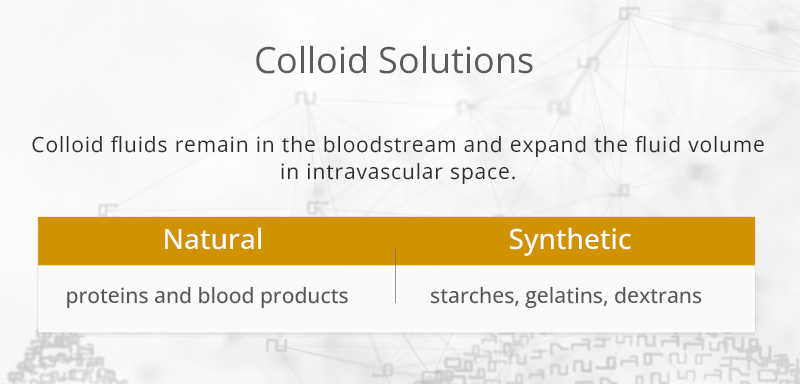
Colloid solutions have larger particles than crystalloid fluids. They typically don’t cross cell membranes but remain in the bloodstream, providing the patients with nutrients for longer periods than crystalloid solutions.

Colloid fluids increase intravascular volume and raise blood pressure in patients with blood and fluid losses that occur due to hypovolemic shock, capillary leak syndrome, cardiac disease, edema, and low oncotic pressure.

Colloids are divided into natural and synthetic fluids.

1. Natural Colloids

Natural colloid fluids contain proteins and blood products such as plasma and blood-clotting constituents. Colloid fluids commonly contain these ingredients:

2. Synthetic Colloids

Synthetic colloids are alternative, economical solutions to albumin fluids. Common synthetic colloid fluids include starches, dextrans, and gelatins.

Conclusion

There are several types of IV fluids, and not all of them are strictly for medicinal use. Nutritional IV therapy is a great way of replenishing your body with vitamins and minerals.

Whatever the case may be, your IV therapy provider will determine the best type of IV fluid based on your medical history, current condition, and needs.

If you are looking for nutritional IV therapy in the Phoenix area, Vibrant Skin Bar's team of experts is the place to go to. Our team of professionals will determine the optimal mix of nutrients for you based on your needs. Contact us for more information or to book an appointment.

IV Therapy for Weight Loss

The formula for shedding extra pounds couldn’t be simpler: eat less and exercise more. However, people’s weight loss journeys are anything but straightforward as many factors affect the process. From hormonal imbalances to a lack of energy due to nutritional deficiencies, many biological and psychological causes prevent us from achieving and maintaining a healthy figure.

IV therapy has established itself as a weight-loss aid because it’s a safe medical procedure and provides many other benefits besides supporting weight loss.

Let’s see how IV therapy for weight loss works, what results to expect, and how long they last.

IV therapy for weight loss.

What Is IV Therapy for Weight Loss?

IV therapy is a medical procedure in which a medical professional administers a cocktail of fluids, carefully selected nutrients, and, sometimes, medications into the patient’s bloodstream.

IV therapy is an effective measure for weight loss when combined with a balanced nutritional plan and regular exercise. Keep in mind that no medical, cosmetic, or other treatment for weight loss works without a healthy diet and a regular workout regime. IV therapy is no exception.

The treatment helps patients unlock the beneficial properties of IV nutrients , in contrast to the oral ingestion of food and supplements, where the digestive system first metabolizes the nutrients and delivers them to cells in lower concentrations.

How Does IV for Weight Loss Work?

IV therapy providers carefully select nutrients depending on the patient’s specific health concerns and needs. Patients who struggle with excess weight typically receive supplements that aid weight loss*, in addition to the vitamins and minerals that are the basis of IV therapy. The contents of the IV drip can include enzymes, electrolytes, amino acids, and other nutrients.

To help support patients on their weight loss journey, The Vibrant Vitality Clinic’s medical providers usually use ingredients that help prevent weight gain, including:

IV therapy usually includes other immunity-boosting and rehydrating nutrients such as zinc, vitamin D, vitamin E, vitamin A, selenium, calcium, dextrose, saline solution, and more.


Note: Find out more about vitamins for an immune system boost and the foods that contain them.


Benefits of IV Therapy for Weight Loss

Due to inadequate nutrition, many people have vitamin and mineral deficiencies that hinder the smooth functioning of their body. IV therapy helps optimize nutrient levels, regulating processes that prevent weight gain. The benefits of the treatment include:

*Disclaimer
These statements have not been evaluated by the Food and Drug Administration. This product is not intended to diagnose, treat, cure, or prevent any disease.

How Long Does the Treatment Take?

The duration of the treatment depends on the patient’s age, weight, and contents of the IV bag. The therapy usually lasts 30-60 minutes, but it may take longer if the patient requires many nutrients and supplements.

How Long Do the Effects Last?

The length of the treatment’s effects is different from person to person. Patients report feeling energized for up to one month after the procedure. Doctors recommend IV therapy for weight loss once or twice per month for the best results.

Is IV Therapy for Weight Loss Safe?

IV therapy for weight loss is considered a safe treatment that can benefit most people. A few conditions that preclude you from receiving the treatment include allergies to any ingredient in the therapy and infection or inflammation at the insertion site.

Infection, allergic reactions, blood clotting, and phlebitis are rare side effects. These risks are associated with complications arising from untrained or non-medical staff performing the procedure or unpredictable circumstances. These side effects are commonly caused by:

The safety of IV therapy is greatly increased when medical providers perform the procedure.

Cost

The cost of IV therapy for weight loss depends on the patient’s specific needs and the expertise of the treatment provider.

The Vibrant Vitality Clinic offers a range of IV treatments at $149 with the option of adding ingredients for weight loss such as B12 at $25, B12 MIC at $30, and more.

Conclusion

Intravenous therapy supports weight loss by ensuring the optimal level of nutrients in the body and the smooth functioning of processes that prevent weight gain. It’s a low-risk treatment with multiple benefits and something to consider if you’re struggling with excess weight.