Gut Health and Hormones: How Are They Related?

The health of our gut is a strong indicator of our overall wellbeing as the functioning of our GI tract impacts metabolism, the immune system, and hormonal activity. The gastrointestinal and hormonal systems are closely intertwined and mutually dependent. Any disruption in their relationship may result in a health problem that requires a holistic approach.

This article explains the connection between the gut and hormones and provides practical advice on how to restore gut health and achieve hormonal balance.
Gut Health and Hormones: How Are They Related?

Can Gut Issues Cause Hormonal Imbalances?

The gut microbiome contains trillions of bacteria, fungi, and other microorganisms that reside in your intestinal tract, mainly in the large intestine (colon). This microbial diversity is crucial for physical, mental, and hormonal health.

Hormonal imbalance can indicate a disrupted microbiome or dysbiosis. Other signs of an unhealthy gut include digestive issues (e.g., bloating, constipation, diarrhea), food allergies and sensitivities, weight oscillations, autoimmune conditions, skin inflammation, and fatigue.

Beneficial gut bacteria perform several vital functions that influence multiple physiological processes, including hormone activity:

It is important to remember that the gut and hormones are inextricably linked and disruptions to one system affect the other. In a complex interplay, hormones support gut function and any hormonal disruption can upset the stomach, cause constipation, cramping, gas, bloating, acid reflux, and other more serious issues.
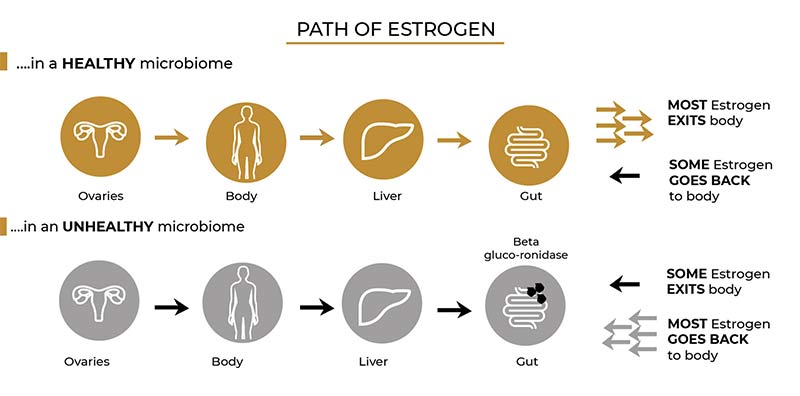
Path of estrogen showing a healthy microbiome and an unhealthy microbiome.

How Does the Gut Affect Hormones?

An imbalanced microbiota potentially contributes to hormonal imbalance via various mechanisms that are still being studied. It is believed that problems with the microbiome can contribute to the following medical conditions:

How Do Hormones Affect the Gut?

Hormonal changes directly interfere with the digestive processes in the body and impact gut health. Hormones can cause digestive organs to empty at a faster or slower rate than usual.  

Women are more prone to gastrointestinal problems because female-specific hormones (progesterone and estrogen) are more likely to cause gut issues. These changes can occur in healthy women during puberty, menstruation, PMS, pregnancy, or menopause as the result of too much estrogen or progesterone in the system. 

Disrupted hormonal activity may provoke the following gut issues:

What Hormones Are Related to the Gut?

The following hormones are especially closely tied to the gut:  

Estrogen

The gut plays a crucial role in estrogen metabolism. GI microbes regulate circulating estrogen levels and modulate estrogen-dependent physiological processes. Moreover, the gut contains many estrogen receptors that influence gut motility and sensitivity.

An imbalanced gut microbiome can disrupt estrogen metabolism and lead to estrogen dominance, resulting in painful periods, PMS, endometriosis, or polycystic ovary syndrome (PCOS).

Some menopausal and perimenopausal women experience digestive problems that scientists think might be caused by dramatic hormonal shifts. These include heartburn, bloating, constipation, and irritable bowel syndrome (IBS).

Progesterone

Progesterone can inhibit gut motility, especially during the menstrual cycle, leading to slower bowel movements and constipation. This hormone increases the risk of acid reflux, a common issue experienced during pregnancy due to elevated progesterone levels.

Cortisol

High cortisol levels can limit gut motility, cause inflammation of the digestive tract, and increase sensitivity, leading to diarrhea or irritable bowel syndrome (IBS). Furthermore, excess cortisol due to chronic stress can suppress the immune system, shutting down the body’s anti-inflammatory response and compromising gut health in the long run.


Note: Learn how to lower cortisol levels naturally to maintain a healthy gut flora.


Thyroid

You can experience hypothyroidism (underactive thyroid) due to gut issues, even if your thyroid gland is working optimally because nearly 20% of thyroid hormone conversion occurs in the gut.

Conversely, a malfunctioning thyroid gland negatively affects metabolism, disrupting nutrient absorption and leading to constipation (hypothyroidism) or diarrhea (hyperthyroidism). An impaired thyroid can also cause inflammation and a “leaky gut”.


Note: Learn how to reduce inflammation and alleviate its numerous side effects.


Testosterone

Testosterone and digestion are inextricably linked. Low testosterone levels can cause gastritis, leaky gut, irritable bowel syndrome.

Testosterone is essential for gut function in the following ways:

Insulin

Insulin resistance and type 2 diabetes are conditions that are characterized by chronically high blood sugar levels. Continually elevated blood sugar levels negatively impact the microbiota, causing dysbiosis, impacting nutrient absorption, and leading to multiple gastrointestinal conditions (such as intestinal bloating, nausea, vomiting, diarrhea, flatulence, constipation, etc.).


Note: Learn how weight loss can help reverse insulin resistance.


Ghrelin

Ghrelin is a hormone mainly synthesized in the stomach that plays a vital role in signaling hunger to the brain. The gut microbiota may influence ghrelin levels, thereby impacting appetite and energy metabolism.

Ghrelin affects gut health by maintaining the integrity of the gut barrier and regulating intestinal motility and gastric emptying. Research also shows that ghrelin levels are negatively affected by stress.

Abnormal levels of ghrelin are associated with intestinal disorders such as IBS, gastroesophageal reflux (GERD), and gastroparesis.

Gastrin

This stomach-produced peptide hormone plays a pivotal role in digestive health. Its key responsibilities are the following:

Gastric acid juice prevents infectious agents from reaching the intestine and helps break down the food we eat.

Excess cortisol triggered by stress may dysregulate gastrin function and contribute to stomach acid imbalance or acid reflux. Imbalanced gastrin production may lead to stomach pain, diarrhea, heartburn, bleeding, weight loss, or infections.

Cholecystokinin (CCK)

Cholecystokinin (CCK) is a peptide hormone responsible for digestion, appetite control, and nutrient absorption.

This hormone is released in the small intestine and the brain. Thus, its impact on the central nervous system, gut health, and other hormones is twofold. Some studies suggest that CCK may also influence cognitive function and modulate stress-related behavior (e.g., panic attacks, anxiety, etc.).

CCK performs the following digestive functions:

Secretin

This GI hormone regulates digestive processes by maintaining pH balance in the small intestine and pancreas, inhibiting the production of gastric acid, and preventing too much acidity.

Secretin’s vital physiological functions are the following:

How To Fix Gut Health and Balance Hormones

The bidirectional relationship between the gut and hormones requires a multifaceted approach. You can start small and tweak your daily habits to improve your hormonal status and gut health or seek professional medical help for more advanced medical solutions.

Diet

“You are what you eat” is a scientifically backed statement that explains many hormonal irregularities and gut issues resulting from poor food choices.

In general, a diverse diet rich in fresh and free from processed foods promotes the growth of beneficial gut bacteria and improves overall health. 

Follow these guidelines to nurture a healthy, diverse gut microbiome and gain hormonal stability:


Note: Omega-3 fatty acids benefit more than just the gut. Discover the benefits of omega-3 for the skin.

Chia seeds are one of the most popular omega-3-rich foods, which is why they are praised by skin experts. Learn more about the benefits of chia seeds for the skin.


Vitamins and Supplements

As an addition to a balanced diet, doctors recommend hormone-balancing vitamins and supplements that can help to correct nutritional deficiencies and alleviate hormone-triggered sweating, insomnia, reduced sex drive in men and women, hair loss, or acne.

You can improve gut function and restore hormonal balance with a hormone detox, vitamin B12 injections, IV therapy, or some of the following gut-supporting supplements*:


Note: Discover the 10 best vitamins for an immune system boost. Learn more about the benefits of vitamin C, vitamin D, and vitamin B IV treatments.


*Disclaimer
These statements have not been evaluated by the Food and Drug Administration. This product is not intended to diagnose, treat, cure, or prevent any disease.

Lifestyle Changes

Small adjustments in your daily life can improve overall health, boost digestion, and stabilize the hormones. The most beneficial lifestyle changes for gut and hormone health include the following:

Weight Management

Keeping your weight in check is vital in preventing hormone-triggered disorders, such as obesity, diabetes, or thyroid dysfunction. These conditions disrupt appetite regulation and metabolic health, leading to low-grade inflammation and impaired digestive function.

Medical weight loss programs are an effective way to reduce hormonal belly fat and tackle hormonal weight gain or weight loss. These treatment plans are tailored for each patient and provide long-term, sustainable results. Doctors advise against fad diets that can be ineffective and compromise your gut microbiota.

Choose Eco-Friendly Solutions

Some household and cosmetic products contain a toxic chemical called xenoestrogen – a synthetically produced estrogen typically found in plastics, pesticides, and fragrances. This substance can disrupt the endocrine system and interfere with hormone receptors.

Reduce the use of plastic and choose organic, eco-friendly products to minimize the negative impact of the “foreign” estrogen from the environment. Also try to consume hormone-free meat products and purchase food items in glass or steel containers to reduce the risk of ingesting xenoestrogen.

Bioidentical Hormone Replacement Therapy (BHRT)

Bioidentical hormone replacement therapy (BHRT) corrects hormonal deficiencies using artificial hormones that are structurally identical to estrogen, progesterone, and testosterone.

BHRT can alleviate hormone-triggered conditions, including insomnia, sweating, low libido, brain fog, anxiety, and depression.

Lower microbial diversity is in direct correlation with lower estrogen levels in women. Recent studies confirm BHRT’s beneficial impact on the gut microbiome during menopause and in patients diagnosed with premature ovarian insufficiency (POI).

Furthermore, BHRT patients report fewer gut-related issues, such as bloating, constipation, or diarrhea. The treatment regulates shifting gastrointestinal hormones, decreasing the risk of irritable bowel syndrome (IBS).

Testosterone Replacement Therapy (TRT)

Testosterone therapy restores optimal testosterone levels in men and women and provides numerous benefits, including more energy, increased sex drive, and weight loss.

There is a strong connection between testosterone and gut health, too. TRT can alleviate many digestive problems by optimizing testosterone activity.

Medication

A healthcare provider might prescribe medication to provide temporary relief from an upset stomach or treat the underlying hormonal problem. The choice depends on the patient’s symptoms, medical record, and overall health.

Over-the-counter (OTC) medicine for digestive issues include antacids such as Tums or Rolaids (heartburn, sour stomach), Pepto-Bismol (diarrhea, nausea), and Mylanta (heartburn, sour stomach, bloating).

Treatment options for hormone imbalances include hormone replacement medication, birth control methods (e.g., pill, ring, patch, IUD, etc.), metformin, thyroid medication, and others.


Note: Besides hormone balancing, metformin is a medication commonly used for weight loss. Find out if metformin aids weight loss.


Conclusion

You can restore a healthy balance of gut bacteria by regulating hormones through lifestyle changes, supplementation, diet, or hormone replacement therapies. A well-balanced gut microflora is indispensable for physical, mental, and emotional wellbeing. Prioritizing digestive health is essential for optimal hormonal activity and strong immunity.

Consult the Vibrant Skin Bar experts for more information on maintaining gut function and rebalancing hormones.

Hormonal Insomnia: How Hormones Affect Sleep

Sleep plays a crucial role in overall well-being, affects both physical and mental health. Good quality sleep supports the immune system, blood pressure, breathing, cardiovascular health, growth, and recovery but also helps you feel rested and ready to face the day.

Hormonal imbalances can disrupt the restorative cycles of deep rest, leading to chronic insomnia. This article explains which hormones cause insomnia and describes available treatment options.

Insomnia caused by hormonal imbalance.

Can Hormones Cause Insomnia?

Hormones control the sleep-wake cycle and regulate sleep patterns. Any hormonal imbalance can impact sleep quality, leading to insomnia – difficulty falling and staying asleep.

Hormonal insomnia is a health condition that affects women more often than men. Poor sleep is one of the many symptoms women experience during different life stages when hormones fluctuate: menstruation, pregnancy, perimenopause, or menopause.

Sleep needs change over time and varies from person to person. Adults aged eighteen to sixty may find seven or more hours a night is enough, while older people may need up to nine hours to feel completely rested. It is essential to consider age and individual needs to understand whether insomnia is triggered by hormonal changes.

Hormonal Insomnia Symptoms

Erratic hormonal shifts can produce a range of sleep-disturbing side effects. The most common hormonal insomnia symptoms are:


Note: If lack of sleep is leaving you feeling drained, exhausted, and unable to focus, consider vitamin B12 injections to boost your energy levels in a healthy, natural way.


Common symptoms of hormonal insomnia.

What Hormones Are Responsible for Insomnia?

Hormonal dynamics affect both the amount and the quality of sleep. If hormones are out of balance, they can cause mild sleep disturbances or severe sleep disorders, such as insomnia.

1. Melatonin

As the sun sets, the pineal gland in the brain releases this hormone to prime the body for deep rest. Melatonin is known as the “sleep hormone’’ because it controls the circadian rhythm, the body’s internal clock that regulates various processes including the sleep-wake cycle.

Melatonin’s primary function is to reduce nerve activity and relax the body. It is also responsible for lowering the body temperature in preparation for a good night’s sleep.

Melatonin production is closely related to exposure to light. Artificial light and especially the blue light of electronic devices lowers melatonin levels, hindering sleep. To help the body release melatonin at the right time, it is important to get exposure to sunlight at the right time of day – in the morning and early afternoon.


Note: Melatonin also belongs to a group of hormones responsible for body temperature regulation. When imbalanced, these hormones may cause cold or hot flashes, accompanied by profuse hormonal sweating.


2. Estrogen

This sex hormone, vital for reproductive health, decreases in perimenopause and menopause. During this period and at other times when estrogen levels fluctuate (pregnancy, menstruation), women frequently report problems with sleep, indicating the important role estrogen plays in sleep regulation.

One of the ways estrogen affects sleep quality is by lowering body temperature at night. Furthermore, estrogen plays a vital role in producing serotonin, the neurotransmitter that is converted to melatonin in the dark.   


Note: Learn more about the implications of chronically low estrogen levels.


3. Progesterone

This hormone plays a vital role in women’s reproductive health and helps maintain a healthy pregnancy. It also regulates parts of the brain responsible for sleep-wake behavior, influencing the quality and quantity of sleep.

Progesterone inhibits the activities of certain neurotransmitters, promoting relaxation and reducing anxiety. Its sedative properties are the main cause of daytime sleepiness in the early stages of pregnancy, when progesterone levels peak.

On the other hand, progesterone levels dip right before the period starts, which is why women suffering from premenstrual syndrome (PMS) or premenstrual dysphoric disorder (PMDD) may experience poor sleep quality.


Note: The effect of hormones on our psychological state has been firmly established by science. One of many remarkable discoveries is the correlation between hormonal fluctuations and anxiety disorders. Learn more about hormonal anxiety, including what triggers it, how to recognize it, and how to treat it


4. Insulin

Insulin, the hormone responsible for regulating blood glucose levels affects sleep quality indirectly. This is particularly true for diabetic or pre-diabetic patients, whose mechanisms for blood sugar regulation are disrupted.

High blood sugar (hyperglycemia) overstimulates the kidneys, causing frequent urination and disrupting nighttime rest. Excess blood sugar also prompts the production of epinephrine (adrenaline) and norepinephrine. These two neurotransmitters raise blood pressure and heart rate and put the body in a state of alertness.

Conversely, low blood sugar (hypoglycemia) may cause uneasy sleep, confusion, nightmares, and sweating. Hypoglycemia can occur if a patient takes an insulin shot just before bedtime.

In a vicious cycle, even a single night of missed sleep affects insulin sensitivity and causes raised blood sugar levels.


Note: Trouble sleeping, accompanied by weight gain could be a sign that your body is not responding to insulin. If you are looking to lose weight, learn more about how chronically elevated insulin affects weight loss, and how insulin resistance affects weight loss.


5. Cortisol

Cortisol, the so-called “stress hormone”, is essential for keeping the body awake and alert. It peaks in the morning to prepare you for daily activities to naturally drop later in the day when melatonin is released in preparation for sleep.

Cortisol levels are directly affected by diet (high intake of fats, sugar, salt, and animal proteins), stress, and trauma. High cortisol levels in the afternoon and evening can disrupt the 24-hour circadian flow, leading to sleep difficulties such as insomnia.

6. Testosterone

Testosterone impacts sleep quality, particularly in men. Studies show that testosterone plays an important role in deep sleep – the phase when most of the rest and recovery occurs. Consequently, disrupted levels of testosterone can cause sleep disturbances.

Low levels of testosterone typically provoke insomnia and nighttime waking, while high levels of testosterone impair sleep quality through increased nocturnal metabolic rate.


Note: If you have trouble staying asleep, check your testosterone levels. Hormonal insomnia caused by low testosterone levels can be treated with testosterone therapy. Contact our team to learn more about the treatment and book your appointment.


The correlation between testosterone and hormonal insomnia.

How Do You Treat Hormonal Insomnia?

Hormonal insomnia can be treated by gradually introducing lifestyle changes and using products with hormone-balancing ingredients and calming and aromatherapeutic properties.

Treating Hormonal Insomnia With Better Daily Habits

To relieve the symptoms of hormonal insomnia, begin by making smaller, incremental adjustments. These quick sleep tips can help you get started:


Note: Check out our list of the 10 best nutritional supplements for hormone balancing.


Products for Hormonal Insomnia Treatment

Once you’ve created a solid sleep routine, tackle the hormonal problem at its roots with some of these treatments:

Consult your medical provider before choosing any of the listed products.


Note: Vibrant Skin Bar offers female bioidentical HRT to help women go through the transition smoothly and reduce the exhaustion that poor sleep can bring.


When Should You See a Doctor?

If despite all your efforts you are still suffering from a lack of sleep, seek out professional medical help. Insomnia is more than just tossing and turning all night long. It can seriously affect your physical and mental health, relationships, and quality of life. Furthermore, long-term sleep deprivation can worsen existing health conditions and hormonal imbalances.

Contact the Vibrant Skin Bar team to discuss your situation. Our experts will help you create a customized hormonal insomnia treatment.


Note: If your sleep is disrupted and you suspect it is because of imbalanced hormones, monitor the state of your hair. Hormonal hair loss is one of many conditions caused by hormonal imbalances.


Conclusion

Hormonal insomnia comes in all shapes and forms, triggering a cascade of potential physical and mental health threats, such as hormonal depression. Understanding how hormones promote or impede deep, is an essential first step in combating this unpleasant condition.

Smart preventive measures keep hormones balanced, helping you feel more focused, alert, and well-rested in the morning. Schedule a consultation with top experts at Vibrant Skin Bar to find the most effective solution to this problem.

Hormonal Depression: Things You Need to Know

Turbulent hormonal shifts can turn mild, sporadic mood swings into full-blown depressive episodes. Feeling emotionally drained, physically exhausted, and unable to cope with daily tasks can be overwhelming. Luckily, you can learn how to balance hormone levels to support your mental wellbeing and build a rock-solid foundation for future challenges.

Read this article to discover the symptoms and causes of hormonal depression and how to combat this health condition effectively.

Hormonal depression

Can You Have Hormonal Depression?

Hormonal imbalance can set off a ripple effect on your overall health, impacting your thoughts, emotions, and mood. Disruptive hormonal shifts can lead to frequent irritability, excessive worry, and chronically low energy levels.

Since symptoms of clinical and hormonal depression overlap, they might leave you wondering about the root cause or confused about the best treatment strategy.

The following chart provides an outline of the differences between hormonal and clinical depression.

Hormonal DepressionClinical Depression or Major Depressive Disorder (MDD)
Underlying causeHormonal changes (PMDD, pregnancy, giving birth, perimenopause, menopause, birth control pill, sudden drop in estrogen, etc.)Genetic predisposition, environmental stressors (e.g., a traumatic event, a severe head injury), personality traits, alcohol, drugs, etc.
Timing and triggersCoincides with moderate to strong hormonal fluctuations (e.g., right before the menstrual cycle starts).MDD can occur at any life point and is typically associated with stressful events and loss.
Accompanying symptomsHormone-activated symptoms, such as acne, hair loss, excessive sweating, hot flashes, insomnia, weight gain, low sex drive, etc.Common psychological and physical symptoms are not directly associated with hormonal activity.
Duration and frequencySymptoms are cyclical, so they come and go. They usually intensify during hormonal oscillations.MDD is a long-lasting health condition that can worsen over the years if left untreated.
Common treatmentHormone therapies, supplementation, lifestyle changes.Antidepressant medication and professional psychotherapy.

Signs of Hormonal Depression

Symptoms vary in intensity, frequency, and length. Emotional and physical signs of hormone-related depression include:


Note: If you constantly feel tired and struggle with simple everyday tasks, you may suffer from adrenal fatigue. Alleviate the symptoms and replenish lost energy with 18 adrenal fatigue treatment options.


What Causes Hormonal Depression?

Tackling the underlying physiological cause is the first step to overcoming hormonal depression. Consult a medical professional to determine the reasons for the shifts in your emotional wellbeing. They will provide you with a tailored treatment plan based on your medical record, hormonal status, and common triggers.

Below are some of the major causes of hormonal depression:

Premenstrual Dysphoric Disorder (PMDD)

Premenstrual dysphoric disorder (PMDD) is a severe type of premenstrual syndrome (PMS). It affects up to 5% of women of childbearing age a week or two before the cycle starts. Heightened sensitivity to regular hormonal changes is a probable cause of PMDD, although there is not enough scientific evidence supporting this claim.

Typical symptoms of PMDD include irritability, tension, and severe depression. Some women experience trouble sleeping, feeling out of control, and panic attacks, while others report breast tenderness, cramps, bloating, joint or muscle pain.

You can manage the symptoms and reduce the negative impact on your mental health with:

Postpartum Depression (PPD)

Research shows that around one in seven women develop postpartum or perinatal depression (PPD) after giving birth. PPD occurs due to a sudden decrease in allopregnanolone, a progesterone-derived neurosteroid that peaks during pregnancy to promote healthy fetal growth. This pregnancy hormone modulates the activity of the brain’s mood-regulating GABA receptors which produce calming, stress-relieving effects.

Postpartum depression goes way beyond “baby blues”, a short-lived condition that manifests as sadness, emptiness, or moodiness after having a baby. Common PPD symptoms include feeling disconnected from the child and unable to bond. Some mothers report feeling shame, guilt, and anxiety.

PPD can last up to 3 years without appropriate or timely treatment. Follow these preventive measures to reduce the risk of developing this post-delivery mood disorder:


Note: Sometimes, you need a little vitamin push to get back on track after giving birth. Find out what the 10 best vitamins for an immune system boost are and how to include them in your diet to improve your mental health.


Hormonal Contraceptives

Birth control methods alter hormonal activities in females to prevent ovulation and egg fertilization. They contain synthetic estrogen and progesterone (known as progestin), which affect brain function and the activity of neurotransmitters (GABA, serotonin, and dopamine), potentially compromising mental health.

There are different types of hormonal contraception, but research has shown that so-called mini pills, a progestin-only type of contraception, pose the greatest risk for the development of severe mood disorders, such as anxiety or depression.

The exact impact of hormonal contraceptives on mental health remains largely unknown. If you suspect a heightened sensitivity to progestin or wonder about its influence on your emotional wellbeing, consult a healthcare provider for additional testing.

Menopause

Menopause starts 12 months after the last menstrual period and marks the end of female fertility. The preceding period, perimenopause, is characterized by hormonal instability that impacts both physical and mental states. Low estrogen and progesterone levels may cause mood swings, irritability, and prolonged feelings of sadness.

Estrogen is a crucial hormonal component to emotional wellbeing due to its nerve-protective properties and positive impact on serotonin and endorphin activity. Progesterone increases GABA function, producing a tranquilizing effect on the nervous system.

Popular treatment methods for menopause-related mood swings and depression include:


Note: Learn the difference between perimenopause vs. premenopause.


Low Testosterone

Testosterone is the primary androgen (male sex hormone). It is responsible for maintaining bone density, muscle strength, libido, and red blood cell production. It also improves mood, cognitive function, and emotional wellbeing.


Note: Find out whether testosterone affects sleep.


Studies show a tentative connection between testosterone deficit syndrome and depressive symptoms, such as low mood, chronic fatigue, lack of interest, and difficulties in decision-making. Additionally, low testosterone has several side effects, including erectile dysfunction, hair loss, or sudden weight gain, which may worsen a person’s mental condition.

Aging men are at an increased risk of developing hormonal depression due to a drop in testosterone levels. Androgen deficiency in females is more difficult to diagnose because women naturally produce lower levels of androgens. Medical assistance is vital in diagnosing and reversing sub-optimal testosterone levels.

Here are some actionable tips for keeping healthy testosterone levels:


Note: Find out how testosterone impacts sex drive and whether testosterone therapy can aid in weight loss.


Thyroid Issues

The thyroid glands produce hormones that regulate metabolism, the cardiovascular system and influence healthy brain development. The thyroid interacts with neurotransmitters - serotonin and dopamine - contributing to mood regulation, cognitive function, and mental health.

Patients with hyperthyroidism (an overactive thyroid) may experience nervousness, irritability, and anxiety. Conversely, those with hypothyroidism (an underactive thyroid) often report tiredness, low energy, and depression. Women are at a higher risk of developing hormonal depression because they are more prone to thyroid-related disorders.

You can improve thyroid function to manage depressive symptoms in the following ways:


Note: Find out how hormones affect gut health.


If symptoms persist, do not hesitate to seek medical assistance. Your endocrinologist might prescribe medication to keep your thyroid hormones in check.

How Is Hormonal Depression Diagnosed?

Diagnosing hormonal depression is challenging because symptoms overlap with those of major depressive disorder. Moreover, hormonal fluctuations can be erratic and unpredictable, lacking the consistency needed for accurate diagnosis. Coexisting factors, such as stress and lifestyle choices, can further complicate the matter.

It is vital to consult a medical professional before jumping to any conclusions. The typical diagnostic procedure involves:

How to Treat Hormonal Depression?

Once your doctor establishes the underlying hormonal cause, they will create a personalized treatment. The following methods can relieve or eliminate depressive symptoms, depending on the condition’s severity and duration.

1. Bioidentical Hormone Replacement Therapy (BHRT)

Bioidentical hormone replacement therapy (BHRT) uses lab-made plant-derived hormones to restore hormonal balance and alleviate symptoms of perimenopause or menopause, including depression. BHRT’s are not FDA-approved and are used off-label to treat hormone deficiencies. Many practitioners prefer BHRT over HRT because they are molecularly identical to naturally produced hormones and can be produced in compounding pharmacies in doses and forms that differ from those in FDA-approved formulations.

Reported mental benefits of BHRT include:


Note: Vibrant Skin Bar offers a female bioidentical HRT package that includes a consultation, physical examination, and a 30-minute follow-up session.


2. Testosterone Therapy

Testosterone replacement therapy (TRT) optimizes testosterone levels and mitigates numerous psychological symptoms, such as fatigue, difficulty concentrating, and depression. It is typically prescribed to men whose testosterone production has naturally decreased with age.

Testosterone therapy for women is an increasingly popular off-label treatment that can enhance libido to improve mood and increase energy.

The many other testosterone therapy benefits lessen the impact of hormonal changes and reduce accompanying mood swings. Talk to an expert in the field to determine if TRT is a suitable option for you.


Note: Vibrant Skin Bar offers male HRT hormone therapy that includes a 45-minute evaluation, a physical examination, and a follow-up appointment.


3. Antidepressants

Antidepressants regulate the activity of neurotransmitters (e.g., serotonin, noradrenaline) to increase energy levels and improve overall mood. However, they should never be the first-line treatment for hormone-triggered mood disorders as they can lead to misdiagnosis and poor management of the condition.

Doctors may prescribe low-dose antidepressant medication (e.g., citalopram, venlafaxine) to reduce menopausal hot flashes and night sweats, indirectly contributing to emotional stability and wellbeing. Consult a qualified healthcare professional to determine if this treatment method is appropriate for you, the correct dosage, and the type of anti-depressive drug.

4. Birth Control Pills

Birth control pills, or oral contraceptives, have potent antidepressant efficacy in treating premenstrual dysphoric disorder (PMDD). They create a stable hormonal environment by suppressing ovulation, thereby reducing hormonal fluctuations that might cause mood swings, irritability, and depression.

Studies confirm that oral contraceptives that contain both synthetic estrogen and progesterone can improve mental health and contribute to sustained mood regulation.

While many women enjoy the accompanying benefits of the pill, such as stress reduction and enhanced mood, others report disrupted sleep, emotional sensitivity, and depression. Your medical provider will assess your symptoms and offer alternative options if you experience some of the unwanted side effects of oral contraception.

5. Non-Hormonal Contraception

If hormonal contraceptives are the primary cause of anxiety, low mood, or depression, consider the following non-hormonal birth control methods:

These non-hormonal alternatives vary in terms of effectiveness and convenience. Therefore, it is essential to talk to your doctor openly when choosing the most suitable contraceptive method.

6. Hormone Detox

A hormone detox is a holistic treatment for eliminating excess hormones and toxins from the body, restoring balance, and achieving a positive mental shift. Reported benefits include increased energy, better mood, and enhanced brain function.

You can maximize your hormonal potential with a powerful detox that includes the following:

7. Vitamin B IV Therapy

Vitamin B IV therapy is an effective medical solution for replenishing essential nutrients and securing quick vitamin absorption needed for optimal brain function. The patient receives eight B complex vitamins intravenously. The vitamins enter the bloodstream directly, bypassing the digestive system and restoring mental functions immediately.

B complex vitamins can minimize mood-related health issues by maintaining brain function, improving energy levels, boosting cognitive function, and supporting serotonin and dopamine synthesis.


Note: Vitamin B12 injections will deliver optimal amounts of this vital vitamin to boost your mood and increase your energy.  


8. Stress Management

Elevated cortisol levels lead to chronic stress, reduced emotional resilience, and impaired cognitive function. Prolonged exposure to stress is a major contributing factor to hormonal depression. Therefore, it is crucial to learn how to lower cortisol, manage your stress response, and regain emotional stability.

Anti-stress techniques (e.g., meditation, hiking, massage, yoga) improve your mood by rebalancing neurotransmitter activity, strengthening your coping mechanisms, and decreasing cortisol production.

Supplements such as Osmosis MD Emotional Wellbeing Elixir can provide additional support by harmonizing negative thinking patterns and increasing serotonin levels. Seek professional psychological help to ensure the best results and prevent any supplement misuse.


Note: Excess cortisol can also lead to anxiety. Explore how supplements for anxiety can improve emotional regulation and ameliorate your overall mental state.


Conclusion

Disrupted hormonal activity can negatively impact mental performance, emotional health, and the ability to cope with everyday stressors.

Patients experience short bouts of depression due to temporary hormonal fluctuations that occur during certain life phases or because of certain health conditions. Treatment methods vary based on individual needs, symptoms severity, and associated health conditions.

Feel free to contact Vibrant Skin Bar with more questions or concerns.


Disclaimer

This website is provided for educational and informational purposes only and does not constitute providing medical advice or professional services. The information provided should not be used for diagnosing or treating a health problem or disease, and those seeking personal medical advice should consult with a licensed physician. Always seek the advice of your doctor or other qualified health provider regarding a medical condition. Never disregard professional medical advice or delay in seeking it because of something you have read on this website. If you think you may have a medical emergency, call 911 or go to the nearest emergency room immediately. No physician-patient relationship is created by this website or its use.

Sleep and Testosterone: How Are They Related?

Testosterone is best known as the male sex hormone, but its function goes beyond regulating male sexual characteristics. It affects men’s and women’s muscle and bone health, fat distribution, heart health, mood, and even sleep.

This article gives an overview of what science knows about the link between sleep and testosterone and how to improve both.  

Sleep and testosterone

Does Sleep Affect Testosterone Levels?

Healthy testosterone production follows the normal circadian rhythm. The hormone is the highest in the morning, dips in the evening, and begins to increase with the onset of sleep. Disturbed sleep is associated with reduced morning testosterone.

Low Testosterone and Sleep

Research shows insufficient sleep and medical conditions like sleep apnea can deplete testosterone levels. Delayed or fragmented sleep disrupts the circadian rhythm, inhibiting the natural increase in testosterone that comes with sleep.

Low testosterone perpetuates sleep problems and can lead to insomnia. It can also cause hot flashes and night sweating in women, preventing sleep.


Note: Learn more about the connection between hormones and insomnia, or find out whether low testosterone can also cause fatigue and low sex drive in men.


High Testosterone and Sleep

High testosterone doesn’t typically affect sleep. Sleep issues are a more common symptom of low testosterone. However, some patients report sleep abnormalities and worsening sleep apnea after taking high doses of testosterone therapy.

How to Improve Sleep Quality & Maintain Normal Testosterone Levels

There are several ways to enhance testosterone production and improve sleep quality.


Note: For more information, refer to our guide to using Relora for sleep.


Sleep and Testosterone FAQ

Men with sleep problems and symptoms of low testosterone often have the following questions about testosterone and sleep regulation.

Does Sleep Boost Testosterone?

Healthy sleep patterns, which include 7-9 hours of uninterrupted sleep at night, support normal testosterone production. Quality sleep doesn’t increase testosterone over its normal levels; it only contributes to maintaining a hormonal balance to ensure the optimal functioning of testosterone-regulated processes.

Does Napping Increase Testosterone?

Scientists recommend avoiding napping, especially later in the day and close to bedtime, because it can interfere with falling and staying asleep. People who need rest during the day should do it earlier and limit their nap to 30 minutes.

How Does Hormone Replacement Therapy Affect Sleep?

Evidence suggests testosterone therapy makes it easier to fall asleep and may improve sleep quality. The therapy involves administering testosterone in the form of creams, skin patches, pellets, and injections. Doctors prescribe it as an FDA-approved therapy for men diagnosed with low testosterone.


Note: Learn more about testosterone therapy benefits.


Conclusion

Sleep and testosterone are closely related and affect one another. Small changes in your bedtime rituals can positively impact your sleep quality and improve testosterone levels. If the problems persist, discuss treatment options with your healthcare provider.

If you are in the Phoenix area, contact our experienced medical professionals to determine if testosterone therapy can help you.

Hormonal Sweating: Symptoms, Causes, and Treatments

Hormones affect a variety of bodily mechanisms. One of them is temperature-regulation. When the complex interaction of hormones is disrupted, patients can experience abnormal heat production or heat loss.

Sweating (perspiration) is how the body cools down and controls internal body temperature. However, an unusual shift in hormone levels can increase body temperature and stimulate sweating independent of circumstances such as the external environment or physical activity.

This article explains the symptoms and the causes of hormonal sweating and provides information on how to treat this unpleasant condition.

symptoms and causes of hormonal sweating

What is Hormonal Sweating?

Hormonal sweating is the result of hormonal imbalances in the body. Chemical changes on a hormonal level directly affect the hypothalamus - an area in the brain responsible for thermoregulation. The hypothalamus activates the temperature-modulation response of blood vessels, the skin, and sweat glands.

If you are experiencing excessive sweating, hot flashes, or night sweats, it may be caused by imbalances in different hormones, including estrogen, progesterone, testosterone, and thyroid hormones. This is especially true during menopause, perimenopause, or pregnancy. Also, hormonal sweating is often a symptom of thyroid-related conditions, low testosterone levels, premenstrual dysphoric disorder (PMDD), and premenstrual syndrome (PMS).

Hormonal Sweating Symptoms

Unstable hormone activity changes the body’s temperature, activating the sweat glands and triggering these symptoms:  

What Causes Hormonal Sweating?

There are a number of hormone-related conditions that can result in elevated body temperature and sweat, and both men and women can be affected.

Here are the conditions that most commonly cause these unpleasant symptoms:

1. Perimenopause and Menopause

During perimenopause, the transitional phase preceding menopause, women undergo many physiological and psychological changes. Besides irregular periods, mood swings, and disrupted sleep, hot flashes are one of the hallmarks of this turbulent life phase.

Estrogen levels start to decline during perimenopause. This sudden drop in estrogen makes the hypothalamus, the brain’s body heat control center, more sensitive to temperature changes. In the mistaken belief the body is getting too hot, the hypothalamus sends messages to the body to cool down. This results in hot flashes, night sweats and profuse sweating.

2. Pregnancy

Body temperature rises during pregnancy in response to multiple physiological changes. Progesterone, the hormone responsible for creating a perfect environment for the embryo, also has an effect on thermoregulation.

Maternal core temperature peaks in the first trimester due to elevated progesterone and the higher metabolic rate needed to sustain a healthy pregnancy. The body generates extra heat and increases blood flow to the skin, causing hot flashes. Sweating is the healthy response of the body to lower temperature to protect the mother and fetus from overheating.

Feeling thirsty, shaky, and sweaty during pregnancy can indicate gestational diabetes, a reversible condition caused by insulin resistance that can develop during pregnancy. Your doctor will monitor your blood sugar levels to rule out this possibility.


Note: Learn how are insulin resistance and weight loss related and how can a change in your lifestyle reverse this condition.


3. Postpartum – Sweating after Childbirth

Postpartum begins with the delivery of the placenta. It represents the post-delivery period that is marked by a sudden dip in estrogen levels. This hormonal shift affects the hypothalamus, making women more sensitive to temperature changes and more prone to sweating. Moreover, breastfeeding decreases estrogen due to elevated levels of prolactin, the hormone responsible for milk-production.

As a result of this estrogen deficiency, post-baby night sweats continue for a prolonged period. However, sweating postpartum helps the body to get rid of the extra fluid accumulated during pregnancy. In this sense, it can help women lose some of the weight gained during gestation.

4. Premenstrual Syndrome (PMS) and Premenstrual Dysphoric Disorder (PMDD)

Hot flashes and night sweats are common symptoms of premenstrual syndrome (PMS) or premenstrual dysphoric disorder (PMDD), a more severe case of PMS. Estrogen and progesterone have a complex interplay in the reproductive cycle which can sometimes lead to increased sweating in the days before menstruation occurs.

Progesterone rises during ovulation and stays elevated in the second part of the cycle, the luteal phase. This hormone triggers a rise in basal body temperature (the lowest body temperature at rest). At the same time, estrogen decreases after ovulation and stays low during the luteal phase, making the hypothalamus more sensitive to temperature changes. As core body temperature rises, this increased sensitivity produces abundant sweating.

5. Hyperthyroidism

Hyperthyroidism (an overactive thyroid) is an endocrine health condition with numerous physical symptoms, including heat intolerance and sweating.

The thyroid gland regulates body temperature and controls the metabolic rate, or how the body uses energy. An overactive thyroid gland speeds up metabolism, causing weight loss, rapid heartbeat, and increased sensitivity to heat. Thus, sweating occurs more frequently and is more profuse.


Note: Some of the symptoms of hyperthyroidism, such as rapid heartbeat and weight loss, overlap with the symptoms of iron-deficiency anemia. Read our blog to learn more about weight loss caused by anemia.


6. Testosterone Deficiency

Low testosterone in men, also known as male hypogonadism, produces a variety of symptoms, such as low energy, decreased sex drive, hot flashes and heavy sweating at night.

As they age, men undergo gradual hormonal changes, sometimes called the andropause or male menopause. Testosterone levels slowly decline, affecting the hypothalamus, the temperature-regulatory center in the brain.

Testosterone therapy is an effective solution for this hormonal imbalance. It restores adequate amounts of testosterone and reverses the uncomfortable symptoms, such as profuse sweating.


Note: Check out our article and find out how does testosterone increase sex drive.


How to Treat Hormonal Sweating?

Hormonal sweating can interfere with your daily activities, especially if you live in a hot and humid climate. These tips can help you minimize the unpleasant effects of profuse sweating:

1. Start Using Supplementation

Nutritional supplements that balance hormones can help against excessive sweating (hyperhidrosis). Notably, vitamin E can decrease the frequency of hot flashes in menopause and reduce the night sweats. Heavy sweating can easily lead to magnesium deficiency and mineral supplements can prevent this from happening.


Note: Osmosis MD Hormone Relief Elixir is a natural hormone balancing supplement that can reduce unpleasant hormonal symptoms, such as hot flashes.


supplementation for hormonal sweating

2. Hormone Replacement Therapy (HRT)

Hormonal sweating could be a warning sign of a much deeper health condition triggered by a hormonal imbalance. If you are at an age when hormone levels start to shift, consult a medical expert in the field and schedule a physical examination. They will tell you about treatments that can restore optimal levels of estrogen, progesterone, and testosterone, such as bioidentical hormone replacement therapy.


Note: Check out the cost of Female Bioidentical HRT offered by Vibrant Skin Bar.


3. Use Comfy, Skin-Friendly Clothes

Start wearing lightweight, breathable clothing made of natural fibers, such as cotton, linen, or silk. Rather than one thick top, go for layers so that you can take clothes off as you start to feel hot.

Invest in eco-friendly clothes to allow your skin to breathe and wick away excess moisture. Some clothing brands have specialized in blends of natural and synthetic fabrics that do just this. Avoid wearing 100% synthetic fabrics such as nylon and polyester because they prevent the skin from breathing and also trap moisture.

4. Pay Attention to What You Eat and Drink

Hydrate more frequently to replenish the water lost due to heavy sweating. Avoid spicy food and alcohol, which stimulate thermogenesis, or the production of body heat. Caffeinated drinks, soda, and even chocolate can also increase sweating.

5. Lower the Thermostat

This is especially valid for your bedroom. A cooler room will not only help manage hot flashes and night sweats, scientists have found that lower temperatures are conducive to a good night’s rest as melatonin production is increased at temperatures between 60 and 68 degrees.

lower the thermostat to alleviate hormonal sweating

When Should You See a Doctor?

Consult your health provider if the problem persists or if you notice additional hormone-related issues. Establishing the root cause of sweating is an essential first step in treating this condition properly.

Feeling faint, dehydration, or a high fever require immediate medical attention.

Conclusion

Keep your hormone levels in check with prompt, preventive action to reduce hot flashes, night sweats and abnormal sweating. Discovering the primary cause of hormonal sweating will help you get appropriate treatment.

If you suspect profuse sweating is caused by hormones, feel free to consult our team at Vibrant Skin Bar. Our medically trained experts will help you eliminate this uncomfortable symptom of hormonal imbalance.

Night Sweats and Hormones

A hormonal imbalance may provoke a sudden hot flash, rapid heartbeat, and a drenching night sweat that disturbs your sleep and leaves you exhausted throughout the day. Profuse night sweating is also a symptom of certain underlying health condition that require medical help.

This article explains the connection between night sweats and hormones and how to prevent and eliminate this uncomfortable condition.

Night sweats and hormones.

What Is Hormonal Night Sweating?

Hormonal sweating occurs due to hormonal fluctuations and typically affects women during menopause, PMS, or pregnancy. Lower estrogen levels can provoke night sweats (nocturnal hyperhidrosis), a condition usually accompanied by hot flashes, skin reddening, and chills.

Night sweats can also be a symptom of hypoglycemia, gastroesophageal reflux disease (GERD), neurological conditions, anxiety, and even cancer. Consult a healthcare provider to rule out non-hormonal causes and get an adequate treatment.

What Hormone Causes Night Sweats?

Sweating is a healthy body heat regulation mechanism that prevents overheating in hot environments or during physical exertion. The hypothalamus, which controls body temperature, plays a crucial role in this process. However, hormonal changes can disturb the body’s cool-down response and cause night sweats.

The following hormones are responsible for hormonal night sweating:


Note: Discover 14 symptoms of low estrogen and learn how to increase estrogen levels to reduce night sweating and alleviate accompanying symptoms.


When Do Hormone-Triggered Night Sweats Occur?

Hormone-induced night sweats are common during sudden or significant hormonal changes. Managing each condition can alleviate the discomfort and minimize potential complications.

Premenstrual Syndrome (PMS) or Premenstrual Dysphoric Disorder (PMDD)

Estrogen levels peak during the mid-follicular and mid-luteal phase, dropping right before menstruation starts. Over 90% of women will experience premenstrual symptoms during the second stage of the luteal phase when both progesterone and estrogen levels decrease. Common PMS symptoms include bloating, headaches, moodiness, and occasionally excessive sweating.

Premenstrual dysphoric disorder (PMDD) affects up to 5% of women during their reproductive years. PMDD requires medical assistance and is characterized by severe PMS-like health issues. It has also been linked to night sweats.

Pregnancy and the Postpartum Period

Increased sweating is common during pregnancy, especially during the first trimester (weeks 1 to 14) and the third trimester (weeks 27 to childbirth). The body fails to achieve an optimal temperature due to fluctuating hormones, increased blood flow, or thyroid issues.

Postpartum night sweats are also common and typically subside within a few weeks. They are triggered by the sudden drop in estrogen levels immediately after delivery.

Perimenopause and Menopause

During perimenopause, the ovaries start producing less estrogen, progesterone, and testosterone. Women may experience a range of symptoms, such as irregular periods, hot flashes, and night sweats. As the body slowly transitions out of its reproductive years and enters into menopause, the hypothalamus begins to have difficulties maintaining optimal body temperature, resulting in heat waves and increased sweating.


Note: Learn about the difference between perimenopause and premenopause.


Primary Ovarian Insufficiency (POI)

Primary ovarian insufficiency (POI), also known as primary ovarian failure, is a rare medical condition that affects pre-menopausal women, causing ovaries to stop making eggs before the age of forty. POI leads to premature menopause and infertility. It is accompanied by symptoms such as vaginal dryness, sleep issues, anxiety, hot flashes, and night sweats often accompany it.

Thyroid Disorders

Drenching night sweats may also signal an underlying problem with the thyroid gland. Thyroid hormones T3 and T4 affect thermoregulation by influencing the basal metabolic rate on a cellular level.

Hyperthyroidism (an overactive thyroid) is typically associated with heat intolerance, clamminess, and excessive sweating caused by increased body heat.

Hypothyroidism (an underactive thyroid) usually decreases sweating and increases cold sensitivity. However, patients may also sweat more due to the difficulty their body has regulating temperature or as a side effect of hypothyroidism medication (levothyroxine).


Note: Night sweats can also be caused by a host of other disorders that aren’t linked directly to a hormonal imbalance so make sure you speak to your physician, who will perform the necessary tests to pinpoint the cause of this uncomfortable condition.


Can I Prevent Hormonal Night Sweats?

You can try the following preventive measures to reduce sweating at night.


Note: Learn about the connection between stress and hormones and discover more actionable ways to destress.


How to eliminate night sweats?

How Do I Get Rid of Hormonal Night Sweats?

Treatment for hormonal night sweats varies depending on the underlying cause or medical condition. Discuss your options with a healthcare provider before making any changes.

The doctor will discuss your medical record, perform a physical examination, and run a hormone test to determine the root cause and ensure the appropriate treatment.

Hormone Replacement Therapy (HRT)

Hormone replacement therapy (HRT) addresses hormonal imbalance and alleviates uncomfortable symptoms like nighttime sweating. HRT involves the use of medication to replace deficient hormones, such as estrogen, progesterone, and testosterone.

Bioidentical hormone replacement therapy (BHRT) includes the use of bioidentical hormones, whose molecular structure is identical to naturally occurring human hormones. These plant-derived hormones effectively reduce hot flashes and night sweats alongside other symptoms, such as brain fog, low sex drive, and insomnia.

Testosterone therapy (TRT) restores depleted testosterone to optimal levels, providing numerous health benefits for both men and women. It helps mitigate symptoms of male hypogonadism and relieves menopausal symptoms. Testosterone is used off-label to increase energy, improve sex drive, and aid in weight loss.

Non-Hormonal Medication

The following non-hormonal medication has also been found to relieve night sweats:

Natural and Herbal Remedies

Natural remedies can relieve symptoms of menopausal discomfort, such as mood swings, hot flashes, and heavy sweating. The following herbal cures can effectively manage symptoms and are a popular alternative to pharmaceuticals:

Use these products with caution and with your doctor’s approval to avoid risks and health complications. Natural remedies are not as tightly regulated as prescription drugs and may provoke adverse effects. Some natural supplements should be avoided during hormone therapy (e.g., red clover).

Lifestyle Modifications

Small adjustments in your daily habits can significantly impact sleep quality, reduce night sweating, and improve overall comfort. Practice each habit consistently to ensure faster and more durable results.


Note: Learn how to lower cortisol levels with 7 natural strategies.


How Long Do Hormonal Night Sweats Last?

Hormonal night sweats vary widely in frequency, intensity, and duration depending on the cause, symptoms, and other factors (e.g., stress levels and environmental conditions). They can occur sporadically or consistently throughout the entire hormonal shift.

Menopausal women may experience several sweating incidents per night that last a few moments up to fifteen minutes.

Sweats can last a few days, weeks, months, or several years during post-menopause. PMS-triggered sweats usually subside after several days, while pregnancy-related perspiration may stretch for weeks.

When Should I Be Worried About Night Sweats?

Night sweats are not a cause for concern as they usually subside over time. However, they may be a symptom of a more severe health condition (e.g., an infection, diabetes, or cancer) or a side effect of a medicine.

Schedule a visit with a healthcare provider if you experience persistent night sweats that interrupt your sleep or if you notice any of the following:

Conclusion

Excessive nighttime sweating can be a sign of different hormonal imbalances. Prevention, proper diagnosis, and timely treatments help you restore balance and stop the sweats that leave you soaking wet in the middle of the night.

Learn more about hormone therapy at Vibrant Skin Bar and schedule a visit to get a tailored treatment for your health concern.

What Is a Total Testosterone Test? Things You Need to Know

‌Testosterone is a hormone typically associated with the development and maintenance of male characteristics. In men, it plays multiple roles, such as the development of male sex organs, a deeper voice, facial hair, muscle and bone growth, and sex drive. However, this androgen impacts overall physical health and emotional wellbeing in men and women.

Imbalanced testosterone levels can provoke or worsen many health conditions. A total testosterone test is a valuable diagnostic tool for discovering the underlying cause behind these conditions.

This article explains what total testosterone tests help determine and why they may be significant for you.

What is total testosterone test?

What Is a Total Testosterone Test?

‌A total testosterone test measures blood hormone levels. Most circulating testosterone is bound to proteins, while 0.5-3% remains unbound (free) and bioavailable.

A total testosterone test measures three testosterone types:

  1. Free or unattached testosterone - A biologically active form that is not bound to proteins and is more readily available. It impacts bodily functions such as libido, muscle mass, and bone health.
  2. Albumin-bound testosterone – Bound to albumin, a blood protein, this type is also bioavailable, though less so than free testosterone.
  3. Testosterone bound to SHBG (sex hormone-binding globulin) - This type is not bioavailable but serves as a reservoir that can be activated when needed.

Other tests include a free testosterone test (which measures only the active form) and a bioavailable testosterone test (which measures free testosterone and the albumin-bound type). These tests are less common but may be help diagnose certain medical conditions.


Note: Read our article on free vs. total testosterone and find out how they differ.


Who Should Take a Total Testosterone Test?

This test helps determine testosterone levels in adult men and women. It also helps to diagnose early or delayed puberty in children, teenagers, and adolescents.

Both suboptimal and excessive testosterone production can cause or worsen many medical conditions. Your primary healthcare provider may recommend this test if any of the following symptoms apply to you.

Men – Testosterone Levels
HighLow
Acne
Insomnia
High blood pressure
Excessive facial and body hair
Infertility
Aggression
Prostate enlargement
Headaches
Increased appetite
Unexplained weight gain  
Low libido
Hormonal weight gain
Depression
Anxiety
Hair loss
Brain fog
Reduced muscle mass
Irritability
Development of breast tissue
Erectile dysfunction
Difficulty concentrating  
Women – Testosterone Levels
HighLow
Polycystic ovary syndrome (PCOS)
Infertility
Obesity
Hormonal acne
Hirsutism (excess facial or body hair)
Voice deepening
Increased risk of type 2 diabetes  
Low sex drive
Bone loss
Reduced muscle mass
Fatigue
Insomnia
Hair loss
Irregular periods
Vaginal dryness  

Note: Learn how testosterone therapy helps women and what to expect from the treatment.


What Does Total Testosterone Tell You?

A total testosterone test is a key indicator of overall testosterone levels in the body. It measures bound and unbound (free) testosterone in the bloodstream and helps to determine the link between abnormal testosterone levels and one’s health condition.

The test is helpful in early diagnosis as it can indicate the following:


Note: Learn about testosterone therapy’s benefits, such as improved sex drive, weight loss, and increased energy.


Does a Total Testosterone Test Require Special Preparation?

‌Testing is typically performed between 7 am and 10 am, when testosterone levels are at their highest. There is no need to prepare for testing unless your medical provider tells you otherwise. Some doctors recommend fasting, during which patients avoid eating and drinking anything but water for several hours before taking the test. You should avoid strenuous physical activities, drinking alcohol, and smoking for 24 hours before testing to avoid hormonal disruption.

Ask your medical provider for specific instructions and inform them about all the supplements, herbs, and medication you are currently taking, including both prescription and over-the-counter drugs.

What Happens During a Total Testosterone Test?

‌The doctor or a nurse will place an elastic band called a tourniquet around your upper arm and clean the injection site with an antiseptic to prevent infection. They will draw blood from a vein inside your elbow using a thin, sterile needle that transfers the sample into a small vial. The doctor will remove the tourniquet and cover the site with a cotton ball or a bandage to stop bleeding.

The entire process lasts less than a minute. You might feel a slight pinch or a sting as the needle is inserted and removed.

A total testosterone test consultation

The Results of a Total Testosterone Test

Test results vary depending on your age, gender, and health conditions. To obtain accurate results, your doctor may recommend retaking the test on different days or at separate times of the day.

According to MedlinePlus, an optimal range given in nanograms per deciliter (ng/dL) is as follows:

Patients usually receive the results via mail or an online health portal within several days. Optimal value ranges may vary slightly among different laboratories, and each laboratory has a corresponding reference range for a healthy person depending on age and gender. Your doctor will tell you whether your results are within a healthy range in your specific case.

A testosterone test alone does not diagnose any health condition, but it may indicate an underlying issue. You should schedule a follow-up visit with your doctor to discuss the results and next steps. You might need to take additional blood tests to check other hormone levels.

Does Anything Affect the Results of a Total Testosterone Test?

The results can be affected by any of the following:

Is There Any Risk of Taking a Total Testosterone Test?

Potential risks and side effects are minimal and temporary. They include:

Can a Total Testosterone Test Be Taken at Home?

‌You can check your testosterone levels with an at-home test kit that allows you to collect a blood or saliva sample and send it to a lab for testing. These kits are available without a prescription.

While at-home tests offer convenience and can be useful for initial screening, it is important to note that a physician-ordered blood test is the gold standard for accuracy and reliability.

Total Testosterone Test Price

The total testosterone test cost range in the United States is $17 to $149. The pricing varies depending on the clinic’s location, expertise, and your medical insurance policy.

Some clinics include a consultation and a follow-up visit in the price. Before scheduling an appointment, consult your healthcare provider about additional services and consultation fees.

Conclusion

Testosterone levels decline with age and vary among men and women. A total testosterone test is the most common and comprehensive test used for diagnostic and monitoring purposes. It helps to determine whether your current health concern is linked to this androgen and is the first step in resolving your health issues.

Our friendly Vibrant Skin Bar staff can help you learn more about testosterone and other hormones.

Sudden Weight Gain: Causes and Risks

Excess weight is a common problem worldwide. Most people struggle with extra pounds they gain by eating more than they expend. However, some experience sudden weight gain that can’t be explained.

This article focuses on sudden and unintentional weight gain, providing potential causes and how to treat those threatening our health.

Sudden weight gain

What Is Considered Sudden Weight Gain? 

Sudden weight gain is when a person gains weight unintentionally or without being aware of eating and drinking more than usual. This weight gain is typically higher than what the person puts on during their normal weight fluctuations (up to six pounds daily, on average).

Why Am I Suddenly Gaining Weight? 

Various factors can cause sudden weight gain, from lifestyle changes to underlying health conditions.

1. Aging

Aging comes with a decrease in muscle mass, resulting in slower metabolism. When our muscles decrease, they burn fewer calories. If we continue to eat like we used to, excess calories result in fat accumulation and weight gain. Aging also brings about other lifestyle changes that may indirectly cause weight gain, such as disrupted sleep and mood swings.

2. Hormonal Changes

Periodic hormonal fluctuations are normal. Some life phases, however, bring about sudden and more significant hormonal changes that cause various physiological symptoms, including excess weight. Women typically experience the most dramatic hormonal weight gain during perimenopause and menopause, when estrogen production declines. Other hormonal imbalances, such as high cortisol, high leptin, low thyroid hormones, and low testosterone can also lead to weight gain.

3. Hypothyroidism

The underactive thyroid gland produces fewer thyroid hormones triiodothyronine (T3) and thyroxine (T4), which regulate metabolism. A slower metabolism leads to fewer calories burned at rest, increased blood sugar levels, higher cholesterol levels, and more fat accumulation.

4. Polycystic Ovary Syndrome

Many women in their reproductive years suffer from polycystic ovary syndrome. It is a hormonal disorder causing an overgrowth of ovarian cysts. It is accompanied by other symptoms, such as insulin resistance, which often lead to weight gain.


Note: Find out how to reverse insulin resistance with effective weight loss strategies.


5. Fluid Retention

Fluid retention is the buildup of excess water and fluids, usually in the legs and the abdomen. It can result from temporary bloating due to hormonal fluctuations during the menstrual cycle or swelling associated with more severe medical conditions. Excess fluids accumulate in the body and may present as weight gain if the heart doesn’t pump enough blood, the kidneys don’t properly remove excess fluids, or a damaged liver leaks fluid into the abdomen.

6. Elevated Cortisol

Cortisol is a hormone that helps us respond to perceived danger. It also helps regulate blood sugar levels, the sleep-wake cycle, inflammation, and other bodily processes. Stress, medications (e.g., corticosteroids), and medical conditions, such as Cushing syndrome and pituitary gland tumors, increase cortisol production. Chronically elevated cortisol levels disrupt other hormones associated with weight, including insulin, sleep hormones, and more.

7. Depression

Depressed people are typically inert and find movement difficult. This can result in reduced physical activity and calorie burn. They may also turn to emotional or late-night eating for comfort, leading to rapid weight gain.

8. Sleep Disorders

Sleep disorders and sudden weight gain

Lack of sleep disrupts the hunger hormones leptin and ghrelin, which signal when we are full and when we are hungry. Also, people who sleep less, especially at night, tend to crave more high-calorie foods to compensate for the energy deficit caused by tiredness. Only one night of sleep deprivation can increase appetite and lead to weight gain.

9. Medications

Some medications can cause unintentional weight gain by increasing hunger, causing fluid retention, or slowing metabolism in some patients. The medications include:

10. Dietary Supplements

Dietary supplements are often used to improve metabolism and help patients lose weight. However, some supplements, such as creatine and protein, can cause water retention, increased muscle mass, and weight gain. Athletes typically take them for these effects, but some patients may be confused by the sudden and unintentional increase in body mass.


Note: Find out what are the best metabolism booster supplements and how they work.


11. Dietary Changes

Diet is typically the primary factor influencing our weight. Consuming poor-quality foods and beverages, overeating, and eating late at night are some of the quickest ways to gain extra pounds. Even if a person seems to eat and drink the same amount, they may gain weight if they replace low-calorie meals with high-calorie ones. Such dietary habits also disrupt the balance of gut microbiota, potentially leading to hormonal issues and, consequently, weight gain.


Note: Learn how hormones and gut health are related and why it is important to maintain a healthy gut microbiota.


12. Nutrient Deficiencies

Vitamin, mineral, and protein deficiencies sometimes lead to weight gain. The vitamins and minerals whose lack disrupts energy metabolism and potentially results in excess weight include:

Proteins help regulate fluid balance and build muscles. Protein deficiencies can cause fluid retention and muscle loss, leading to more fat storage and weight gain.


Note: Explore the link between weight regulation and B complex vitamins: thiamin (vitamin B1), biotin (vitamin B7), cobalamin (vitamin B12).


13. Reduced Physical Activity

Many athletes quickly gain weight after they retire because their bodies burn fewer calories due to reduced physical activity. When individuals continue to consume the same amount of calories without adjusting their diet to match their decreased activity levels, even if the reduction is as minimal as skipping a daily walk, weight gain often occurs.  This is because the body requires fewer calories to maintain its current weight when it is less active, and any excess calories are stored as fat.

14. Quitting Smoking

Some smokers who quit smoking complain of putting more weight. Quitting smoking can cause metabolic changes and lead to more eating as a substitute for smoking. However, the health benefits of leaving cigarettes behind far outweigh the risks of temporary weight gain.

How to Reverse Sudden Weight Gain?

Sudden weight gain can be reversed using different strategies, depending on the cause. Paying attention to one’s diet and physical activity may be enough. If that doesn’t yield results, a combination of lifestyle changes and medical intervention is required.

Healthier Diet

Some people gain weight quickly when they segue from a balanced, nutrient-rich diet to sugary, processed, and calorie-dense treats. They may not be aware of consuming more foods than usual, but it’s the calorie count that matters in accumulating pounds. If you notice your clothes are tighter and the number on the scale has increased, eliminate unhealthy snacks and beverages from your diet, eat more salads and fruits, and avoid eating after 7 or 8 pm.

More Exercise

Sudden weight gain and exercise

If you are content with your nutrition, try increasing your weekly physical activity. Combine strength workouts with cardio exercise and daily walks to burn more calories and reduce weight. This will also help improve other health parameters, such as blood flow, insulin sensitivity, muscle strength, hormonal activity, and more.

Hormone Therapy

Many patients who experience sudden weight gain have a hormonal imbalance, which hinders their weight loss efforts through a balanced diet and exercise. Hormone therapy is the most effective strategy in helping them. Depending on the type of hormonal imbalance, doctors prescribe birth control pills, hormone replacement therapy, and testosterone therapy.

Medications

Patients with underlying medical conditions often lose weight after starting the prescribed therapy. Thyroid hormones are not approved for weight loss, but they can help patients with hypothyroidism in this respect. Diuretics help treat fluid retention in patients with heart, kidney, or liver failure, resulting in decreased swelling, bloating, and weight.

Supplements

Supplements that may help support weight loss include:


Note: Read our articles on the best appetite suppressants and weight-loss products to help you manage cravings and slim down.


When Should I See a Doctor About Sudden Weight Gain? 

Sudden weight gain is often a sign of a health concern that requires medical attention. If the pounds don’t come off after improving your diet, physical activity levels, and sleep patterns, visit your healthcare provider for an examination.

If your sudden weight gain is accompanied by other symptoms, such as hair loss, hormonal acne, palpitations, sweating, shortness of breath, and changes in vision, don’t wait to ask for medical advice.

Conclusion

Sudden and unintentional weight gain can be a temporary, benevolent condition that you can resolve with a more disciplined approach toward your lifestyle habits. Track your progress and how you feel to determine if your new body image reflects a potential health concern.

Any weight gain, sudden or gradual, can be a reason for medical concern. If you struggle to lose weight through conventional methods, such as healthier nutrition and regular exercise, contact our medical professionals at Vibrant Skin Bar. They will help you improve your health and physical appearance.

Estrogen vs. Progesterone – What Are the Differences?

Estrogen and progesterone are female sex hormones that regulate the development of female sex characteristics and the reproductive system. These hormones are also present in men in small amounts, controlling their sexual function. Besides their sexual and reproductive functions, estrogen and progesterone also affect our brain, bones, muscles, skin, immunity, and cardiovascular health.

This article focuses on the differences between estrogen and progesterone, shedding light on their unique roles and how they work together.

Estrogen vs. progesterone

What Is Estrogen?

Estrogen is a sex hormone primarily responsible for stimulating the development of female sexual features, maintaining the menstrual cycle, and preparing the uterus for pregnancy. Its production significantly increases during puberty and fluctuates through different periods and life phases.

Types of Estrogen

The three main forms of estrogen include:

What Is Progesterone?

Progesterone is a sex hormone primarily responsible for maintaining pregnancy. Its secretion increases in puberty, peaks in pregnancy, and decreases after menopause. In men, progesterone levels are relatively stable throughout life. The hormone regulates the development of sperm cells and the production of testosterone.

What Is the Difference Between Estrogen and Progesterone?

The following table summarizes the differences between estrogen and progesterone.

EstrogenProgesterone
ProductionIn women: Primarily ovaries, adrenal glands, fat cells, and placenta.   In men: Primarily testes, fat cells, and adrenal glands.In women: Corpus luteum, placenta, adrenal glands.   In men: Testes and adrenal glands.
RegulationFollicle-stimulating hormone (FSH) helps regulate estrogen.Luteinizing hormone (LH) helps regulate progesterone.
PubertyIn girls: Initiates the development of female sex characteristics and helps regulate menstruation.  
In boys: Regulates skeletal growth and final height.
In girls: Helps regulate the menstrual cycle and breast development.  
In boys: Contributes to sperm maturation and testosterone formation.
Menstrual cycleLevels increase in the first half of the cycle, leading to ovulation.Levels increase after ovulation and lead to menstruation.
PregnancyHelps the egg release and prepares the uterus for pregnancy.Helps sustain pregnancy.
Birth controlEstrogen-progestin pills: Effectively stop ovulation and prevent sperm from reaching the egg.Progestin-only pills: Slightly less effective at preventing ovulation. Prescribed to patients who can’t take estrogen.
MenopauseEstrogen declines, causing hot flashes, irregular periods, vaginal dryness, weight gain, etc.Progesterone declines, causing mood changes, anxiety, insomnia, etc.
Side effects of therapyHeadache
Nausea
Abdominal pain
Bloating
Tender breasts
Weight gain
Hair loss
Hyperpigmentation
Vaginal bleeding
Increased risk of cervical and breast cancer  
Headaches
Nausea
Dizziness
Ovarian cysts
Hormonal acne
Oily skin
Irritability
Depression
Fatigue
Decreased libido
Vaginal bleeding  
Non-reproductive functionsHelps regulate:
Bone density
Muscle mass
Heart health
Brain function
Lipid metabolism
Glucose balance
Skin health
Helps regulate:
Bone density
Nervous system
Mood
Memory
Immune function

Estrogen vs. Progesterone: Production

The following glands and organs are responsible for estrogen and progesterone production.

Estrogen

During the reproductive years, the ovaries in women primarily secrete estrogen, while the testes in men primarily secrete testosterone, some of which is converted to estrogen. The adrenal glands, fat cells in adipose tissue, brain, liver, heart, and skin also produce estrogen in smaller amounts in both sexes. During pregnancy, the placenta takes over estrogen synthesis. After menopause, the adrenal glands and fat cells are the main sources of estrogen.

Progesterone

During the reproductive years in women, progesterone is produced by a temporary gland called the corpus luteum. It forms from the empty follicular sac left after an egg is released. During pregnancy, the placenta takes over progesterone production. After menopause, the overall levels of progesterone decline significantly, with the adrenal glands producing small amounts of progesterone.

In men, the testes and adrenal glands produce small amounts of progesterone.

Estrogen vs. Progesterone: Regulation

Before puberty, the hypothalamus begins to release a hormone called gonadotropin-releasing hormone (GnRH), which stimulates the pituitary gland to produce follicle-stimulating hormone (FSH) and luteinizing hormone (LH). They are crucial for regulating the production of estrogen and progesterone, but their levels are low before puberty.

When puberty starts, typically between the ages of eight and ten, the hypothalamus increases the release of GnRH, causing the pituitary gland to increase the production of FSH and LH. This stimulates the development of ovarian follicles, which synthesize estrogen and progesterone.

Estrogen

Follicle-stimulating hormone (FSH) helps regulate estrogen production by stimulating the growth and maturation of ovarian follicles, which synthesize estrogen as they develop.

Progesterone

Luteinizing hormone (LH) initiates ovulation and the formation of corpus luteum, which forms from a ruptured follicle after ovulation. The corpus luteum then makes progesterone to prepare the uterus for pregnancy.

Estrogen vs. Progesterone: Puberty

estrogen vs. progesterone in puberty

The significant increase in estrogen and progesterone levels starting in puberty marks the beginning of the reproductive phase.

Estrogen

The secretion of estrogen initiates the development of female sex characteristics in girls, including the widening of hips, growth of breasts, pubic and underarm hair, and the differentiation of sex organs, such as the uterus and vagina. The hormone also regulates the menstrual cycle. In pubertal boys, estrogen sparks skeletal growth and determines boys’ height.

Progesterone

Progesterone plays a role in breast development, increasing the number of milk-producing sacs (called lobular alveoli) at the ends of milk ducts. Progesterone is also responsible for regulating the menstrual cycle. In boys, it contributes to sperm maturation and is a precursor to testosterone.

Estrogen vs. Progesterone: The Menstrual Cycle

Estrogen and progesterone are essential in regulating the menstrual cycle. Each hormone’s effects are exerted at different stages of the cycle.

Estrogen

Estrogen levels are higher during the first half of the cycle, called the follicular phase. They peak just before ovulation (the release of eggs from the ovaries) and then slightly decrease.

Progesterone

Progesterone levels increase after ovulation during the second half of the cycle, called the luteal phase. They peak about one week before menstruation and, if pregnancy doesn’t occur, they drop, leading to the shedding of the uterine lining and menstruation.

Estrogen vs. Progesterone: Pregnancy

Estrogen vs. progesterone in pregnancy

Estrogen and progesterone have unique and complementary roles in pregnancy.

Estrogen

Estrogen is responsible for preparing the body for pregnancy. It stimulates the growth of the uterine lining to support a fertilized egg and thins the cervical mucus to facilitate the sperm to reach the egg. It increases blood flow to the uterus, helping in the development of the fetus. Estrogen also helps prepare the breasts for breastfeeding by stimulating the proliferation of ductal cells, which form the milk ducts.

Progesterone

If pregnancy occurs, progesterone further thickens the uterus lining, preparing it to accept a fertilized egg. The hormone also prevents uterine contractions that could harm the egg. After the placenta forms, it maintains high progesterone levels, suspending ovulation. Progesterone also helps prepare the breasts for breastfeeding by stimulating the proliferation of acinar cells, which are responsible for producing milk.

Estrogen vs. Progesterone: Birth Control

Doctors typically prescribe birth control pills to women who don’t want to become pregnant or those with specific conditions caused by estrogen and progesterone imbalances. Levels that are too high or too low can cause minor or substantial disruptions to daily life, including excessive sweating, irregular periods, sudden weight gain, hormonal acne, hirsutism (hair loss), mood changes, and more.

There are two types of birth control pills:

Estrogen vs. Progesterone: Menopause

Estrogen and progesterone levels significantly decrease around menopause.

Estrogen

The ovaries greatly reduce estrogen production around menopause. The adrenal glands and fat cells become the primary source of estrogen, but their cannot produce the same amounts as the ovaries did during the reproductive years. Low estrogen is the leading cause of most menopausal symptoms, including hot flashes, night sweats, irregular periods, low libido, weight gain, bone loss, etc.

Progesterone

Progesterone levels decrease with age and menopause. As the ovaries stop the production of sex hormones, the adrenal glands become the primary source of progesterone. Low progesterone levels in menopause contribute to mood changes, anxiety, insomnia, muscle and joint pain, etc.


Note: Hormone replacement therapy (HRT) is an effective treatment for menopause symptoms. Learn more about bioidentical hormone replacement therapy, which uses bioidentical hormones to relieve symptoms of declining estrogen and progesterone.


Estrogen vs. Progesterone: Therapy Side Effects

estrogen vs. progesterone side effects

Birth control pills and hormone replacement treatments can cause certain side effects.

Estrogen

Pills and HRT containing estrogen may cause:

Extended use of estrogen therapy, particularly when not balanced with progesterone, is linked to an increased risk of endometrial (uterine) and breast cancer. However, the relationship between estrogen therapy and cervical cancer is less clear and requires further research.


Note: Learn how to stop hormonal hair loss and what hormones are responsible for this condition.


Progesterone

Progestin-only pills may cause:

Most side effects tend to decrease over time as the body adjusts to the hormones.

Estrogen vs. Progesterone: Non-Reproductive Functions

Estrogen and progesterone functions extend beyond the reproductive system.

Estrogen

Estrogen helps control various bodily processes, including:

Progesterone

Progesterone supports the following functions:

Is It Better to Have High Estrogen or Progesterone?

Estrogen and progesterone levels naturally fluctuate during certain phases in a woman’s life: puberty, menstrual cycles, pregnancy, and menopause. Estrogen is higher during the first half of the menstrual cycle, and progesterone is higher in the second half. These two hormones need to be in balance relative to one another to function properly.

In males, estrogen and progesterone levels are lower and generally stable throughout life but also decrease with age.

Estrogen and progesterone levels that are lower or higher than optimal for a person's specific life phase and sex can lead to various health concerns, including infertility, weight gain, depression, insomnia, etc.

Conclusion

Estrogen and progesterone work together to regulate the reproductive system and help support other bodily processes. Each hormone has a unique role that maintains a balanced hormonal environment. High or low levels lead to a host of health issues, potentially causing severe illness.

If you suspect your medical concerns may be related to a hormonal imbalance, read our articles on the best supplements to balance hormones and ways to increase estrogen.

Visit our medical professionals at Vibrant Skin Bar for a more focused, personalized approach to improving your health.

Hot Flashes: Symptoms, Causes, Treatment

Menopause is a transitional phase in women’s lives, marking the end of their reproductive years. Around this time, most women experience uncomfortable symptoms ranging in severity and frequency, from irregular periods and low libido to mood changes and insomnia.  

This article focuses on hot flashes, a common symptom affecting approximately 85% of menopausal women. It explains what causes hot flashes and provides details about treatment options.

Hot flashes

What Are Hot Flashes?

Hot flashes are one of the most common symptoms of menopause. As such, it is a benign condition without life-threatening consequences. It involves a sensation of a sudden heat wave, usually in the upper part of the body.

In rare cases, hot flashes can be a sign of a more severe medical condition, such as a thyroid disorder, cancer, or a medication side effect (e.g., from chemotherapy drugs).

The medical term for a hot flash is vasomotor symptom (VMS) because it causes blood vessels to dilate in an attempt to lose heat. Other symptoms typically accompanying hot flashes include perspiration, skin flushing, heart palpitations, and discomfort. Some women feel chills as the sensation of extreme heat subsides.

The severity of hot flashes is different for every woman and ranges from mild to severe. Some women never experience them, while others suffer for over ten years.


Note: Learn more about hormonal sweating, its causes, and how to manage it.


Hot Flashes Causes

Hot flashes appear due to fluctuating and declining estrogen in perimenopause and menopause. This hormonal imbalance leads to abnormal activity of the hypothalamus, a gland in the brain that regulates our body’s temperature. The hypothalamus mistakenly perceives slight changes in body temperature as drastic and causes intense reactions in order to quickly cool the body. Scientists don’t fully understand the mechanisms of this pathophysiology.

What Triggers Hot Flashes?

The factors triggering hot flashes are unique to each woman and usually include:

Why Are Hot Flashes Worse at Night?

Hot flashes can appear at any time of day. They may be more frequent and worse at night because our bodies are more sensitive to temperature changes during sleep. Sleep deprivation night after night caused by hot flashes can have a toll on the woman’s physical and mental well-being.


Note: Hot flashes that appear at night are called night sweats. Learn more about the link between night sweats and hormones and how to alleviate the condition.


At What Age Do Hot Flashes Start?

Hot flashes usually start in perimenopause when the menstrual cycle becomes irregular. The age when this happens varies. Some women experience the symptoms as early as their 30s, others in their 50s, while some never experience hot flashes.

Most women start feeling intense heat accompanied by sweating, a rapid heartbeat, and chills in their mid-40s.

How Many Times a Day Do Hot Flashes Occur?

Hot flashes can occur occasionally or several times a day. Some women experience one or two hot flashes every hour, while others have them once a week or less frequently. The frequency typically increases as the woman reaches menopause.

How are Hot Flashes Diagnosed?

Hot flashes are typically self-diagnosed. The sensation differs from the standard feeling of being warm from an external heat source or a fever. Women recognize the sudden and intense heat wave, often followed by profuse sweating, as a hot flash.

Patients with mild symptoms usually don’t seek medical help and the confirmation of their diagnosis. However, people with more severe symptoms may visit their doctor, who makes a diagnosis based on a discussion of the patient’s symptoms, a physical examination, and blood tests.

Women who are too young to be in perimenopause or have other reasons to doubt menopause is causing their hot flashes should visit a medical professional to check for potentially serious medical conditions causing the symptoms.

Can You Prevent Hot Flashes?

You can’t prevent hot flashes, but you can monitor what activates them and avoid or minimize the triggers. Health experts recommend losing excess weight, eating in moderation, and exercising daily to help balance hormones and reduce the risk of hormonal sweating, including hot flashes.

Hot Flashes Treatments

There is no cure or preventative measure for hot flashes, but treatment options exist. Visit a reputable medical professional who will review your medical history and potential treatment risks to determine the best course of therapy for your unique health condition.

Hormone therapy for hot flashes

Hormonal Therapy

Hormone replacement therapy is the most effective treatment for menopause symptoms. It is FDA-approved for women in menopause with associated symptoms. The treatment balances estrogen levels and hypothalamic activity, reducing or eliminating hot flashes. Patients who have had their uterus removed can take only estrogen, while patients with a uterus need to take a combination of estrogen and progesterone to avoid the risk of estrogen-driven tumors.

Traditional hormone therapy uses synthetic hormones. Bioidentical hormone replacement therapy uses natural hormones derived from plants, which have an identical molecular structure to our body’s hormones. Both treatments provide significant symptom relief during menopause.

However, hormonal therapy is not suitable for all patients. Women over 60 and patients with certain medical conditions (past stroke, breast cancer, liver disease, thrombophilia, vaginal bleeding, gall bladder disease, etc.) are advised to try other treatments for hot flashes.


Note: Read more about hormone therapy, how it works, and what benefits to expect.


Non-Hormonal Medications

Several non-hormonal medications are effective in alleviating hot flashes. The most commonly prescribed are selective serotonin reuptake inhibitors (SSRI) and selective norepinephrine reuptake inhibitors (SNRI). Since estrogen stimulates serotonin production, serotonin decreases following estrogen decline. This results in a norepinephrine increase, which disrupts the hypothalamic thermostat.

The doctors’ first-choice SSRIs for hot flashes are paroxetine and escitalopram. Venlafaxine and desvenlafaxine are effective SNRIs.

Other non-hormonal prescription medications for hot flashes include anti-seizure medication, gabapentin, a blood-pressure drug, clonidine, and overactive bladder medication, oxybutynin.

A newer treatment called stellate ganglion block involves injecting an anesthetic in the neck. It may help relieve hot flashes, but more research is needed.

Natural Remedies

Many women resort to natural remedies for a hormonal balance and fewer hot flashes. They include:

Herbal Supplements

Anecdotal evidence shows various herbal and vitamin supplements balance hormone production and help with menopause symptoms. They include black cohosh, vitamin E, iodine from sea kelp, red clover, ginseng, and more. The Vibrant Skin Bar team recommends a potent blend of 75 fulvic minerals by Osmosis MD, clinically proven to relieve symptoms of hormonal imbalances.

DIM supplements are also effective at supporting healthy estrogen metabolism and alleviating common menopause symptoms. *Be sure to discuss DIM with your healthcare practitioner before adding it to your supplement regimen.

Acupuncture

It involves puncturing the skin with tiny needles at precise anatomical locations to relieve pain and other uncomfortable symptoms. A small study demonstrated a positive effect of acupuncture on hot flashes and menopausal sweating.

Mindfulness Techniques

Another holistic approach, mindfulness aims to relieve the body from stress using techniques such as yoga, meditation, and deep breathing.

Lifestyle Changes

Modifying lifestyle habits that potentially trigger hot flashes is the first step toward balancing hormones and reducing uncomfortable symptoms. Patients with mild symptoms can benefit only from these practices without seeking pharmacological help.

Reduce Stress

Elevated cortisol depletes estrogen levels. Avoid stress and engage in stress-relieving activities to help decrease hormonal sweating.


Note: Learn how to lower cortisol naturally.


Improve Nutrition

Diet can significantly worsen or improve menopausal symptoms. Spicy foods, processed sugars, processed fats, coffee, and alcohol are known to induce hot flashes. Eat a more balanced diet consisting of cruciferous vegetables (e.g., kale, broccoli, etc.), vegetables with high water content, healthy fats, whole grains, and phytoestrogen-rich foods (soybeans, lentils, flaxseeds, fruits, etc.) to alleviate hot flashes.

Lose Weight

Overweight and obese women have more circulating estrogen and report more frequent and severe hot flashes. Eating in moderation and maintaining optimal weight can help alleviate them.

Exercise

Exercise helps with various health parameters, including menopausal sweating. It helps regulate hormones and induce milder symptoms. However, vigorous exercise may contribute to overheating and act as a hot flash trigger. Engage in moderate daily physical activity for best results.

Stop Smoking

Cigarette smokers are more at risk of experiencing hot flashes, possibly because of higher androgen levels. If you can, quit smoking altogether because it is a risk factor for more severe conditions, including heart disease and stroke.

How Long Do Hot Flashes Last

A hot flash typically lasts one to five minutes and sometimes longer, up to 30 minutes.

On average, women experience hot flashes for four to ten years. In rare cases, they continue to have them in post-menopause, and the symptoms never stop.

Can Hot Flashes Cause Complications?

Severe hot flashes can disrupt a person’s daily life. Sometimes, they are so abrupt and uncomfortable that the patient is unable to finish a work-related task. Patients with severe night sweats may feel too exhausted during the day to perform standard activities.

When Should You Visit a Doctor?

Visit a doctor if your hot flashes are moderate to severe and disrupt your daily life. Also, if you suspect your hot flashes are caused by some other medical condition and not menopause, seek medical help.

Conclusion

Hot flashes are the most common sign of menopausal hormonal changes. Some women have mild symptoms and don’t need treatment. Others struggle with sensations of intolerable heat, excessive sweating, and anxiety and should seek medical help.

Our health professionals at Vibrant Skin Bar have vast experience treating hormonal imbalances, including estrogen deficiency around menopause. They will prescribe the right treatment plan for your unique health condition.