How to Stop Hormonal Hair Loss: Natural and Clinical Options
Hair loss (alopecia) has multiple causes and affects both men and women. It is temporary and treatable if it is stress-related or caused by a hormonal imbalance. Non-invasive treatments paired with the proper vitamin supplementation can help reverse hair loss and prevent further hair thinning.
Kristina Cadwell
January 20, 2026
·
7 min read
This article discusses the causes and symptoms of hormonal hair loss and outlines preventive measures.
Can Hormonal Imbalance Cause Hair Loss?
Hormones play a vital role in the overall health of your hair, skin, and nails. In some cases, hormonal imbalances trigger hair thinning or significant hair loss. The following hormones affect hair quality:
1. Testosterone
Androgenetic alopecia is the most common reason for hair loss, affecting both men and women. It is triggered by an excess of androgens (male sex hormones), specifically dihydrotestosterone (DHT). This byproduct of testosterone disrupts the normal hair cycle and shrinks the hair follicles.
Because they have more androgens, men are more susceptible to androgenetic alopecia but women also experience it. In women, hair loss due to raised DHT typically occurs during menopause, when estrogen and progesterone levels decrease. PCOS or polycystic ovarian syndrome also causes hair loss due to an increase in production of androgens, including DHT.
Note: Some women going through menopause can benefit from testosterone therapy to decrease unpleasant symptoms and boost quality of life.
2. Estrogen
Fluctuating estrogen levels trigger multiple hormone-related conditions. One of them is Telogen effluvium, excessive hair shedding that happens when follicles stay locked in the resting state. High estrogen levels produce greater hair volume and thickness during pregnancy. Hair grows in excess during this prolonged active phase (anagen).
After giving birth, women experience a sudden drop in estrogen production. The hair cycle then moves to a prolonged resting phase (telogen). As a result, hair follicles become inactive. This condition is also known as postpartum hair loss. It usually lasts up to three months after childbirth.
3. Progesterone
During menopause, women experience a significant dip in progesterone levels. Progesterone inhibits the conversion of testosterone into DHT. Consequently, when levels of progesterone drop, DHT levels rise, causing damage to hair follicles.
4. Thyroid hormones (T3 and T4)
Thyroid hormones affect the skin and hair and both an underactive (hypothyroidism) and overactive (hyperthyroidism) thyroid gland can influence hair quality and structure. If left untreated for an extended period, thyroid hormone disbalances cause hair to break, thin and even fall out. Medication for these two autoimmune conditions usually reverse this type of hair loss.
5. Insulin
Insulin resistance is not only a precursor of diabetes and weight gain. Uncontrolled blood sugar levels slow down hair growth as well. In some pre-diabetic patients, blood sugar levels trigger copious hair fall.
High levels of insulin can trigger male pattern baldness in some women. This condition happens due to excessive male hormone production or heightened sensitivity to normal levels of male hormones in the body.
Type-1 diabetes patients can develop alopecia areata that causes circular bald patches. The immune system attacks the healthy hair follicles, slowing the hair cycle and interrupting growth, triggering hair shedding in different body parts.
Note: Type-1 diabetes also affects weight gain. Learn more about how insulin affects weight loss and how to restore a healthy insulin function.
6. Cortisol
Chronic stress builds up cortisol, the stress hormone. Elevated cortisol levels decrease cell regeneration and impair hair quality. In some instances, this leads to hair falling out in clumps and patchy bald spots.
Increased cortisol can be an inhibiting factor in hair regrowth. Cortisol disrupts cyclic regulation and affects hair follicle stem cells. This disruption shifts the hair cycle from anagen (active phase) to telogen (resting phase), resulting in rapid hair shedding.
Moreover, people enduring constant stress can develop a hair-pulling disorder called trichotillomania. This irresistible urge to pull out hair creates a vicious cycle, producing even more stress.
Hormonal Hair Loss Symptoms
Typical hair loss symptoms associated with hormonal imbalances include:
Gradual thinning
Receding hairline
Widening of the part line
Thinner ponytail
Visible scalp
Circular bald spots
Patchy bald spots
Slower hair regrowth
Shedding clumps of hair
Less common symptoms accompanying these are brittle hair, itchy scalp, burning and skin tenderness.
Early signs of hormonal hair loss vary from person to person. Additional symptoms may indicate that hair loss is due to a hormonal imbalance:
The good news is you can slow down and even reverse hormonal hair loss. There are safe ways to regrow your hair and make it thicker and healthier.
1. Hormone Replacement Therapy (HRT)
Menopause causes hot flashes, mood swings and even significant hair loss. Female hormone replacement is a therapy that reduces these annoying side effects by replacing hormones that are at a lower level, such as estrogen and progesterone.
Female bioidentical HRT is an FDA-approved therapy that alleviates the unpleasant symptoms of menopause and can help with hormonal hair loss. It involves the use of special formulations of estrogen and progesterone derived from plants. Because they are chemically identical to the hormones in our bodies, they have a high safety profile.
In addition to these treatments, medical experts prescribe supplements to nourish and energize hair. Supplements boost hair growth by stimulating dormant hair follicles.
Key ingredients to look for include biotin, collagen, and keratin for structural support, alongside vitamins D and E, zinc, and iron, which play important roles in follicle health and the hair growth cycle.
3. Take Vitamins
These vitamins are essential components in maintaining hair and skin health:
Vitamin A – A lack of vitamin A makes the scalp dry and the hair fragile. It is essential for producing sebum, a natural hair moisturizer.
Vitamin B complex – Vitamin B7 (Biotin), vitamin B2 (Riboflavin), folate, and vitamin B12 (Cyanocobalamin) play a significant role in keeping hair, nails, and skin in optimal shape. Vitamin B IV therapy improves the effectiveness of these vitamins.
Vitamin C – This powerful antioxidant increases blood circulation and stimulates hair follicles, thus promoting hair health.
Vitamin D – Vitamin D is an essential component in the production of keratin, an ingredient which reduces hair frizz. A lack of vitamin D causes hair loss.
Vitamin E – This vitamin balances the human metabolism, prevents the accumulation of free radicals, and promotes healthier scalp and hair follicles.
Vitamin K2 – Enough vitamin K2 repairs the damage caused by free radicals by stimulating blood flow.
Adopt a healthier lifestyle to maintain hair health. Eat dark, leafy greens packed with nutrients and essential vitamins. Drink plenty of water to keep yourself hydrated. Lack of water makes hair and nails brittle.
Add a regular fitness regime that fits your busy schedule. Exercise lowers your blood sugar levels up to 24 hours, makes your body more sensitive to insulin and reduces the risk of developing diabetes, which can cause sudden hair loss.
5. PRP Treatment
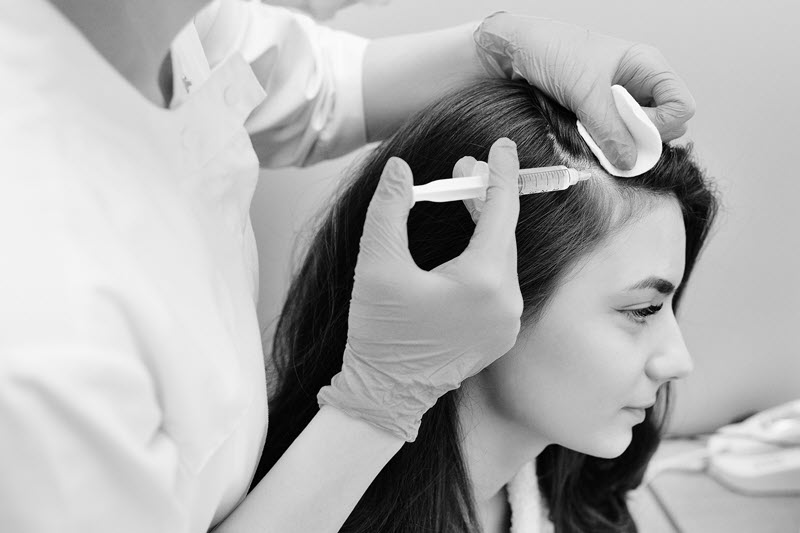
Platelet-rich plasma (PRP) treatment is a hair loss treatment that stimulates hair regrowth and improves thickness and volume after several sessions. The medical provider injects platelet rich plasma taken from the patient’s blood sample into the targeted area of the scalp. This process effectively regenerates hair follicles.
Dermatologists recommend this treatment in early stages of hair loss, no longer than five years after the first symptoms.
When Should You See a Doctor?
If persistent hair thinning worries you, get your hormone levels tested to establish if this problem is a result of a hormonal imbalance. Schedule a consultation with a medical professional to determine whether hormone deficiencies exist.
Conclusion
Success rates for hormonal hair loss treatments are reassuring. The right hair growth treatments and a suitable dietary supplement produce optimal results. Additionally, a nutrient-rich diet packed with vitamins and regular exercise boosts metabolism, improves bodily functions, and naturally balances hormones.
It is essential to consult a medical expert in this field to understand the root cause of the hair loss problem. Reach out to us at Vibrant Skin Bar for a holistic, personalized approach to hormonal hair loss problems.
About the Author:
Kristina Cadwell
PA Kristina Cadwell graduated from Arizona State University with a Bachelor of Science degree in Biology. She then completed the Physician Assistant program at A.T. Still University graduating with a Masters of Medical Science degree. Kristina has been working in the Aesthetic Medical field for over 15 years. She is certified in neurotoxin cosmetic injection, dermal fillers, laser therapy, chemical peels, and ultrasound. She is known for producing natural results and has extensive knowledge in nutrition, hormone balancing, microbiome health, diet and exercise. Her latest endeavor is the Vibrant Skincare Line, a microbiome-friendly line of skincare that works with your body. Her passion and the reason she does everything she does? Helping you achieve vibrant skin from the inside out.