Chronic stress and weight gain are more closely linked than many people realize. Elevated cortisol levels can disrupt hormones and drive excess weight. Understanding the biological mechanisms behind this connection is the first step toward regaining control.
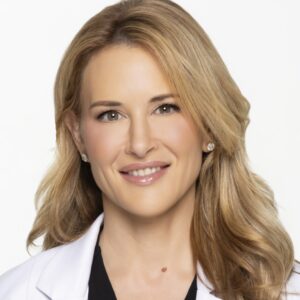
Kristina Cadwell
January 22, 2026
·
4 min read
This article explains the link between stress and weight gain, providing actionable tips to shed extra pounds.
Does Stress Affect Weight?
Daily stressors contribute to unexpected weight oscillations, hindering one’s fitness goals and worsening overall health.
Physical or psychological pressure triggers cortisol release as the body prepares for survival. It is natural for this to occur. However, a prolonged spike in cortisol levels may lead to unwanted weight gain.
Chronic stress upsets the metabolic rate in the following ways:
Cortisol disrupts insulin signaling and increases blood pressure while suppressing the immune system. Dysregulated blood sugar levels cause people to start craving unhealthy, high-calorie comfort foods (e.g., fatty, sugary, or salty snacks).
High cortisol levels slow the metabolism, increasing visceral fat storage, typically around the waist (i.e., abdominal or belly fat).
This hormonal imbalance can also lead to low testosterone production, reducing muscle mass and decreasing the calorie burn rate.
Disrupted sleep patterns mess up the function of hunger and fullness hormones (leptin and ghrelin) and create a habit of overeating.
Emotional eating develops as an unhealthy stress-coping mechanism, often leading to excess calorie intake.
Stress-induced weight gain can manifest both physically and psychologically. Symptoms vary in intensity and duration based on the individual’s stress response.
The most typical stress-related weight gain signs are the following:
Kickstarting weight loss is a daunting task for the chronically stressed. However, understanding the potential health complications and long-term consequences of weight gain caused by stress can push one to act immediately.
The most critical health risks of stress-induced weight gain are the following:
Here are some tips to reduce cortisol and minimize stress-related weight fluctuations.
Adopt a balanced diet – This includes portion control, consuming nutrient-dense food, avoiding processed foods, and having regular protein-rich meals.
Exercise regularly – Incorporate daily physical activity into your schedule, preferably light cardio, brisk walking, and strength training. Avoid physical overexertion, as it can increase cortisol levels and put your body under more pressure.
Prioritize sleep – Poor sleep quality and sleep deprivation slow the metabolism and reduce the willpower necessary to sustain healthy habits.
Create a stress-relief routine – Engage in relaxing activities that calm the nervous system, such as meditation, yoga, tai chi, deep breathing exercises, massage, reading, or prayer.
Add supplements – Nutritional supplements for stress reduction can speed up your weight loss by alleviating stress-related symptoms.
Increase vitamin intake – Hormone-balancing vitamins and vitamins for stress are effective in promoting relaxation, stabilizing the mood, and reducing built-up tension. Vitamin B and B12 are especially effective in supporting your weight loss efforts.
Medical weight loss – Join a medically supervised weight loss program for professional help, guidance, and feedback. A customized weight loss strategy with regular follow-up appointments significantly improves the odds of regaining and sustaining a healthy weight.
Stress is part and parcel of daily life. Luckily, most side effects are preventable, including unwanted weight gain. Learning how to manage stress is vital for both physical health and emotional wellbeing. Stress-coping techniques, lifestyle changes, and professional help can help you stay on track and achieve your health goals.
Contact the Vibrant Skin Bar staff for more information about the medical weight loss programs, supplements, and support services.
PA Kristina Cadwell graduated from Arizona State University with a Bachelor of Science degree in Biology. She then completed the Physician Assistant program at A.T. Still University graduating with a Masters of Medical Science degree. Kristina has been working in the Aesthetic Medical field for over 15 years. She is certified in neurotoxin cosmetic injection, dermal fillers, laser therapy, chemical peels, and ultrasound. She is known for producing natural results and has extensive knowledge in nutrition, hormone balancing, microbiome health, diet and exercise. Her latest endeavor is the Vibrant Skincare Line, a microbiome-friendly line of skincare that works with your body. Her passion and the reason she does everything she does? Helping you achieve vibrant skin from the inside out.