Cortisol and Gut Health

Chronic stress is one of the dominant factors in the development of most modern-day diseases. It induces chronically elevated cortisol levels, disrupting various bodily systems, from metabolic and endocrine function to immune and gastrointestinal health.

This article explains the link between cortisol and gut health and provides recommendations for improving both health parameters.
How Are Cortisol and Gut Health Related?

Does Cortisol Affect Your Gut?

Cortisol is a hormone that regulates various bodily functions, such as metabolism, immunity, and inflammatory response. However, it is typically associated with the stress response. When environmental, physical, and psychological stressors challenge our defense and adaptive mechanisms, the hypothalamic-pituitary-adrenal (HPA) axis increases cortisol production in an effort to protect the body. A state of continually elevated cortisol can trigger other hormonal imbalances and wreak havoc on our health, including the digestive system.

How Does Cortisol Affect Gut Health?

Chronically elevated cortisol can damage gut health in several ways.

Gut Inflammation

Stress stimulates the production of pro-inflammatory cytokines and can cause inflammation of the digestive tract. Gut inflammation hinders all gastrointestinal functions, including digestion, nutrient absorption, gut motility, and waste excretion.

Increased Intestinal Permeability (Leaky Gut)

Studies have shown that stressful situations and increased cortisol can damage the intestinal epithelial barrier, increasing intestinal permeability and allowing pathogens to enter the bloodstream. This condition is also known as leaky gut and it is followed by uncomfortable gastrointestinal symptoms, including bloating, gas, cramping, abdominal pain, diarrhea, and constipation.

Gastrointestinal Conditions

Inflammation of the GI tract and leaky gut allow toxins, pathogenic bacteria, and undigested food to enter the bloodstream, potentially causing or exacerbating chronic digestive conditions. They include irritable bowel syndrome, Crohn’s disease, ulcerative colitis, small intestinal bacterial overgrowth (SIBO), nutrient malabsorption, and more.   

Gut Microbiota Dysbiosis

The large intestine is home to millions of microorganisms (bacteria, viruses, fungi, etc.), which play a key role in digestion, metabolism, immunity, and central nervous system activity. Elevated cortisol and its damaging effects on gut health can cause a reduction in the number of beneficial bacteria, such as Lactobacillus and Bifidobacterium, and overgrowth of pathogenic microorganisms.

A disbalance in optimal microbiota levels and composition is called gut dysbiosis. Common symptoms include bloating, gas, abdominal discomfort, and irregular bowel movements. Untreated dysbiosis can lead to fatty liver disease, metabolic syndrome, food intolerance, malnutrition, and other more severe conditions.

Abdominal Weight Gain

High cortisol levels increase blood sugar and inhibit insulin production. This leads to increased appetite, sugar cravings, slower metabolism, and disrupted sleep, which can result in weight gain over time. Hormonal weight gain is characterized by fat accumulation in the abdominal region.

How to Diagnose Poor Gut Health Due to Cortisol?

There are several ways to assess whether a patient’s gut problems are associated with high cortisol and chronic stress.

How to Fix Cortisol Levels and Improve Gut Health?
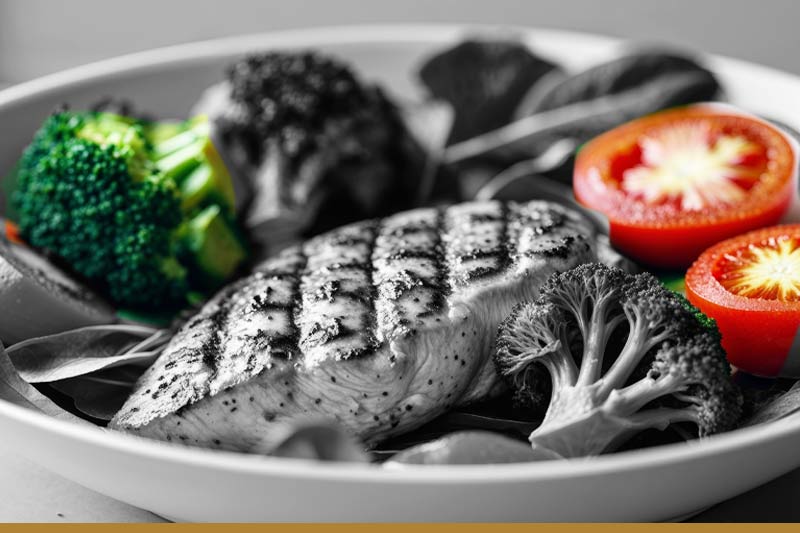
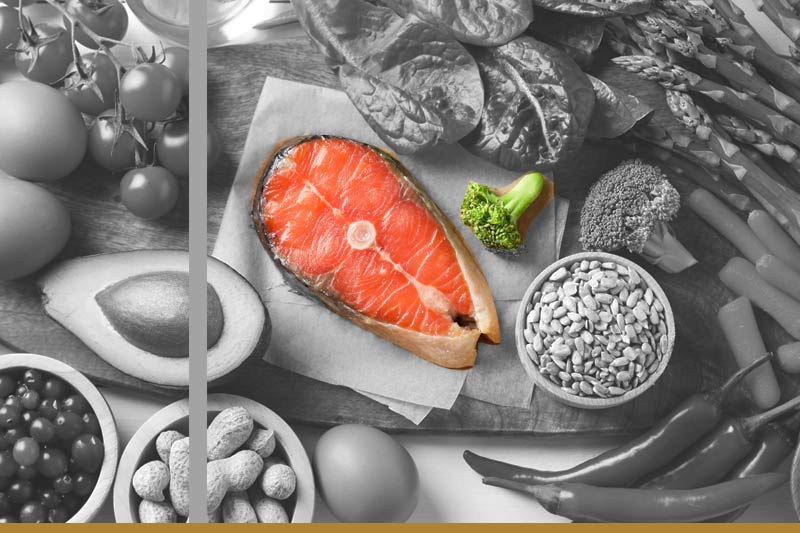
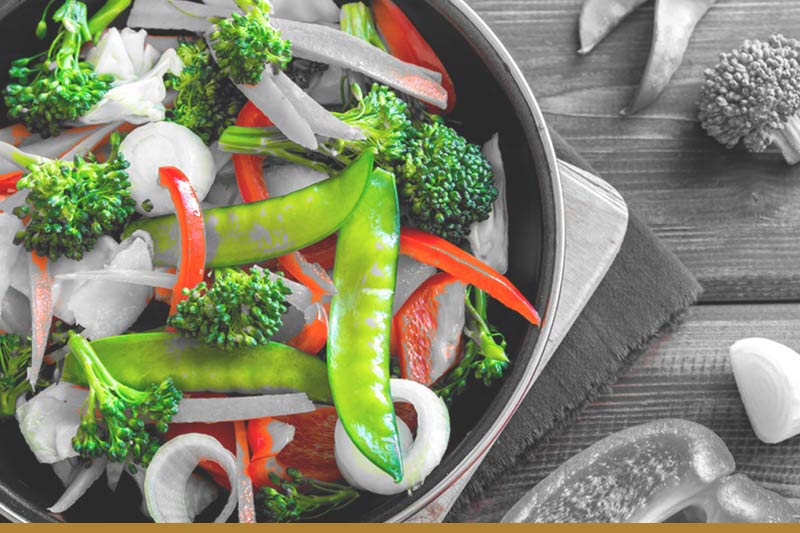
Balanced diet for improved cortisol levels and gut health

Patients can significantly improve their hormonal status and gut health by managing stress and adopting a healthier diet. Doctors recommend the following natural strategies to lower cortisol and restore a healthy gut microbiome.  

Balanced Diet

A diet is one of the most critical and direct factors in gut microbiota composition and function. Unhealthy habits, such as eating a lot of sugary and processed foods, can cause cortisol spikes, destroy beneficial bacteria, and allow pathogenic microbes to thrive.

Medical experts recommend anti-inflammatory diets, such as the Mediterranean diet, as the best solution for stress-induced inflammation and digestive concerns. These diets are based on the following foods:

Anti-inflammatory meal plans provide numerous health benefits and lower the risk of cardiovascular, neurological, gastrointestinal, and other chronic diseases.

Supplements for Stress

Supplements for stress containing adaptogenic (stress-relieving) botanicals and antioxidant vitamins and minerals can greatly contribute to stress management, if combined with other healthy lifestyle habits like a balanced diet. Well-researched ingredients known for their stress-relieving and gut-supporting effects include Ashwagandha, Rhodiola rosea, chamomile, vitamins C, B, and D, magnesium, and more.

Probiotics and Prebiotics

Probiotics and prebiotics are emerging as a powerful aid in restoring a healthy microflora and lowering inflammation. Probiotics are live microorganisms that increase the number of beneficial bacteria in our digestive tract, and prebiotics feed probiotics.

Some of the most extensively studied probiotics include Lactobacillus acidophilus, Lactobacillus plantarum, Bifidobacterium longum lysate, Saccharomyces boulardii, etc. They are present in fermented foods and probiotic supplements. Prebiotics are abundant in fruits and vegetables, including garlic, onions, bananas, oats, legumes, mushrooms, and more. Consuming probiotic and prebiotic foods and supplements can support the patient’s efforts to regulate cortisol response and promote a diverse microbiome.


Note: Learn about the differences between prebiotics, probiotics, and postbiotics and the best way to use them for digestive, mental, and skin health.


Improved Sleep

Melatonin and cortisol have a bidirectional relationship. When one is out of balance, it negatively impacts the other hormone’s levels. Disrupted sleep can also affect one’s dietary choices and contribute to gastrointestinal problems.

Prioritize a healthier sleeping routine, going to bed early and waking up at the same time. Aim for seven to nine hours of uninterrupted sleep every night. Use supplements for sleep and practice stress-relieving techniques, such as breath work and meditation, to achieve your goals.

Regular Exercise

Numerous studies provide evidence of the beneficial impact of regular exercise on our physical, mental, and emotional health. Moderate-intensity activities promote the production of feel-good hormones, helping to lower stress and balance cortisol levels. Exercise also increases the microbiome’s diversity and supports beneficial gut flora, strengthening the intestinal barrier and regulating gut motility.

Stress Management

Besides regular exercise, a nutritious diet, and other essential habits, patients can employ the following strategies to reduce stress and improve gut health.

How Long Does It Take to Heal Poor Gut Health Due to Cortisol?

It takes time to restore a hormonal homeostasis and heal digestive issues. Patients with mild symptoms feel an improvement within days or weeks of adopting healthier lifestyle habits. However, those with more severe problems need to be persistent and patient to experience significant symptom relief, which may take months.

Patients with chronic digestive disorders like irritable bowel syndrome and inflammatory bowel disease typically need medical supervision. Some may require medication and medical treatments in combination with lifestyle modifications and supplements.

Does Poor Gut Health Affect Cortisol Levels?

Poor gut health can exacerbate inflammation and stress and contribute to chronically elevated cortisol levels. An imbalanced gut microbiome may interfere with the gut-brain axis, disrupting communication between the digestive and nervous systems. This can contribute to a cascade of issues, including hormonal imbalances, impaired neurotransmitter production (such as serotonin and GABA), heightened immune responses, and the release of pro-inflammatory agents.

Conclusion 

High stress and cortisol levels can seriously impact our digestive health and lead to severe medical conditions. Restoring microbial balance through targeted nutrition, probiotics, and digestive support is essential for calming the nervous system, regulating cortisol, and supporting overall emotional and physical resilience.

IBS and Hormones: How Are They Connected?

Irritable bowel syndrome (IBS) is heavily influenced by hormonal changes. Its symptoms can worsen and overlap with menstrual, menopausal, or pregnancy-related discomfort. Understanding this connection is key to effective management.

This article explores the link between IBS and hormones and offers practical tips for symptom relief.

IBS and Hormones: How Are They Connected?

Does Hormonal Imbalance Cause IBS?

Yes, hormonal imbalance can contribute to IBS, but it is not the sole cause. Hormonal shifts can affect gut pain sensitivity, digestive enzyme production, and how quickly food moves through the intestines.

While the exact cause remains unknown, IBS is believed to result from a combination of gut-brain interactions, altered gut motility, heightened intestinal sensitivity, and potential changes in gut microbiota.


Note: Read about the connection between gut health and hormones.


What Hormones Cause IBS?

Estrogen, progesterone, and cortisol are the primary hormones linked to IBS. Their fluctuations can affect gut motility, sensitivity, and digestion, often intensifying IBS symptoms and inflammation.

Some studies show that the two sex hormones may also interfere with the gut microbiome, leading to bloating, cramping, and irregular bowel movements. Moreover, cells in the gut contain receptors that allow these hormones to bind, indicating that the digestive system is designed to respond to hormonal changes.

Estrogen

Studies suggest that estrogen and its receptors influence the progression of gastrointestinal disorders, including IBS. Low estrogen levels can trigger IBS flare-ups in the following ways:

Progesterone

Progesterone can impact digestive health and deteriorate IBS in the following manner:

Cortisol

Cortisol regulates the body's response to stress and worsens IBS symptoms if left unchecked. Chronic stress disrupts hormone and neurotransmitter balance, causing gas, bloating, and abdominal pain.

High cortisol levels can trigger colon spasms, leading to cramps and discomfort. Stress also disrupts gut bacteria, further worsening IBS symptoms and increasing the risk of gut dysbiosis.

Estrogen helps manage stress by regulating cortisol levels. When estrogen is low, cortisol increases, intensifying stress and IBS symptoms. Understanding this connection is key to managing stress-related IBS flare-ups.


Note: Read more about stress and hormones and discover seven ways to naturally lower cortisol levels.


Hormonal IBS Symptoms

Irritable bowel syndrome is a long-term condition, which means that the symptoms occur sporadically after specific triggers (e.g., food, medication, or hormonal changes). Constipation, abdominal pain, bloating, fatigue, anxiety, and depression are more common in women, whereas men are more likely to report diarrhea.

Hormonal shifts can trigger or worsen the following physical and mental IBS symptoms:

How Do Hormonal Changes Affect IBS?

Hormonal changes impact all bodily functions, including metabolism, mood, sleep patterns, and digestive health. Each hormonal shift can affect the intestines and worsen IBS symptoms.

Menstruation

During menstruation, progesterone and estrogen levels drop, and abdominal discomfort usually becomes more intense. Bleeding can be accompanied by constipation or diarrhea, stomach pain, and cramps. An IBS flare-up during menstruation is more challenging because IBS symptoms often overlap with menstrual discomfort.

These are the key factors that contribute to IBS symptoms during menstruation:

Pregnancy

High progesterone levels during pregnancy can slow motility, worsen constipation, and disrupt sphincter function, leading to heartburn and GERD (gastroesophageal reflux disease). Weight gain, abdominal pressure, and pelvic changes further impact bowel movements, especially during the third trimester.

However, for some women, IBS symptoms may improve due to high progesterone that relaxes the gut and reduces cramping. Elevated estrogen and progesterone levels may also reduce pain sensitivity and alleviate chronic pain syndromes like migraine.

Perimenopause and Menopause

Sex hormone production drastically decreases during perimenopause and menopause. The sudden drop in estrogen and progesterone levels can affect digestive health, triggering gastrointestinal issues like acid reflux, constipation, diarrhea, and IBS.

Scientists have discovered that women aged 40 and 65 often face gastrointestinal issues that stress, poor sleep, diet, and lack of physical activity exacerbate. However, more research is needed to clarify the exact relationship between menopause and IBS.

Birth Control Pill

Contraceptive pills have not been shown to cause irritable bowel syndrome or aggravate symptoms. However, they contain synthetic versions of progesterone, estrogen, or both, which can influence gut function.

The impact of hormonal contraception varies depending on the formulation and individual response. Some women may experience bloating, nausea, or changes in bowel habits due to hormonal shifts. Others may notice no digestive changes or even experience symptom relief.

Who Is Most Likely to Get Affected by Hormonal IBS?

Irritable bowel syndrome affects up to 15% of Americans, and women are twice as likely as men to develop this gastrointestinal condition.

This disparity may be due to female sex hormones (progesterone and estrogen) triggering IBS flare-ups. In contrast, the male sex hormone (testosterone) may protect against the condition, according to research.

Several factors increase the likelihood of developing hormonal IBS:

How Is Hormonal IBS Diagnosed?

Rome IV criteria, the standard diagnostic guideline for IBS, require symptoms to occur at least once a week in the last three months, with an onset at least six months earlier. Your healthcare provider will review your medical history and may ask you to track your IBS symptoms in a journal.

You may receive an IBS diagnosis if you experience:

Since IBS can be mistaken for other digestive illnesses, your healthcare provider may perform additional testing for an accurate diagnosis. These tests include a stool analysis, CT scan, colonoscopy, upper endoscopy, lactose intolerance test, and test for bacterial overgrowth.

Hormonal IBS Treatment

There are many effective IBS remedies and treatments that can calm gastrointestinal irritation triggered by hormonal shifts. A combination of medication, home remedies, supplements, and lifestyle changes help manage IBS flare-ups and relieve most symptoms.

Bear in mind that IBS is a chronic condition that requires long-term solutions and a combination of strategies to address both gastrointestinal and hormonal symptoms. Treatment may also vary based on the type of IBS you have: IBS-C (constipation), IBS-D (diarrhea), or IBS-M (a combination of both).

Dietary Adjustments

You can keep IBS under control despite hormonal imbalance with the following dietary adjustments:

Supplements

Vibrant dietary supplements

Dietary supplements support hormonal balance and digestive health by providing essential vitamins, minerals, and amino acids needed for overall wellbeing. A healthcare professional will help you find the right supplement for your specific IBS symptoms and hormonal issues.

Our health experts recommend the following:

Medication

Over-the-counter pain relievers like ibuprofen or naproxen can reduce menstrual cramps, while peppermint oil capsules can reduce bowel spasms and alleviate stomach pain.

Prescribed medication is used for severe or persistent IBS symptoms. The doctor customizes the treatment based on your hormonal levels and the type of IBS (diarrhea, constipation, or mixed).

The following medication can help relieve IBS during intense hormonal changes:

Hormone Replacement Therapy (HRT)

Hormone therapy treats hormonal deficiencies that may contribute to IBS and other digestive disorders. Under a doctor’s guidance, a patient may undergo bioidentical hormone replacement therapy (BHRT) to optimize progesterone and estrogen production or testosterone therapy (TRT) to replace testosterone.   

By stabilizing hormone levels, HRT can reduce symptoms like bloating, abdominal pain, and irregular bowel movements. It can also alleviate emotional stress and mood swings, which are common triggers for IBS flare-ups.

Stress Management

Chronic stress can disrupt hormones, cause stomach issues, and activate inflammation. It is a key trigger for IBS, making stress management an essential part of hormonal IBS treatment.

Mindfulness, deep breathing, and yoga can reduce stress and improve overall wellbeing. Regular practice of these techniques, along with progressive muscle relaxation or guided visualizations, can help manage flare-ups and alleviate pain by promoting relaxation and calming the mind.

Exercise

Exercise positively impacts hormones and improves digestion, reduces stress, and provides IBS relief. Gentle exercises like brisk walking, stretching, jogging, swimming, and aerobics support gut motility, elevate heart rate, and increase blood flow to improve nutrient absorption and eliminate waste.

Aim for at least 150 minutes of moderate, low-impact exercise per week and avoid vigorous exercise as it may not be suitable during abdominal pain and digestive discomfort.

Heat Therapy

Applying a heating pad or hot water bottle to your stomach relaxes muscle spasms and reduces pain. Heat is especially soothing for menstrual cramps, IBS-related discomfort, and bloating. It increases blood flow to the area, providing relief from cramping and tension.

Using a heating pad before bed or during a flare-up can ease discomfort and promote relaxation.

Rest

Hormonal imbalances may provoke insomnia and disrupt sleep patterns. Disrupted sleep can exacerbate IBS symptoms and intensify hormonal discomforts like menopausal night sweats or menstrual cramps.

Establish a consistent sleep routine and create a calming environment to ensure you get deep, restorative sleep. Prioritizing sleep helps regulate your body’s stress response and supports overall digestive health.

What Happens If Hormonal IBS Goes Untreated?

Hormonal IBS is complex and multifaceted and may provoke severe health conditions if left untreated. You may experience increased abdominal pain, bloating, cramps, and nutrient deficiencies that may further disrupt your hormones.

Unmanaged IBS is especially risky during pregnancy as it may lead to preterm labor, miscarriage, a prolapsed uterus due to frequent constipation and a weakened pelvic floor, and dehydration due to prolonged diarrhea.

Closely monitor stool changes, such as excessive mucus, blood, or unusual consistency. Seek immediate medical attention if you experience severe abdominal pain, fever, vomiting, nausea, sudden weight loss, or rectal bleeding.

Conclusion

Understanding the relationship between IBS and hormonal changes is crucial for effective management. While women are more commonly affected, everyone can benefit from recognizing the connection between this chronic gastrointestinal condition and hormonal fluctuations.

Consult our medical staff for expert guidance on improving gut health and restoring hormonal balance.

Acute Inflammation: Causes, Diagnosis, Treatment

Inflammation is the body’s natural defense mechanism that promotes tissue repair, eliminates pathogens, and prevents the spread of infection. Acute inflammation is a short-lived condition that helps activate the immune response to fight off harmful stimuli and minimize damage.

This article explains how acute inflammation manifests and delves into different types, symptoms, causes, and treatment methods.

Acute inflammation

What Is Acute Inflammation?

Acute inflammation is the body’s adaptive response to an immediate injury, infection, or tissue damage characterized by redness, swelling, and pain. It is the first line of defense against harmful stimuli, infectious microorganisms, and chemical irritants.

It occurs when the immune system stimulates the release of pro-inflammatory cytokines that rush to the injury site to initiate healing.

What Is the Difference Between Acute and Chronic Inflammation?

Acute inflammation is the body’s beneficial, protective mechanism that typically subsides within a few days or when the perceived threat is over.

In contrast, chronic inflammation is a prolonged inflammatory response that may last weeks, months, or even years. It occurs when the immune cells mistakenly label healthy tissue or harmless substances as a threat, often leading to long-term or autoimmune diseases, such as arthritis, heart disease, and diabetes.


Note: Learn more about the differences between acute and chronic inflammation and how to cope with their symptoms.


Types of Acute Inflammation

Acute inflammation takes different pathological forms depending on the severity of the tissue reaction, inflammatory factors, and the location of the inflammation.

Serous Inflammation

This mild type quickly subsides and is characterized by clear, serum-like fluid discharge. It affects the serous tissues (e.g., mucous membrane, outer lining, and loose connective tissue) of the lungs, heart, and organs within the abdomen.

Fibrinous Inflammation

This type involves the deposition of fibrin, an insoluble protein that creates a thick, sticky fluid. It occurs in more severe conditions and affects the lining of body cavities, such as the pericardium (the heart’s protective sac), meninges (the layer surrounding the brain and the spinal cord), and pleura (the lungs’ protective covering).

Catarrhal Inflammation

Catarrh is a build-up of mucus in the respiratory tract, typically in the nose, sinuses, or throat. Colds, sinusitis, and allergies are common triggers. Catarrhal inflammation is mild and usually clears up by itself. It is characterized by a runny or blocked nose, persistent cough, sore throat, and excess phlegm.

Purulent Inflammation

Purulent (suppurative) inflammation is characterized by the production of a creamy, pus-like fluid consisting of neutrophils, dead cells, and tissue debris. Pyogenic bacteria (e.g., staphylococci) commonly cause purulent abscesses (i.e., swollen, pus-filled lumps such as pustules) that may affect the skin, muscle tissue, or internal organs.

Hemorrhagic Inflammation

Severe infections or physical trauma may trigger this type of inflammation, characterized by blood vessel damage, bleeding within the inflamed tissue, and a profusion of erythrocytes (red blood cells) in the discharge. A traumatic injury can lead to hemorrhagic shock, which activates an acute inflammatory response that may be life-threatening.

Acute Inflammation Examples

The most common acute inflammatory health conditions are the following:

Acute Inflammation Symptoms

Acute inflammation is marked by the following five symptoms:

  1. Redness (rubor) - The area appears red due to the increased flow of blood.
  2. Swelling (tumor) - Accumulation of fluid in affected tissues, resulting in enlargement, puffiness, and tightness.
  3. Heat (calor) – Increased blood flow results in feelings of warmth or heat.
  4. Pain (dolor) – Tenderness, throbbing or burning sensations, and pain in the affected area.
  5. Loss of function (functio laesa) – Impaired or complete inability of the inflamed organ or tissue to perform normal functions.

What Causes Acute Inflammation?

Internal or external factors can trigger an acute inflammatory response.

Exogenous inducers (external stimuli) come from outside the body, such as bacteria, viruses, parasites, fungi, chemical irritants, toxins, cuts, scrapes, burns, allergens, and foreign bodies.

Endogenous inducers (internal stimuli) come from the body, such as autoimmune and allergic reactions or dead, damaged, stressed, or malfunctioning tissue.

Can Acute Inflammation Be Prevented?

Acute inflammation is a natural and necessary response of the body's immune system to injury or infection, designed to protect and heal. While it's not typically possible or advisable to prevent acute inflammation entirely, as it's a critical part of the healing process, there are ways to reduce the risk of excessive or unnecessary acute inflammation and to manage it effectively.

The following practices will help you manage acute inflammation and heal quickly:

How Is Acute Inflammation Diagnosed?

A combination of physical examination, diagnostic testing, and clinical evaluation helps to identify acute inflammation.

After discussing your medical history, recent injuries, and current medication, the doctor will perform a routine examination to look for the five symptoms of acute inflammation: redness, swelling, heat, pain, and loss of function. Depending on the symptoms' type and severity, you may have to undergo additional testing, including blood tests, allergy tests, ultrasound, CT scans, MRI, and biopsy.

Blood test results may indicate elevated inflammatory markers, such as C-reactive protein (CRP), erythrocyte sedimentation rate (ESR), and plasma viscosity (PV). Once all the results are complete, the doctor will diagnose the condition and prescribe the treatment.


Note: Read more about food allergy testing.


Is Acute Inflammation Curable?

You can manage, reverse, or cure acute inflammation, especially if you react early. Treatment focuses on addressing the underlying cause and may include rest, medication, and other medical interventions.

Seeking prompt medical attention will help prevent complications and reduce the risk of inflammation becoming chronic. Badly diagnosed or improperly treated, acute inflammation can lead to chronic inflammation, which requires long-term treatment and ongoing medical care.

How Do I Get Rid of Inflammation in My Body?

Regulating acute inflammation with balanced nutrition

Lifestyle adjustments, medical treatments, and natural remedies will help reduce inflammation, alleviate side effects, and prevent the development of low-grade inflammation.

Change Your Diet

An anti-inflammatory diet can soothe acute inflammation, calm the nervous system, and fuel the body to fight against harmful stimuli. Foods rich in antioxidants, fiber, and omega-3 fatty acids support immune function and prevent systemic inflammation.

Consume fresh, seasonal whole foods with potent anti-inflammatory qualities, such as berries, leafy greens, nuts and seeds, fatty fish, and herbs (e.g., ginger and turmeric). Avoid pro-inflammatory foods, such as processed food, red meat, trans fats, deep-fried food, refined carbohydrates, artificial sugar, and sugary beverages.

Exercise Regularly

Moderate, low-impact exercises, such as brisk walking or light aerobics, can help manage acute inflammation by promoting circulation, supporting the immune system, and regulating the activity of pro-inflammatory cytokines.

Avoid strenuous, high-intensity workouts during recovery as they may exacerbate the condition and lead to chronic inflammation or a more severe health problem. Balancing exercise and rest will help restore strength and resolve inflammation more effectively.

Get Enough Sleep

Research indicates that sleep loss triggers acute inflammation by increasing the activity of inflammatory mediators that regulate the body’s inflammatory response. Poor or insufficient sleep increases the production of pro-inflammatory cytokines, worsening overall health.

During sleep, the body is restored and the immune system is strengthened. Experts recommend between 7 to 9 hours of sleep per night for adults who wish to reduce inflammation and stay healthy.

Supplements

Dietary, antioxidant-rich supplements help to regulate inflammation and support the immune system. They contain a mixture of natural compounds that inhibit inflammatory pathways and relieve symptoms such as pain, tenderness, redness, and swelling.

The following supplements have potent anti-inflammatory properties that help reduce oxidative stress and support immunity.

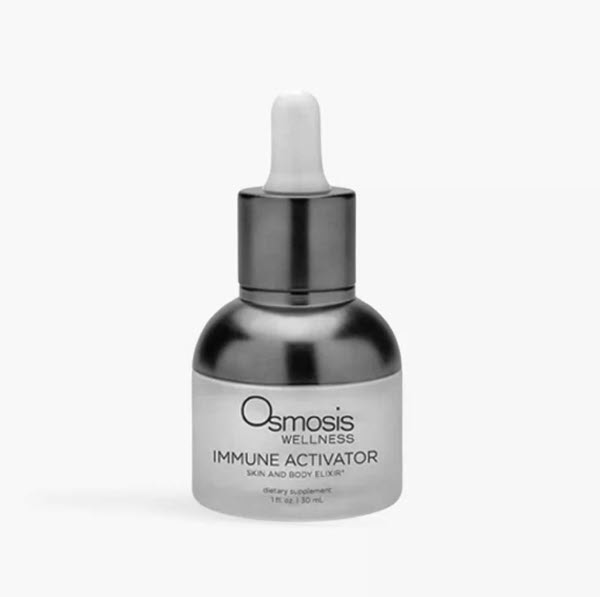
Osmosis MD Immune Activator

Osmosis Wellness Immune Activator

Osmosis MD Immune Activator features a patented, stabilized oxygen molecule that strengthens the immune system. It enhances the immune response, promotes cell repair, and helps decrease hyperpigmentation.

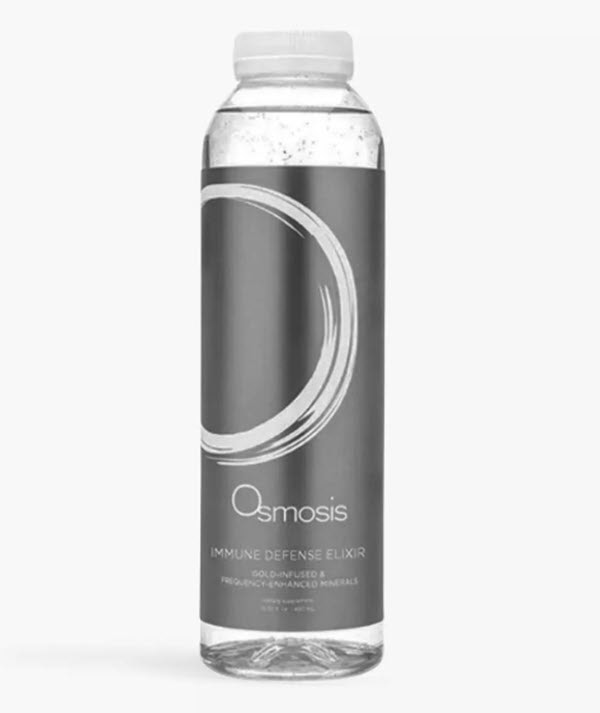
Osmosis MD Immune Defense Elixir

Osmosis Immune Defense Elixir

Osmosis MD Immune Defense Elixir boosts immunity and is an excellent ally during cold and flu season. This supplement is enriched with 24-karat gold and colloidal silver that suppress the activities of pathogens, viruses, and toxins.

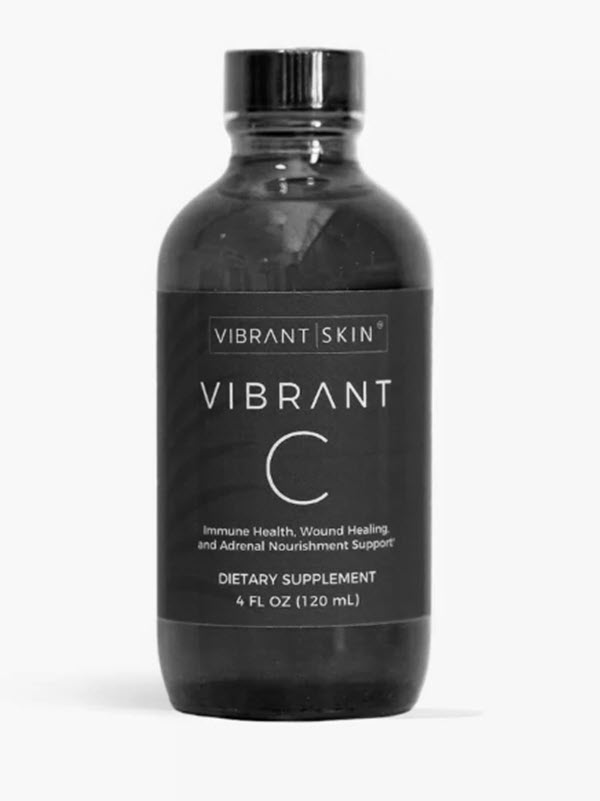
Vibrant C

Vibrant Skin Vibrant C

This immune-boosting C vitamin supplement supports adrenal health and promotes wound healing. Its unique formula contains liposomes, which bond quickly with cell membranes to enable fast delivery of their nutrient contents into cells and enhance overall bioavailability.

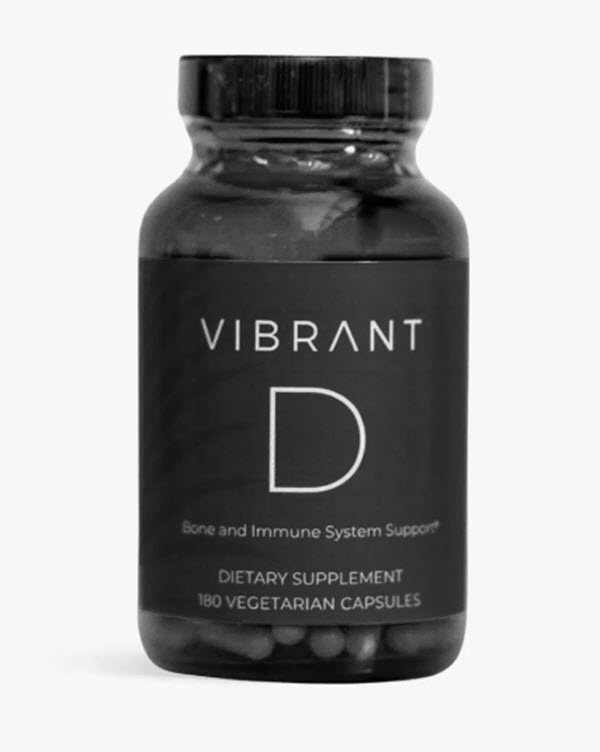
Vibrant D

Vibrant Skin Vibrant D

This vitamin D supplement promotes bone and arterial health, reducing the risk of osteoporosis, fractures, and cardiovascular diseases. It strengthens the immune system and helps to protect against infections, including respiratory illnesses like flu and colds. Vitamin D is also vital for mood regulation and helps reduce the risk of anxiety and depression.

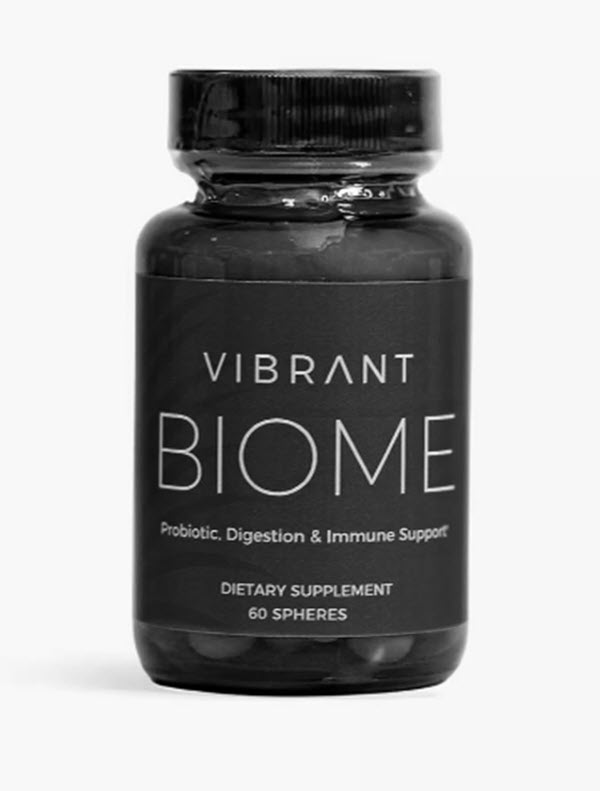
Vibrant Biome

Vibrant Biome

Vibrant Biome provides probiotics for digestion and immune support. This supplement promotes healthy gut flora and aids IG regularity, helping to reduce skin redness and inflammation.

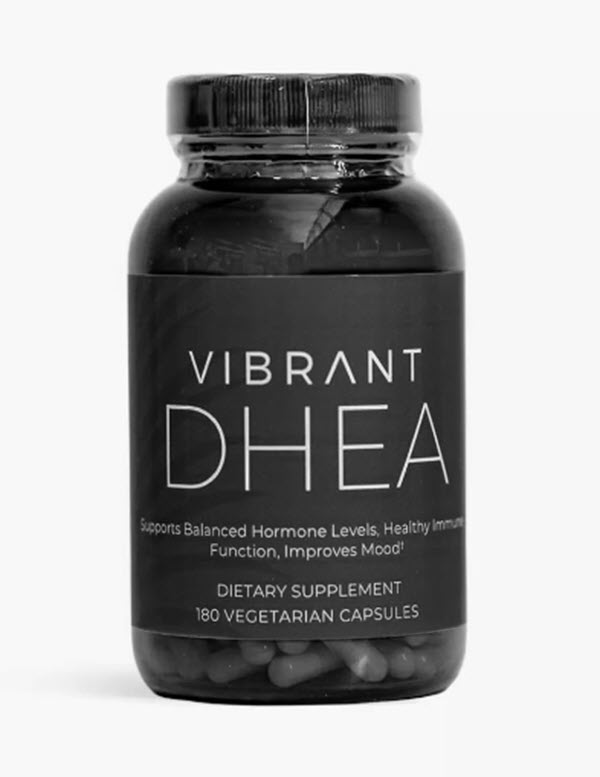
Vibrant DHEA

Vibrant DHEA

Vibrant DHEA balances hormonal activity, strengthens immune function, and improves mood to support healthy aging, sustained energy, and vitality. It regulates the stress response, supports muscle integrity, and increases fat metabolism, contributing to more strength and resilience.

*Disclaimer
These statements have not been evaluated by the Food and Drug Administration. This product is not intended to diagnose, treat, cure, or prevent any disease.

Nutritional IV Therapy

IV therapy is the intravenous administration of fluids packed with essential vitamins, minerals, and antioxidants. This treatment effectively boosts the immune system, rehydrates the body, increases energy, and replenishes the depleted nutrient reserves. It bypasses the gastric system and provides an instant supply of nutrients, enabling better absorption and faster recovery after infections, viruses, and colds.

The most effective immune-boosting IV treatments include vitamin C and vitamin D therapies.

Use an Anti-Inflammatory Skincare

Our skin is constantly exposed to various internal and environmental stressors that contribute to skin pollution and skin inflammation, leading to chronic conditions like eczema, rosacea, and acne. Due to increased oxidative stress and inadequate protection, the skin becomes dry, clogged, and prone to irritation.

An anti-inflammatory skincare regimen helps combat free radicals, strengthens the protective barrier, reduces inflammation, and alleviates symptoms, such as redness, patchiness, flakiness, and flare-ups.

Vibrant Skin Bar’s skin experts recommend their anti-inflammatory skin products:

Natural Remedies

Natural remedies have a calming effect and can ease swelling, flushing, and pain. They contain anti-inflammatory compounds that work together to reduce inflammation, relieve joint pain, improve mobility, and boost the immune system.

The following natural remedies have been found to regulate inflammation:

Avoid Alcohol and Cigarettes

Alcohol and nicotine contain chemicals that trigger and exacerbate acute inflammation by stimulating pro-inflammatory activity and stalling recovery.

Cigarette smoke contains toxins that contribute to oxidative stress and lead to tissue damage, particularly in the lung area. Alcohol consumption disrupts the GI tract’s microbiome, causing bloating, constipation, diarrhea, and IBS symptoms.

Manage Your Weight

Excess body fat, particularly visceral or hormonal belly fat, stimulates pro-inflammatory cytokines that disrupt metabolic balance, contribute to insulin resistance, and increase overall inflammation. Obesity and inflammation create a vicious cycle that makes weight loss more challenging.

Maintain a healthy weight to reduce acute and chronic inflammation and decrease the risk of conditions like heart disease, arthritis, and type 2 diabetes. Use a medical weight loss program to resolve underlying health problems and speed up the process.

Reduce Stress

Stress affects all aspects of life, impacting sleep, mood, skin quality, and overall health. Stressors can exacerbate acute inflammation and prolong recovery. Luckily, effective stress-relief methods can lower cortisol levels and alleviate symptoms.

Vitamins and supplements for stress can help relieve the tension alongside the following activities:


Note: Learn how stress and inflammation are connected and how reducing stress can alleviate the symptoms.


How Long Does Acute Inflammation Last?

Acute inflammation is a short-term condition that typically resolves within days with proper treatment and medication. Severe or persistent symptoms may continue for several weeks.

If acute inflammation lasts more than a few weeks or if it recurs, it could signal an underlying medical issue that requires medical attention.

What Are the Risks of Acute Inflammation?

Untreated or misdiagnosed acute inflammation carries the following risks and complications:

When Should I See a Doctor?

Seek immediate medical help if your health condition starts worsening and the symptoms become more severe or repeat frequently.

Schedule an appointment with your healthcare provider if you have an underlying health condition or if you experience the following symptoms:

Conclusion

Acute inflammation is an essential biological process that is designed to heal our body. It triggers the immune system to respond to immediate threats, such as pathogens, allergens, and other harmful stimuli. However, left untreated, it may worsen or develop into a chronic condition. Learning to manage and reduce inflammation on time is vital if you wish to address potential underlying medical issues and stay healthy.

Contact our Vibrant Skin Bar staff for more information about this topic.

How to Heal Leaky Gut

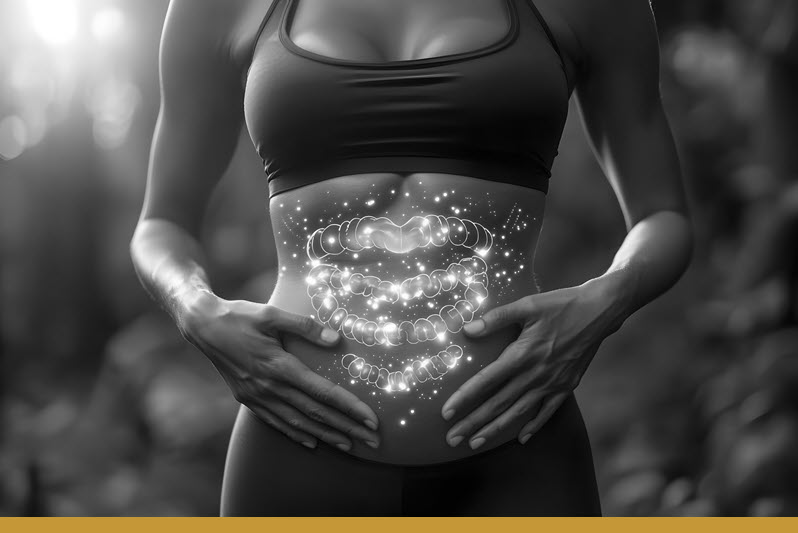
The intestinal lining is a vital part of our gastrointestinal tract and plays an essential role in digestion. It acts as a selective barrier, absorbing nutrients into the bloodstream and helping prevent harmful substances from passing through.

Factors like an unhealthy diet, stress, medications, and gastrointestinal disorders can compromise this barrier, causing toxins and other undesired molecules to “leak.” Increased intestinal permeability or a leaky gut is associated with various symptoms and inflammatory conditions.

This article explains how to improve gut health to help heal a leaky gut and reduce the risk of more severe health complications.

How to heal a leaky gut

What Is the Fastest Way to Heal a Leaky Gut?

Leaky gut is not a recognized medical condition. It is an informal term for symptoms that are associated with other digestive disorders, such as IBS, celiac disease, food intolerance, and more. The severity of leaky gut syndrome and how fast it heals depends on the underlying cause and how long it has been left untreated. Your healthcare provider may recommend specific therapy for the underlying condition, and it typically repairs the intestinal lining.

The general recommendation for leaky gut is to reduce inflammation and improve the gut microbiome through healthier nutrition and other lifestyle habits.

Improved Gut Microbiota

The gastrointestinal tract is filled with trillions of microorganisms that play a crucial role in regulating our bodily functions. A disbalance in the composition of gut microbiota, or gut dysbiosis, can trigger inflammation and disrupt the intestinal barrier function, leading to leaky gut.

There are several ways to promote a healthy microbiome and prevent or improve digestive problems. They include diet modification, taking gut-supporting supplements, careful use of medications, avoiding chemical toxins, reducing stress, and more.


Note: Learn more about the correlation between stress and inflammation.


Balanced Nutrition

Nutrition directly influences the composition of gut microbiota and intestinal permeability. A balanced diet is a common initial step in most treatments for digestive concerns. Doctors create individualized nutrition plans for patients with increased intestinal permeability depending on what caused it. Patients with celiac disease must strictly follow a gluten-free diet. Patients with IBS and food intolerances typically eliminate foods that trigger symptoms or follow a low FODMAP diet.

Anti-inflammatory diets for leaky gut are typically based on avoiding refined carbohydrates and saturated and trans fats and incorporating more foods with dietary fiber, probiotics, prebiotics, polyphenols, antioxidants, amino acids, and minerals.

In short, eliminating foods that trigger inflammation and increasing the intake of products that promote gut health may help rebuild the gut lining and decrease intestinal permeability.

Foods that improve gut flora and promote intestinal regeneration include the following:


Note: Learn more about the natural remedies and treatments that help reduce inflammation.


Dietary Fiber

Dietary fiber is a group of compounds in plant foods that our digestive tract cannot fully digest. It is fermented by beneficial bacteria such as Bifidobacterium and Lactobacillus, which produce short-chain fatty acids, inhibiting the growth of pathogens. Fiber also has anti-inflammatory properties that help protect and strengthen the intestinal lining. A diet lacking in fiber and short-chain fatty acids can increase gut permeability and allow harmful microorganisms, such as EnterococcusStaphylococcus, and Candida, to enter the bloodstream, including.

Foods rich in fiber include most fruits and vegetables, especially the following:

Glutamine

Glutamine is an amino acid produced by our bodies and found in food. It is considered crucial for gut health and the integrity of intestinal cells. Research shows it improves anti-inflammatory cytokine levels and decreases the production of pro-inflammatory mediators in the gut, enhancing the immune response.

Patients with severe gastrointestinal disorders may benefit from a combination of glutamine and probiotics. Glutamine supports intestinal barrier repair, while probiotics enhance microbiome diversity, promote the growth of beneficial bacteria like Lactobacillus, and help inhibit pathogenic microorganisms.

Good sources of glutamine include:


Note: Learn more about amino acid IV therapy and how glutamine and other amino acids can improve digestive, mental, and other bodily functions.


Polyphenols

Polyphenols are compounds present in plants that provide many health benefits, including improved nutrient absorption and digestion. They exert antioxidant effects against harmful microorganisms, reduce inflammation, and protect the GI tract from gut dysbiosis and intestinal permeability. Research has identified the following polyphenols as helpful in reducing leaky gut syndrome:

Polyphenols are found in berries, apples, green, white, and black tea, coffee, leafy greens, onions, peanuts, dark chocolate, turmeric, and more.

Probiotics and Prebiotics

Probiotics are beneficial microorganisms found in foods and supplements that help maintain the homeostasis of our gut microbiota. They are a standard aid in the treatment of leaky gut syndrome. Probiotics help regulate the production of short-chain fatty acids, improve enzyme activity, and strengthen the intestinal barrier.

Some of the most studied probiotics for gut health include Lactobacillus plantarum, L. rhamnosus, and L. acidophilus. They can be taken as dietary supplements or consumed via foods like yogurt, kefir, sauerkraut, pickles, kimchi, fermented soy products, and certain cheeses.

Prebiotics are foods that feed beneficial bacteria in our digestive tract. They are found in fiber-rich plants, including various fruits, vegetables, mushrooms, nuts, and seeds. Prebiotics modulate the inflammatory response and promote healthy microbiota. 

Dietary Supplements

Supplements for leaky gut syndrome

All the compounds found in foods that can alleviate a leaky gut and improve gastrointestinal disorders can also be taken in the form of dietary supplements. Supplements contain much higher concentrations of beneficial nutrients, accelerating their positive effects.

Apart from probiotics, prebiotics, and glutamine, gut-supporting supplements often contain vitamins A and D. Their effects on gut microbiota are indirect, but they are necessary for the intestinal barrier integrity.

Our medical professionals at Vibrant recommend the following products to improve leaky gut:

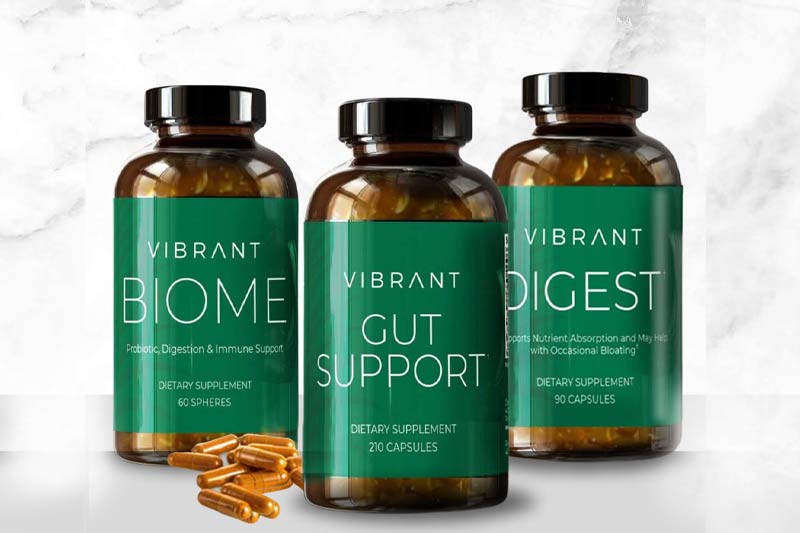
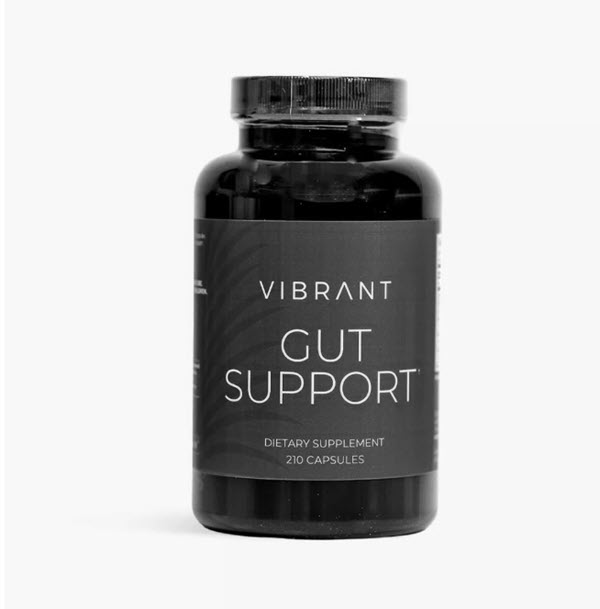
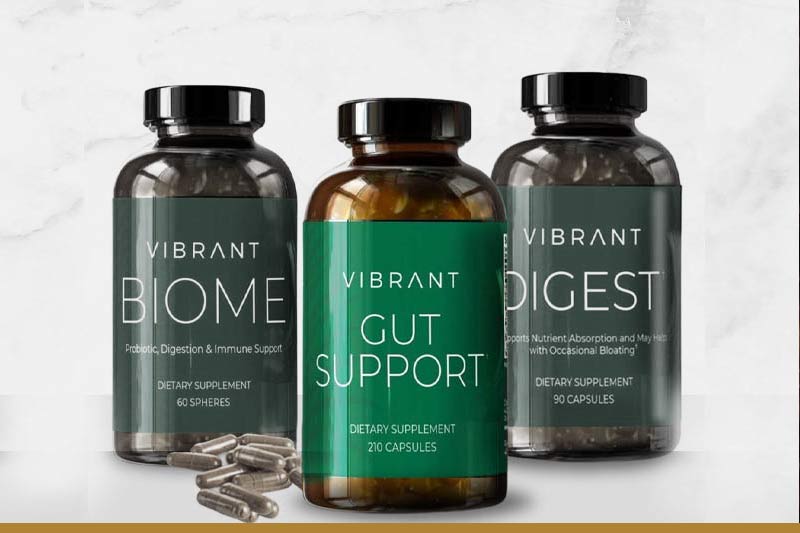
Gut Support

Gut Support is formulated with L-glutamine, zinc, aloe vera leaf, chamomile extract, quercetin, and other ingredients that provide comprehensive support for gut health. They help strengthen and protect the intestinal mucosal lining and reduce intestinal permeability.

Vibrant Digest

Vibrant Digest contains digestive enzymes like peptidase (DPPIV), amylases, pepsin, proteases, and lactase, which support the healthy digestion of macronutrients and may help with symptoms associated with leaky gut syndrome.

Vibrant Biome

Vibrant Biome contains a proprietary blend of eight potent probiotic strains, which help support healthy gut microflora and strengthen the immune system.


DISCLAIMER: These statements have not been evaluated by the Food and Drug Administration. These products are not intended to diagnose, treat, cure, or prevent any disease.


Medical Herbs

Medical plants have been used for thousands of years for health concerns, including gut-related problems. Anectodal evidence shows they aid digestion, regulate bowel movement, and reduce uncomfortable symptoms like bloating and gas. Recent research also suggests they may help with leaky gut-related disorders.

Scientists have identified the following medical herbs as potential remedies for a leaky gut:

Improved Lifestyle Habits

There are other lifestyle factors, apart from diet, that cause inflammation and, in time, wear down the intestinal lining. They include stress, alcohol and nicotine use, medication overuse, lack of sleep, environmental toxins, and more.

The following habits may help avoid inflammation and reduce harmful bacteria, preventing leaky gut and other gastrointestinal problems.

Signs Leaky Gut Is Healing

When intestinal permeability improves, symptoms associated with leaky gut gradually decrease. Signs of healing may include:

How Long Does It Take for Leaky Gut to Heal?

The healing of leaky gut takes time and depends on the patient’s resolve to follow the prescribed diet and lifestyle modifications. The process is gradual and may take anywhere from a few weeks to several months, depending on the underlying cause.

Conclusion

Leaky gut syndrome refers to gastrointestinal problems associated with increased intestinal permeability, or a dysfunctional intestinal barrier that “leaks” harmful molecules into the bloodstream. Doctors typically recommend a specific diet, gut-supporting supplements, probiotics, and various lifestyle modifications. Patients who follow the prescribed treatment experience a gradual improvement in symptoms.

Vegetarian Diet for Weight Loss

A vegetarian diet eliminates meat, fish, and poultry, emphasizing plant-based alternatives -  vegetables, fruits, legumes, grains, nuts, and seeds. It can accelerate weight loss and lower the risk of chronic conditions like heart disease, diabetes, and certain cancers. However, only a well-balanced diet that excludes processed foods can provide health benefits and promote sustainable weight loss.

This article explores how to use a vegetarian diet for weight loss and achieve effective, long-term results.

Vegetarian diet for weight loss.

Can a Vegetarian Diet Aid Weight Loss?

Research indicates that a vegetarian diet can aid in weight loss and reduce the risk of chronic diseases associated with high blood pressure or cholesterol levels. This dietary approach is a low-risk, cost-effective strategy that can increase metabolism, reduce body mass index (BMI), and help burn stubborn fat when paired with other healthy lifestyle choices (regular sleep and exercise).

However, you may find it difficult to lose weight on a vegetarian diet if you eat calorie-rich, processed food, refined carbs, and sugary snacks.


Note: Jumpstart your weight loss with these twelve effective strategies.


Types of Vegetarian Diets

Vegetarian diets range from flexible to highly restrictive, depending on individual preferences, health needs, food allergies, and taste.

Here are the main types of vegetarian diets:

Benefits of a Vegetarian Diet for Weight Loss

The benefits of vegetarianism depend on the type of food you eat and dietary patterns. A well-balanced, nutrient-rich vegetarian diet can help you reach your fitness goals and improve overall health.

These are the science-backed health and weight-loss benefits of vegetarianism:

Downsides of a Vegetarian Diet for Weight Loss

While vegetarianism may seem like an effective weight-loss strategy, it can prevent you from shedding pounds and may even increase your BMI if not approached correctly.

Here are common mistakes that can thwart your weight loss efforts:

Foods to Eat on a Vegetarian Weight Loss Diet

Watermelon as one of the foods to eat on a vegetarian diet for weight loss.

There is no magic weight-loss food that can help you slim down. The key is to balance each meal to include all macronutrients and prioritize whole, nutrient-dense foods rich in vitamins and minerals.

If your goal is to get in shape, be mindful not to exceed your daily calorie needs.

Stay on track with your fitness goals by carefully combining complex carbs, healthy fats, lean protein, and fiber-rich foods. Your diet should include the following:

Foods to Avoid on a Vegetarian Weight Loss Diet

Avoid refined carbs, sugary beverages, and highly processed food. While most plant-based diets focus on improving overall health, many foods can undermine your weight loss efforts, especially if consumed excessively or daily.

Limit or eliminate the following from your diet:

Vegetarian Meal Plan Sample for Weight Loss

Here is an example of a 7-day vegetarian meal plan to support weight loss. Keep in mind that individual calorie needs vary depending on factors such as your BMI, physical activity level, sex, age, and personal weight loss goals.

Consult a licensed nutritionist to help you adjust portion sizes to suit your energy requirements and fitness goals.

Day 1
BreakfastSnackLunchDinner
Oatmeal with almond milk, chia seeds, berries, and a spoon of peanut butter.Hummus with carrot and cucumber sticks.Roasted beet and quinoa salad with feta (or vegan cheese).Mushroom risotto with peas and a side of sautéed kale.
Day 2   
BreakfastSnackLunchDinner
Avocado toast on whole-grain bread with hemp seeds and cherry tomatoes.A handful of mixed nuts.Spaghetti squash with lentil Bolognese.Eggplant and lentil stew with quinoa.
Day 3   
BreakfastSnackLunchDinner
Greek yogurt parfait with granola and blueberries.Edamame with sea salt.Stuffed bell peppers with brown rice, beans, and salsa.Baked tofu with wild rice and steamed greens.
Day 4
BreakfastSnackLunchDinner
Scrambled eggs or tofu with spinach and whole-grain toast.A small handful of dried fruit and almonds.Veggie burger on a whole grain bun with lettuce, tomato, and avocado.Thai coconut curry with tofu and mixed vegetables.
Day 5
BreakfastSnackLunchDinner
Overnight oats with chia, pear, and almond butter.Celery sticks with hummus.Couscous salad with roasted vegetables, chickpeas, and arugula.Black bean chili with avocado and lime.
Day 6
BreakfastSnackLunchDinner
Smoothie with berries, oats, almond milk, and vegan protein.Rice cake and almond butter.Grilled portobello mushroom with hummus and veggies.Thai-inspired peanut tofu with rice noodles and veggies.
Day 7
BreakfastSnackLunchDinner
Chickpea pancakes with grated zucchini, onions, and spices.Dark chocolate square and herbal tea.Spinach and goat cheese salad with walnuts, strawberries, and balsamic vinaigrette.Vegetable stir-fry with soba noodles and sesame seeds.

Note: Compare this meal plan with another 7-day meal plan for weight loss.


Tips to Lose Weight on a Vegetarian Diet

A plant-based diet alone may not lead to weight loss but following these proven tips will help you reach your goal faster and maintain long-term results.

Here are the most effective weight-loss strategies for vegetarians:


Note: Discover 13 proven tips to start your weight loss journey.


Conclusion

A balanced vegetarian diet can do wonders for your health and fitness goals, helping you achieve your desired weight while promoting better digestive, hormonal, and mental wellbeing. However, be careful not to undermine your weight loss efforts by consuming highly processed, fatty, or sugary plant-based foods.

For best results, consult a registered dietitian who can create a personalized vegetarian meal plan tailored to your needs. Contact our team of professionals at Vibrant Skin Bar for more information.

7-Day Meal Plan for Weight Loss

Starting your weight loss journey entails making a commitment to transform your diet. With so many diverse meal plans, finding the one that resonates most can be both exciting and overwhelming. From low-carb and high-protein diets to intermittent fasting and balanced portion control, each approach carries its own benefits.

This article gives a 7-day weight loss meal plan that provides nutrition and energy while bringing you closer to your goal weight.

7 day meal plan for weight loss

What Is the Best Meal Plan Weight Loss?

The most successful meal plans for weight loss are rich in nutrients and low in refined carbs. The food you eat should also be as close as possible to its natural state, without chemical flavoring, colors, and sweeteners. Highly processed (also called ultra-processed) food is proven to be a health hazard, increasing the risk of obesity and other serious, life-threatening conditions.

Committing to a healthy diet does not mean depriving yourself of tasty food and isn’t necessarily restrictive, like fad diets typically imply. A successful meal plan will be tasty, nutritious, and varied but also provide you with more energy, better physical and mental health, and even glowing skin.

If any of the ingredients listed in this meal plan don’t agree with you or cause an allergic reaction, consult your medical provider for a suitable substitute.

Before implementing any dietary changes, consult a medical professional, who will recommend a weight loss meal plan that takes into consideration your medical history.

Meal Plan for Weight Loss: Day 1

Breakfast

Scramble ½ cup of egg whites with 1 teaspoon olive oil and some fresh herbs (basil, parsley, dill). Add ½ cup cherry tomatoes. Eat with 1 slice of wholegrain toast. Finish with ½ cup of fresh blueberries.

Morning Snack

Slice up 1 medium-sized apple and mix with 1 tablespoon peanut butter.

Lunch

Heat 2 cups of vegetable soup, such as tomato, pumpkin, or cauliflower. Slice two pieces of wholegrain baguette diagonally and top with 2 tablespoons of grated cheddar, mozzarella or other cheese. Add a pinch of pepper and toast until the cheese melts.

Afternoon Snack

2 tablespoons of hummus with 6 sliced baby carrots.

Dinner

Roast 4 ounces of salmon and 1 cup Brussels sprouts seasoned with ¼ cup olive oil for 15 to 20 minutes or until ready. Serve with ¾ cup of brown rice and 1 tablespoon of walnuts on the side.

Meal Plan for Weight Loss: Day 2

Breakfast

Mix ½ cup of oatmeal with one sliced banana. Add 1 cup of fat-free cow’s milk or unsweetened non-dairy milk and leave until the oatmeal absorbs the liquid. Top with 1 tablespoon of chopped nuts or chia seeds.

Morning Snack

Mix ½ cup ricotta cheese with ½ cup of raspberries. Sprinkle 1 tablespoon of chopped pecans on top.

Lunch

Build a sandwich on top of two slices of wholegrain bread. Use hummus, avocado slices, and your choice of fresh and roast vegetables. Fresh tomato and cucumber, roast peppers, zucchini, or eggplant are great choices.

Afternoon Snack

Cut 7 apricots in half and fill them with 7 walnut halves.

Dinner

Serve 4 oz broiled flounder or other white fish with two thin slices of lemon, 2 slices of tomato and 2 tablespoons grated parmesan cheese. Enjoy with 1 cup of couscous and 1 cup of steamed broccoli on the side.

Meal Plan for Weight Loss: Day 3

Breakfast

Prepare avocado egg toast with ½ medium avocado on 1 slice of wholegrain bread. Fry one large egg in ¼ tablespoon olive oil. Add on top of the avocado toast with a pinch of salt and pepper. Finish with 1 clementine.

Morning Snack

Mix ½ cup plain Greek yogurt with ¼ cup sliced strawberries.

Lunch

Mix lime juice, chipotle, honey, garlic, and salt in a blender. Toss cauliflower florets in the sauce. Roast the cauliflower for 20 minutes and leave to cool. Mix ½ cup of quinoa with ¼ cup of black beans and 2 tablespoons of grated hard cheese. Place the cauliflower, quinoa, and beans in a bowl and enjoy.

Afternoon Snack

Mix ½ cup low-fat cottage cheese with cubes of one piece of fruit (apple, pear, peach, etc.) or a handful of grapes.

Dinner

Grill 4 oz of chicken breast marinated in barbecue sauce. Add chopped scallions and a dash of lime juice. Serve with 2 cups of fresh spinach fried lightly with garlic and olive oil, and ½ baked sweet potato.

Meal Plan for Weight Loss: Day 4

Breakfast

Prepare a smoothie with 1 cup frozen berries, ½ banana, and 8 oz of low-fat or fat-free milk (dairy or plant). Accompany with 1 or 2 hard-boiled eggs.

Morning Snack

1 sliced cucumber with 4 tablespoons of avocado-yogurt dip.

Lunch

1 cup tomato soup and a sandwich made with 1 wholewheat pita, 3 ounces thinly sliced roast beef, 1 teaspoon horseradish, mustard, tomato, and lettuce. Serve with 2 cups raw vegetables and ¼ cup hummus on the side.

Afternoon Snack

Mix baby carrots with 2 tablespoons of guacamole.

Dinner

Grill 4 oz of shrimp covered with 1 teaspoon of olive oil and 1 teaspoon of chopped garlic. Steam one medium artichoke and add ½ cup whole wheat couscous, diced bell pepper, garbanzo beans, fresh cilantro or parsley, and honey mustard dressing on the side.

Meal Plan for Weight Loss: Day 5

Breakfast

Eat one wholegrain English muffin topped with 2 tablespoons of nut butter and 1 sliced banana. Finish with 1 wedge of cantaloupe.

Morning Snack

1 ounce of cheddar cheese and one hard-boiled egg.

Lunch

Chicken salad with lettuce and multigrain toast. Roast 4 oz of chicken breasts with ¼ cup of sliced red grapes, 1 tablespoon of almonds, ¼ cup of chopped celery, 1 tablespoon of mayonnaise, and 1 tablespoon of unsweetened Greek yogurt.


Note: Discover the benefits of eating celery for weight loss.


Afternoon Snack

½ sliced apple dipped in 1 tablespoon of peanut butter and 2 tablespoons of low-fat, low-sugar granola.

Dinner

3 ounces of broiled or grilled flank steak with one baked sweet potato. Eat with 1 cup of steamed zucchini and 1 ½ cup of berries.

Meal Plan for Weight Loss: Day 6

Breakfast

Toast 1 wholegrain frozen waffle with 2 tablespoons of nut butter. Add 1 small, sliced banana on top and sprinkle some cinnamon.

Morning Snack

1 cup plain Greek yogurt, 2 tablespoons sliced strawberries or raspberries, and 2 tablespoons slivered almonds.

Lunch

Turkey burger or veggie burger with a salad on the side made with 1 cup baby spinach, ¼ cup cherry tomatoes cut in half, ½ cup cooked lentils, 2 teaspoons grated parmesan or another hard cheese, and 1 tablespoon vinaigrette.

Afternoon Snack

1 low-fat mozzarella string cheese stick and 1 cup grapes.

Dinner

4 ounces of poached salmon with 1 ¼ cup shredded cabbage and 2 diced scallions seasoned with 1 tablespoon of rice vinegar and 1 ½ teaspoons olive oil. Serve with 1 cup of quinoa.

Meal Plan for Weight Loss: Day 7

Breakfast

Mix 1 cup of any puffed, unsweetened grain, ½ cup berries, 1 tablespoon slivered almonds, and 6 ounces of plain Greek yogurt in a bowl.

Morning Snack

Dip 2 medium carrots in 2 tablespoons of humus.

Lunch

4 ounces of sliced roasted turkey breast with tomato cucumber salad on the side. Mix 1 tomato, ¼ cup sliced cucumber, 1 teaspoon fresh chopped basil, and 1 tablespoon of a dressing of your choice. Finish with 1 medium orange.

Afternoon Snack

1 cup raspberries mixed with 1 ounce of dark chocolate.

Dinner

5 ounces grilled wild salmon with ½ cup brown or wild rice on the side. Serve with 2 cups mixed baby greens and 1 tablespoon of low-fat salad dressing. Finish with 1 sliced pear.

Conclusion

Successful weight loss is founded on a tasty, healthy, and sustainable diet regimen. Combined with lifestyle changes, physical activity, and emotional wellbeing, the results of your weight loss journey will be evident.

To design a weight loss meal plan tailored to your goals and medical history, schedule a consultation with our medical professionals at Vibrant Skin Bar.

PCOS and Gut Health: How Are They Related?

In recent years, scientists have made groundbreaking discoveries about the role of the trillions of microorganisms residing in our digestive tract. As regulators of vital bodily functions, including the immune system, they take part in the prevention and development of many diseases, including endocrine and urogenital conditions.

This article explores the possible link between PCOS (polycystic ovary syndrome) and gut health, how they affect one another, and possible treatments focusing on improving the gut microbiome.

PCOS and gut health

How Does Gut Health Affect PCOS?

Polycystic ovary syndrome, or PCOS, is a gynecological condition that affects many women in their reproductive period. One of its hallmark features is the presence of polycystic ovaries—enlarged ovaries containing multiple small, fluid-filled follicles that often fail to release eggs regularly.

PCOS also causes irregular or absent menstrual cycles, excess androgen levels (which can lead to hormonal hair loss or hirsutism), and fertility challenges. It’s frequently associated with insulin resistance, weight gain, acne, and increased long-term risks such as type 2 diabetes and cardiovascular disease.

Doctors don’t know what causes PCOS, but they recognize insulin resistance as the primary reason behind its reproductive dysfunction. Recent research has found that gut health is a significant factor in this process. An imbalance in the gut microbiota—known as dysbiosis—can contribute to insulin resistance, systemic inflammation, and hormonal disruption, all of which are closely linked to PCOS. This growing body of evidence suggests that improving gut health may play a meaningful role in managing PCOS symptoms and supporting overall metabolic and hormonal balance.

Here is a breakdown of the key drivers of PCOS.

Gut Dysbiosis

Gut dysbiosis refers to an imbalance in the composition and function of microorganisms in our digestive tract and is often marked by the overgrowth of pathogenic bacteria, fungi, or viruses. This microbial imbalance damages the intestinal barrier, interferes with key signaling pathways, and disrupts hormonal and neurotransmitter function. These effects may contribute to systemic inflammation, insulin resistance, and chronic ovarian dysfunction, which lead to the development of PCOS.

Insulin Resistance

Insulin resistance is one of the most common characteristics of PCOS, affecting approximately 70% of patients. A diet high in sugar and unhealthy fats can cause gut dysbiosis, reducing the production of beneficial short-chain fatty acids (SCFAs) normally synthesized by certain gut bacteria. SCFAs regulate glucose and lipid metabolism, and a decrease in these metabolites can reduce sensitivity to insulin.

Gut dysbiosis also damages the intestinal epithelial barrier and increases intestinal permeability, allowing pathogens to enter the bloodstream. The leakage of certain bacterial components, such as lipopolysaccharides (LPS) and branch-chain amino acids (BCAA), is linked to immune system activation. These inflammatory mediators interfere with insulin receptors and may be responsible for insulin resistance in PCOS patients.


Note: Learn how insulin resistance hinders weight loss and what treatments can help.


Chronic Inflammation

Chronic low-grade inflammation is a common feature of PCOS. Increased intestinal permeability, or leaky gut, allows harmful substances like lipopolysaccharides (LPS) – components of the outer walls of certain bacteria (e.g., Escherichia coli) – to enter the bloodstream. Once in circulation, LPS can activate the immune system and stimulate the release of pro-inflammatory cytokines, leading to systemic inflammation.

High Testosterone Levels

Gut dysbiosis may trigger systemic inflammation and excess insulin production, both of which disrupt hormone regulation. Elevated insulin levels can cause ovaries to produce more androgens and prompt the pituitary gland to release more luteinizing hormone (LH), further increasing testosterone levels. This excess of androgens interferes with the normal development of ovarian follicles, leading to irregular periods and other common PCOS symptoms.

Excess Hair Growth and Acne

Excess free testosterone in the blood may cause excess hair growth on the face and other body parts, scalp hair loss (alopecia), and hormonal acne. These symptoms are common in PCOS patients.

Obesity

Obesity in PCOS patients is closely associated with a disbalance in intestinal flora. The gut microbiome plays a crucial role in digestion, energy balance, and the regulation of appetite-related hormones, such as ghrelin and leptin. A disbalance in gut microbiota levels and diversity can contribute to overeating, increased fat accumulation, and obesity. In a vicious circle, obesity perpetuates insulin resistance and excess testosterone production, exacerbating PCOS.

Infertility

Gut dysbiosis can contribute to insulin resistance and chronic inflammation, which may cause ovarian dysfunction. These metabolic and immune disorders can also disrupt the growth and development of endometrial cells, interfering with the successful implantation of a fertilized egg and contributing to infertility commonly seen in PCOS patients.

Mood Disorders

The gut-brain axis refers to the communication network between the gut and the brain, involving neural, hormonal and immune signaling pathways - including neurotransmitters like serotonin and dopamine.

These neurotransmitters play a critical role in regulating mood, and a significant portion of their production is influenced by the gut. In fact, about 90% of serotonin is produced in the gastrointestinal tract. Gut bacteria help synthesize and modulate these neurotransmitters, making a balanced microbiome essential for emotional wellbeing.

Gut dysbiosis can reduce neurotransmitter production and signaling, contributing to mood disorders such as hormonal depression and anxiety. This link is especially important in conditions like PCOS, where hormonal imbalances and gut health issues often overlap, amplifying emotional symptoms.

Does PCOS Affect Your Gut Health?

Research shows that women with PCOS often have lower gut microbiota diversity and different microbial composition. Thus, PCOS and gut health have a bidirectional relationship.

How Does PCOS Affect Gut Health?

High androgens and insulin resistance in PCOS can affect gut motility, gut barrier function, digestion, and the environment in which gut bacteria live. This creates a vicious cycle where PCOS exacerbates hormonal imbalances and gut dysbiosis, aggravating PCOS symptoms.

Gut health issues that often occur in PCOS patients include:

How Are PCOS and Gut Health Issues Diagnosed?

Polycystic ovarian syndrome is diagnosed using the Rotterdam criteria, which include a physical examination, symptom evaluation, and lab tests that help determine if the patient’s symptoms fit the different phenotypes of the condition. According to these guidelines, a PCOS diagnosis can be made if a patient has two of the following three features: elevated androgen levels, irregular or absent ovulation, and polycystic ovaries that are not the result of another disorder.

Since the discovery of the gut microbiome’s role in metabolic and endocrine disorders, scientists are exploring new diagnostic options for PCOS. These include using the patient’s stool sample to identify bacteria as potential biomarkers of the disease. The approach is still in the experimental phase.

How to Improve Gut Health and PCOS?

Current treatments for polycystic ovary syndrome include insulin-sensitizing and lipid-lowering medications, such as metformin and atorvastatin. However, medications are not always effective. Researchers are exploring therapies that target the gut microbiome, and the results are promising.

Probiotics and Prebiotics

Probiotics and prebiotics for PCOS and improved gut health.

PCOS patients often have reduced levels of beneficial gut bacteria like Lactobacillus and Bifidobacteria and increased levels of pathogenic microorganisms like Escherichia and Shigella.

Probiotics are foods and supplements that contain beneficial bacteria, which can help restore microbial diversity, reduce inflammation, improve insulin sensitivity, and balance hormones. Foods that contain probiotics include fermented products, such as yogurt, kefir, sauerkraut, and kimchi.

Prebiotics are foods and supplements that feed beneficial microorganisms and help them outnumber pathogens. By supporting gut microbiota, they may help reduce insulin resistance, androgen levels, and menstrual irregularities.

Our medical professionals have created Vibrant supplements with probiotics, prebiotics, and other microbiome-supporting ingredients that aid in improving gut health, metabolic functions, and hormonal imbalances.

Diet Modification

PCOS patients may benefit from dietary changes that can help diversify intestinal flora and decrease uncomfortable symptoms. Recommendations include:


Note: Learn more about anti-inflammatory diets and how they can help improve gut health.


Other Lifestyle Changes

Sleep quality and stress levels can significantly impact the composition of our gut microbiota. Health experts recommend seven to nine hours of uninterrupted sleep at night and relaxing activities to support both microbial balance and healthy hormone levels.

Moderate-intensity exercise, including long walks, light cardio, and Pilates, can improve sleep patterns and lower stress. Research shows regular exercise is one of the best ways to improve overall health.

Fecal Microbiota Transplantation (FMT)

FMT is a procedure involving stool transplantation from a donor with healthy intestinal flora to a recipient with gut dysbiosis. Medical professionals currently perform the procedure only for patients with an antibiotic-resistant Clostridiodes difficile infection.

However, the medical community considers FMT a promising solution for other metabolic conditions, including obesity, insulin resistance, and polycystic ovary syndrome. Preliminary research suggests restoring microbial diversity through FMT may help improve hormonal balance and metabolic function in people with PCOS.

Conclusion

The gut microbiome is an emerging area of interest in medical research. Scientists have established a link between gut microbiota diversity and function and the occurrence of polycystic ovary syndrome, but more research is needed to develop adequate diagnostics and treatments.

In the meantime, adopting healthier lifestyle habits – such as more fiber intake, adding probiotic supplements, engaging in regular exercise, and improving sleep – may help support gut health and manage symptoms associated with PCOS.

What Is Relora? Everything You Need to Know about the Supplement

Relora is a supplement commonly used for stress relief. In the United States, the six leading causes of death have one common trigger – stress. Acute stress is necessary for life and helps us survive, learn, and grow. Small amounts of stress are necessary for survival, but daily prolonged stress can have serious consequences. If stress becomes a chronic condition, quality of life becomes reduced and the risk of becoming seriously ill increases.

There are many ways to manage long-term stress, and it usually takes a combination of efforts to improve the situation. These efforts include finding time to unwind, regular exercise, a balanced diet, and dietary supplements that address stress, such as Relora.

Continue reading to learn more about Relora, its potential benefits, and how to take it for the best results.

What is Relora

‌What Is Relora?

Relora is a patented blend of two herbal remedies – Magnolia officinalis and Phellodendron amurense. Both are extracts of tree bark that have been used for thousands of years in Chinese and Eastern medicine to relieve stress, anxiety, digestive problems, muscle tension, and more.

Relora belongs to the group of adaptogens – herbal pharmaceuticals that promote relaxation. Users consider it one of the best supplements for stress reduction.

Magnolia officinalis has two primary active ingredients: honokiol and magnolol. Phellodendron amurense contains berberine. Research has shown these ingredients support the body’s hormonal response to stress.


Note: Hormonal imbalances can develop anxiety. Read our article to find out which hormones cause this condition and how can you stop hormonal anxiety.


Benefits of Relora

Relora and its ingredients have extensive research data to back up their beneficial effects on our well-being. Some of the Relora benefits include*:


Note: Learn more about using Relora for sleep issues.


*Disclaimer
These statements have not been evaluated by the Food and Drug Administration. This product is not intended to diagnose, treat, cure, or prevent any disease.

‌Who Should Take Relora?

Relora is a natural, plant-based remedy that is safe for most people. It is particularly helpful for people with chronically elevated cortisol levels and stress-related conditions, including:


Note: If you are struggling with anxiety but hesitant to try Relora, learn more about alternative natural supplements for anxiety.


Due to its ability to prevent stress eating, Relora has also been praised by patients for its effectiveness against adrenal fatigue - a lay term for a combination of symptoms caused by chronic stress.

Consult your medical provider before taking any new supplement, especially if you have a health condition or take medications.

What Is the Best Way to Take Relora?

Relora is taken as a supplement in the form of capsules or tablets containing either pure Relora or Relora with supporting vitamins. Health experts recommend starting with one capsule twice daily, in the morning and evening, with or without meals. Some manufacturers suggest taking three tablets per day.

The best way to take Relora is to follow the instructions on the product label or your health provider’s recommendation.

Relora Dosage

Relora tablets usually contain 250-500 mg of the proprietary Relora blend. Follow your doctor’s recommendation about the suitable dosage for your condition.

‌How Long Does It Take for Relora to Work?

Patients usually take Relora for at least four weeks. Studies show a significant reduction in stress, anxiety, and sleep issues within this period.

The effects of Relora are unique to each patient. The supplement may take longer to show results with more difficult conditions.

To alleviate the symptoms of stress and improve health, patients need to combine Relora with other stress-relieving techniques, including exercise, a balanced diet, meditation, social connection, etc.

‌Side Effects of Relora

Relora is generally safe for healthy adults. If they occur, Relora side effects are mild and include:

Should Anyone Avoid Taking Relora?

The medical community hasn’t found any absolute contraindication for taking the supplement. However, it is not recommended for pregnant and lactating women because of the lack of safety data for this group. Also, consult your medical provider if you take blood clotting or psychiatric medications because Relora may interact with them.

Conclusion

Our hectic, modern world is full of challenges and stressors. It is important to identify these challenges and be proactive so that the stress caused doesn’t lead to serious disease. Taking a multi-factorial approach is always best and adding a supplement can be an easy and effective solution.

Supplementing with Relora is a great way to support our stress-relieving efforts because it effectively reduces cortisol, inhibits food cravings, and improves sleep, helping patients reach a more relaxed and positive state of mind.

What Is Gut Dysbiosis and How to Treat It?

Gut dysbiosis is a condition characterized by an imbalance of microorganisms in the digestive tract, where harmful bacteria, fungi, or viruses outnumber the beneficial ones. This disruption can lead to digestive problems, weakened immunity, and increased inflammation throughout the body. If left untreated, dysbiosis can contribute to a range of health issues, from gut discomfort to chronic conditions.

In this article, we'll explore the causes and symptoms of gut dysbiosis, and provide practical steps and treatments to restore balance to your gut microbiome.

Gut dysbiosis treatment.

What Is Gut Dysbiosis?

Dysbiosis occurs when the fine balance of healthy microorganisms in the gut is disrupted, leading to reduced diversity and an overgrowth of one type of bacteria, fungus, or virus. A healthy microbiome is made up of diverse communities of these microorganisms and balanced bacterial colonies in the gastrointestinal (GI) tract support many essential bodily functions.

Research shows that dysbiosis in the gut impacts your overall health and wellbeing, potentially contributing to mood disorders, inflammation, and an increased risk of conditions such as obesity, cancer, and autism.

Causes of Gut Dysbiosis

Diverse internal and external stimuli can trigger dysbiosis. The following factors can harm your digestive system and gut microbiota:


Note: Learn how to lower cortisol levels naturally and improve your gut health.


What Can Gut Dysbiosis Lead to?

Dysbiosis can provoke or worsen the following gastrointestinal problems:

A dysregulated gut microbiome also affects the endocrine, immune, and nervous system. The gut-brain connection is complex and bidirectional. Therefore, any digestive issue can directly impact the brain, leading to mood swings, anxiety, and depression.

How Is Gut Dysbiosis Diagnosed?

Healthcare providers use various lab tests to diagnose infections caused by dysbiosis. After identifying all the factors affecting your microbiome, the doctor will recommend a gut-strengthening treatment.

Comprehensive Stool Sampling

This test evaluates the levels and diversity of bacteria, fungi, and other microorganisms in your stool. It helps identify imbalances such as bacterial overgrowth, the presence of harmful pathogens, inflammation markers, and issues with digestive enzyme function. The test typically looks for beneficial bacteria like Lactobacillus and Bifidobacterium while assessing for potentially harmful organisms, yeast, and parasites.

Hydrogen Breath Test (HBT)

For gut dysbiosis, a breath test can sometimes reveal the types of bacteria dominating the gut. Your doctor will ask you to drink a sugar solution and exhale into a special balloon. Abnormal levels of certain gases can suggest a bacterial imbalance. HBT is commonly used to diagnose small intestinal bacterial overgrowth (SIBO).

Organic Acids Test

This urine-based test looks for organic acids, which are byproducts of microbial metabolism in the gut. Abnormally high levels of certain organic acids, like D-lactate or arabinose, can indicate an overgrowth of bacteria or yeast. The OAT test helps detect microbial imbalances that may contribute to symptoms like fatigue, brain fog, or gastrointestinal distress.

Food Sensitivity and Intolerance Test

These tests, which can involve blood or stool samples, measure immune responses (IgG or IgA antibodies) to specific foods. Food sensitivities may arise from gut dysbiosis, as an imbalanced microbiome can impair the gut barrier and immune function. These tests can help pinpoint foods that are triggering inflammatory responses, often associated with gut imbalances.

Intestinal Permeability Test

This test assesses the integrity of the gut lining by measuring how well two non-metabolizable sugars, lactulose and mannitol, are absorbed. Increased intestinal permeability, often called "leaky gut," can occur when dysbiosis damages the gut lining, allowing larger molecules to pass through and trigger immune reactions.

Blood Test

Blood tests that measure levels of inflammation markers, such as C-reactive protein (CRP), can provide indirect evidence of gut dysbiosis. Chronic gut imbalances often contribute to systemic inflammation, which can manifest in various health issues. Elevated inflammation markers in blood tests can signal that dysbiosis is causing or exacerbating inflammatory responses in the body.

Gut Dysbiosis Treatment

Dysbiosis treatment depends on the cause and the underlying medical condition that may require medication. Patients triggered by environmental factors need to modify their lifestyle to help restore balance.

The following list includes the most effective treatments for dysbiosis.

Balanced Diet

A diverse, fiber-rich diet packed with essential nutrients can strengthen your gut flora and recover microbial balance. The following dietary guidelines can help you get started:


Note: Read about 10 immune-boosting vitamins that can help you improve overall health.


Gut-Supporting Supplements

Gut-supporting supplements are specifically designed to aid digestion and encourage microbial diversity. They contain cultures of specific bacteria that keep your microbiota healthy and thriving.

Always consult a healthcare provider before trying a new supplement to ensure safety and suitability for your health concern.

Vibrant Skin Bar experts recommend the following gut-enhancing supplements:

Vibrant Redness Relief supplement

It modulates the inflammatory response to support the natural clearance of proteins, encourages lymphatic drainage, and protects against oxidative stress. It is particularly effective in treating leaky gut and seasonal allergies.

Vibrant Gut Support supplement

This gut-boosting supplement protects the gut lining for optimal permeability and integrity, preventing toxins, allergens, and microbes from entering the bloodstream and enhancing nutrient absorption.

Vibrant Omegas supplement

This dietary supplement helps support the brain, skin, and cardiovascular health. It reduces gastrointestinal inflammation and hydrates skin by supporting its lipid membrane.

Vibrant 14-Day Detox supplement

This dairy-free food powder contains nutrients, antioxidants, such as vitamins A and C, herbs, fiber, and fruit and vegetable extracts that promote detoxification and help the body expel xenobiotics, pollutants, and remnants of pharmaceutical drugs, excess hormones, and metabolic byproducts.

Osmosis Digestive Support Supplement

It contains pancreatic enzymes that help break down dairy, fats, proteins, and carbohydrates to enhance nutrient absorption and reduce toxicity for a healthier gut.

Medication

Antibiotics, antivirals, and antifungals can target infections and microbial overgrowth. Your doctor may prescribe the following medications to manage the bacteria:

While these treatments reduce harmful microorganisms, they may also impact beneficial ones. Some microbiomes recover naturally, while others may need probiotics, targeted nutrition, or fecal microbiota therapy to help restore their health and diversity.

Lifestyle Changes

Most microbiomes naturally recover from dysbiosis in the gut-promoting environment. You can speed up this recovery by making the following lifestyle adjustments:

How Long Does Gut Dysbiosis Take to Heal?

Without treatment, dysbiosis can take months to heal. However, targeted therapies, medication, and treatments can help relieve symptoms in just a few days.

The treatment’s speed and effectiveness depend on the root cause. Gut dysbiosis triggered by antibiotics may resolve faster with probiotics and dietary adjustments, whereas dysbiosis from a chronic illness may need a more comprehensive treatment plan to restore balance.

What Happens If Gut Dysbiosis Is Left Untreated?

Dysbiosis is usually mild and resolves on its own. However, it makes you more vulnerable to infections from internal and external microbes. An unhealthy gut microbiome can lead to chronic conditions and worsen the existing ones if left untreated.

The following health issues may develop if you do not treat dysbiosis:


Note: Learn practical ways to reduce inflammation and improve overall health.


Is Gut Dysbiosis Contagious?

Dysbiosis is typically not contagious. However, intestinal bacteria can be transmitted from one host to another via the fecal-oral route. Additionally, beneficial bacteria can be transferred from mother to child during birth through the vaginal–oral route and breast milk in infancy.

Conclusion

Medical intervention is not always necessary to keep microbial diversity balanced and prevent bacterial overgrowth. You can support gut flora with a healthy diet and lifestyle adjustments. However, understanding the underlying cause is critical to successful recovery and long-term health.

Consult our Vibrant Skin Bar experts for more information about gut health and recommended treatments.

Gut Health and Endometriosis: Are They Related?

Endometriosis is an inflammatory gynecological condition typically affecting women in their reproductive period. It occurs when cells similar to those covering the endometrium (lining of the uterus) grow outside of the uterus, in places where they don’t belong, such as the ovaries, bowel, and bladder.

Endometriosis can cause pain, excessive bleeding, and reduced fertility. It can also affect digestive health. Emerging evidence suggests a link between gastrointestinal and urogenital microbiota and the development of endometriosis.

This article explains how gut health and endometriosis are related and what treatments can help.

Gut health and endometriosis

Does Damaged Gut Health Cause Endometriosis?

Doctors still don’t exactly know what causes endometriosis. One hypothesis is that endometriosis develops after repeated retrograde menstrual cycles – the flowing of blood upward into the pelvis instead of out of the body – which occurs in many patients.

However, they speculate additional factors play a role in the disease development and progression, including genetic, hormonal, and metabolic. Gut dysbiosis and other gastrointestinal disorders may also contribute to endometrial tissue implantation.

How Gut Health Affects Endometriosis

The gut microbiome plays a significant role in the pathogenesis of many diseases. Patients with endometriosis exhibit chronic inflammation and bacterial overgrowth in the gut and reproductive system, suggesting gut dysbiosis may trigger this inflammatory condition.

Gut dysbiosis refers to a disrupted gut microbiome balance. A reduced number of beneficial bacteria like Lactobacillus and an increased ratio of Firmicutes and other bacteria that cause vaginosis are associated with endometriotic microbiota.

Possible mechanisms by which gut dysbiosis affects endometriosis include immune activation, chronic inflammation, and damaged estrogen metabolism.

Estrogen

Estrogen is essential in regulating the female lower genital tract, including epithelial thickness, mucus secretion, and vaginal pH. A disbalance in the gut microbiota alters the estrobolome, a collection of microorganisms that regulate circulating estrogen. Dysbiosis increases free estrogen levels in the blood, stimulating the proliferation of female genital epithelial cells and endometriosis progression.


Note: Estrogen imbalance can lead to various health concerns. Learn about what happens when estrogen levels are low and what treatments can help.


Inflammation

Gut dysbiosis is known to decrease intestinal permeability, allowing pathogens to enter the bloodstream and induce inflammation. Research shows that the inflammatory microenvironment in the genital tract is closely associated with endometriosis. The disease is marked by fluctuations in proinflammatory and anti-inflammatory cytokines and chemokines, creating a state of permanent inflammation and promoting the proliferation of endometriotic cells.

Immune Function

The digestive tract hosts the highest concentrations of immune cells, such as T cells and macrophages. The gut microbiota participates in their differentiation and protects them from pathogens. A disbalance in gut microbiota diversity leads to a dysregulation of the immune cells and weakens immune function throughout the body, including pelvic immune function. It becomes ineffective at removing abnormal endometrial tissue.

The Gut-Brain Axis

The gut microbiome stimulates gonadotropin-releasing hormone (GnRH) neurons in the hypothalamus, which help regulate the production of sex hormones, including estrogen. Gut dysbiosis may impact estrogen levels and promote estrogen-related disorders like endometriosis.

While gut dysbiosis, bacterial overgrowth, and inflammation are commonly observed in patients with endometriosis, it is still unclear whether dysbiosis triggers endometriosis or is a consequence of it.

Does Endometriosis Cause Gut Issues?

Endometriosis is associated with gastrointestinal symptoms resembling those of irritable bowel syndrome, including bloating, cramping, pain, constipation, and diarrhea. Many patients with endometriosis have an increased risk of developing IBS.

How Endometriosis Affects Gut Health

Endometriosis affects gut health in several ways.

Endometriotic Lesions

Endometriosis can cause the growth of endometriotic lesions in and around the bowel, causing abdominal pain and digestive issues like constipation, diarrhea, bloating, and gas.

Prostaglandins

Endometriosis may involve an increased number of prostaglandins – lipids with hormone-like effects. They help regulate the menstrual cycle, but excess amounts of these substances can cause intense pain and heavy bleeding and worsen the inflammatory response. This can exacerbate endometrial lesions and alter gut motility.

Excess Estrogen

Estrogen plays a crucial role in digestive health. Excess estrogen, which occurs in endometriosis, can slow down digestion and cause bloating and constipation.

Gut Health and Endometriosis Diagnosis

The medical community is currently struggling to diagnose endometriosis promptly because of its complex underlying mechanisms and atypical symptoms. Patients sometimes develop symptoms for over ten years before being diagnosed with this condition. Another problem is that the available procedures, like laparoscopy and histopathology, are limited and invasive. Doctors also use imaging technology like MRI and ultrasound, but it can fail to detect the presence of pathology.

Since scientists have discovered a link between gut health and endometriosis, they are exploring more non-invasive approaches using intestinal, fecal, and genital microbiota as diagnostic markers. Potential promising biomarkers include Escherichia coli and Shigella in fecal sampling, Ruminococcus and Pseudomonas in intestinal and peritoneal fluids, and Enterobactericaea and Streptococcus in cervical mucus.

Additional studies are needed to validate the reliability of using microbial biomarkers in the early detection of endometriosis.

How to Improve Gut Health and Endometriosis?

Supplements for gut health and endometriosis

Options for treating endometriosis currently include surgical excision of lesions, hormonal therapies, and medications like NSAIDs. However, patients report a high rate of recurring endometriosis after surgery. Hormonal therapy also carries the risk of side effects. The medical community is exploring new, microbiome-based treatments and calling for an interdisciplinary approach to managing endometriosis.

Improving gut health is emerging as a promising therapeutic approach for various diseases, including endometriosis. It can alleviate chronic inflammation present among endometriosis patients. Strategies for restoring microbiome balance include dietary interventions, probiotics, antibiotics, botanical remedies, lifestyle changes, and fecal bacteria transplantation.

Dietary Interventions

The composition of intestinal flora directly depends on our diet. Certain nutrients, such as vitamins and minerals, protect beneficial microorganisms, while refined sugars and trans fats stimulate the growth of harmful pathogens.

Research shows the following dietary schemes may help decrease the risk of developing endometriosis:


Note: Anti-inflammatory diets can help improve many medical conditions, including gut, heart, and mental health concerns.


Probiotics

Probiotics are live microorganisms in fermented foods and probiotic supplements which promote microbiota homeostasis. They are increasingly used for various disorders related to imbalanced gut microbiome, because they inhibit the growth of pathogens, protect the intestinal barrier, and enhance the immune system.

Studies show specific bacteria are particularly beneficial for endometriosis patients, including Lactobacillus gasseri, Lactobacillus acidophilusLactobacillus plantarum, and Lactobacillus fermentum.

More studies are needed to determine the best probiotics administration routes and dosage to counter dysbiosis and provide optimal long-term results.


Note: Our medical professionals have designed a special gut-supporting formula to heal compromised gut microbiome. Vibrant Biome contains carefully selected probiotic strains to increase intestinal flora diversity and support a healthy immune and digestive system.


Antibiotics

Antibiotics are an effective treatment for bacterial infections. Since many endometriosis patients exhibit increased pathogenic bacteria, such as Streptococcus bovis and Escherichia coli, doctors commonly prescribe antibiotics with probiotics.

Herbal Remedies

Botanical drugs are being explored as a gentler treatment option for endometriosis patients, providing soothing, anti-inflammatory effects with fewer side effects than conventional medications. Some of the most studied herbs and plant extracts for gut health and inflammatory-related conditions include kudzu vine, black garlic extract, resveratrol, curcumin, and catechin. More studies are needed to confirm the safety and effectiveness of botanical drugs for endometriosis management.

Lifestyle Changes

Lack of sleep, high stress, alcohol, cigarettes, and other unhealthy lifestyle choices damage the gut flora diversity and integrity. Adopting the following habits can help improve the microbiome’s composition and regulate inflammation:

Fecal Microbiota Transplantation

Fecal microbiota transplantation (FMT) is a surgical treatment for gastrointestinal, blood, metabolic, and other diseases. It is the process of transferring healthy people’s fecal bacteria into the GI tract of patients with dysbiosis. In the future, it might become a treatment option for endometriosis since a link between gut dysbiosis and endometriosis has been established.

Conclusion

Recent research on the gut microbiome explores novel treatment options for diseases that are difficult to treat, such as endometriosis. By restoring gut flora homeostasis, endometriosis patients may avoid surgery - which currently has a high recurrence rate - and reduce reliance on medications that often cause side effects.

While further studies are needed to confirm the effectiveness of gut-targeted treatments for endometriosis, adopting healthier dietary and lifestyle habits may support overall wellbeing and symptom management.