Stress and Weight Gain: How Are They Related?

Maintaining weight can be challenging for people with busy, stressful lives. Among the many negative impacts on health, chronically elevated cortisol levels can cause hormonal imbalances resulting in excess weight.

The complicated relationship between stress and weight gain involves many physiological and psychological factors. However, understanding how the biological mechanisms behind stress impact metabolism can help you gain control of your weight.

This article explains the link between stress and weight gain, providing actionable tips to shed extra pounds.

Stress and weight gain - how are they related?

Does Stress Affect Weight?

Daily stressors contribute to unexpected weight oscillations, hindering one’s fitness goals and worsening overall health.

Physical or psychological pressure triggers cortisol release as the body prepares for survival. It is natural for this to occur. However, a prolonged spike in cortisol levels may lead to unwanted weight gain.

Chronic stress upsets the metabolic rate in the following ways:


Note: Learn more about the relationship between stress and hormones.


Signs of Stress-Related Weight Gain

Stress-induced weight gain can manifest both physically and psychologically. Symptoms vary in intensity and duration based on the individual’s stress response.

The most typical stress-related weight gain signs are the following:


Note: The inability to cope with daily stress due to chronic tiredness may also be a symptom of adrenal fatigue or low testosterone fatigue.


Long-Term Risks of Stress-Induced Weight Gain

Kickstarting weight loss is a daunting task for the chronically stressed. However, understanding the potential health complications and long-term consequences of weight gain caused by stress can push one to act immediately.

The most critical health risks of stress-induced weight gain are the following:


Note: Learn more about how hormones and weight loss are connected.


How to Reduce Stress and Lose Weight

Here are some tips to reduce cortisol and minimize stress-related weight fluctuations.


Note: Read more on how to lose stress-triggered weight gain under control.


Conclusion

Stress is part and parcel of daily life. Luckily, most side effects are preventable, including unwanted weight gain. Learning how to manage stress is vital for both physical health and emotional wellbeing. Stress-coping techniques, lifestyle changes, and professional help can help you stay on track and achieve your health goals.

Contact the Vibrant Skin Bar staff for more information about the medical weight loss programs, supplements, and support services.

Next, find out how insulin affects weight loss and what you can do to preserve its function.

Vitamin B for Weight Loss: Does it Help?

B vitamins (sometimes referred to as Vitamin B complex) are essential for many biochemical processes in our bodies. This includes transforming food into energy and producing and maintaining red blood cells, which transport energy through the body.

B vitamins may relieve symptoms such as tiredness, headaches, and muscle weakness. They also help maintain a healthy metabolism at optimal levels and encourage us to lose weight by keeping our energy levels up.

This article explains the benefits of B vitamins in your diet for losing weight*, the right dosage, and the possible side effects of ingesting too much vitamin B.

Vitamin B for weight loss

Do B Vitamins Help You Lose Weight?

Vitamin B plays an essential role in losing and maintaining optimal weight. Patients often experience weight loss stagnation because of vitamin B deficiency resulting from a prolonged diet low on nutrients, excessive alcohol intake, or high stress levels.

Vitamin B speeds up your metabolism by helping the body break down fat and protein in food and transform it into energy. This gives you the strength to maintain a regular exercise regimen and helps you sleep better.

Vitamin B regulates blood sugar levels, which is especially significant for diabetic patients. In addition, it boosts good cholesterol (HDL), which decreases the risk for heart disease, heart attack, and stroke.

Vitamin B also has a positive impact on our nervous system by helping fight depression and relieving stress, two common causes of weight gain.

Best B Vitamin for Weight Loss

Vitamin B complex consists of 8 vitamins, all of which help you lose weight* by improving vital bodily functions.

*Disclaimer
These statements have not been evaluated by the Food and Drug Administration. This product is not intended to diagnose, treat, cure, or prevent any disease.

Note: Scientists speculate that vitamin B12 deficiency is directly connected to weight gain. Learn how to improve your levels of vitamin B12 for weight loss.


How to Take Vitamin B for Weight Loss?

Our bodies don’t produce vitamin B, so we have to ingest it through food, supplements, or injectables.

The following foods are valuable sources of B vitamins:

Vitamin B supplements can be purchased without a prescription and medical grade supplements are available through providers such as Vibrant Skin Bar. The usual recommended dosage of a B complex vitamin can vary among manufacturers’ individualized supplement formulas. It is important to always read the label of the supplement bottle to see which B vitamins are included and follow dosing guidelines.

Vitamin B can also be administered via IM injection or vitamin B IV therapy. This is the fastest and most effective way to administer B vitamins since it is administered directly into the bloodstream. This stops the nutrient from being dissolved in the digestive tract and losing some of its effectiveness, which happens with oral ingestion.


Note: Vitamin B alone can’t help us achieve lasting weight loss results. Learn about effective weight loss tips to combine with your vitamin B intake.


Are There Any Side Effects?

Overdosing on vitamin B is rare but can happen if you take supplements and also eat foods fortified with the vitamin. Excessive doses of B vitamins can cause the following side effects:

In most cases, however, the body absorbs the amount of vitamin B it needs while releasing the rest through urine.

Vitamin B for Weight Loss Cost

Vitamin B is an essential component of Vibrant Skin Bar’s signature IV therapy for weight loss.

The cost of vitamin B IV therapy can vary based on several factors, including the materials used, appointment length, and level of clinical oversight. Pricing can also differ depending on the formula of the IV drip, as a simple B-complex infusion is more affordable than a customized cocktail that includes additional vitamins, minerals, or antioxidants. The length of the appointment, the level of monitoring, and the reputation or location of the med spa or wellness clinic can all influence the overall price. A personalized consultation is the best way to determine the most accurate cost based on your goals and nutrient needs.

Patients with a vitamin B12 deficiency can also try vitamin B12 injections. The cost of vitamin B12 injections can vary based on several factors, including the type of B12 used. Methylcobalamin typically costs more than cyanocobalamin due to its enhanced absorption and purity. Pricing also depends on the dosage and frequency recommended for your needs, as more frequent treatments naturally increase overall cost. Additionally, provider expertise, clinic setting, and geographic location can all influence the final cost, as can whether the injections are purchased individually or as part of a treatment package.


Note: If you are hesitant to try B12 shots, whether at a clinic or at home, read our guide to vitamin B12 injection sites. The guide explains common injection sites and proper injection techniques to ensure the treatment causes minimal discomfort and works as intended.


Vibrant Skin Bar medical professionals determine the frequency of treatments for each patient individually, depending on the causes of increased weight, their goals, and the overall progress of their weight loss journey.

Conclusion

Vitamin B complex assists your body in losing weight by providing essential nutrients while boosting your energy. In contrast, vitamin B deficiency can cause weight gain alongside other problems that contribute to it, such as fatigue, muscle weakness, and slow metabolism.

Reach out to the Vibrant Skin Bar team to design a custom weight loss regime that will help you achieve your dream weight.

Next, find out how vitamin C affects weight loss efforts.

Hormones and Weight Loss: How Are They Connected?

The endocrine glands release chemical messengers called hormones that regulate metabolism, blood sugar, sleep, appetite, and other vital bodily functions.

Hormonal imbalance can negatively impact your weight, causing rapid weight gain or loss. Understanding how hormones work and what biological processes depend on their optimal functioning can help you drop excess weight and stay in shape.

This article explains how 9 different hormones contribute to weight fluctuations. Read on to discover how to restore hormonal balance and achieve optimal weight.

How are hormones and weight loss connected?

How Are Hormones and Weight Loss Connected?

Dysregulated hormonal activity can hinder weight loss efforts by disrupting the following mechanisms:


Note: Irregular hormonal levels may also trigger the accumulation of peri-abdominal or visceral fat during perimenopause and menopause. Find out how to get rid of hormonal belly fat by learning which hormones are responsible.


9 Hormones Connected to Weight Loss (or Gain)

Hormones are in a constant state of flux, interacting with one another to support essential physiological processes that sustain our health and weight. They are responsible for energy expenditure, breakdown and storage of nutrients, fat distribution, and metabolism.

The following is a list of 9 hormones that play a role in weight management.

Insulin

This hormone is produced in the pancreas. Its role is to transfer glucose (blood sugar) from food into muscles, liver, or fat cells for energy or storage purposes. It keeps the body energized, healthy, and strong by regulating blood sugar levels, facilitating optimal glucose uptake by the cells, and inhibiting unnecessary storage of fat.

Sometimes the cells become less responsive to insulin or stop responding to it altogether. This medical condition of reduced insulin sensitivity is known as insulin resistance. It causes weight gain and increases the risk of prediabetes or type 2 diabetes.

You can keep insulin levels in check with regular physical activity, a balanced diet, and enough sleep. Some patients supplement with vitamin D or turn to intermittent fasting to increase their body’s sensitivity to insulin. Your doctor might also prescribe medication such as metformin to lower your blood sugar levels.


Note: Read more about how insulin affects weight loss.


Leptin

Your white adipose tissue (body fat) secretes leptin that signals to the hypothalamus that you have eaten enough. This so-called “fullness hormone” is responsible for lowering food intake, burning calories, regulating the appetite, and maintaining optimal satiety levels.

Leptin resistance is a condition in which the brain region in charge of appetite control stops responding to leptin. This leads to overeating and rapid weight gain.

Insufficient sleep, poor diet, chronic stress, and inflammation may all contribute to leptin resistance.

You can increase leptin sensitivity by:


Note: Learn how to reduce inflammation to prevent weight fluctuations and other medical conditions, such as type 2 diabetes.


Ghrelin

When the stomach is empty, it releases a hormone called ghrelin that sends the message to the hypothalamus that it’s time to eat. This “hunger hormone” stimulates appetite and increases food intake to secure enough energy-yielding nutrients.

Both chronically elevated ghrelin levels and increased sensitivity to ghrelin can trigger high-calorie consumption that leads to excess fat storage. Additionally, overstimulation of the ghrelin receptor known as GHS-R may cause obesity and thwart attempts at weight loss.

To reduce unhealthy cravings and manage optimal ghrelin levels, make sure to:


Note: You can reduce leptin resistance and sensitivity to ghrelin with a natural appetite-regulating supplement, Vibrant Crave Control.


Cortisol

Adrenal glands secrete cortisol, the so-called “stress hormone” that initiates the “fight-or-flight” response, priming the body to tackle a potential threat. This hormone increases energy levels and heart rate in preparation for a stressful situation. Cortisol helps you maintain a healthy weight by influencing how the body metabolizes and stores fat and facilitating nutrient metabolism.

Chronically elevated cortisol levels can slow down metabolism, disrupt sleep patterns, and contribute to excess visceral fat storage and muscle breakdown. This hormonal imbalance often causes us to stress eat, overeat, and make high-calorie food choices.

You can begin your weight loss journey by optimizing cortisol levels and reversing stress-induced damage in the following ways:


Note: Find out how to lower cortisol with several natural approaches.


Estrogen

Estrogen is a sex hormone predominantly produced in the ovaries. It affects the health of bones, the brain, and the cardiovascular system in addition to regulating the female reproductive system. Both high and low estrogen levels can disrupt metabolic processes and body composition, leading to unpredictable weight shifts.

High estrogen levels are associated with obesity, typically manifesting as fat around the waist and hips. Estrogen deficiency accompanying perimenopausal and menopausal hormonal fluctuations is a major contributing factor to rapid weight gain, typically in the abdominal area.

You can reduce body mass by stabilizing estrogen activity in the following ways:


Note: Read about the effectiveness of bioidentical hormone replacement therapy (BHRT) and find out how exactly HRT aids in weight loss.


Neuropeptide Y

Neuropeptide Y (NPY) is a hormone synthesized in the brain that stimulates appetite, balances energy, and affects sleep patterns. Unlike ghrelin, which activates food-seeking behavior when the stomach is empty, NPY increases in response to stress or high blood sugar levels. Thus, it is responsible for stress eating, which often leads to putting on extra weight.

With high NPY levels, you are more likely to consume bigger portions of high-calorie food due to delayed satiety. Moreover, higher levels of this hormone reduce energy expenditure and promote abdominal fat storage. Visceral fat accumulation in the abdominal region is one of the five risk factors of metabolic syndrome, a condition that may cause diabetes, heart disease, or stroke.

Here are a few tips to keep NPY levels in check:

Glucagon-like peptide-1

Glucagon-like peptide-1 (GLP-1) is a hormone produced in the gut. It is responsible for regulating blood glucose levels and insulin response after eating. It promotes satiety by stabilizing blood sugar levels, allowing the body to feel satisfied with fewer calories.

Medical weight loss programs may include GLP-1 medication, such as semaglutide injections, to improve GLP-1 signaling in diabetic patients and combat obesity in the following ways:

You can also enhance GLP-1 properties by adding more protein and probiotics to your diet.

Cholecystokinin

Like GLP-1, cholecystokinin (CCK) is primarily secreted in the gut after a meal to signal to your brain that you are full.

It aids digestion by stimulating digestive enzymes that help break down the food you eat, promote protein synthesis, and activate energy production. It also helps with the absorption of fats by stimulating gall bladder emptying.

This satiety hormone helps you maintain a healthy weight by slowing gastric emptying and prolonging the feeling of fullness after a meal.

Obesity can reduce sensitivity to CCK levels, leading to overeating. You can increase sensitivity to CCK and inhibit further food intake with a high-protein diet and regular exercise.

Peptide YY

Peptide YY (PYY) is another gut hormone essential for regulating appetite and curbing cravings. This fullness hormone reduces food consumption and energy intake, and controls appetite by slowing down the emptying of the stomach. It aids digestion and increases the efficiency of nutrient absorption to help you manage weight.

Overweight people may have lower PYY levels and are more likely to overeat and gain extra pounds. You can maintain optimal peptide YY activity with a paleo diet and moderate physical activities.


Note: Learn more about the connection between gut health and hormones.


How to Balance Hormones Affecting Weight

You can reverse hormonal imbalances, lower your BMI, and maintain healthy weight without resorting to hormonal medication or treatments.  

Exercise

Regular physical activity supports weight loss efforts by improving cardiovascular health, aiding digestion, increasing energy levels, and enhancing muscle strength. Moreover, exercising reduces the risk of obesity-triggered chronic conditions, such as type 2 diabetes or hypertension.

You can restore hormonal balance and increase overall fitness with the following activities:

Always consult a licensed workout coach or a healthcare professional before committing to a weight loss exercise plan. They will help you prevent any injuries and customize a workout strategy tailored to your unique fitness goals.


Note: Check out these 19 practical weight loss tips for faster results.


Nutrition

Your medical provider will recommend dietary changes depending on your current hormonal status and other health parameters. Here is a list of dietary recommendations for weight loss and management based on separate weight-affecting hormones:

InsulinConsume non-starchy vegetables and insoluble fiber such as psyllium husk and soaked chia seeds to stabilize insulin.
LeptinAvoid processed food and include protein in every meal, such as fish, meat, chicken, and turkey.
CortisolEat magnesium-rich food, such as avocados, bananas, broccoli, and dark chocolate.
EstrogenChoose foods rich in phytoestrogens, including flax seeds, soybeans, edamame, dried fruits, sesame seeds, garlic, peaches, tofu, and tempeh.
GhrelinEating high-protein food and complex carbohydrates may lower ghrelin levels.
Neuropeptide YCut down on sugar and adopt a low-fat diet to optimize NPY activity.
Glucagon-like peptide-1Consume high-protein food, probiotics, and herbal-based ingredients, such as berberine, curcumin, cinnamon, and resveratrol.
CholecystokininChoose complete proteins (e.g., eggs, poultry, fish) packed with all nine essential amino acids to stimulate CCK release.
Peptide YYAdopt a paleo diet packed with plant-rich foods, nuts, seeds, and lean protein to regulate your satiety response and PYY levels.

Note: You can enhance your dietary weight-loss results with these 14 weight loss products.


Sleep

You can rebalance your hormones to maintain a healthy weight by taking regular breaks, power napping, and getting 7-8 hours of deep, restorative sleep at night. Sleep-enhancing supplements, such as Relora or Osmosis MD Relax & Unwind Elixir, can help you beat hormonal insomnia and get enough rest.

Sleep deprivation disrupts metabolic processes, increases cortisol production, and triggers emotional overeating by suppressing appetite-control hormones. Quality sleep promotes physical performance, increases energy levels, and makes exercising more appealing to help you stay in shape.

Reduce Stress

Stress-relieving activities support your weight management efforts by optimizing cortisol levels and keeping hormonal activities in check. Choose an activity that makes you feel calm, centered, and relaxed. Try out some of the following:

Review Your Medication

Some medications, such as birth control pills and steroids, may disrupt hormone receptors and contribute to weight gain.

If you experience other hormone-related health problems, such as anxiety, hair loss, acne or sweating, talk to your medical provider about the medication you are currently using.

Conclusion

Hormones can interfere with your weight loss plans by impacting fat storage, digestion, metabolism, and appetite. An optimal diet, sleep, and exercise can help you restore hormonal balance, regain health and overall fitness.

If none of the lifestyle changes help, consider alternative treatments that Vibrant Skin Bar offers, including medically supervised weight loss programs, female bioidentical hormone replacement therapy (BHRT) and male hormone replacement therapy (HRT) tailored to your needs.

Contact our staff for more information about all weight loss options.

Best Appetite Suppressants to Manage Cravings

Unlike hunger, which is a basic physiological state, food cravings usually result from more complex psychological, mental, or hormonal factors. They often involve the need for indulgent (sugary or fatty) foods and carry the risk of becoming unhealthy eating habits.

With the worldwide increase in overweight and obesity, people look for solutions to manage food cravings. This article rounds up the best appetite suppressants among natural products, explaining their ingredients and how they work.

Best appetite suppressants to manage cravings.

What Are the Best Appetite Suppressants?

The best appetite suppressants contain non-toxic, naturally sourced ingredients that reduce appetite, increase satiety, or improve calorie burning. They also positively affect the hormones that aid weight loss. These natural supplements cause fewer side effects than medications and often provide additional health benefits.

Vibrant Crave Control

Vibrant Crave Control by Vibrant Skin is a dietary supplement containing the essential amino acid L-phenylalanine, proven to support normal gut hormone levels and reduce food intake. It also stimulates insulin release, lowering glucose levels and aiding in diabetes type 2 management.

The supplement is safe for healthy people, including children.

Take three capsules daily between meals or as your medical provider advises.

Vibrant Crave Control | $28.50

Vibrant Skinny Spray

Vibrant Skinny Spray by Vibrant Skin is a proprietary blend of fat-burning ingredients, including acetyl L-carnitine and methylcobalamin B12.

Acetyl L-carnitine is a form of L-carnitine, a vitamin-like chemical that turns fat into energy. Methylcobalamin B12, a form of vitamin B12, helps to raise energy and increase endurance during a workout.

The supplement also contains potent vitamins, amino acids, and lipotropics to further increase energy levels and help preserve lean body mass. The ingredients in Vibrant Skinny Spray improve metabolism and provide energy for increased physical activity, aiding weight loss and indirectly helping manage cravings.

The supplement is safe for most healthy people, including children. In rare cases, it may cause mild gastrointestinal issues, such as upset stomach, nausea, and vomiting.

Spray the supplement into your mouth six times daily.

Vibrant Skinny Spray | $58


Note: Find out how amino acids for weight loss work.


Relora

Relora is a unique blend of two tree bark extracts: Magnolia officinalis and Phellodendron amurense. These plants have a long history of relieving various stress-related issues, including digestive problems, sleep deficiency, and emotional eating. A study that followed women who succumbed to food cravings due to stress showed Relora helped them control their appetite and maintain their weight.

Take two capsules daily with or without meals.

Other Natural Appetite Suppressants

The following foods, plants, and herbs are some of the best natural appetite suppressants. Look for these ingredients in pharmaceutical products for appetite and weight management, or incorporate them into your diet to support your weight loss efforts.

1. Fenugreek

Fenugreek is a clover-like herb with a long history of traditional medicinal use. It is also a common ingredient in spices, foods, beverages, and cosmetic products.

Studies on obese patients suggest it can also lower blood sugar, control appetite, and reduce weight. A fenugreek seed is about 50% fiber – much higher than in most medicinal herbs. The high fiber content provides an increased feeling of fullness and may lower the absorption of glucose and cholesterol in the digestive tract.

Fenugreek is typically consumed as a tea or taken as a dietary supplement.

2. Almonds

Almonds are rich in healthy fats and are part of many doctor-recommended diets as evidence shows they effectively reduce appetite. These beneficial properties can be attributed to several factors:

It is easy to incorporate almonds into your diet. Chop some up and add them to your morning oatmeal, take a handful of raw, whole nuts as a mid-morning snack, or add some almond slivers to your salad for an appetizing crunch.

3. Glucomannan

Glucomannan is a natural fiber supplement extracted from elephant yam. This plant extract has a high liquid-absorbing quality due to its elevated fiber content. Because of this, glucomannan provides an extended feeling of fullness. It is popularly used for weight loss, with some clinical evidence suggesting its effectiveness.  

For the best results, take it three times daily with plenty of water one hour before meals.

4. Ginger

Ginger is popularly used as a tea to promote weight loss. Scientific studies give mixed results about its effectiveness for weight management but have detected the root’s appetite-modulating effects.

Ginger supplements are more effective at suppressing appetite than ginger tea because the capsules contain a higher dosage. Both consumption methods may provide other health benefits, including lower blood and cholesterol levels and increased anti-inflammatory effects.

5. Gymnema Sylvestre

Gymnema sylvestre seems to be the perfect solution for people with a sweet tooth. Clinical trials suggest the acids in this plant selectively target sweet taste buds without affecting other tastes. Consequently, a patient’s perception of a pleasurable sensation from high-sugar food decreases after consuming products with gymnema.

6. Oatmeal

Oatmeal is another popular food for weight loss, which many health experts include it in their nutrition plans. Oats are high in fiber and also contain other beneficial substances, including proteins, vitamins, minerals, and antioxidants. β-glucan, the soluble fiber present in oats, makes the meal viscous and increases the feeling of fullness.

For a healthy, sustaining breakfast, combine oatmeal with healthy fats from nuts, other proteins (e.g., Greek yogurt), and fresh or dried fruits.

7. Lentils

Lentils belong to the food group called legumes. They are rich in protein and fiber, leaving you full for a long period. Early evidence suggests lentils also support beneficial gut bacteria, improve digestive issues, lower blood and cholesterol levels, and improve energy. These properties may cumulatively improve various health factors, including appetite control.

8. Flaxseeds

The data is inconclusive about the effects of flaxseeds on weight management, but anecdotal evidence and some studies suggest their consumption leads to reduced appetite. Flaxseeds are packed with fiber, promoting the feeling of satiety, and they may help lower levels of the hunger hormone ghrelin.

Their nutritional profile, which includes thiamine (vitamin B1), copper, magnesium, calcium, and phosphorus, makes flaxseeds a healthy addition to daily meals and promotes overall wellbeing.

Health experts recommend adding a tablespoon of flaxseeds to oatmeal and homemade bread or consuming them with yogurt as a healthy snack.


Note: Find out how magnesium for weight loss works and how much should you take for the best results.


9. Avocado

Nutritionists refer to avocado as a superfood because it has a high healthy fat content and many vitamins, minerals, and antioxidants. Raw avocados are beneficial in weight-loss diets (in salads, spreads, and shakes) because the fats they contain help curb cravings. A recent study revealed that people who added avocado to their meals felt a reduced desire to eat within the next six hours.

10. Griffonia Simplicifolia

Griffonia simplicifolia is a plant containing the chemical 5-hydroxytryptophan (5-HTP), which exhibits potent medicinal properties. The plant has been used to treat various health issues, from depression and anxiety to excess weight.

5-HTP increases levels of the feel-good hormone serotonin, which may help improve the psychological factors behind food cravings and emotional eating. A small study observing 20 overweight women found that supplements with griffonia increased their feeling of satiety, helping them to decrease their body mass index.

11. Caralluma Fimbriata

Caralluma fimbriata is an edible cactus plant traditionally used to reduce hunger and increase energy levels. Today, it is used as a dietary supplement for weight loss, though its appetite-reducing mechanisms are not fully understood. Scientists suspect the plant helps downregulate the synthesis of the hunger hormone ghrelin.

The recommended dosage of the caralluma fimbriata extract is 500 mg twice a day for up to 12 weeks.

12. Apples

Apples provide many health benefits, adding truth to the famous saying: “An apple a day keeps the doctor away.” Research now suggests apples may be some of the best natural appetite suppressants due to their high pectin (fiber) content. Pectin is shown to promote satiety and decrease body fat.

13. Coffee

Coffee is many people’s favorite morning beverage and, in many cases, it replaces their breakfast. Anecdotal evidence suggests the main ingredient, caffeine, promotes satiety and reduces cravings, but scientific data doesn’t confirm this.

If you notice coffee has positive effects on your eating patterns and weight management, don’t break your drinking habits. However, caffeine causes anxiety at high doses, so be careful not to overdo it.

14. Green Tea

Green tea and water are usually the only two beverages allowed in medical weight-loss programs. Nutritionists recommend green tea as an aid in reducing pounds because of its unique combination of energy-increasing, fat-burning catechins (antioxidants) and caffeine. Though research is scarce, data suggests tea catechins, especially EGCG, may also modulate food intake.

15. Eggs

Eggs are another superfood because of their nutrient-dense profile. Eggs are considered a complete protein source because they contain all the essential amino acids. They also contain omega-3 fatty acids, vitamin D, folate, vitamins B2, B5, B9, B12, selenium, iron, iodine, etc. Because of their rich nutritional content, eggs can prolong satiety and reduce cravings until the next meal.

16. Conjugated Linoleic Acid

Conjugated linoleic acid is a type of fat naturally found in beef and dairy and used as a supplement to reduce high blood sugar, lower food intake, and decrease body fat.

CLA may cause mild side effects, such as an upset stomach, and can have moderate interactions with blood pressure and blood sugar medications. If you plan on using CLA supplements, first consult your healthcare provider.

17. Sweet Potatoes

Nutritionists recommend replacing regular with sweet potatoes, especially for overweight and insulin-resistant patients. This is because sweet potatoes have a lower glycemic index and contain vitamins and minerals which assist in food metabolism. They are also rich in dietary fiber, helping to promote satiety.

18. Garcinia Cambogia

Garcinia cambogia is a type of fruit rich in hydroxycitric acid (HCA), proven to reduce food intake in animal studies. Human trials show the garcinia cambogia supplement significantly reduces body weight, body mass index, fat mass, and waist circumference. Researchers hypothesize that HCA blocks enzymes that store fat and increase serotonin, which may explain its appetite-suppressing potential.

Consult your medical provider before starting a new supplement regime with garcinia cambogia.

19. Yerba Mate

Yerba mate is an herbal tea popularly used to enhance the metabolism, reduce cravings, and assist with weight loss. A study observed women who took yerba two hours before exercise, concluding that the supplement reduced the desire to eat and improved focus, energy, and mood. These effects may be attributed to stimulants in the herb – caffeine, theobromine, and theophylline.

Moderate amounts of yerba mate tea (e.g., one cup daily) are safe up to 12 weeks. Yerba mate can also be used as a supplement. Consult your medical provider on the best way to consume it to ensure it doesn’t interact with your medications.

20. Wasabi

Wasabi is a spicy root vegetable traditionally used in Japanese cuisine. Researchers call it a natural appetite suppressant and attribute this effect to wasabi’s pungent taste. They noticed that the plant activates receptors that may have a modulatory effect on ghrelin and glucagon-like peptide-1, a hormone causing reduced appetite. The findings suggest wasabi is a promising aid in treating metabolic issues, but human studies need to confirm this.

Add wasabi to your salads, soups, and vegetables to enjoy its hunger-reducing effects (and spicy flavor!)

21. Tofu

Tofu is a protein-rich food made from soy milk and is favored among vegetarians as a protein source. Its main appetite-reducing ingredient is genistein (isoflavone). Genistein is shown to curb cravings by regulating leptin, the hormone that regulates appetite and energy metabolism.

Incorporate raw, blended, cooked, fried, or grilled tofu into your meals for a sustaining and healthy protein.

22. Dark Chocolate

Chocolate is one of those foods we often indulge in when we have cravings, but there’s a difference between milk and dark chocolate. While milk chocolate is high in sugar and causes spikes in blood sugar levels, research shows that dark chocolate with a high cocoa content (over 70%) has the opposite effects. Because of its bitterness, dark chocolate naturally reduces appetite, like wasabi. Also, stearic acid in cocoa butter is a type of fat that may increase satiety.

To reap the healthful benefits of dark chocolate, eat it in moderation (up to 2 oz. daily).

Conclusion

Many people battle food cravings and weight gain. Health experts maintain that the only sustainable solution to these issues involves a healthy diet and exercise, with or without additional aids (medication, cosmetic treatments, medical weight loss programs, etc.).

Hopefully, our list of the best appetite suppressants will help you change your habits and reduce food intake caused by stress, hormonal imbalances, and other common factors.


DISCLAIMER:

This article is not intended to give medical advice. It is important to always consult with your healthcare provider before starting a new supplements regimen or implementing dietary changes. These statements have not been evaluated by the Food and Drug Administration and these products are not intended to diagnose, treat, cure, or prevent any disease.

Best Medical Weight Loss Programs

Losing weight sounds easy in theory: eating fewer calories than you expend. But that is much harder in practice, as millions of overweight people know. Many struggle to lose weight through popular diets and different exercise plans, but they usually experience a yo-yo effect. They lose weight only to gain it back as soon as they slip from their disciplined eating and workout regimes.

The problem with popular diets is that most are designed as one-size-fits-all solutions. Each person has a unique metabolic rate, hormonal activity, physiological needs, and possibly a set of psychological reasons for clinging to food. Medical weight loss programs address all these elements and that is why they have a higher success rate than conventional diets.

The following article explains what medical weight loss programs are and how they work, and recommends 16 best medical weight loss programs out there.

Best medical weight loss programs

What Is a Medical Weight Loss Program?

A medical weight loss program is a personalized, medically supervised approach to losing weight. It involves a team of medical professionals who work together to create a comprehensive weight loss plan for each patient. The plan includes some or all of the following:

Though most people wish to lose weight for aesthetic reasons, the main problem with carrying extra pounds is medical. Excess weight can cause serious health issues, including cardiovascular disease, the leading cause of death worldwide. That’s why medical weight loss programs employ a team of healthcare professionals, who address both the symptoms and the effects of excessive calorie consumption.

16 Best Medical Weight Loss Programs in the USA

Some of the USA’s best medical weight loss programs are offered at state universities and hospital networks. There are also reputable private clinics whose in-house medical experts apply knowledge from research institutions and universities to provide patients with carefully designed and highly customized weight loss solutions.

We picked the 16 top weight loss programs around the country, which you can choose from depending on your location.

1) Cleveland Clinic Weight Management Programs

The Cleveland Clinic offers several weight management programs to help patients treat obesity and maintain optimal weight. They employ a team of medical professionals - physicians, dietitians, counselors, and nurses - to assess your medical condition and weight issues and design a customized plan for their patients.

They provide both surgical and non-surgical weight management solutions. The non-surgical program includes a personalized diet plan, individualized exercise programs, appetite suppressants, and counseling with psychologists, who address the patient’s eating disorders, addictions, and potential depression.

Patients with over 100 pounds of extra weight can become candidates for weight loss surgery.

2) NCH Healthcare System Medical Weight Loss Program

The NCH Healthcare System is part of the Mayo Clinic Care Network. Their Medical Weight Loss Program is a comprehensive solution for weight issues and related health problems, such as diabetes, high blood pressure, and sleep apnea. Their team consists of medical specialists in different fields, who create a safe, customized treatment plan for each patient.

Candidates for the NCH Healthcare System weight loss program are typically obese patients with a BMI of over 30. Still, anyone with an eating disorder and weight management issues can seek professional help to learn how to implement healthy eating habits and lower the risk of life-threatening disease.

3) NYU Langone Weight Management Program

NYU’s Langone Weight Management Program is one of the country’s best weight loss facilities. Some of the tools they use to help patients include:

They create customized weight loss plans for each patient’s needs and goals. The team monitors and manages the patient’s medical conditions during their weight loss journey to optimize their overall health.

4) Vibrant Skin Bar Medical Weight Loss

Vibrant Skin Bar is a Phoenix-based weight loss center whose experienced medical staff incorporates best practices from top research centers to help patients reach their weight goals.

Recognizing that a successful weight loss strategy requires an individualized approach, the VSB team carefully assesses each patient’s weight-related aesthetic and medical concerns to design a personalized treatment.

Depending on the patient’s unique weight gain factors, food sensitivities, and medical history, the VSB weight loss program may include:

Once the patient loses extra pounds and wants to address stubborn pockets of fat, the Vibrant Skin Bar team provides CoolSculpting and CoolTone sessions to sculpt and tone the patient’s body.


Note: Contact our team and get your personalized weight loss treatment.


5) Stanford Health Care Medical Weight Loss Program

The medical weight loss program at Stanford Health Care is offered at their Bariatric and Metabolic Interdisciplinary Clinic (BMI Clinic). Their team of experts tailors a specific plan for each patient based on their individual needs. This plan includes:

The best candidates for the Stanford Health Care weight loss program are obese patients with a BMI of over 30 or patients with weight-related issues, such as high blood pressure, type 2 diabetes, or sleep apnea.

6) Boston Medical Center Nutrition and Weight Management Program

If you are 18 or older and living near Boston, their Nutrition and Weight Management Program may be the solution to your nutritional disorder and weight loss issues. One of the leading programs in the country, it employs a team of experts specialized in obesity, malnutrition, bariatric surgery, endocrinology, diabetes, and other diseases associated with excess weight.

They provide an individualized approach to weight loss, which includes diet counseling, behavior change support, exercise promotion, and weight loss medication if needed.

7) UCLA Medical Weight Management Program

UCLA’s weight loss programs have been helping moderately overweight and obese patients for over 45 years. This clinic’s program involves a comprehensive, multidisciplinary approach to weight loss, individually tailored for each patient.

With years of experience, their program was among the first to research and use very-low-calorie diets (VLCDs). They also understand that weight loss and weight management are complex issues that depend on the patient’s unique genetic, metabolic, psychological traits, environmental, and social factors. Recognizing the high rate of weight regain, UCLA experts offer long-term weight maintenance support to patients.

8) Duke Lifestyle and Weight Management Center

Duke Health’s weight loss program helps patients change their lifestyles to support healthy eating habits and minimize the risk of obesity-related diseases. Their personalized weight-loss plans include:

They also provide complimentary treatments that include workshops and classes at the Duke Integrative Medicine Center or the Duke Health and Fitness Center.

Duke Health’s weight loss programs have been around for 50 years. Their patients report having a healthier approach to eating and physical activity, increased stress management abilities, and reduced risk of obesity-related conditions.

9) The Johns Hopkins Healthful Eating, Activity & Weight Program

Johns Hopkins is one of the world’s leading academic, research, and medical centers. It offers several weight loss solutions to patients. Their Healthful Eating, Activity & Weight Program provides a personalized approach to each patient and helps them achieve their goals using scientifically proven weight-loss strategies.

Like other reputable institutions on this list, the Johns Hopkins team provides group and one-on-one behavioral counseling, meal replacements, fitness plans, and anti-obesity medications, if needed.

10) Columbia University Comprehensive Obesity and Metabolism Management and Treatment (COMMiT)

Columbia University’s Center for Metabolic and Weight Loss Surgery is a reputable facility for surgical weight loss and weight management support. They are dedicated to advancing the science of weight loss and are the leaders in the study of metabolic syndrome and innovations in weight loss surgery.

Their Comprehensive Obesity and Metabolism Management and Treatment is emerging as an effective solution for patients who don’t require surgery but want to lose weight for aesthetic and health reasons.

If you are in the New York City area, this may be the best solution for your long-term weight management goals. The COMMiT team boasts of using cutting-edge tools, techniques, and information to help patients adopt healthy eating habits, increase physical activity, learn how to manage stress, cope with emotions that lead to weight gain, and maintain optimal weight.

11) UI Health Weight Management Program

The University of Illinois Hospital and Clinics provides personalized weight management solutions to patients based on their specific needs. During the patient’s first visit to the clinic, their board-certified physician, nutrition specialist and dietitian perform a thorough medical and nutrition evaluation of the patient to create a personalized weight loss plan.

During the patient’s weight loss journey, the UI Health team closely monitors their progress and takes steps to prevent serious medical problems, such as high cholesterol, high blood pressure, sleep apnea, and osteoarthritis.

The program also includes surgical weight loss solutions for obese patients.

12) Jefferson Health Comprehensive Weight Management Center

The Jefferson Health Comprehensive Weight Management program offers surgical and non-surgical weight loss solutions. Their weight loss team includes a Certified Obesity Medicine Physician in charge of identifying the genetic, biological, social, and behavioral factors contributing to patients' weight gain. The team then creates a personalized weight loss plan for the patient based on these factors.

Recognizing that weight management is a life-long commitment, they educate their patients about healthy lifestyles during their weight loss journey. Apart from providing customized nutrition and physical activity plans, the team helps patients adopt healthy lifestyle changes and keep self-blame behavior in check.

13) The University of Mississippi Weight Management Program

The UMMC Weight Management Program includes of bariatric surgery and non-surgical weight management options. Their bariatric center is accredited by the American College of Surgeons and the American Society for Metabolic and Bariatric Surgery.

The Adult Medical Weight Management is a non-surgical weight management program that provides a whole-patient approach to weight loss, including:

They also provide free online or in-person information sessions, so patients can decide if the program meets their needs.

14) Washington University Physicians Weight Loss Program

The weight-loss expert team at the Washington University weight management center includes experienced and board-certified physicians, psychologists, dietitians, and physical therapists. They provide individualized, 12-month weight loss plans for patients, which include monthly dietitian visits, lifestyle modification, and therapy sessions, increased physical activity, and medical monitoring to reduce the risk of obesity-related diseases.

To qualify for the Washington University non-surgical weight loss program, patients need to be at least 30 pounds overweight, over 22 years of age, and not be pregnant or breastfeeding.

15) University of Chicago Medicine Weight Loss & Weight Management

The University of Chicago Medicine provides three different levels of weight loss and weight management programs for different categories of patients depending on the severity of their weight-related medical issues: bariatric surgery, medically supervised weight loss, and endoscopic procedures for weight loss.

The non-surgical, medically supervised weight loss program at UChicago is designed to help adults reach and maintain optimal weight through personalized weight loss plans.

Before scheduling their first visit, a patient is asked to fill out a questionnaire about their general health, mental health, family history, sleep history, social history, and weight loss information. With that preliminary insight and a subsequent medical examination, the medical team is better equipped to address the patient’s unique weight loss needs.

The patient’s weight loss journey at UChicago includes:

16) Weill Cornell Medicine Comprehensive Weight Control Center

Weill Cornell Medicine is a reputable medical and research institution. Their Comprehensive Weight Control Center is part of the Division of Endocrinology, Diabetes & Metabolism at Cornell University and their weight loss program team includes board-certified physicians with various backgrounds, who have specialized in treating obesity issues.

Like other nationally recognized weight loss centers, Cornell provides a personalized approach to weight loss. Their team also works to improve the patient’s metabolic and cardiovascular health to reduce the risk of complications from obesity-related conditions.

They boast of implementing safe, effective, and innovative methods to treat and support their patients on their long journey to a healthy weight.

Conclusion

If you are struggling to lose weight through conventional diets and exercising, consider seeking help at a reputable medical weight loss center.

Their teams are dedicated to creating a personalized plan that takes into account your unique genetic and hormonal makeup, social and medical conditions. That way you can be sure that you will be safely guided on your complex but feasible weight loss journey.

19 Practical Weight Loss Tips

More than 70% of adult Americans are overweight or obese. In their desire to lose weight, many resort to fad diets that are too good to be true. Not only they are quick, one-size-fits-all diets are often ineffective, and may also pose a health risk because they don’t consider a person’s unique nutritional needs.

Safe ways to lose weight include adopting healthier lifestyle habits and expert weight loss counseling. It’s important to understand that achieving optimal weight is more about lowering the risk of heart attack, cancer, diabetes, and other life-threatening conditions than about looking good.

This article gives 19 practical tips for gradual, safe weight loss. If you stick to them, you’re likely to achieve your aesthetic and health goals.

19 practical weight loss tips.

19 Best Weight Loss Tips

Successful weight loss involves letting go of unhealthy lifestyle habits and replacing them with healthy ones. No quick, magic formula can help you shed excess pounds. To achieve results that last, you need to take small steps and understand what works for you.

Review these 19 rational tips for weight loss and try those that fit your unique mindset, personality, willpower, metabolism, and pace of living.

1. Find a Medical Weight Loss Program

Medical weight loss programs are designed to help people shed pounds in a controlled way, focusing on the patient’s overall health. They help patients understand that the real problem with excess weight is the risk of severe disease, and they use scientifically proven ways to help patients reach their target weight.

Medical experts at the Vibrant Skin Bar work with their patients to create a personalized weight loss plan that typically includes:

Professional help is by far the surest way to achieve weight loss.


Note: Find out what are the best weight loss products to help you reduce weight.


2. Plan Your Meals

A common reason for gaining weight is the fast pace of modern life and the lack of time to prepare healthy meals. If this applies to you, try making small changes to your schedule and start making weekly meal plans.

Here’s how you can start planning meals upfront:

Like all plans, meal plans are made to be broken. However, if you stick to at least half of your targets, you’ll likely see progress in adopting a healthier lifestyle.

3. Eat a Filling, High-Protein Breakfast

Some people skip breakfast thinking it will help them reduce their daily calorie intake. The truth is that a nutritious breakfast can help curb food cravings later in the day. Avoid breakfast options that contain a lot of carbs, such as bagels, pancakes, muffins, and other white flour and sugary treats.

Examples of a smart breakfast choice for weight loss include:

Make sure your breakfast includes foods high in protein and fiber.

4. Eat Mindfully

Mindful eating is the exact opposite of how many of us eat today: scrolling our phones, in front of the computer, TV, or on the go.

Sitting at a table, free from distractions, helps us chew slowly, think about the food we’re enjoying, and recognize fullness signals. This simple change in the way we eat helps shed considerable pounds.

5. Control Your Portions

The more sugar and refined carbs we eat, the more we crave them. Thus, our appetite and portion sizes grow. Becoming aware of this process, helps us control our portion sizes. Start eating from smaller plates and bowls and allow yourself only one serving. This “trick” alone can bring you closer to your weight goals.

6. Eat Every Couple of Hours

Though fasting regimes are popular and can be beneficial for your health, they are not feasible for everyone. However, eating every three to four hours has been proven to stabilize blood sugar levels and keep hunger at bay. Keep your meals and snacks between three to five hours apart.

7. Eat High-Protein Foods

High protein foods for weight loss

Protein is an essential macronutrient responsible for maintaining our muscles and bones. Consuming protein-rich food is highly recommended for weight loss because it:

Doctors generally agree that the required daily amount of protein for an average sedentary adult is 0.36 g per pound of body weight. The exact amount varies depending on sex, age, daily activity levels, and metabolism.

To ensure you get enough protein, include high-quality protein foods in your daily meals, such as:

8. Cut Back on Refined Carbs

Most doctors and scientists agree that excess sugar seriously harms our gut health and immune system. It can cause insulin spikes and insulin resistance, damage blood vessels, and lead to life-threatening diseases.

Besides causing health issues, a high sugar and white flour intake is the most common cause of weight gain.

Make the effort to reduce carb consumption and replace refined with complex carbs (e.g., whole grains). Complex carbs are more filling and take longer to digest, reducing appetite and leading to less calorie intake.

9. Eat More Vegetables

Vegetables have kept people alive since the dawn of humanity, and it still stands that the healthiest diets are plant-based.

Nutritionists recommend that half of our plate at every meal is covered with vegetables. The other half should include quality protein, fats, complex carbs, or starchy vegetables.  

Veggies are lower in calories than carbs and they are high in water content, leaving you satiated.

Here are some low-calorie vegetables that you can eat in large amounts without gaining weight:

Include at least one cup of vegetables with every meal. This will bring you closer to your health and weight goals.

10. Consume Food Rich in Viscous Fiber

Vegetables are high in fiber. Fiber aids digestion, speeds up the metabolism, and reduces gut inflammation. It also helps keep blood sugar and cholesterol levels in check, reducing the risk of cardiovascular diseases.

Examples of fiber-rich plants include:

11. Drink Plenty of Water

Anecdotal evidence shows that increasing water intake helped many people lose weight. People often mistake thirst for hunger and eat when they should be drinking water.

Doctors recommend having at least eight glasses of water per day, but if you want to lose weight, it’s better to have more. Drinking a glass of water before each meal is particularly helpful because it gives you the feeling of fullness and reduces overeating.

12. Avoid Alcohol and Sugary Drinks

Alcohol and sugary drinks are something that people often don’t consider when trying to figure out how they gained weight. Both types of beverages are full of sugar and if consumed every day, they add hundreds of calories to your daily calorie count, making it impossible to slim down.

Eliminate store-bought juices and other sugary drinks from your diet and replace them with unsweetened tea. As for alcohol, limit consumption to one or two glasses per week. Limiting alcohol consumption will positively impact your figure and wellbeing.

13. Exercise

Exercise for weight loss

Exercise alone usually can’t help with weight loss. However, it’s a powerful tool in improving your health and supporting a balanced diet. The combination of calorie restriction and physical exercise is a surefire way to lose and manage your weight.

Cardio, strength training, and lifting weights are effective workouts for weight loss. Aim for at least four sessions a week and include a combination of these exercises. For example, you can jog, swim, or ride a bike twice a week. The other two days go to the gym to lift weights and do strength training.

If that sounds too ambitious, start with a daily, 30-minute brisk walk and gradually increase your activity level. You’ll quickly notice the positive change in your energy levels, mood, and physique.

14. Lower Your Stress

Stress-induced weight gain is real. Cortisol, the hormone released in stressful situations, increases blood sugar levels and results in higher fat accumulation. Additionally, when we’re under stress, we’re more likely to binge-eat, eat late at night, and crave sugars that temporarily make us feel good.

Find the time to incorporate activities that will help you combat stress. Examples include:

15. Get Enough Uninterrupted Sleep

Like stress, lack of sleep is sometimes responsible for releasing the hormone ghrelin, which increases hunger and appetite.

Scientists generally agree that an average adult needs seven to nine hours of uninterrupted sleep during the night. Sleep deprivation may cause other health issues, not just weight gain, so it’s essential to treat poor sleeping habits.


Note: Is a hormonal imbalance causing accumulated fat in the abdomen? See how to get rid of hormonal belly fat.


16. Give Yourself a Reasonable Deadline

Many fad diets are ineffective because they promise significant weight loss results in an unrealistically short period. Even if you manage to lose 10 pounds in three days, the chances are you’ll gain it all back just as quickly.

Quick weight loss may also cause health issues such as muscle loss, headaches, gallstones, interrupted menstrual cycles, etc.

Doctors agree that the optimal weight loss rate for long-term success is one to two pounds per week. Take this into account when you plan your weight loss journey.

17. Keep a Weight Loss Journal

People often don’t realize how much they eat or how inactive they are until they read it in their own handwriting. A weight loss journal serves to keep track of your efforts and helps you reevaluate your strategy.

Try keeping a weight loss journal for a month. It can help you become more disciplined about exercise and meal management.

18. Find a Weight Loss Buddy

Having a weight loss buddy – your partner, best friend, a colleague from work, mom – works on two levels. It provides the necessary support from a person who’s in the same boat and is genuinely interested in your experience. Your weight loss buddy’s success can spur you to be more conscientious about your own meal and workout plan.

19. Focus on Health as Your Primary Weight Loss Goal

Many people wish to slim down because they want to stop feeling self-conscious about their bodies. This is a legitimate goal. However, the main problem with excess weight is medical rather than esthetic. The damage that extra carbs and a lack of physical activity can do to our bodies should be a wake-up call and a strong motivator for everyone who is overweight.


Note: If you still can't get rid of stubborn belly fat after following our tips, CoolSculpting might be the solution for you. Learn what is CoolSculpting and find out if you’re the perfect candidate for CoolSculpting the stomach.


Conclusion

The science is clear about our need to adopt a more balanced diet and healthier lifestyle. However, many people struggle to make those changes and spend years trying to lose weight. If you are among them, try the practical advice we recommend in this article. Hopefully, these 19 tips will help you reach your goals.

Fore more tips on how to jumpstart a weight loss read our article, and find out how to achieve and maintain a desired weight.

If you still need help, contact our medical weight loss counselors who are trained and dedicated to helping you succeed on your weight loss journey.

How to Start Your Weight Loss Journey: 13 Proven Tips

Many people start the new year, month, or week with a promise to themselves to lose weight. In most cases, aesthetic goals drive these resolutions to slim down. However, excess weight is also a medical issue. It may contribute to the development of cardiovascular diseases, diabetes, sleep apnea, and other life-threatening conditions. For those reasons, weight loss is an important goal.

However, as experience shows, losing and managing weight isn’t easy.

This article aims to encourage you on your weight loss journey and help you reach your goals with 13 practical, proven tips. It’s crucial to incorporate most of them on your path to a healthier, slimmer you.

How to start your weight loss journey.

How to Kick Start Weight Loss

Common reasons for failing to lose weight are lack of clear motivation and applying one-size-fits-all solutions (e.g., quick fad diets).

If you want to succeed, the best way to start your weight loss journey is to first determine a clear strategy that begins by answering the question: Why do I want to lose weight?

Create a list of all the “whys” that come to mind. These can range from the desire to feel confident in a swimsuit to the wish to lower the level of triglycerides in your bloodstream or to be able to walk without gasping for breath. Make sure that your reasons for losing weight are yours alone and not a reflection of other people’s expectations.

Once you have a clear vision for your weight loss journey, establish a day-to-day or a week-to-week baseline. A structured plan will guide you to the more specific steps of your weight loss journey.

Don’t waste time on quick, universal diets because in most cases they are not sustainable. Use the following recommendations when you create your personal weight loss plan.

1. Eat Mindfully

Fast, modern living doesn’t favor calm, extended family meals at the dining table. Instead, people often eat in front of their work computer, a TV, in the car, or on their feet. People who are preoccupied with other things during their meals often eat quickly and overeat.

Aim to break this habit and start practicing mindful eating. By paying attention to what you eat and reserving at least 15 minutes per meal for a calm, focused experience, away from electronic devices, you can come closer to your weight loss goals.

2. Avoid Processed Foods

Some of the typical processed foods that many people consume daily include store-bought bread, cereals, deli meats, snacks, sweets, canned vegetables, and microwave meals. These products are full of sugar, salt, trans fats, artificial flavors, and other ingredients that not only cause weight gain but also create a dependency. Especially harmful in this respect is sugar because the more you consume, the more you crave. Processed foods are rich in calories and low in nutrients, so your body stays hungry for the resources it needs while accumulating fat.

3. Prepare Your Own Meals

To ensure your meals are well balanced, replace take-out and processed foods with home-cooked meals. Try incorporating more leafy greens, fibrous vegetables, legumes, fruits, nuts, and whole grains into your diet. If you like snacks between meals, switch to quick and healthy snacks such as homemade peanut butter on a few apple slices, carrots and cucumbers with hummus, berries, and bananas with plain yogurt, and similar delicious treats. A healthy diet is generally less caloric than junk food and will create the caloric deficit necessary for weight loss.


Note: Check out our 7-day meal plan for weight loss that will bring you closer to your ideal weight.


4. Don’t Skip Breakfast

Some people think that skipping breakfast will help them lose weight. The plan often backfires because they get hungry and make up for the uneaten breakfast later in the day when the body becomes less active and there are fewer chances of spending those calories. Rather than skipping the first meal, eat a healthy, filling breakfast that will give you enough energy throughout the day and help you cut back on calories in the evening.

5. Watch Your Portion Sizes

Fifty years ago, people were slimmer in part because portion sizes were smaller. As portions got bigger, so did people. The simple rule for healthy portion size is to fill half of your plate with leafy greens, one quarter with lean protein, and one quarter with whole grains, brown rice, or other complex carbs. Even if you decrease your portion size a little (e.g., eat one bread slice less or eliminate the mayo salad dressing), the reduction in calories will show on your figure after a month or two.

6. Stay Hydrated

Dehydration can lead to excessive eating because people often misinterpret thirst for hunger. Drinking at least eight glasses of water every day will curb your appetite, improve your complexion, and provide more benefits to your overall wellbeing.

7. Become Active

Physical activity is almost as important for weight loss as a calorie-restricted diet. It is also beneficial for improving overall health, decreasing the chances of cardiovascular problems, and improving sleep.

Cardio and aerobic activities are the best for burning calories. Try to incorporate cardio exercises or a jog at least two or three times a week, with some muscle training and lower intensity exercises on the other days. If you haven’t exercised before, start with a brisk walk every day for half an hour and build towards more intense workouts.

8. Consult Medical Weight Loss Professionals

Medical weight loss programs have a much higher success rate than popular diets. They involve working with experienced medical professionals who create customized plans for patients based on their unique metabolism, hormonal activity, and lifestyle habits.

For example, Vibrant Skin Bar’s medical weight loss program employs a team of medical professionals who work together to discover which factors may be hindering the patient’s progress towards optimal weight.

Here is a peek at what a weight loss program at Vibrant Skin Bar may include:

9. Don’t Give Yourself a Deadline

Having a deadline may trigger your stress hormone, especially if you set an unrealistic period to reach your target weight. If you feel stressed in an attempt to lose weight, it may be difficult to control the urge to eat.

Don’t be impatient. Research shows it takes about two months for new habits to form, so expect your weight loss journey to last at least 60 days and possibly much longer, depending on how many pounds you need to lose.

10. Track Your Progress Sensibly

Don’t weigh yourself every day because weight fluctuates depending on your water intake, hormonal activity, how much you’ve slept, and other factors. If you see that you’ve gained weight after a few days, it may undermine your motivation to continue. Track your weight on a bi-weekly or monthly basis for more objective results.

Even better, don’t use the scale but track your progress using the clothes you wore before gaining weight.

11. Get Enough Sleep

Research shows lack of sleep is connected to increased hunger and appetite, especially sugar and carb cravings. Sleep deprivation may negatively affect hormones that regulate hunger, and it also causes stress that leads to overeating. To minimize the chances of sleep-related weight gain, aim for at least seven hours of uninterrupted sleep at night.

12. Manage Your Stress

Stress is a great contributor to comfort eating, so help yourself manage stress using proven strategies:

13. Reward Yourself for Progress

Don’t be too strict on yourself. If you get sidetracked from your carefully planned regime, go back to your list of “whys” and reassure yourself that it is important to achieve your weight loss goals.

To help yourself move on, introduce a rewards program for each milestone. Treat yourself to a special non-food item or activity after your first day without any sweets, your first pound off, your first clothes you can fit in after a while, etc. 

Conclusion

Weight loss isn’t only about looking better but also about feeling better and being healthy. Continue your efforts to eat healthily and exercise until the new habits stick, and you start feeling you can’t live without them. Shedding excess pounds will naturally follow.

Whether you embark on this journey on your own or with the help of medical professionals, be patient and you will reach your goals.

Read our article and find out more practical weight loss tips and find out what are the most common weight loss myths to avoid.

Hormone Replacement Therapy and Weight Loss: How Are They Related?

Imbalanced hormones have many unpleasant symptoms, including weight gain. Disrupted hormone levels destabilize sugar levels, slow down metabolism, and increase fat storage.

Both men and women can be affected by this problem. However, women are particularly prone to weight gain during menopause, when hormonal shifts contribute to weight oscillations and imbalanced fat distribution.

Hormone replacement therapy (HRT) offers an effective solution for shedding extra pounds. Read about 13 ways hormone replacement therapy can help with weight loss.

Hormone replacement therapy and weight loss.

13 Ways Hormone Replacement Therapy (HRT) Aids Weight Loss

Hormonal weight gain can be caused by a number of health conditions. Medical weight loss programs can integrate hormone replacement therapy to accelerate weight loss and yield better and more sustainable results.

These are the ways hormonal replacement therapy can help you lose weight:

1. Improves Body Composition

Hormone deficiencies contribute to rapid muscle loss and uneven fat distribution, creating an unhealthy body composition. Menopausal women tend to store more fat, especially around the waistline, forming the so-called “meno-pot.” Getting rid of hormonal belly fat can be daunting but isn’t impossible.

Hormone replacement therapy improves body composition by elevating estrogen levels to speed up metabolism and change how and where the body distributes fat. Balancing testosterone levels helps increase muscle mass and promotes muscle growth as this androgen is responsible for muscle protein synthesis.


Note: Find out more about how testosterone therapy makes you lose weight.


2. Speeds Up Metabolism

Lack of estrogen during perimenopause and menopause can slow down metabolism, the chemical processes that convert food into energy.

Hormone replacement therapy boosts metabolic rate, improving the body’s ability to burn calories more efficiently and lose excess weight. Bioidentical estrogen can increase basal metabolic rate (BMR), preventing unwanted weight gain by regulating blood sugar and how the body processes starches.

3. Regulates Insulin Levels

Estrogen deficiency makes the cells less responsive to insulin and can lead to a medical condition known as insulin resistance. Reduced sensitivity to insulin prevents the conversion of glucose into energy, causing weight problems and increasing the risk of developing diabetes.

Hormone replacement therapy can help you lose weight by optimizing insulin secretion to secure healthy levels of sugar in the blood (glucose) and prevent fat accumulation.


Note: Check out these 14 best weight loss products and learn how to use them to customize your fitness program.


4. Reduces Cravings

Hormone replacement therapy can curb your appetite, reduce unhealthy cravings, and prevent emotional overeating by tackling estrogen imbalances.

Estrogen works as an appetite suppressant, similarly to leptin, signaling to the brain when you are full. It regulates appetite and lowers the risk of menopausal weight fluctuations, preventing the development of leptin resistance.

Moreover, estrogen modulates ghrelin, the “hunger hormone” responsible for food intake. Optimal hormonal activity improves our chances of slimming down by making it easier to stop when we are full and helping us avoid high-calorie junk food.


Note: Vibrant Crave Control supplement has appetite-suppressing properties to help you get back into shape.


5. Minimizes Water Retention

Dysfunctional hormonal activity during perimenopause, characterized by high estrogen and low progesterone, may result in excess fluid accumulation and swelling. Progesterone is a natural diuretic so when levels drop, the body retains water in the tissues. Furthermore, in menopause, drops in estrogen can trigger bloating due to decreased bile production.

Hormone replacement therapy can alleviate water retention symptoms. When optimal levels of estrogen and progesterone are restored, water is evenly distributed in organs and tissues, and the body produces healthy levels of bile, reducing menopausal constipation and bloating.


Note: Learn how to trim down with these 19 practical weight loss tips.


6. Supports Thyroid Function

An underactive thyroid, or hypothyroidism, contributes to weight gain by lowering metabolic rate and reducing fat burn. Irregular hormonal activity during perimenopause and menopause can affect thyroid function, leading to excess fat accumulation.

Hormone replacement therapy can restore thyroid functionality by optimizing estrogen levels.


Note: Vibrant Thyroid Support can restore healthy thyroid activity to speed up your weight loss.


7. Targets Adrenal Imbalances

High cortisol levels triggered by chronic stress correlate with bigger waist circumference and obesity. Moreover, adrenal depletion causes tiredness and a lack of motivation to exercise, creating a vicious cycle for overweight patients.


Note: Find out how to lower cortisol levels naturally.


Hormone replacement therapy can alleviate symptoms of adrenal fatigue, including excess weight, by rebalancing adrenal hormone levels.

8. Optimizes Gut Health

An impaired gut microbiome hinders digestion, energy expenditure, and nutrient absorption needed for sustaining optimal weight. Additionally, poor gut microbiota may disrupt the appetite-controlling hormones leptin and ghrelin, leading to higher caloric absorption and increased fat storage.

Menopausal drops in estrogen can reduce gut microbial diversity, resulting in poor metabolization of fats and lipids. By replacing estrogen and progesterone, HRT can prevent gut microbial imbalance and counteract unwanted weight fluctuations. Improving gut health has a significant impact on overall hormonal status and the likelihood of staying fit.


Note: Use Vibrant GUT SUPPORT to maintain and improve your gastrointestinal health.


9. Boosts Energy Levels

Reducing weight is only possible by sustaining energy resources. This is something that hormone replacement therapy can provide, creating a positive loop. Energetic people are more likely to exercise and move their body to stay in shape or make healthier food choices.

HRT, such as bioidentical hormone replacement therapy or testosterone therapy, can boost energy to increase physical stamina, fitness, and endurance. Testosterone stimulates neurotransmitters, such as dopamine, to support energy production, while estrogen promotes physical activity, energy expenditure, and better fat distribution.


Note: Read about all the benefits of testosterone therapy in our blog article.


10. Reduces Inflammation

While chronic inflammation does not directly cause weight gain, it creates an environment that hampers healthy weight management by:

Hormone replacement therapy can suppress long-term inflammatory processes to support your weight loss regime.


Note: Find out more about how to reduce inflammation to manage your weight.


11. Regulates Body Temperature Regulation

Menopausal hot flashes and night sweats are among the first symptoms of hormonal imbalance. Frequent shifts in body temperature can interfere with one’s workout schedule and come in the way of achieving and maintaining desired weight goals. Inconsistent or reduced physical activity during this uncomfortable period may lead to chronic fatigue, a high-calorie diet, and packing on the pounds.

Hormone replacement therapy can help regulate body temperature by restoring optimal levels of estrogen, progesterone, and testosterone. These hormones send signals to the hypothalamus – the brain region responsible for thermoregulation.

12. Contributes to Sleep Quality

Getting enough rest reduces the risk of becoming overweight during big hormonal shifts. Sleep deprivation is heavily associated with a higher body mass index (BMI) and obesity. Deep, restorative sleep aids weight management by:

Testosterone therapy can resolve sleep disturbances, such as hormonal insomnia, triggered by low testosterone levels. HRT improves sleep quality by optimizing estrogen and progesterone levels which facilitate falling asleep, boost the REM phase, and strengthen sleep cycles.


Note: Read about what sleep-supporting benefits Relora, a natural herbal supplement, provides.


13. Improves Mood

Hormonal fluctuations can cause mood swings, anxiety, and depression, making it more difficult to make healthy food choices or stick to a consistent exercise schedule. Lack of motivation dampens the mood for any physical activity essential for staying healthy and fit.

Hormone replacement therapy balances out estrogen, progesterone, and testosterone to alleviate mood-related symptoms, such as irritability, nervousness, or anxiety. HRT also helps stabilize serotonin levels, fostering a positive attitude toward a healthier lifestyle and better chances of shedding excess weight.


Note: You can boost your mood with these 10 vitamins and supplements for hormone balancing.


Other Notable Benefits of Hormone Replacement Therapy

In addition to supporting sustained weight management, HRT provides other health benefits, such as:

Conclusion

Hormone replacement therapy is a highly individualized program tailored for each patient’s unique hormonal profile. It targets specific hormonal factors that contribute to unwanted weight changes.

Vibrant Skin Bar offers some of the best HRT for weight loss, such as female bioidentical HRT ($249) and male HRT hormone therapy ($249).

Each package includes a 45-minute consultation, a physical examination, and a 30-minute follow-up session.

Vitamin C for Weight Loss: Does It Work?

Vitamin C (ascorbic acid) is a water-soluble molecule that supports the immune system, helps build collagen, supports a healthy metabolism, and assists with weight regulation. It is essential for the human body and its deficiency can cause serious health issues, including death.

This article provides an in-depth explanation of how vitamin C contributes to your weight loss journey and how to ingest it properly for the best results.

Vitamin C for weight loss

Can Vitamin C Help You Lose Weight?

Vitamin C can contribute to weight loss, but it doesn’t affect it directly. Rather, it needs to be combined with a lower calorie intake and an exercise regimen.

Nonetheless, studies have shown that low levels of Vitamin C in the blood are directly related to high BMI. The sections below explain why that’s so and how Vitamin C helps you lose weight.  


Note: Vitamins are essential components of any weight loss strategy. Read more about Vitamin B for Weight Loss.


Increased Iron Absorption

Vitamin C helps the body absorb iron, which carries oxygen via the blood to muscles. As muscles grow, the breakdown of fat increases. Besides this, adequate iron levels mean we have the energy required to stay active and exercise.

Iron is vital for several body systems, and deficiencies can lead to low energy, intestinal problems, heart problems, and poor immunity. In fact, studies show that treatment of iron deficiency anemia causes weight loss and improved metabolism.

Better Fat Oxidation

Vitamin C plays a vital role in fat burn by helping synthesize carnitine, the molecule that transports fats to the mitochondria, where they are oxidized to produce energy. People with insufficient amounts of vitamin C will experience disruptions in this process, thereby storing greater amounts of fat in their bodies.

Studies suggest people with adequate vitamin C levels burn fat 30% faster during moderate exercise than people with low vitamin C. That is why sufficient amounts of this nutrient are essential for weight loss and preventing weight regain.  

Strong Antioxidative Effects

During intense workouts, the balance between free radicals and antioxidants is disturbed in a process called oxidative stress. As a powerful antioxidant, Vitamin C helps alleviate the post-workout effects caused by oxidative stress.

Studies show that people who took vitamin C supplements while exercising experienced lower levels of oxidative stress and its symptoms, such as muscle fatigue. Antioxidants also help with muscle repair.


Note: Learn more about IV Therapy for Athletic Performance.


How to Use Vitamin C for Weight Loss?

Human bodies can’t synthesize vitamin C, which is why we need to ingest it through food, supplements, or IV therapy.

Vitamin C-rich foods are low in calories and high in fiber, helping you maintain a low-calorie intake while supplying you with all the essential nutrients for health and optimal weight. Importantly, these foods are best consumed fresh or lightly steamed because cooking at high temperatures for long destroys vitamin C.

Foods containing high levels of vitamin C are:

Vitamin C supplements are an excellent way to give your body some extra vitamin C. While the US Food and Drugs Administration (FDA) does not approve dietary supplements, it lists the recommended dosage of vitamin C as 90 mg per day for adults and children over the age of 4. The recommended intake may differ in cases of pregnancy and severe vitamin C deficiency (scurvy).

When administered via IV therapy, vitamin C is directly injected into your bloodstream, bypassing your digestive system and speeding up its positive effects. Since vitamin C is water-soluble, we secret it through sweat and need to replenish it regularly. IV therapy is the one of the most efficient ways to do so.

Vitamin C for Weight Loss Cost

Costs for vitamin C injections or IV therapy for weight-loss support can vary based on several factors.

Pricing often depends on the dose of vitamin C, since higher concentrations require more product and more time to administer. The overall cost is also influenced by the delivery method. Injections tend to be quicker and less expensive, while IV drips require more supplies, longer appointment times, and clinical monitoring.

Some clinics offer vitamin C as part of a combined “metabolism” or “energy” infusion, which can raise the price depending on the added ingredients. Location, provider experience, and the level of service offered by the med spa or wellness clinic also affect what you’ll pay.

It’s important to note that vitamin C itself is not a standalone weight-loss treatment. It is typically used to support general wellness. A consultation will give you the most accurate pricing and help determine whether vitamin C is appropriate as part of your overall health plan.

*Disclaimer
These statements have not been evaluated by the Food and Drug Administration. This product is not intended to diagnose, treat, cure, or prevent any disease.
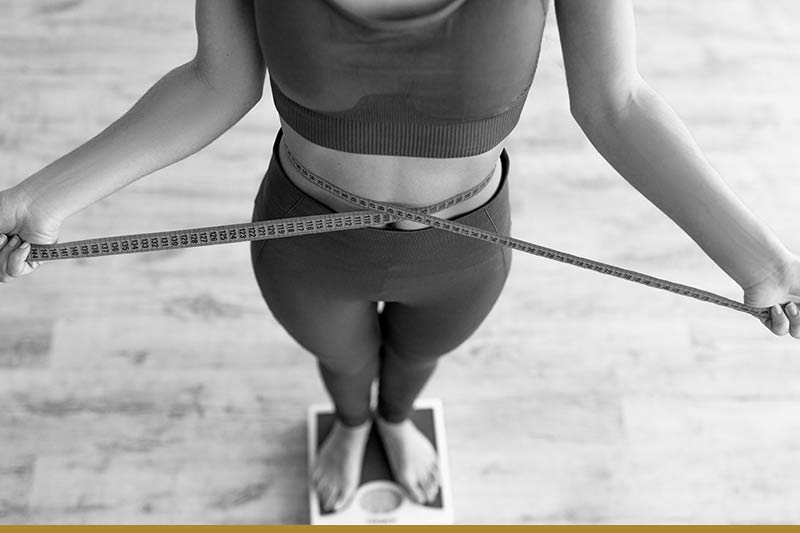
Can You Take Too Much Vitamin C?

Because Vitamin C is soluble in water, it is difficult to have too much of it as your body will release excess ascorbic acid through urine.

If daily doses surpass the upper limit (2,000 mg for adults), the following symptoms can occur:

Conclusion

Vitamin C encourages weight loss and helps the body break down fat while improving the immune system and metabolism.


Note: Learn more about 10 vitamins for an immune system boost.


Vitamin C deficiency may be the cause of your weight loss stagnation, so it’s essential to regularly ingest vitamin C and maintain its levels in your body. Healthy levels of this essential nutrient will give you better health and support your weight-loss efforts.

Contact the Vibrant Skin Bar team to schedule a consultation and start your weight loss journey today.

Knee Fat: Causes and Treatments

Fat that accumulates around the knees creates a puffy, bulging look and this problem isn’t purely aesthetic. Knee fat can cause stiffness, pain and reduced range of motion due to extra pressure placed on the joints and the cartilage. This pressure also increases the risk of inflammation-related diseases, such as osteoarthritis.

Both men and women can develop fatty deposits in the knee region but women are more prone to storing fat in all body areas including the knee. Knee fat can give the kneecap (patella) an unattractive, bulbous appearance and can be difficult to tone.

This article explains the causes of knee fat and what treatments are effective at achieving toned legs.

Knee fat

What Causes Knee Fat?

Knee fat pads can develop due to several different factors that are not mutually exclusive and when combined can worsen the condition. If not addressed promptly, accumulation of knee fat can cause gradual wear and tear of the knee cartilage, making movement difficult and painful.

The most common causes of knee fat include:

How to Lose Knee Fat

There is a variety of knee fat removal solutions, ranging from lifestyle modifications to non-invasive or surgical procedures. Consult a medical professional for recommendations. They will tailor the knee-slimming treatment based on the condition’s cause, symptoms, and severity.

Exercise

Moderate exercise is beneficial for knee health because it improves circulation, increases flexibility and mobility, and contributes to muscle definition and fat reduction. However, protecting your knees during physical activities is vital. Choose appropriate footwear and soft surfaces for high-impact activities, avoid overtraining, and take days off for full muscle recovery.

While there are no knee-specific workouts designed to target the inner or outer fatty pads, the following exercises can strengthen, tighten, and tone your legs:


Note: Learn about how to tighten skin on legs through lifestyle changes, skin products, and treatments.


Diet

A well-balanced diet can help you achieve well-shaped legs. Nutrient-rich food optimizes muscle function, increases metabolic rate, and aids in weight management.

You can reduce knee fat by modifying your diet in the following ways:


Note: Intermittent fasting is a dieting regimen that can help you lose weight, reduce inflammation, speed up cell reparation, and even increase endurance. Learn more about the benefits of intermittent fasting for weight loss.


CoolSculpting

If exercise and diet don’t yield satisfactory results, you can target knee fat through cryolipolysis, an FDA-approved method branded under the name CoolSculpting. This non-operative treatment involves freezing fat cells and allowing the lymphatic system to flush them out afterward.

CoolSculpting helps in weight loss by eliminating persistent fat pockets in different problem-prone areas. This cosmetic procedure isn’t a weight loss treatment. Nevertheless, it can help you get rid of stubborn fat deposits through a controlled cooling technology that doesn’t require any recovery time.


Note: Learn more about common CoolSculpting treatment areas.

For CoolSculpting in Phoenix, AZ, book a consultation at Vibrant Skin Bar.


Medical Weight Loss

Medical weight loss is a guided program that helps patients lower their body mass index (BMI) under medical supervision. Its personalized, holistic approach aims to address all the individual physical and psychological causes of weight gain, a patient’s genetic predispositions, and other risk factors.

A team of experts creates a customized, medically supervised weight loss program that includes:

The doctors might also prescribe hormone therapy in case of an underlying medical condition triggered by a hormonal imbalance.


Note: Find out in what ways hormone replacement therapy aids weight loss.


Alternative Options

Sometimes diet, exercise, and non-invasive medical treatments cannot eliminate knee flab nor produce well-sculpted legs. The following procedures might help you achieve the desired look:


Note: Learn more about the benefits of red light therapy for weight loss.


Conclusion

Unwanted fat layers negatively impact the health and mobility of your knees and interfere with your favorite activities. Luckily, there are many ways to reduce knee fat and tone the surrounding muscles. Dieting, exercising, and fat-reduction treatments can help you obtain well-proportioned, slim legs.

For more information on weight loss in general or any of the mentioned treatments, or if you wish to book an appointment, contact us.