Juvéderm vs. Sculptra: What’s the Difference?

Dermal fillers have gained worldwide popularity as a non-invasive alternative to cosmetic surgery, offering instant, natural-looking results. In less than an hour, you can get more volumized facial contours, smoother skin, and fuller lips.

This article compares two popular filler brands, Juvéderm and Sculptra, and explores their respective benefits, potential side effects, and expected outcomes.

Juvéderm vs. Sculptra: What’s the Difference?

What Is Sculptra?

Sculptra is an FDA-approved, semi-permanent filler used to treat nasolabial folds or smile lines, chin wrinkles, and marionette lines. It is also used off-label to address skin laxity, cellulite, and volume loss in areas such as the upper arms, neck, chest, knees, hips, buttocks, and thighs.

Sculptra’s main ingredient is poly-L-lactic acid (PLLA), a synthetically sourced material that stimulates collagen production and triggers the body’s natural healing response. New collagen is built gradually, restoring the skin’s inner structure and facial volume while softening wrinkles and folds.

The effects of Sculptra fillers typically last up to two years.


Note: Read about how Radiesse and Sculptra fillers compare.  


What Is Juvéderm?

Juvéderm is a temporary, hyaluronic acid (HA)-based filler used to treat wrinkles, folds, and hollow areas in the lower face, including the lips, cheeks, jawline, and tear troughs (under-eye area).

Juvéderm injections restore lost facial volume using hyaluronic acid (HA), a naturally occurring substance that makes the skin smooth, firm, and elastic. As we age, HA production slows, leading to wrinkles, sagging, and reduced elasticity.

Over time, the body breaks down the injected hyaluronic acid. Results typically last between 6 and 18 months. However, if you are dissatisfied with the outcome, you can dissolve the filler with hyaluronidase injections.


Note: Learn about hyaluronic acid lip fillers and compare Juvéderm and Restylane for lip enhancement.


Sculptra vs. Juvéderm: What Are the Differences?

The following table summarizes Sculptra and Juvéderm key differences and similarities.

SculptraJuvéderm
Main ingredientPoly-L-lactic acidHyaluronic acid
FDA-approved treatment areasNasolabial folds Marionette lines
Chin wrinkles Sunken cheeks

 
Marionette lines
Chin and jawline
Nasolabial folds
Cheeks
Lips
Perioral lines   Under-eye hollows
Number of treatmentsThree to four treatments, spaced 4-6 weeks apartOne, with occasional touch-ups
Time to first resultsImprovements become visible after 4-6 weeks, and full effects after 3-6 months.Immediate
Results durationUp to 24 months6-18 months
Can be dissolvedNoYes

Note: Read about how Juvéderm compares to Botox, Restylane, Versa, and Radiesse.


How Do Sculptra and Juvéderm Work?

These filler injectables work differently to restore facial volume and redefine the features.

Sculptra

Sculptra reduces signs of aging in the midface and lower face by stimulating the body’s natural collagen production. As a collagen stimulator, poly-L-lactic acid (PLLA) gradually restores the skin’s internal structure, leaving it smoother, firmer, and more resilience.

PLLA particles slowly trigger collagen regeneration, which is why results are not immediate and usually develop over several weeks to months. Sculptra is often compared to planting seeds, as the process requires time and patience to reveal visible improvements.

Juvéderm
Juvéderm products contain hyaluronic acid, which instantly adds volume and enhances natural contours while smoothing wrinkles, creases, and other textural irregularities. The injections also include lidocaine, a numbing agent that minimizes discomfort during the procedure.

The concentration of hyaluronic acid varies across Juvéderm formulations, depending on the specific treatment area and desired outcome. Results typically last between 6 to 18 months as the body gradually metabolizes the filler.

Sculptra vs. Juvéderm Treatment Areas

Sculptra fillers are FDA-approved to treat:

Sculptra has many off-label uses, such as treating thigh and buttock cellulite and wrinkles on the elbows, knees, abdomen, chest, jawline, and temples.

Juvéderm fillers are FDA-approved for the following facial areas:

Juvéderm is commonly used in an off-label procedure to treat temples, forehead lines, glabellar lines, crow’s feet, neck, hands, and chest. If you decide to undergo an off-label procedure, choose a highly experienced injector to minimize the risk of filler migration, bruising, swelling, and other complications.

What Are the Benefits of Sculptra and Juvéderm?

Both filler brands offer a host of skin benefits, ranging from instant rejuvenation to longer-lasting smoothness. Depending on your aesthetic goals, you can expect different advantages.

Sculptra

Sculptra’s key benefits include the following:

Juvéderm

Juvéderm injections offer the following benefits:

Do Sculptra and Juvéderm Require Special Preparation?

The following steps will help prepare you for the procedure and minimize the risk of side effects:

Sculptra vs. Juvéderm Procedure

Sculptra and Juvéderm treatments are quick, walk-in procedures, with the injection process typically lasting 15-20 minutes. If a patient opts for a topical numbing cream, the treatment may extend to about an hour.

The provider cleanses the treatment area and applies a topical anesthetic. The filler is then injected into targeted areas using a fine, sterile needle. The provider may gently massage the area to ensure even distribution and smooth, natural-looking results.

Sculptra requires two to three sessions spaced several weeks apart for full results, whereas a Juvéderm treatment is typically completed in one session. After each procedure, most patients can resume daily activities immediately, though mild redness, swelling, or bruising may occur at the injection site.

Sculptra vs. Juvéderm Results
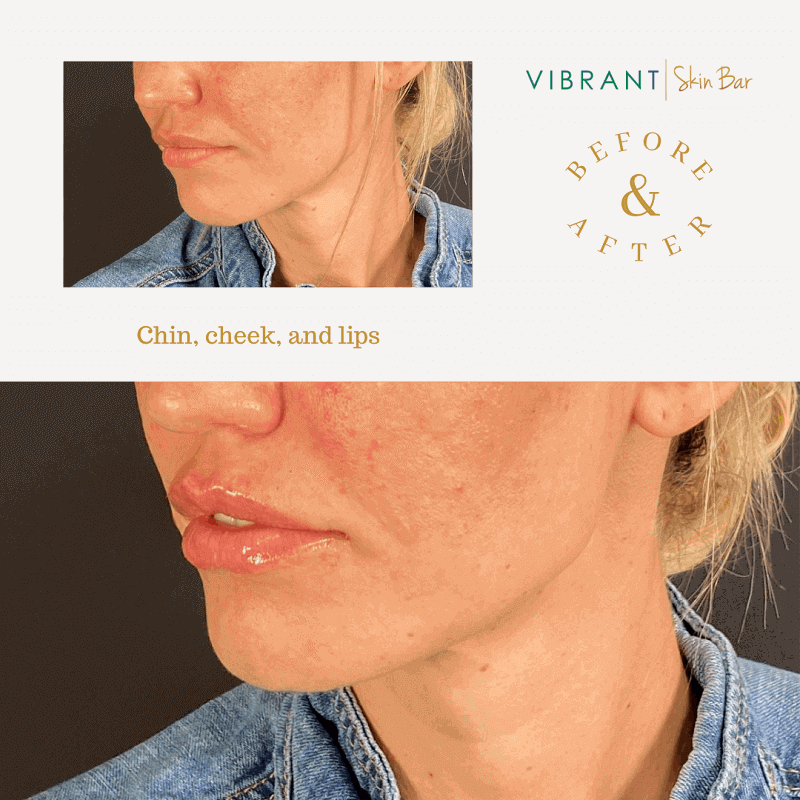
Before and after dermal fillers

The effects of Sculptra appear gradually, as it takes time to rebuild depleted collagen. After three to four treatments, the skin looks smoother, plumper, and natural-looking. Results appear after 4 to 6 weeks, peak after 3 to 6 months, and typically last up to two years.

Juvéderm fillers provide immediate results: lifted skin, volumized cheeks, and lips, and softened or eliminated wrinkles. One treatment is enough for most patients, but the number of syringes and touch-up sessions depends on your beauty goals. The effects last 6 to 18 months, depending on the treatment area, amount of filler injected, and the patient’s activity level and metabolism.


Note: Find out how long Juvéderm lasts in the lips.


What Are the Side Effects of Sculptra and Juvéderm?

You may experience mild side effects that subside after 3 to 4 days:

Poor injection technique or improper aftercare may result in firm bumps or nodules that persist for weeks or even months after treatment. That is why it is crucial to choose an experienced injector with a thorough understanding of facial anatomy and precise filler placement techniques.

Should Anyone Avoid Sculptra or Juvéderm?

Sculptra and Juvéderm fillers are not recommended if you:

Juvéderm vs. Sculptra Aftercare

The following post-treatment guidelines will ensure the maximum benefit from Sculptra and Juvéderm injections:

Sculptra vs. Juvéderm Cost

The average price for a Juvéderm treatment ranges from $600 to $900, whereas one Sculptra treatment can cost you anywhere from $800 to $1,200 per vial. The overall price depends on the number of sessions, treatment area, amount of product used, and the clinic’s location and expertise.

At Vibrant Skin Bar, we offer:


Note: Read about Sculptra and other non-surgical butt lift solutions.


Sculptra vs. Juvéderm FAQ

You may still be wondering which filler brand is more suitable for you and whether you can safely combine them. Read the answers to the most frequently asked questions to resolve all dilemmas.

Can I Get Sculptra and Juvéderm Together?

Sculptra and Juvéderm can be done during the same session. Juvéderm’s instant fullness, hydration, and smoothness complement Sculptra’s long-term collagen regrowth, restored volume, and structural lift.

The injector will use a layered approach and different placement strategies to inject both fillers for enhanced volume, definition, and firmness.

Can I Reverse Sculptra and Juvéderm?

Juvéderm can be fully reversed with hyaluronidase injections. The process typically requires only one session, though multiple treatments may be necessary for complete reversal.

There are no reversal agents for Sculptra, as it is made of poly-L-lactic acid, a biostimulator made of a synthetic polymer that fully integrates into the body’s natural tissue.

If you are dissatisfied with the outcome of Sculptra, you can undergo a surgical procedure or consult your medical provider about less invasive removal methods, such as steroid injections.

Should I Choose Sculptra or Juvéderm?

Sculptra and Juvéderm fillers are injected in a similar way and provide comparable results, but their active ingredients, longevity, and treatment areas differ. During the consultation, your medical provider will inquire about your skin concerns and aesthetic goals to help you decide.

Choose Sculptra to address hollow cheeks, deep nasolabial folds, marionette lines, and chin, and if you would like:

Opt for Juvéderm to treat the lips, cheeks, marionette lines, nasolabial folds, chin, jawline, and tear troughs, and also get:

Conclusion

Sculptra and Juvéderm effectively reverse the signs of aging, justifying the popularity that they have gained. Choose an experienced and certified dermal filler provider, who will determine the best product for your skin goals and will deliver results you will proudly wear for a long time.

Contact our Vibrant Skin Bar experts to see which brand is best suited for your skin concern.
Radiesse vs. Sculptra: What Are the Differences?

Dermal fillers and Botox are the ultimate cosmetic solution for people who want to reverse the effects of aging without surgery. Fillers come in many forms, depending on what the patient wants to achieve. Some fillers instantly fill in deep wrinkles and folds, while others take time to stimulate the body’s natural collagen-building process.

Radiesse and Sculptra belong to the latter group. Their rejuvenating effects are similar, but they differ in many ways. This article explains the differences between the two popular anti-aging injectables and helps you choose a suitable treatment for your cosmetic concern.

Radiesse vs. Sculptra

Radiesse Overview

Radiesse is a thick injectable filler whose main component is synthetic calcium hydroxylapatite, a mineral with the same chemical composition as the material found in bones and teeth. The injected calcium hydroxylapatite particles function as a scaffold for new tissue growth.

Sculptra Overview

Sculptra is a dermal filler made from poly-L-lactic acid (PLLA), a synthetic material that triggers the body’s inflammatory response and stimulates increased collagen production. It provides delayed but longer-lasting results.

What Are the Differences Between Radiesse and Sculptra?

The following table helps you assess the main differences between Radiesse and Sculptra.

RadiesseSculptra
Main ingredientCalcium hydroxylapatitePoly-L-lactic acid
FDA-approved treatment areasNasolabial foldsCorners of the mouthMarionette linesPre-jowl foldsChin wrinklesHandsNasolabial foldsMarionette linesChin wrinkles
Time to first resultsImmediateSeveral weeks
Longevity of results12+ monthsUp to 24 months
Typical number of sessionsOne sessionThree sessions in three to four months
Side effectsRednessSwellingBruisingTendernessPain at the injection siteLumpsRednessSwellingBruisingTendernessPain at the injection siteLumps
Cost$725 per syringe$900 per vial

Which Areas Can Be Treated with Radiesse and Sculptra?

Radiesse

The FDA has approved Radiesse for correcting volume loss and wrinkles in these areas:

Radiesse is also used off-label to lift sagging knees, upper arms, and buttocks.

The injectable’s thick, viscous consistency makes it unsuitable for facial areas with thin skin, such as the under-eye area.


Note: Learn which fillers are suitable for the under-eye area and how they work.


Sculptra

Sculptra is FDA-approved for moderate to severe facial wrinkles and folds, including:

It is also used off-label for neck rejuvenation, butt lift, and hip dips correction

Radiesse vs. Sculptra Procedure

Radiesse

The medical provider cleans and prepares the skin for treatment. They sometimes apply a topical numbing cream to minimize the pain. Radiesse is applied deeper in the skin than Sculptra and may cause more discomfort.

The provider marks the injection sites and injects Radiesse. The process takes several minutes. Finally, the provider massages the treatment area to help the injection settle and prevent lumps. Patients usually need one Radiesse session for optimal results.

Sculptra

Sculptra treatments are similar to Radiesse sessions. The only difference is that patients typically require three sessions spaced one month apart for the best results.

What Are the Results of Radiesse and Sculptra?

Radiesse

Radiesse instantly volumizes the treatment area because the injectable consists of calcium microspheres that provide an immediate support structure beneath the skin. They dissolve after several months, just as the newly formed collagen and tissue appear, resulting in a smoother, rejuvenated look.

Radiesse results typically last about one year, with some patients enjoying younger-looking skin for much longer.

Sculptra

Sculptra provides gradual results because the PLLA particles act as a foreign body that stimulates increased collagen production. The effects become apparent after several weeks, with the skin’s tone and texture gradually improving in the following months.

Sculptra provides the longest-lasting results of all dermal fillers – up to 24 months.

What Are the Side Effects of Radiesse and Sculptra?

Radiesse and Sculptra use biodegradable substances that are safe for use in volume-restoring cosmetic applications. However, patients sometimes report mild, short-lasting side effects, such as:

Radiesse vs. Sculptra Aftercare

To minimize side effects and ensure the best results, medical providers recommend following these aftercare tips:


Note: This blog post provides detailed information about what to do after a dermal filler treatment.


Sculptra vs. Radiesse Cost

At Vibrant Skin Bar, one syringe of Radiesse costs $749. Patients typically need one or two syringes per session, depending on the cosmetic issue and desired effects.

One vial of Sculptra costs $900. Patients usually need one or two vials per session and about three sessions spaced across three to four months.

Visit our skin professionals at the Vibrant Skin Bar to get a detailed assessment of your skin issues and learn how much it would cost to resolve them.

Is Radiesse Better than Sculptra?

Radiesse and Sculptra are collagen-stimulating dermal fillers that restore volume in hollow facial regions and fill in moderate to severe wrinkles and folds. Both are effective in treating the midface area and chin wrinkles. Radiesse is a better choice for restoring volume in the back of the hands and for people who want instant skin-lifting results. Sculptra is better for patients who want longer-lasting results with minimal maintenance.

Choose an experienced medical provider to ensure the best type of filler for your cosmetic concern.

Conclusion

If you’re seeing aging signs that distress you, cosmetic treatments like Radiesse or Sculptra may be able to help. They are collagen-building fillers that provide impressive, natural-looking, and long-lasting results.

Consult our Vibrant Skin Bar medical professionals to determine the best strategy for your desired look.

How to Get Rid of Banana Rolls?

A firm, round bottom is a popular beauty ideal, thanks to celebrities like Jennifer Lopez and Kim Kardashian, who confidently strut their booties. However, our genetics, hormones, and lifestyles often dictate a different look. Instead of a naturally toned, rounded backside, many of us have to contend with banana rolls.  

This article explains why banana rolls appear and how to get rid of them.

How to get rid of banana rolls

What Is Banana Roll Fat?

Banana rolls are stubborn fat bulges below the buttocks and above the upper thighs. They interrupt the natural curve between the buttocks and hamstrings, jutting out to varying degrees. They often make women self-conscious and uncomfortable in tight-fitting clothes.

What Causes Banana Rolls Fat?

Banana rolls can appear for many reasons. The most common include:


Note: If you are struggling with hormonal imbalance, learn about hormone replacement therapy.


How to Get Rid of Banana Rolls?

There are three ways to get rid of banana rolls:

Liposuction has been the go-to procedure for banana roll removal for a long time. However, surgery requires anesthesia, carries the risk of scarring, and requires weeks of recovery.

Instead, we recommend safer and healthier ways to eliminate banana rolls.

Clean Up Your Diet

Healthy nutrition is a staple of overall health, and it can help you get rid of extra fat, including banana rolls. Medical professionals and fitness experts emphasize that the only way to lose weight and eliminate fat effectively is through a comprehensive lifestyle change that involves calorie-restricted diets. To lose fat, you need to ingest fewer calories than you burn.

The basic principles of a healthy diet include:

This lifestyle habit takes time to adopt and show results, but it provides long-term health and beauty benefits.

Non-Surgical Banana Roll Fat Treatments

Cosmetic treatments are your best option for stubborn pockets of banana roll fat that don’t go away even after months of calorie-restricted diets and targeted workouts.

CoolSculpting

CoolSculpting is an FDA-approved cosmetic treatment that freezes and eliminates fat in areas that don’t respond to diets and exercise. It is a safe and FDA-approved treatment that requires no anesthesia or downtime. Patients can expect a fat reduction of up to 25% in the treatment area and permanent results for those who stick with a balanced diet and daily workouts.

For the best results, try CoolSculpting with CoolTone – a muscle-toning treatment that will perfectly sculpt your backside after the excess fat has been eliminated.

Kybella

Kybella is an FDA-approved treatment for eliminating a double chin. However, its safety profile and effective results allow off-label applications in other areas, including the buttocks. It is an injectable that uses deoxycholic acid, a naturally occurring compound in the body, to dissolve fat in the injected area. Patients typically need several treatments spaced at least one month apart to achieve a desired banana roll reduction. Like CoolSculpting, Kybella provides permanent results, but you need to maintain a healthy lifestyle.


Note: Learn how Kybella can help you get rid of a double chin.


Sculptra Dermal Filler

Sculptra is a dermal filler generally used to smooth wrinkles and add volume to sunken facial features. It is also popular in an off-label application called the Sculptra Butt Lift. The injected filler helps to lift and sculpt the buttocks, tightening the backside and reducing the bulge underneath.

Banana Roll Fat Exercises

Health experts recommend at least 150 minutes of moderate weekly activity for overall well-being. Add specific exercises for the area underneath your bum to tone those muscles and reduce banana roll fat. The following are some of the best exercises that target this area.

Implement weekly cardio sessions in addition to targeted buttock exercises to reduce your overall fat. The effort will also minimize prominent fat pockets like banana rolls.

Conclusion

Banana roll fat is an unappealing feature that makes people self-conscious. Follow these tips to get rid of banana rolls safely, tone your body, and improve your health in the process.

Sculptra Hip Dips: Everything You Need to Know

Hip dips are indents on the outer part of the thighs, below the hip bones. They are naturally occurring but disrupt the rounded curve associated with the hourglass figure. For this reason, many people do not like them.

Plastic surgery is the traditional way to correct hip dips, but one cosmetic treatment has been pushing surgery aside. It goes by the proprietary name: Sculptra.

This article focuses on the Sculptra hip dip treatment, explains how it works, and answers common questions about this popular procedure.

What is Sculptra?

Sculptra is a dermal filler made from poly-L-lactic acid, a synthetic material whose presence in our bodies stimulates an increase in collagen production. It is FDA-approved to treat moderate to severe facial wrinkles and folds, including marionette lines, chin wrinkles, and nasolabial folds.

Skin experts use Sculptra in off-label procedures to treat cosmetic concerns beyond the ones approved by the FDA. Patient experience shows Sculptra is very effective in treating hip dips.


Note: Learn how Sculptra can help with neck rejuvenation.


How Does Sculptra Work for Hip Dips?

Sculptra is a convenient in-office treatment that requires no previous preparation and can be done during a lunch break. The medical provider cleans the patient’s skin with alcohol, marks the injection spots with a special marker, and injects several vials of Sculptra into the patient’s hips.

The injectable stimulates the buildup of new collagen to fill the hip dips. It may take several weeks for the results to appear. Patients usually need at least three treatments spaced four to six weeks apart to achieve the desired effects.

The treatment is painless, potentially causing only mild discomfort. Patients can resume most regular activities, except tanning and strenuous exercise.


Note: If you want to find out more about hip dip fillers, read our article and find out about their benefits and what results can you expect.


Why Choose Sculptra for Hip Dips?

Hip dips are caused by genetics and bone structure and can’t be corrected with diet and exercise. Only cosmetic procedures can successfully contour this body part. Sculptra is becoming more popular than hip implants and fat transplants because it has many advantages over surgery:


Note: Read our blog post on the differences between Sculptra and Juvéderm.


Frequently Asked Questions about Sculptra for Hip Dips

Review these frequently asked questions if you are considering Sculptra for hip dips. They will help you evaluate the procedure and decide if it is the right treatment for you.

Am I a Suitable Candidate for Sculptra?

Sculptra is approved for healthy adults with hip indentations caused by bone structure. The treatment is particularly useful for people with below-average weight who don’t have enough fat for liposuction and fat transplants.

Is It Safe to Use Sculptra on Hip Dips?

The treatment is considered safe when performed by trained medical professionals in a sterile medical setting. Though the FDA hasn’t approved Sculptra for hip dips, patient experience shows the procedure typically causes only mild side effects such as swelling and bruising. These go away after several days.

How Many Vials of Sculptra for Hip Dips?

The number of Sculptra vials you’ll need for hip dips depends on your anatomy, weight, and desired results. Medical providers use an average of ten vials per treatment, and patients usually require at least three treatments.

How Much Is Sculptra for Hip Dips?

At the Vibrant Skin Bar, one vial of Sculptra costs $900. The total cost of the treatment depends on the required number of vials per treatment. On average, most patients require 4-6 vials of Sculptra to correct hip dips.

Conclusion

Hip dips are a concern for many women. In the past, their correction has been challenging because it involved risky surgery and weeks of recovery.

With Sculptra, cosmetic experts have introduced a safe, convenient way to contour their patients’ hips. If you are interested in the procedure, contact our medical team at the Vibrant Skin Bar and let them transform your hip dips into a beautiful, rounded curve.

Sculptra for Neck Rejuvenation: What You Need to Know

Today’s advancements in the cosmetic industry are helping millions of people rejuvenate their appearance. However, while focusing on the face and extra pounds, people often neglect one body area – the neck. As we age, prominent lines, sagging skin, and fat deposits can start appearing on our necks as well.

Luckily, dermal fillers such as Sculptra effectively address this aesthetic issue.

This article explains how Sculptra for the neck works and what results to expect.

Sculptra treatment for the neck

Sculptra for Neck

Sculptra is an FDA-approved dermal filler based on a synthetic material called poly-L-lactic acid (PLLA). It is designed to treat nasolabial folds or smile lines and other moderate to severe facial wrinkles.

It is also used off-label to plump up and smooth the skin on the neck.


Note: Learn how does Sculptra for hip dips work.


How Does It Work?

As we age, our bodies produce less collagen, a protein that gives our skin support, shape, and elasticity. The loss of collagen results in the loss of skin volume and the appearance of wrinkles.

Unlike popular dermal fillers based on hyaluronic acid (HA), Sculptra stimulates the production of collagen. Poly-L-lactic acid is injected deep into the dermis where collagen is stored. The injected PLLA stimulates the body to increase the production of collagen as a defense mechanism because the body views the PLLA microparticles as foreign.

The body degrades the PLLA after a few months, replacing the injected substance with newly produced collagen. This process gradually restores volume to sagging, wrinkled skin on the neck.

The Procedure for Sculptra

The procedure for Sculptra injections is similar to other dermal filler treatments. The medical provider first cleans the neck area with a rubbing alcohol and applies a topical numbing cream to make the procedure painless.

The medical provider then marks the location for the injection and injects Sculptra along the marked spots. The injection process typically lasts 15-30 minutes, depending on the severity of the neck skin issue. The whole procedure with the numbing cream takes up to one hour.

The effects of Sculptra are not immediate. They become noticeable within several weeks of the treatment.

After the procedure, the patient can resume their usual daily activities, excluding strenuous exercise and tanning.


Note: Read this article for more information on dermal filler aftercare.


Reasons to Consider Sculptra for Neck Rejuvenation

Sculptra is a popular neck treatment because it provides a range of benefits.

Sculptra for the Neck: Results

Sculptra gradually rebuilds the skin and provides natural-looking results. After a Sculptra treatment the neck is visibly smoother and tighter.

Patients need one to four treatments spaced several weeks apart. The results appear gradually because it takes time to rebuild lost collagen.

The results typically last up to 25 months after the last treatment.

Sculptra for the Neck: Cost

At Vibrant Skin Bar, Sculptra costs $900 per vial.

The number of treatments and total cost depend on the severity of the patient’s signs of aging and desired results.

Conclusion

From reducing wrinkles to eliminating fat, cosmetic treatments can improve a range of aesthetic issues from the head to the toes.

If aging signs below your chin have caught you by surprise, consider Sculptra as an effective way to achieve a youthful, elegant neck.