Laser vs. Waxing: Which Hair Removal Method Is Better?

To achieve smooth, hairless skin, several hair removal methods are at your disposal. Each has its advantages and downsides.

In this article, we discuss two of the most popular hair removal methods: laser and waxing.

Let’s see how these treatments work, how they differ, and which is a better option for your skin and hair type.

Laser hair removal vs. waxing

Laser Hair Removal: Overview

Laser hair removal is a cosmetic treatment involving the use of a laser that destroys hair follicles and prevents hair growth. For long-lasting results, patients need to undergo several treatments.

Waxing Hair Removal Overview

Waxing is a hair removal method where the cosmetic practitioner removes hairs in the target area using wax. The hairs typically grow back after three to six weeks, but long-term use may diminish or stop hair growth in certain areas.

Waxing vs. Laser Hair Removal: How Do They Differ?

The following table shows the main differences between laser and waxing.

Laser Hair RemovalWaxing
How does it work?A laser beam heats and destroys a hair follicle.Wax pulls hair from the hair root.
Common treatment areasUpper lip, chin, armpits, arms, chest, legs, bikini line, shoulders, and back.Upper lip, chin, armpits, arms, chest, legs, bikini line, shoulders, and back.
Pain levelMinimal - the treatment includes a numbing cream.Mild to strong, depending on the patient’s pain threshold.
Side effectsCommon: Redness, swelling, discomfort
Rare: Skin discoloration, scarring, excessive hair growth
Common: Redness, swelling, discomfort
With long term use: ingrown hairs
Longevity of resultsSeveral years, in some cases permanent.Three to six weeks.
Treatment durationA few minutes to one hour, depending on the area.A few minutes to half an hour, depending on the area.
How many treatments are required?An initial series of 4-8 treatments spaced 1-3 months apart, and a few years of annual maintenance treatments.Every 3-6 weeks.
Eligible candidatesPreferably, people with light skin and thick, dark hair.Anyone
Cost$150 - $450+$15 - $100+

Laser vs. Waxing: Treatment Areas

Laser hair removal and waxing can both be done on most body parts. Common waxing and laser hair removal areas are:


Note: Estheticians avoid treating the area around the eyes to avoid the risk of eye damage. However, with the necessary precautions, it is possible to use lasers to remove eyebrow hairs. Learn how laser hair removal for eyebrows works.


Laser vs. Waxing: Benefits

Both hair removal treatments have their advantages and disadvantages. They help patients decide which method to use.

Laser

Waxing

The benefits of waxing include:

Laser vs. Waxing: Procedure

Find out what to expect when you come to a waxing or laser hair removal appointment.

Laser

  1. The medical provider gives you protective goggles and applies a numbing cream to the treated area.
  2. The medical provider then points a laser device at the target area.
  3. The device sends light to the hair follicles, targeting the pigment melanin. The pigment absorbs the light, which turns into heat. The heat burns and damages the hair follicle, inhibiting hair growth.

A single laser hair removal appointment can take anywhere between a few minutes to an hour.

Waxing

  1. The cosmetic practitioner warms the wax.
  2. They apply the wax on the target area with a wax applicator or spatula in the direction of hair growth, and then presses a fabric strip over the wax.
  3. After waiting for several seconds for the wax to cool and grip onto the hair, the esthetician pulls the fabric strip in the opposite direction of hair growth, pulling hairs from the root. In some cases, they don’t use fabric strips but pull the hardened wax.

A waxing appointment lasts anywhere between 5 and 30 minutes, depending on the target area.

Laser vs. Waxing: Pain

Several factors determine how painful a hair removal session will be, such as the patient’s hair thickness, pain threshold, health status, etc. The following are general observations from patients regarding pain and discomfort during laser and waxing treatments.

Laser

Laser hair removal isn’t painful because the medical provider applies a numbing cream prior to treating the area with a laser. However, the patient may feel a slight tingling or pricking sensation, particularly in areas with denser and thicker hair.

Waxing

Patients report different pain levels. People with a lower pain threshold may experience the treatment as painful, especially in areas with sensitive skin or dense and thick hair. Fortunately, the pulling action is quick, and the pain lasts only a few seconds.

Laser vs. Waxing: Results

You can expect the following results from each treatment.

Laser

The goal of laser hair removal is to ensure long-lasting or permanent hair removal. A series of four to eight treatments spaced one to three months apart is necessary to reach that goal because hairs in different hair follicles are in different growth stages. One laser treatment may damage hair follicles from which the hairs are growing but won’t affect follicles in the resting phase. 

The number of necessary treatments depends on the patient’s skin and hair type.

After each treatment, the hairs gradually shed from the follicles. After a series of four to eight treatments, the patient may need annual or bi-annual maintenance treatments for a few years. Patient experiences show that after a few years of maintenance treatments, hair growth is either sporadic or permanently inhibited.
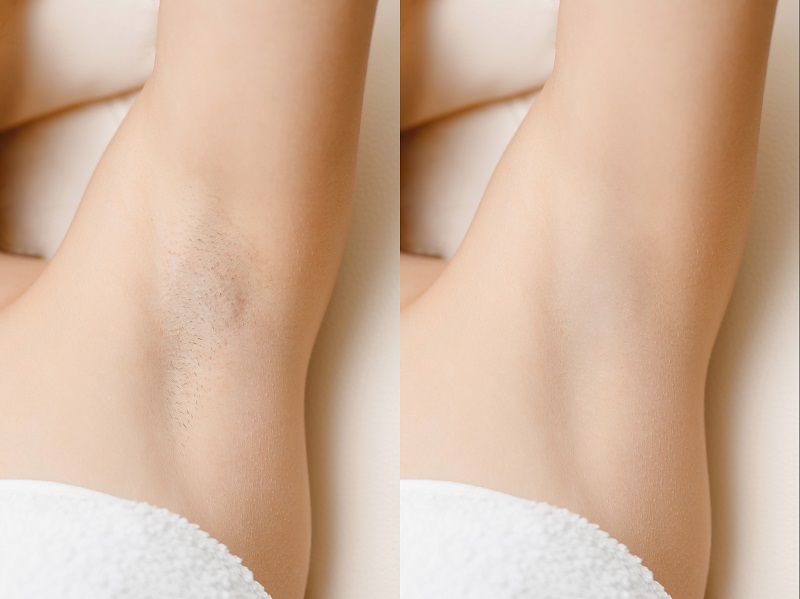
Laser hair removal before and after

Waxing

The results of hair waxing are temporary. The procedure doesn’t damage the hair follicle but only pulls the hairs out with the root. The hairs usually grow back after three to six weeks, depending on the patient. After long-term use, hairs may thin out or stop growing in certain areas. With long-term use, there is a risk of developing ingrown hairs.
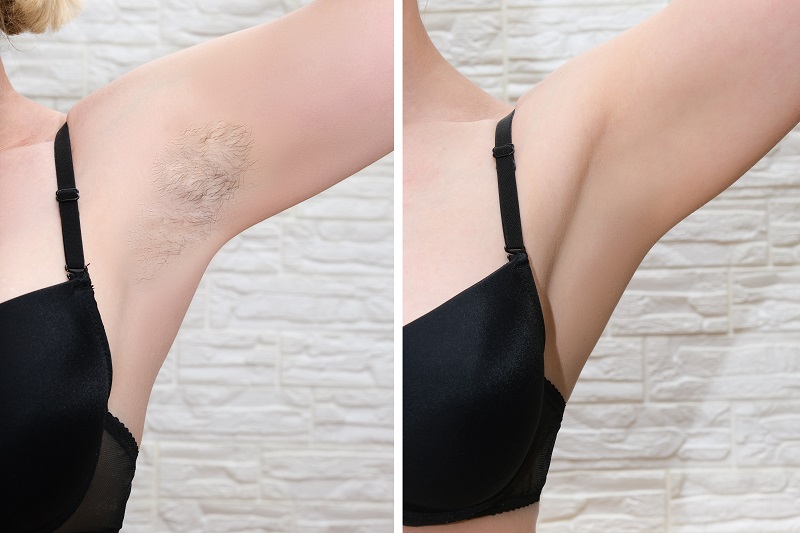
Waxing hair removal before and after

Laser vs. Waxing: Aftercare

Follow these aftercare tips to maximize the effects of both treatments and minimize the chances of side effects.

Laser

Waxing

Laser vs. Waxing: Side Effects

Laser hair removal and waxing are considered safe for most healthy adults. However, patients may experience certain side effects.

Laser

These common side effects occur during the first few hours after the laser treatment and subside quickly.

Patients rarely experience the following symptoms:

Waxing

The common side effects of waxing are the same as those of laser hair removal. However, frequent waxing can cause the hair to grow crooked due to the pulling motion. This can result in ingrown hairs, which cause a whole set of issues.


Note: Learn how to prepare for laser hair removal to ensure optimal results and minimize side effects.


Laser vs. Waxing: Who Is a Good Candidate?

Some hair removal methods are not suitable for everyone.

Laser

The best candidates for laser hair removal are people with dark body hair and light skin. This is because the contrast between the skin and hair color is strong enough for the laser to target only the melanin in the hair and not damage the skin.

More technologically advanced laser devices that treat a wider range of skin and hair color combinations are now used in many med spas.


Note: Read our article and find out more about laser hair removal for blonde hair.


Waxing

Almost anyone is eligible for waxing. It's important that your hairs are at least a quarter of an inch long to ensure the procedure’s effectiveness. However, if you have sensitive skin, you may experience more severe side effects.

Laser vs. Waxing: Cost

The patient’s budget often determines which hair removal treatment they choose.

Laser

The cost of laser hair removal depends on the size of the treatment area. It ranges from $150 to $400+ per treatment. The pricing of laser hair removal at Vibrant Skin Bar is as follows:

Waxing

Depending on the size of the treated area and the location of the salon, the price of waxing ranges between $15 and $100+. One waxing treatment is less expensive than a laser hair removal treatment, but the cost of waxing during the patient’s lifetime by far exceeds the total cost of laser treatments.

Is it Better to Wax or Do Laser?

It’s best to consult your medical provider to determine which hair removal method is better for your skin type, hair color, pain threshold, desired results, and budget.

They may recommend laser hair removal if you want to avoid frequent visits to the salon. If you have light hairs, waxing may be more effective.

Conclusion

Laser and waxing are among the most popular hair removal methods today. The only thing they have in common is their final goal—hair removal. In fact, these two procedures are quite different in the method, pain level they cause, cost, and longevity of results.

We recommend you carefully research both treatments to determine which hair removal method is right for your needs.


What Is Laser Hair Removal and How Does It Work?

Hair removal is an essential part of modern people’s hygiene and beauty regimes, the goal being smooth and hairless skin on the legs, arms, chin, chest, and other areas.

Until recently, shaving and waxing were the most common hair removal techniques, but people are now turning to laser hair removal due to its efficacy, convenience, and long-lasting results.

This article tells you all you need to know about laser hair removal: the procedure, its benefits, aftercare tips, and expected results.

Laser hair removal

What Is Laser Hair Removal?

Laser hair removal is a cosmetic procedure that involves using a laser beam to heat and damage the hair follicle. The laser inhibits hair growth to achieve permanently smooth and hairless skin.

Two to six treatment sessions are required for full results. The number of treatments depends on the treated area and the individual’s response.

How Does Laser Hair Removal Work?

During the treatment, the medical provider uses a laser device to send a beam of light to the hair follicle. Melanin, a pigment in the hair, absorbs the light emitted by the laser. This light turns into heat and burns the hair follicle, putting it into a state of dormancy. The damage caused to the hair follicle delays or permanently stops hair growth.


Note: Read our article to learn how laser hair removal for men works.


Laser Hair Removal Benefits

Laser hair removal is a convenient, cost-effective solution with many proven benefits. This quick, minimally painful procedure will save you both time and money spent removing your hair in other ways.

Precision

Laser hair removal uses precise targeting ideal for smaller body areas or eliminating just a few specific hairs (e.g., between the eyebrows). It can selectively remove a few dark, coarse hairs without damaging the surrounding area.

Adaptability

Lasers successfully remove hair in sensitive or hard-to-reach body areas, including your back or bikini zone. The versatile laser technology can target hair-producing follicles in multiple body areas (e.g., legs, chin, upper lip, nose, ears, stomach, chest, arms), excluding the eyelashes.

Speed

Sessions performed on small body parts take up to 15 minutes. The upper lip area can be treated in less than a minute, while larger body parts may take up to an hour (e.g., the entire legs).

Predictability

Three to seven sessions will provide permanent hair loss for most patients. This predictable pattern can help you make timely appointments to maintain the results.

Long-Term Results

You can expect lasting results once the hair follicles have been fully destroyed. The outcome depends on multiple factors, such as hair thickness and density, hair growth cycle, and individual response.

Minimal Maintenance

Unlike shaving, plucking, or waxing, this hair removal procedure requires minimal maintenance with annual touch-ups.

Ingrown Hair Elimination

Laser treatments can eliminate ingrown hairs and reduce skin inflammation, bumps, or itching.

Less Pain

This treatment is minimally painful compared to other hair removal methods, such as waxing, tweezing, or threading. Most patients describe the sensation as warm pinpricks or a rubber band being snapped against the skin. The mild discomfort lessens with repeated sessions and fewer hair follicles.

Fewer Breakouts

The procedure is particularly effective for acne-prone skin because it reduces future breakouts by preventing repeated clogging of pores. However, the treatment cannot be performed on inflamed body parts with active acne.


Note: Find out what are the best skin care products for oily, acne prone skin.


Minimal Regrowth

Unlike other hair removal methods, there is little to no hair regrowth between sessions. That means you can enjoy hairless, smooth skin for more extended periods.

Laser Hair Removal Treatment Areas

A laser treatment can be used on any body part apart from the eye area. Commonly treated areas include:

Apart from the eyebrow area, you shouldn’t get laser hair removal around the eyes because the laser can cause eye injury.

Dermatologists avoid performing the procedure on tattooed areas because the laser beam cannot distinguish between the pigment of the hair follicle and the pigment in the ink. Because of this, laser treatments on tattoos may cause severe skin damage.

Who Is a Good Candidate for Laser Hair Removal?

It is considered safe and effective for adults over eighteen because hair follicles reach their maturity after puberty.

Laser hair removal is used on all skin types, but it is most effective on fair skin with dark hair. Since lighter hair has less melanin than dark hair, laser hair removal technology works best for people with this skin/hair color combination.

If you have dark skin and dark hair, the low contrast may cause the laser treatment to affect the melanin in the skin and damage the treated area. The good news is that laser hair removal technology is rapidly evolving to provide more effective results for darker skin tones as well.


Note: Read our article and find out if laser hair removal for blonde hair works.


Laser hair removal procedure

How to Prepare for Laser Hair Removal Procedure?

Follow these tips to prepare for a laser hair removal session properly:


Note: Read our article on how to prepare for laser hair removal for more useful tips.


What Can You Expect During Laser Hair Removal Procedure?

Before the procedure, your medical provider will discuss your goals, expectations, medical history, and previous hair removal experiences to determine the best laser hair removal plan for you.

During the procedure, the medical provider applies a numbing cream to the treatment area to minimize pain and discomfort.

A hand-held laser device directs light to the hair follicles in the target area. During the treatment, you’ll be wearing goggles to protect you from the emitted light beams.

Laser Hair Removal Results

After the laser hair removal procedure, your hairs will shed gradually for several days. Some hairs will grow back after a few weeks, and you will need follow-up treatments.

The number of required treatments varies from person to person depending on their type of hair, skin, and the medical provider’s expertise.

Most patients find that hair growth in the treated area is significantly reduced or eliminated after two to six laser hair removal treatments and a few years of maintenance treatments.

Hair regrowth happens sporadically, with lighter and thinner hairs.

Is Laser Hair Removal Permanent?

Laser hair removal usually isn’t permanent, but it can last for years.

For long-term results, complete an initial series of four to eight treatments spaced one to three months apart and have maintenance treatments once or twice a year for a few years.

Laser Hair Removal Side Effects

Laser hair removal is a safe procedure when performed in a reputed med spa by an experienced, board-certified medical provider.

Nevertheless, the procedure may cause mild side effects in the treated area. These include:

These side effects usually disappear after several hours.

Very rare and more severe side effects include:

The risks of side effects are reduced with proper pre- and after-treatment care.


Note: Learn about the safety of laser hair removal during pregnancy.


Laser Hair Removal Aftercare

Proper laser hair removal aftercare minimizes the chances of side effects and enhances the effectiveness of the laser hair removal procedure.

Medical providers recommend the following:

Should You Visit a Doctor?

Seek immediate medical help if side effects worsen or last for longer than usual. Talk to your doctor if you notice prolonged or unexpected skin changes, allergic reactions, excessive swelling, or severe side effects.

Laser Hair Removal Cost

The cost of one laser hair removal treatment depends on the size of the treated area and your medical provider’s expertise and location.

At Vibrant Skin Bar the prices range from $150 to $350 depending on the size of the treatment area.

Even though laser hair removal is initially pricier compared to other hair removal options, many consider it a more cost-effective solution due to low maintenance and fewer follow-ups.

Conclusion

Traditional hair removal techniques like shaving and waxing are tedious and time-consuming. For this reason, many people embrace the laser hair removal option as they find that the more durable and effective results justify the higher cost of the procedure.

If you want to find out more about laser compared to more traditional hair removal techniques, read our articles on laser vs. waxing and electrolysis vs. laser hair removal.

Laser Hair Removal Areas

Laser hair removal is an excellent solution for people who are tired of shaving, plucking, or waxing unwanted hair. The cosmetic practitioner uses a laser device that emits a focused stream of light. The light and heat from the laser damage hair follicles, delaying or preventing hair growth.

Traditional lasers target melanin (the color pigment) and need clear contrast between the skin and hair colors. Because of this, they achieve the best results in people with light skin and dark hair. However, many modern lasers use a different technology that works for other skin types and colors, even removing light, thin hair.

Patients interested in laser hair removal usually want to know which areas can be treated. This article lists treatable areas and explains how many sessions are required for long-term or permanent hair removal.

Laser hair removal treatable areas

Laser Hair Removal Areas

Laser hair removal is a safe cosmetic treatment for most healthy adults. Patients usually want to eliminate hair on their legs, armpits, and the bikini line, but a laser can be used on any part of the face and body – except the eyelids and around the eyes.


Is laser hair removal safe during pregnancy? Read our article to find out.


Here are all the areas treatable with a laser:

Face


Note: Find out what can you expect from facial laser hair removal treatment.


Upper Body

Lower Extremity

How Many Sessions for Laser Hair Removal Do You Need?

The hair growth cycle has three phases: growing, regressing, and resting. Laser hair removal is effective only when the hair is in the growing phase. Since the hairs are always at different stages, patients need multiple treatments to ensure the laser reaches all hair at the right time.

Cosmetic providers usually recommend an initial plan of six to ten treatments spaced six weeks apart and maintenance treatments twice a year until the hairs in the treated area stop growing. The total number of required sessions varies from patient to patient, depending on their skin type, hair color, and the treatment area.

Laser Hair Removal Cost

The Vibrant Skin Bar offers laser hair removal services at different prices, depending on the size of the treatment area. For large areas, one treatment costs $350. Laser for medium areas is priced at $250, and treatments for small areas cost $150.

Contact the Vibrant Skin Bar team for more information on the treatment cost for a specific region or multiple regions.

Conclusion

Laser hair removal is one of the best innovative solutions for long-term hair removal. Thanks to advancements in laser technology, and different hair removal methods, most people can eliminate unwanted hair and enjoy smooth, hairless skin in almost any body area.

If you are ready to give the procedure a try, read our blog post on how to prepare for laser hair removal.

11 Dos and Don’ts of Laser Hair Removal Aftercare

Laser hair removal is one of the few hair removal methods whose results last for years and in some cases, forever. It involves using a laser device to damage or destroy the hair follicle, impeding future hair growth.

The treatment is considered safe when performed by trained skin professionals in a clean environment. However, patients can expect side effects such as redness, pain, and swelling. To ensure the side effects are mild and short-lived, cosmetic providers instruct their patients to take precautionary measures after the treatment.

This article goes through 11 laser hair removal aftercare tips for safe and successful treatment results.

Laser hair removal aftercare tips

Laser Hair Removal Aftercare Dos

To ease potential pain and discomfort, follow these laser hair removal aftercare tips.

1. Apply Cool Compresses

Cool compress after laser hair removal

Apply a cold compress or ice wrapped in a dry cloth to soothe pain and minimize swelling. Keep the compress on the treatment area for 5-10 minutes several times a day until the side effects subside.

2. Wear Loose Fitting Clothes on the Treatment Day

The hair follicles often retain heat from the laser for a few days after the laser hair removal treatment. Wear loose-fitting clothes during that time to avoid friction and skin irritation.

3. Use Cool or Lukewarm Water for 48 Hours

Using lukewarm water after laser hair removal

Hot water can burn and blister the skin after a laser hair removal treatment. Use only lukewarm water when you shower and wash your face to avoid skin irritation.  

4. Wait at Least Four Weeks Until the Next Treatment

Most patients need at least six treatments to achieve long-lasting results. The sessions need to be spaced four to six weeks apart for optimal results.

Laser Hair Removal Aftercare Don'ts

Avoid the following activities and products to minimize side effects and achieve the desired effects after a laser treatment.

1. Avoid Sun Exposure, Saunas, and Hot Baths for Several Days

Avoiding sun after laser hair removal

Like hot water, the sun and heat can burn and irritate the skin after laser hair removal so avoid both for several days. If you do spend time outdoors, make sure you apply an SPF 30+ sunscreen.


Note: Learn why you need to apply sunscreen every day, how to choose a sunscreen, and which are the best sunscreen products.


2. Avoid Tanning Lotions for Several Days

After a laser hair removal treatment, the skin is sensitive and needs time to heal. Don’t apply self-tanners for several days to avoid burns, rashes, bumps, and irritation.

3. Avoid Lotions with Perfumes and Fragrances for 48 Hours

Perfumes and fragrances are harsh on the skin and can cause redness and discoloration if used after a laser hair removal treatment, when the skin is very sensitive. Avoid products with these ingredients, including underarm deodorant.

4. Don’t Apply Pressure to the Treated Area for Several Days

No skin rubbing after laser hair removal

Allow your skin to heal properly after a laser treatment so avoid rubbing, scratching, scrubbing, tweezing, waxing, and other activities that involve the application of pressure on the treated area.

5. Avoid Body Scrubs for 48 Hours

Body scrubs contain abrasive components that exfoliate the skin. They can cause redness and irritation when the skin is sensitive. Wait until your skin has healed before you use body scrubs.


Note: Learn how to use a body scrub correctly.


6. Don’t Go Swimming for 48 Hours

Swimming pools contain chlorine, while lakes, rivers, and the sea harbor bacteria and algae that can irritate the skin. Wait at least 48 hours (or longer) before going for a swim.

7. Avoid Cosmetic Treatments in the Treated Area for Two Weeks

Though minimally invasive, chemical peels, IPL photofacial, and microdermabrasion are too harsh on the skin after laser hair removal. Wait about two weeks before you schedule any of these treatments.  

Can You Shave After Laser Hair Removal?

Shaving after laser hair removal

Shaving is necessary before laser hair removal to avoid surface skin damage, but skin experts advise against it for several days after the laser treatment. Wait until redness, swelling, and itching are gone to shave again.  

When Should You See a Doctor?

Side effects after laser hair removal are usually mild and short-lived. However, you should contact your medical provider immediately if you experience any of the following:

Conclusion

Laser hair removal is one of the most popular hair removal methods today. It is quick, effective, and provides lasting results. Make sure you follow the best aftercare practices to ensure the desired effects.

How to Prepare for Laser Hair Removal: 9 Dos and Don’ts

Hairless skin has been in style for centuries. Today’s hair removal practices are much faster and more convenient than those of earlier ages, but the goal is the same: smooth, attractive arms and legs, and perhaps more comfort.

Laser hair removal is one of the best ways today to remove unwanted hair. If this is your first time getting a laser hair removal treatment, find out how to prepare to avoid potential side effects and achieve the best results.  

Tips for preparing for laser hair removal

What is Laser Hair Removal?

Laser hair removal is a cosmetic treatment in which the cosmetic provider uses a laser device to send beams of light to the patient’s hair follicles, targeting the pigment melanin in the hair. The light turns into heat, damaging the hair follicle and interrupting hair growth.

After several sessions, this hair removal method significantly slows down or even permanently stops hair growth.

How to Prepare for Laser Hair Removal

Laser hair removal is usually painless and safe, but some pre-treatment activities increase the chance of side effects. It is crucial to discuss potential risks with your chosen cosmetic provider before the procedure and find out how to prevent them.

Book a free session with Vibrant Skin Bar skin professionals to learn how to prepare for your laser hair removal treatment!

Below are the dos and don’ts before a laser procedure.   

1. Clean Your Skin Before the Treatment

When you come to your chosen salon or medical spa for the treatment, make sure your treatment area (e.g., legs, underarms, bikini area) is clean. Lotions, dirt, and other impurities on the skin can lessen the effectiveness of the laser. Clean skin allows the laser to go directly to the hair follicle.

2. Stop Waxing or Plucking

Hair removal methods such as waxing and plucking pull the hair out from the root. If you wax or pluck your hair before a laser session, the laser device can’t target the hair pigment because the hair has been removed. Refrain from hair removal procedures that uproot the hair for six weeks before the laser treatment.   


Note: Read how laser hair removal differs from waxing.


3. Shave the Treatment Area

Unlike waxing and plucking, shaving is a necessary step one or two days before a laser hair removal treatment. It doesn’t uproot the hair so the laser can target the hair pigment. At the same time, shaving gets rid of hair on the skin’s surface, decreasing the chances of getting burned by the laser.

4. Avoid Sun Exposure

Tanning increases the chance of laser burns because traditional lasers need a clear color contrast between the skin and hair to target the pigment in the hair successfully. If the skin is darker, the laser can mistakenly target the melanin in the skin instead of the hair. Avoid the beach and tanning beds for several weeks before the treatment.

You should also avoid using self-tanning lotions and sprays for at least two weeks before laser treatment so the laser can target the hair follicle instead of the tan skin. This also reduces the chance of burning the skin.

5. Use Medications with Caution

Some medications interfere with the laser hair removal procedure because they make the skin more sensitive and increase the chance of side effects. These include:

If you use any of the above-listed medications, consult your doctor about potential risks before you undergo a laser hair removal treatment.


Note: Find out if laser hair removal is safe during pregnancy.


6. Use Skin Products Carefully

Consult your cosmetic provider about which products are safe to use before laser hair removal. Some ingredients in skincare products can make the skin more vulnerable to pain and increase the chance of discoloration, redness, and other side effects.

Your cosmetic provider may recommend discontinuing these skincare products for a week or two before the treatment:

To be safe, use only gentle cleansers and mild moisturizers for several days before your laser hair removal appointment.

7. Avoid Alcohol

Don’t drink alcohol in excess 24 hours before laser hair removal because it dehydrates the skin, making the procedure more painful.

8. Refrain from Drinking Coffee

Avoid coffee for at least several hours before your laser treatment. Coffee makes the skin more sensitive and may increase discomfort or pain, just like alcohol. 

9. Avoid Laser Hair Removal After Botox and Dermal Fillers

Wait two weeks after your Botox or dermal filler treatment to have a laser hair removal procedure. If the injectables haven’t settled, the laser treatment can disrupt the cosmetic treatment’s effects and cause swelling and redness.

Conclusion

Laser hair removal is a popular treatment because it provides long-lasting or, in some cases, permanent results. It causes minimal pain and side effects if you prepare for the treatment as advised by your cosmetic provider.

Follow the Vibrant Skin Bar experts’ guidelines for laser hair removal best practices to ensure a safe treatment and smooth, hairless skin.

Laser Hair Removal for Blonde Hair: Does It Work?

Laser hair removal is an increasingly popular means of removing unwanted body hair as the treatment systematically damages the hair until it stops growing altogether.

In the past, this cosmetic treatment was considered safe and effective only for people with a noticeable difference in their skin and hair tones. It was notoriously ineffective in removing blonde hair. The good news for people with fair hair is that things have changed.

This article looks at the advancements in laser hair removal technology and explains how even people with blonde hair can benefit from the treatment today.

Laser hair removal for blonde hair

How Does Laser Hair Removal Work on Blonde Hair?

Laser hair removal is a cosmetic treatment that involves the use of a laser device that heats and damages the targeted hair follicles. The goal of laser hair removal is long-term or permanent hair growth inhibition.

The success of the treatment depends on several factors:

1. Type of hair in the area you want to treat.

There are two types of hair on our skin: vellus and terminal hair. Vellus hair is the short, light-colored, barely visible hair covering our entire bodies except for the skin on our palms and feet.

Terminal hair is the thicker, longer hair that grows on our legs, arms, underarms, belly, and bikini area.

Laser hair removal is ineffective for vellus hair because it is only lightly pigmented. The treatment has a higher chance of success on terminal hair, which contains higher concentrations of melanin.

2. The contrast between your skin and hair tone.

Melanin is found both in skin and hair. Traditional laser removal devices require a pronounced contrast between the skin and hair color in order to be able to target only the pigment in the hair. If both the hair and skin are dark or fair, the laser could mistakenly heat and damage the skin.

3. The laser device model used for the treatment.

Today, laser technology has advanced, and some laser devices can target the pigment present in lighter, softer hair. Such lasers use a longer laser energy wavelength from traditional lasers, which helps to attract lightly pigmented hair. Examples of this technology include diode and Nd:YAG lasers.

Laser Hair Removal for Blonde Hair: Options

If you have blonde hair that you want to remove with a laser, consider the following options. 

1. Dye the Hair

Some patients believe that dying their hair a darker color helps attract the laser. This tactic may help in some cases, but dye usually doesn’t penetrate deeper into the follicle, which is where the laser targets the pigment.

However, some lasers have this step incorporated into the device’s mechanism. The device artificially pigments the targeted hair all the way into the follicle before delivering laser energy to the area.  

2. Long Pulses

Laser devices with long pulses are proven to be successful at removing blonde hair. They are also safer than traditional lasers with shorter wavelengths.

Here’s why long-pulsed lasers may be the future of laser hair removal:

The Results

Laser hair removal requires several treatments. Patients usually notice slower hair growth and weaker hair a few weeks after the first or second treatment.

The number of treatments depends on the patient’s skin and hair tones, the medical provider’s expertise, the laser device used, and the hair growth cycle.

The hair growth cycle has three phases:

The laser hair removal treatment is effective only during the anagen phase. However, as little as 20% of all hair is in the anagen phase at any given moment. Therefore, the patient needs to undergo a series of treatments spaced some time apart until the laser has worked on all the hair at the right moment.

For best results, laser hair removal experts recommend treatments every six weeks for the first several treatments and then longer intervals between sessions.

Patients usually require six to ten treatments for desired results, followed by maintenance sessions once or twice a year.

Potential Risks and Side Effects

Laser hair removal is considered a safe procedure for most candidates. Doctors recommend that women postpone their laser hair treatment during pregnancy.

The side effects after laser hair removal are rare and mild. They include redness, swelling, and itchiness.

Severe side effects are very rare and include scarring, blistering, skin discoloration, and increased hair growth. If you experience these symptoms, contact your medical provider.

Conclusion

To determine if laser hair removal is the right choice for your hair, schedule a consultation with an experienced cosmetic medical provider for a full assessment of your skin and hair type.

You may need more treatments than people with darker hair, but blonde hair is no longer an obstacle to achieving smooth, hairless skin.

Is Laser Hair Removal Safe During Pregnancy

Women experience routine everyday situations quite differently during pregnancy. Hair removal is one of them. Common hair removal methods like waxing and shaving may become a challenge due to an increased intolerance to pain and the expectant mother’s growing belly.

For this reason, some women might be tempted to try laser hair removal, which is more comfortable and yields longer-lasting results.

But is laser hair removal safe during pregnancy?

The safety of laser hair removal during pregnancy

Can You Get Laser Hair Removal While Pregnant?

Laser hair removal is generally not recommended during pregnancy. Most doctors agree it’s best to postpone the procedure until after giving birth. Due to hormonal changes and sensitivity that occur during pregnancy, it’s best to avoid any product or procedure that isn’t proven to be completely harmless to the mother and the fetus.

Reasons to Postpone Your Laser Hair Removal Procedure
Doctors cite several reasons for avoiding laser hair removal during pregnancy. The most important is the lack of data that would show that the procedure is either safe or unsafe.

1. No Safety Studies

To date, there have been no studies that verify the safety of laser hair removal during pregnancy. This doesn’t mean the treatment is unsafe, but without definitive proof, doctors recommend waiting until the mother’s hormonal balance is restored. This usually takes three to six months following childbirth. 

2. Sensitive Skin

During pregnancy, the woman’s body and skin are highly sensitive due to increased hormone levels and blood supply. As the baby grows, the mother’s skin also stretches, becoming tender and more susceptible to pain. Laser hair removal experts often apply a numbing cream on the treated area, but during pregnancy this may not provide sufficient pain relief.

3. Hyperpigmentation

Hormone fluctuations during pregnancy increase the risk of hyperpigmentation that can occur with laser treatments. It is recommended to wait at least 6 months after pregnancy and/or breastfeeding to allow hormones to return to normal levels before laser therapy.

4. Hormones Disrupt the Hair Growth Cycle

The hair has three different stages of growth. During laser hair removal, the laser device ideally targets the hair in its active growth stage. However, not all hairs are in the same stage at the same time. A patient needs several laser hair removal treatments administered in carefully timed intervals to effectively remove all hairs during their active phase.

However, hormonal changes during pregnancy disrupt hair growth cycles, making them unpredictable. Adequate timing of laser hair removal treatments becomes difficult, and the treatments are less effective.

5. Scarring and Blistering

Laser hair removal is considered safe for the general population, but like most cosmetic procedures it may cause side effects. Scarring and blistering are rare laser hair removal side effects that typically occur when an inexperienced, non-licensed provider administers the treatment.

It’s best to postpone the procedure until after childbirth to avoid the unnecessary risk of scarring and blistering during pregnancy.

To avoid the risk of severe side effects altogether, choose a licensed laser hair removal professional who will assess your medical history and current state of health to determine whether the procedure is right for you.

How Does Pregnancy Affect Hair Growth?

Women experience significant hormonal fluctuations during pregnancy and these can cause increased hair growth. Although thicker hair looks good on the head, some women find it unattractive on the legs and arms. Higher levels of estrogen and androgens may also cause hair growth in unexpected places: the belly, chin, and even breasts.

As tempting as laser hair removal sounds, enough indicators show it’s not a good idea during pregnancy.

Conclusion

Pregnancy is a special time in a woman’s life when, apart from the joy of bringing a child into the world, she can experience unwelcome bodily changes. Many pregnant women battle increased hair growth and long for a painless, comfortable solution.

Though laser hair removal sounds like a better option than shaving or waxing, doctors agree that pregnancy is not the optimal time to have the procedure. Be patient, focus on your and the baby’s safety, and know that your hair troubles will be over soon after childbirth.