The skin shields us from environmental damage, but it is far from invincible. The buildup of dirt, dead cells, and pollutants, combined with sun exposure, can trigger the first signs of aging as early as our 20s.


This article explains how chemical peels work to transform aging and sun-damaged skin, revealing a smoother, brighter, and rejuvenated complexion.
Chemical peel is a skin resurfacing treatment that involves the application of a chemical solution that causes controlled damage to the skin and exfoliates the top layer. The damaged skin gradually peels off and is replaced by new, smoother, and brighter skin.
Peels can minimize minor wrinkles, discoloration, and acne scars on the face, neck, back, and hands, but they can’t eliminate deep scars and wrinkles. Depending on skin concern, they vary in intensity and can be combined with other cosmetic treatments to enhance the results.
Note: See how chemical peels compare to microneedling and laser therapy.
Chemical peel types differ based on the chemical solution used, how deeply they penetrate the skin, and the conditions they target. A qualified medical provider will recommend the most suitable peel based on your specific skin concerns, skin type, and goals.
Light chemical peels use mild exfoliating agents in low concentrations, typically alpha hydroxy acids (AHAs), or beta hydroxy acids (BHAs), which penetrate the skin’s top layer.
They are used for:
For full results, patients usually need four to six treatments. There is little to no downtime after light peels, and they are suitable for all skin types, including dry and sensitive skin.
Medium chemical peels use trichloroacetic acid (TCA), glycolic acid, and Jessner’s solution (a combination of salicylic acid, lactic acid, and resorcinol) to penetrate the top and middle layers of the skin.
They are effective for:
Patients need downtime after medium chemical peels and usually recover within one week. You can maximize the results with a series of up to three treatments.
Deep chemical peels use high concentrations of trichloroacetic acid (TCA) or blends containing phenol (carbolic acid) and croton oil, which deeply penetrate the middle skin layers.
They are effective for:
The patient is given a sedative, local anesthetic, or in rare cases, general anesthesia.
This peel provides the most dramatic results after just one session but requires two to three weeks of recovery and up to two months of pre-treatment preparation.
Chemical peels are safe for all skin types, but the strength of the chemical solution and the type of peel depend on the skin’s condition, skin issue, and the desired outcome.
Fair-skinned, light-haired people usually respond better to the treatment, while darker-skinned individuals carry a higher risk of post-inflammatory hyperpigmentation, and should avoid deeper, phenol-based peels.
Eligible candidates can treat the following conditions:
People of all ages can benefit from the treatment in the following ways:
Chemical peels are a versatile treatment with a host of skin benefits, including these:
Preparing for a chemical peel determines the treatment’s safety and effectiveness. Your medical provider will instruct you on what to do for the best results.
Preparation may involve some of the following:
A chemical peel begins with a consultation with your medical provider, who determines the most suitable type of peel based on your skin concerns, desired results, and budget.
These are the typical steps during the procedure:
The entire procedure typically takes 15 to 60 minutes, depending on the peel type and treatment area. Deeper peels may require additional preparation or anesthesia and longer recovery.
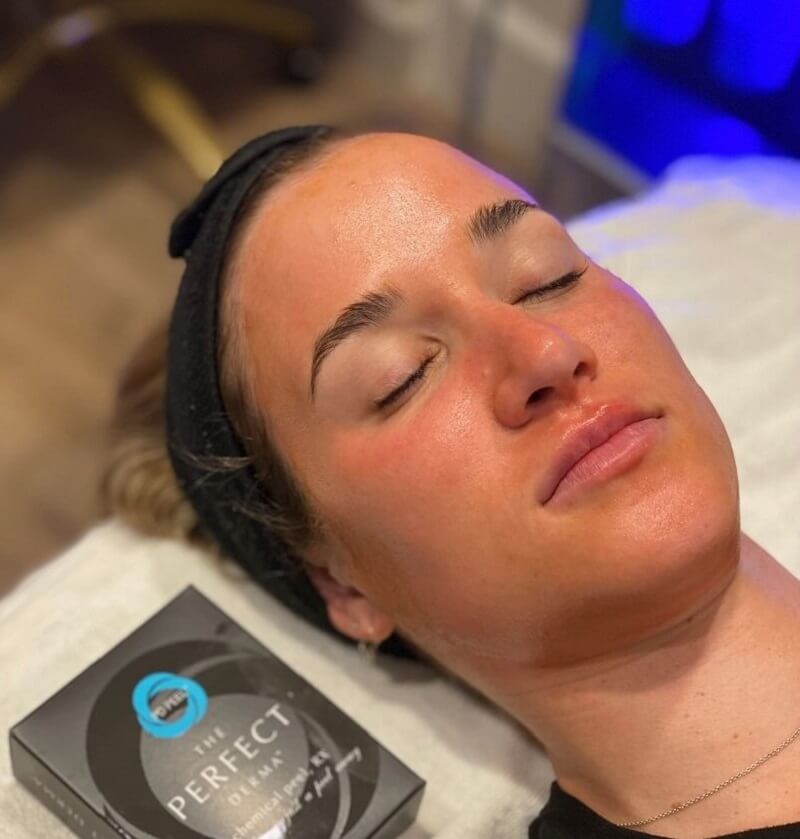
Chemical peels are not painful because providers use gentle ingredients or, in the case of stronger peels, numbing agents. You may feel a mild to moderate stinging, tingling, or burning sensation.
The treatment’s intensity depends on the type of chemical peel.
Results depend on the peel type and the condition treated. You can expect improved skin tone and texture, and reduced fine lines, pigmentation, and mild scarring.
Superficial peels enhance skin tone and texture almost instantly, revealing smoother, brighter skin after a few days. Most dermatologists recommend regular touch-ups to prolong and maximize the results.
Medium and deep peels take one to two weeks to show full results. With stronger peels, the results are longer-lasting, but there are no maintenance sessions.
Light peels may cause slight skin flaking for two or three days, but many patients do not experience any peeling at all. The skin may appear slightly dry or dull before revealing a brighter, smoother layer.
With medium peels, the skin starts shedding after three to five days and may continue peeling for seven to ten days.
Deep peels cause more dramatic side effects, including peeling that lasts up to two weeks.
While you cannot completely avoid peeling, you can minimize it by moisturizing the skin and using cold compresses and soothing skincare products recommended by your provider.
Light chemical peels provide subtle results that last for about one month and require repeated treatments.
Medium chemical peels leave more visible results for about six months after a series of treatments.
Deep chemical peels involve one treatment and provide dramatic effects that may last for years.
Depending on the type of chemical peel, you may experience the following side effects:
Light chemical peels cause minimal side effects, while redness from deep chemical peels may last for three months.
More severe risks of chemical peel treatments include:
Following the aftercare guidelines provided by your medical provider can speed up the recovery and enhance the results. Different chemical peel types require a different aftercare regimen.
The following general tips apply to all chemical peels:
People with the following conditions should avoid chemical peels:
Consult a board-certified dermatologist who specializes in chemical peels to determine the best course of action and discuss your eligibility for the procedure. You may need a particular pre-treatment regiment to reduce the risk of skin damage.
Prices may vary depending on the provider’s expertise, the type of peel, the time and effort required, and the clinic’s location. Deep peels may cost up to a few thousand dollars because they require anesthesia and carry more risk.
At Vibrant Skin, we offer the following peel treatments:
Note: Discover the numerous benefits of the RevitaPen treatment.
Let us explore answers to the most frequently asked questions about this treatment.
Yes, chemical peels have a powerful rejuvenating effect, leaving the skin radiant, smooth, and younger-looking for days.
Medium and deep chemical peels deliver more dramatic anti-aging results by fading discoloration, improving texture, and restoring a fresh, luminous complexion.
Light chemical peels can be performed at home safely to treat minor skin concerns. You can use over-the-counter products with gentle exfoliating acids, such as:
When used moderately and as directed, these acids gradually improve skin texture and brighten the complexion.
Never attempt to perform medium or deep chemical peels by yourself as they require professional application from a licensed aesthetician. If done at home, they can cause skin damage, prolonged irritation, burns, and scarring.
The frequency depends on your skin type, sensitivity, goals, and the peel’s strength. These are some general guidelines:
Consult your dermatologist about potential benefits and risks involved with regular maintenance sessions. They will help you decide which type to choose and how often to perform it based on your skin condition and aesthetic concerns.
Before scheduling an appointment, discuss the following factors with your provider:
Patients love chemical peels, especially the less invasive light and medium options, because they deliver impressive results with minimal risk and no needles. When performed by a licensed professional, peels can give you youthful, glowing skin and a smoother complexion that last for days or months.