Sofwave therapy is a minimally invasive skin-rejuvenating treatment that uses advanced ultrasound technology to tighten lax skin by stimulating collagen and elastin production. It is gentler than other energy-based procedures and is typically well tolerated across all skin types, with minimal downtime and discomfort.
This article explores whether Sofwave hurts, why discomfort may occur, and effective ways to reduce potential pain.
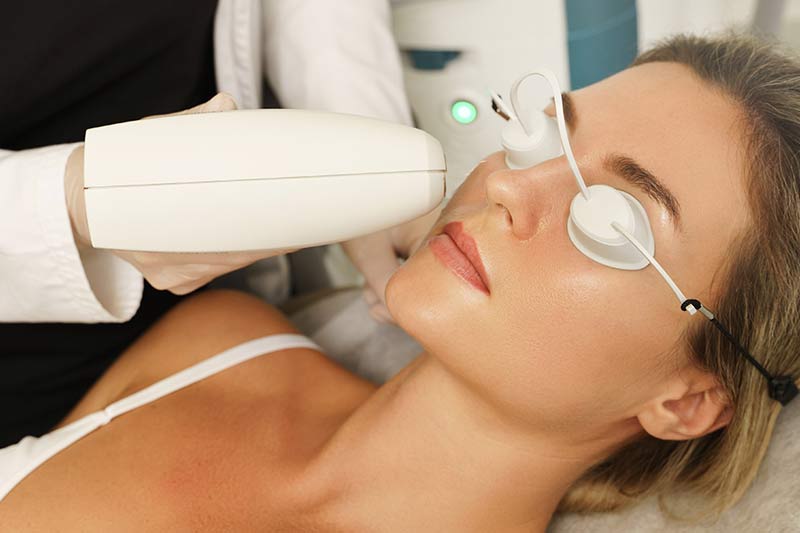
Does Sofwave Hurt?
Most patients are pleasantly surprised by how gentle Sofwave™ therapy feels, reporting only mild to moderate discomfort during the procedure. As the device heats the mid-dermal layer to stimulate collagen regeneration, you may experience sensations such as:
- Warmth
- Pulsing waves of heat
- Tingling
- Mild prickling
- Tenderness
These sensations are temporary and typically occur in short pulses lasting just a few seconds. Sofwave delivers energy in controlled bursts before moving to the next treatment area, which makes the session comfortable and well-tolerated.
Discomfort varies depending on the sensitivity of the treated area and the individual’s pain threshold. However, Sofwave is more comfortable than other skin-tightening treatments thanks to its built-in SofCool™ technology, which continuously cools the skin’s surface, protecting it and minimizing discomfort.
Note: Learn how much Sofwave typically costs.
Why May Sofwave Hurt?
Sofwave’s micro-layered ultrasound technology interacts with the skin, nerves, and underlying tissues, creating sensations that some patients may find less tolerable.
The following factors influence what you may feel during a Sofwave treatment:
- Skin-tightening response – The skin responds to heat waves by temporarily contracting collagen fibers, creating a mild tugging or pulling sensation.
- Inflammatory response – Sofwave triggers a mild inflammatory response in the mid-dermal layer, stimulating collagen regrowth. This temporary reaction may heighten skin sensitivity during the treatment.
- Treatment area sensitivity – Areas with thinner or more delicate skin, such as the jawline or under the eyes, tend to be more sensitive and may feel more uncomfortable.
- Nerve stimulation – Regions with a higher concentration of nerve endings, particularly around the eyes, can react more strongly to ultrasound energy.
- Ultrasound energy penetration – The ultrasound energy penetrates deep into the dermis, creating targeted thermal zones that may produce a warming or prickling sensation.
- Duration of the treatment – Longer sessions can increase discomfort, especially when treating areas that are naturally more sensitive.
It is important to remember that sensitivity varies from person to person. While some patients feel minimal discomfort, others may notice tingling, warmth, or prickling due to a lower pain threshold.
Note: Read about how long Sofwave lasts and ways to maximize the results.
How to Make Sofwave Less Painful?
The provider carefully prepares the skin to enhance tolerance, tailoring each treatment to the patient’s skin sensitivity and comfort level. Here are the most effective pain-management strategies that can make a Sofwave experience smooth and comfortable.
Hydration and Skin Preparation
Drinking plenty of water and moisturizing the skin with gentle, biome-friendly products will increase skin resilience, enhance the protective barrier, and minimize potential discomfort during a Sofwave treatment.
Numbing Cream
Topical numbing creams with lidocaine can reduce discomfort during treatment, especially if you are a first-time patient or a low-pain-tolerance individual. While this step is not mandatory, most providers choose to apply a numbing agent twenty to thirty minutes before the session to improve comfort and overall experience.
Short Breaks During Treatment
If the heating or prickling sensations become too intense, you can signal to your provider to pause the treatment. Short breaks allow the skin to recover between warming pulses and give you time to adjust to the procedure's rhythm.
Energy Settings Adjustment
Experienced Sofwave providers modulate ultrasound energy based on your skin response, pain tolerance, and treatment area. Adjusting the intensity of the device will decrease potential discomfort in sensitive areas without compromising results.
Cooling Methods
Sofwave’s integrated cooling mechanism (Sofcool™) protects the top layer of the skin while reducing the heat sensation. In addition, some clinics may also include cold packs, compresses, and other cooling devices to soothe the skin and prevent potential irritation.
Pain-Relief Medication
If you have sensitive skin or are concerned about potential discomfort, you may take over-the-counter pain relievers, such as ibuprofen or acetaminophen, with your provider’s approval. Most patients experience little to no discomfort during or after the procedure, so this step is rarely required.
Note: Read about the effectiveness of Sofwave for cellulite and facial rejuvenation.
Sofwave Pain FAQ
Here are the answers to the most frequent questions about pain during and after Sofwave treatment.
Does It Hurt After a Sofwave Treatment?
Post-treatment sensations such as mild tenderness, warmth, or slight tingling are temporary and typically subside within a few hours. Some patients may also notice a feeling of tightness or mild tingling in the treated area as collagen regeneration activates, but these sensations usually resolve on their own within a few days.
You may experience heightened heat sensitivity, which is why hot showers, saunas, and intense heat exposure are not recommended right away.
Prolonged or severe pain, soreness, or discomfort is uncommon. Sofwave requires no downtime and causes no peeling, so most patients return to their normal daily activities immediately after treatment.
Which Is More Painful, Ultherapy or Sofwave?
Both Sofwave and Ultherapy use ultrasound technology to lift and tighten the skin, but they differ in how deeply they deliver energy and how the treatment feels.
Sofwave uses a micro-layered approach that targets the mid-dermal layer, whereas Ultherapy penetrates deeper into the dermis and underlying structural tissue, producing more intense discomfort during and after treatment.
Sofwave bypasses the skin’s pigment layer and delivers heat with built-in cooling, making it generally more comfortable and gentler compared to other ultrasound lifting procedures, microneedling with radiofrequency, or laser resurfacing.
When to See a Doctor About Sofwave Pain?
Seek immediate medical attention if you notice any of the following:
- Persistent or worsening pain
- Increasing redness, numbing, or tenderness
- Bruising or swelling
- Prolonged tingling or unusual sensations
- Skin inflammation or allergies
Addressing these symptoms promptly can prevent rare complications, such as nerve irritation or skin injury. Scheduling a Sofwave treatment with a licensed, experienced professional will reduce the risk of potential side effects.
Conclusion
Sofwave is generally considered a gentle, well-tolerated treatment that revitalizes and tones the skin with no downtime. While mild, temporary discomfort may occur, most sensations are manageable and subside quickly. To ensure a smooth experience, choose a reputable clinic with experienced professionals who know how to customize Sofwave settings for different treatment areas and individual skin concerns.
Connect with our skin experts at Vibrant Skin Bar to plan your first visit and rejuvenate your skin in a comfortable, welcoming environment.