Estrogen is a hormone that regulates female sexual development and reproductive function. Men produce it in smaller amounts to support erectile function and sperm production. Estrogen also helps maintain a healthy heart, bones, muscles, and a stable mood.
People with low estrogen levels suffer from unpleasant symptoms. This article explores the causes and effects and explains how to increase estrogen.
What Is a Low Estrogen Level?
Hormones fluctuate all the time, depending on their function, the time of day or month, and specific external factors. It is normal to experience low estrogen after ovulation and at the end of menstruation.
However, if a certain condition prevents the ovaries (or testes) from releasing enough hormones, a patient can experience consistently low estrogen levels. This can lead to unpleasant symptoms and disrupt everyday life.
Low Estrogen Symptoms
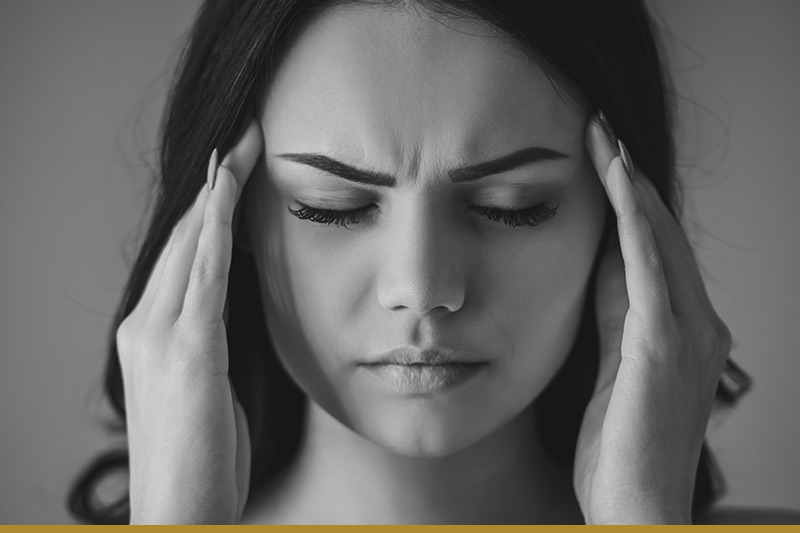
Low estrogen produces various symptoms. Keep in mind, however, that all the symptoms listed below can also result from other conditions. It is important to consult a medical provider to determine the accurate cause.
Potential symptoms of estrogen deficiency include:
- Hot flashes
- Night sweating
- Irregular periods
- Vaginal dryness
- Low libido
- Mood swings
- Brain fog
- Sleep issues (such as hormonal insomnia)
- Fatigue
- Weak bones
- Weight gain
- Skin changes
Low Estrogen Causes
Estrogen decline usually happens because of aging and menopause. Other causes include medical conditions, such as:
- Primary Ovarian Insufficiency (POI) - Also called premature menopause, POI manifests as the cessation of menstrual cycles before the age of 40. The ovaries stop producing eggs, and estrogen declines.
- Female Hypogonadism - Female hypogonadism causes impaired ovary function and decreased production of eggs and sex hormones (estrogen and progesterone).
- Removal of Ovaries - The surgical removal of ovaries due to conditions like ovarian cysts and cancers results in early menopause.
- Turner Syndrome - Turner syndrome, a genetic disorder in which one of the X chromosomes is missing, leads to ovarian failure.
- Autoimmune disorders - Several autoimmune disorders related to thyroid and adrenal gland functioning can cause ovarian insufficiency, including Addison’s, Grave’s, and Hashimoto’s disease.
- Hypopituitarism - When the pituitary gland doesn’t produce enough gonadotropins (luteinizing hormone (LH) and follicle-stimulating hormone (FSH)), this disrupts ovarian function and estrogen production.
- Eating disorders - Disorders such as anorexia, bulimia, and extreme dieting cause nutrient deficiencies, often leading to hormonal imbalances.
Note: Learn about the dangers of fad diets and find out why they never yield long-term results.
Low Estrogen Risk Factors
Risk factors that increase the chance of premature estrogen decline include:
- Family history of hormonal conditions
- Chemotherapy or radiation
- Certain medications (NSAIDs and anti-depressants)
- Nutrient deficiency
- Excessive exercise
- Stress
How Is Low Estrogen Diagnosed?
Doctors diagnose estrogen deficiency during a medical examination that includes:
- Talking to the patient about their symptoms and medical history.
- Blood tests that measure estrogen and, potentially, other hormones - sex hormones progesterone and testosterone, gonadotropins (FSH, LH), and thyroid hormones (T3, T4, TSH).
- Pelvic ultrasound or MRI to check for cysts, cancers, and other ovarian abnormalities.
How to Prevent Low Estrogen?
We can’t prevent the natural decline of estrogen caused by aging. However, certain lifestyle modifications can lower the risk factors that cause early signs of low estrogen.
Avoid Excessive Exercise
Frequent high-intensity workouts can deplete the body of essential nutrients and cause physical stress, disrupting regular ovulation in women and reducing estrogen production. Aim at getting 150 minutes of moderate weekly exercise to help your body regulate appetite and body fat and maintain a hormonal balance.
Consume Enough Nutrients
Nutrient deficiencies are associated with hormonal disruptions. Avoid unhealthy foods and fad diets to ensure your body receives the optimal amount of necessary nutrients, especially vitamins B and D, which are involved in estrogen metabolism. Use vitamin supplements to ensure adequate daily nutrient intake.
Note: When it comes to vitamin B supplements, Vibrant Skin Bar recommends vitamin B IV therapy and vitamin B12 injections.
Eat More Phytoestrogens
Phytoestrogens are chemicals in food that mimic estrogen activity. Research shows that consuming 50 mg of phytoestrogens daily may help maintain healthy estrogen levels. Foods high in these chemicals include:
- Fruits (apples, berries, grapes, plums)
- Vegetables (kale, spinach, broccoli, onions)
- Grains (wheat, oats, barley)
- Nuts and seeds
- Soy
Note: Learn more about the link between gut health and hormones.
Get Plenty of Sleep
Sleep disorders and hormonal imbalances perpetuate one another. Aim at getting seven to nine hours of sleep every night to support healthy hormonal activity.
How to Treat Low Estrogen?
Doctors prescribe hormone replacement therapy (HRT) to women with diagnosed low estrogen. HRT can consist only of estrogen or a combination of estrogen and progesterone. The treatment is FDA-approved for the following low estrogen-related conditions:
- Menopausal symptoms (e.g., hot flashes, vaginal dryness)
- Osteoporosis
- Absence of menstrual cycles
Doctors also prescribe HRT in an off-label procedure to treat polycystic ovarian syndrome (PCOS).
HRT balances sex hormones and serotonin, providing relief from physical and emotional difficulties, including:
- Low sex drive
- Anxiety
- Depression
- Hair loss
- Insomnia
- Acne
Note: Vibrant Skin Bar provides female hormone replacement therapy in the Phoenix area. Contact us to learn more about the treatment or to book a consultation.
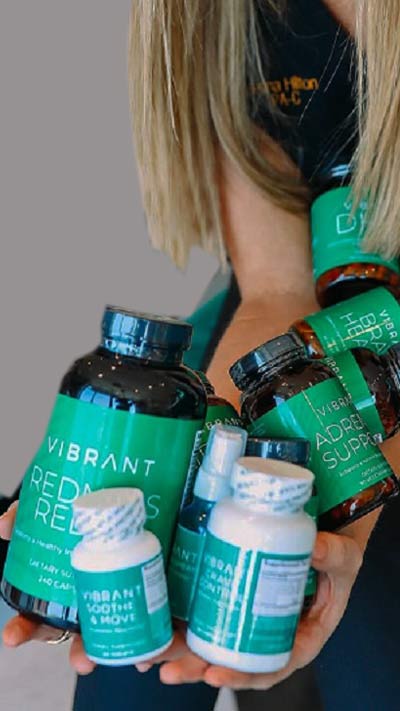
Patients suffering from low estrogen also benefit from natural supplements. These products are formulated with soothing botanicals, vitamins, antioxidants, and other nutrients that promote relaxation, relieve stress, promote gut health, and improve overall wellbeing.
Be mindful that supplements don’t treat the root cause of a hormonal imbalance, even though they can alleviate its unpleasant symptoms.
Note: Find out which supplements can balance hormones and how to perform a hormone detox to alleviate symptoms of a hormonal imbalance.
Can Low Estrogen Be Serious?
Low estrogen leads to low bone density, weight gain, and high cholesterol, increasing the risk of osteoporosis, obesity, and heart disease. If left untreated, it can also cause infertility in both men and women.
Conclusion
Declining estrogen is a natural occurrence that comes with aging. This process disrupts many bodily functions and creates unpleasant symptoms.
Fortunately, modern medicine brings effective solutions for low estrogen. Patients are also encouraged to make lifestyle modifications to help balance hormones and reduce the risk of premature estrogen decline.
If you need help addressing the symptoms of low estrogen, Vibrant Skin Bar is the right place to be.