Sofwave and Ultherapy are among the most popular ultrasound treatments for non-invasive skin tightening and rejuvenation.
This article explains the differences between Sofwave and Ultherapy, helping you choose the treatment that matches your aesthetic goals.

What Is Sofwave?
Sofwave™ is the latest innovation in ultrasound technology designed to reduce aging signs through collagen and elastin regeneration. It is FDA-cleared to lift the skin and smooth fine lines and wrinkles, helping prevent premature aging. Sofwave delivers energy precisely into the most collagen-dense skin layers and includes a built-in cooling mechanism that protects the skin’s surface from burns and discomfort.
What Is Ultherapy?
Ultherapy® is an ultrasound cosmetic treatment that appeared a decade before Sofwave. While the principle is the same as Sofwave, delivering thermal energy into deeper skin layers, it is more invasive. It builds collagen to tighten, tone, and smooth the skin, visibly improving laxity, fine lines and wrinkles, and other aging signs.
What Are the Differences Between Sofwave and Ultherapy?
The table below presents key similarities and differences between Sofwave and Ultherapy.
| Sofwave | Ultherapy | |
|---|---|---|
| Technology | Synchronous Ultrasound Parallel Beam (SUPERB) | Micro-Focused Ultrasound with Visualization (MFU-V) |
| Depth of energy delivery | 1,5 mm | 1,5 mm - 4,5 mm |
| Cosmetic concerns | Fine lines and wrinkles; mild to moderate skin laxity in the lower face, neck, and upper arms; acne scars; cellulite. | Mild to moderate skin laxity in the brows, submental area, and neck; fine lines and wrinkles on the face, neck, and chest. |
| Longevity of results | Up to one year. | 1 – 2 years. |
| Number of required sessions | Usually one. | One. |
| Side Effects | Mild redness, swelling, and tenderness. | More intense swelling, redness, pain, discomfort. |
| Cost | $3,500 (for full face and neck). | $2,000 - $4,000 (for full face and neck). |
Sofwave vs. Ultherapy Technology
Sofwave and Ultherapy use ultrasound energy to stimulate increased collagen and elastin production, but their modalities differ.
Sofwave
Sofwave uses advanced Synchronous Ultrasound Parallel Beam (SUPERB) technology to create tiny zones of thermal coagulation below the epidermis at a precise depth of 1,5 mm, where most collagen and elastin fibers are made. Because it doesn’t affect the outer skin or deeper layers where fat is stored, Sofwave is considered the safest and least invasive ultrasound treatment.
Ultherapy
Ultherapy is FDA-cleared for skin lifting and tightening through collagen stimulation and deep structural repair. It uses Micro-Focused Ultrasound with Visualization (MFU-V) to send thermal energy into multiple skin layers to a depth of 4,5 mm, targeting the same tissue planes as a surgical facelift. Providers monitor progress with real-time imaging, which helps them see where a collagen boost is needed and customize the treatment accordingly.
Sofwave vs. Ultherapy Ideal Candidates
Sofwave and Ultherapy patients are generally in their 30s and 40s, experiencing mild to moderate loss of skin elasticity and fine lines and wrinkles. The typical concerns that these ultrasound treatments address include:
- Sagging brows
- Loose jowls
- Sagging cheeks
- Excess skin under the chin
- Loose skin on the neck
- Fine lines and wrinkles on the face and neck
In addition to these issues, Sofwave treats upper arm laxity, cellulite on the buttocks and thighs, and acne scars.
Ultherapy is also indicated for chest wrinkles.
Sofwave vs. Ultherapy Benefits
Sofwave and Ultherapy treatments provide multiple benefits:
- Visible skin tightening – Sofwave and Ultherapy stimulate the production of new collagen and elastin fibers, improving skin elasticity and tightening loose skin.
- Decreased fine lines and wrinkles – Improved skin elasticity leads to smoother skin and fewer fine lines and wrinkles.
- Safe for all skin types – Sofwave and Ultherapy target water molecules rather than the pigment melanin, reducing the risk of pigmentation changes. The treatments are safe for all skin types and tones, including dark skin.
- No downtime – The treatments are minimally invasive, creating controlled injury without damaging the skin. Patients can resume their normal daily activities immediately.
- Natural results – As collagen regenerates over time, the skin gradually improves, contributing to a naturally tighter, smoother, and refreshed look.
Sofwave and Ultherapy offer additional benefits specific to each treatment.
Sofwave
- Minimizes acne scars – Sofwave is FDA-approved to treat atrophic acne scars. Collagen helps even out scar tissue and improves overall tone and texture.
- Sofcool – The device’s integrated cooling mechanism significantly increases safety and reduces pain.
Ultherapy
- Reduced chest wrinkles – Ultherapy is FDA-approved for chest wrinkles and laxity.
- Real-time imaging – Ultherapy’s unique visualization feature allows providers to see the targeted skin layers during treatment, increasing precision, safety, and the ability to address specific skin concerns more effectively.
How to Prepare for Sofwave and Ultherapy Treatments?
Both treatments require minimal preparation. During the initial consultation, providers advise patients to follow these steps before coming in for the session:
- Stay away from the sun and tanning beds for one week.
- Avoid Botox and fillers for two weeks before ultrasound treatments.
- Don’t use retinol, vitamin C, and other harsh skincare products for one week.
- Drink plenty of water for a few days before the procedure.
- Arrive at the appointment without makeup or jewelry.
What to Expect During Sofwave and Ultherapy?
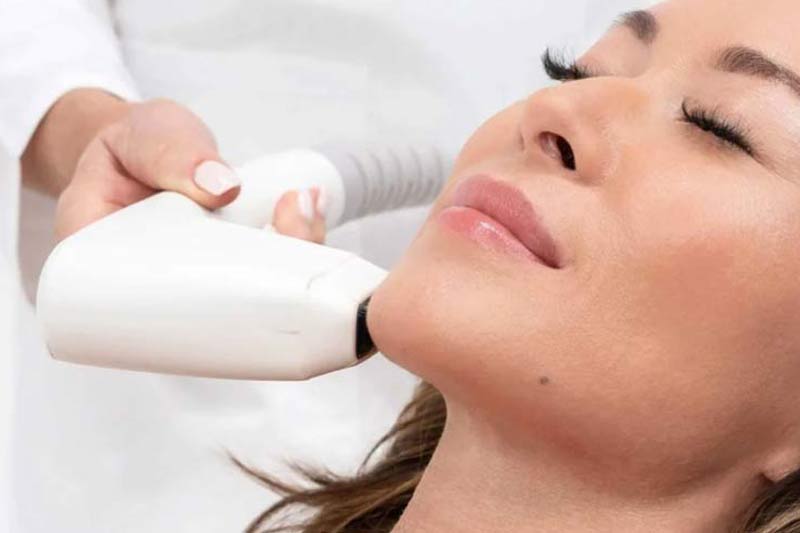
Both treatments start with the provider disinfecting the patient’s skin in the treatment area. They typically apply a numbing cream to reduce pain and discomfort, then proceed with the main part of the treatment once the cream takes effect (after 30-45 minutes).
Sofwave
Sofwave consists of a handheld device connected to the main console with different settings. The provider glides the handheld device over the treatment area, sending ultrasound energy into the patient’s skin in pulses. Each pulse lasts 4-5 minutes, during which the patient may feel slight discomfort from the heat.
The session lasts 30-45 minutes, depending on the treatment area size. Most patients need only one treatment to reach their desired goals and annual sessions to maintain them.
Ultherapy
Like Sofwave, Ultherapy uses a handheld device connected to the main console with a screen that displays real-time ultrasound imaging of the targeted tissue layers. The provider presses the device against the patient’s skin for several seconds, then moves to the next area. Patients typically feel brief bursts of heat or tingling, but the discomfort is manageable.
The session lasts 30-90 minutes, depending on the size of the treatment area. Most patients need one treatment.
Sofwave vs. Ultherapy Results
Sofwave and Ultherapy are FDA-cleared to tighten the skin and reduce fine lines and wrinkles. Because of differences in the depth of energy delivery, the treatments yield distinct results.
Sofwave
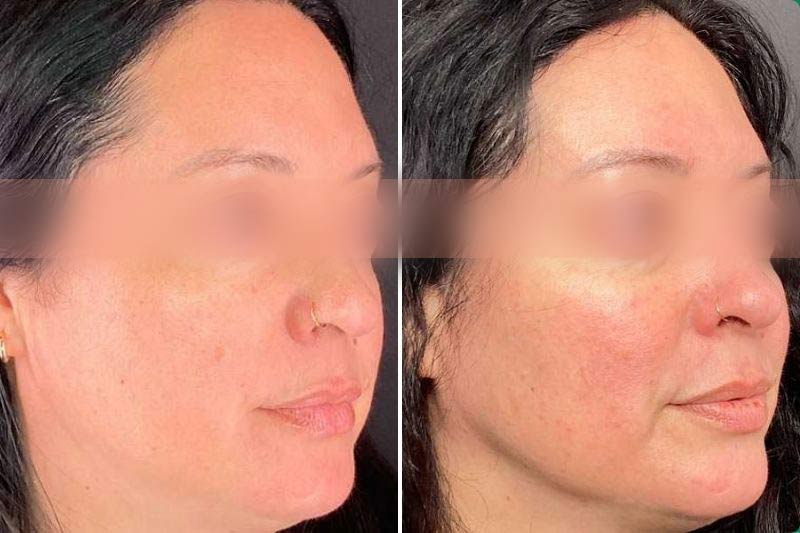
Some patients notice immediate improvement in their skin condition after a treatment, but the desired effects appear within three months due to the gradual nature of collagen regeneration. Sofwave visibly firms and smooths the skin in patients with mild to moderate skin laxity and wrinkles. The results last up to one year.
Ultherapy
Ultherapy reaches deeper skin layers, providing structural remodeling and more significant skin tightening. Subtle results can be seen within several days. The skin appears refreshed and smoother. As collagen and elastin regenerate, the skin becomes tighter and its texture more even. After 3 – 6 months, the skin is visibly lifted and rejuvenated. Ultherapy is particularly useful for more pronounced sagging in the lower face, neck, and decolletage.
The results last up to one year or longer.
Are There Any Side Effects of Sofwave and Ultherapy?
Like any cosmetic treatment that heats the skin, Sofwave and Ultherapy may cause side effects. Common symptoms include:
- Mild redness and swelling
- Tenderness
- Tightness
- Discomfort
The symptoms usually resolve within a few hours after Sofwave. The side effects are more intense and longer lasting after Ultherapy because of deeper energy delivery. They usually disappear within a few days.
Should Anyone Avoid Sofwave and Ultherapy?
Ultrasound treatments are safe for healthy adults. Specific conditions can increase the risk of side effects, and providers may recommend alternative treatments. These conditions include:
- Pregnancy and lactation
- Infections, open wounds, lesions, or cystic acne in the treatment area
- Metallic implants in the treatment area
- Having had dermal fillers in the previous two weeks
- Bleeding disorders
- Autoimmune disorders
The provider reviews the patient’s medical history and potential contraindications before the procedure to ensure a safe experience.
Do Sofwave and Ultherapy Require Any Aftercare?
Both treatments require following a specific set of lifestyle and skincare practices to ensure smooth recovery and maximize the results.
Below are aftercare guidelines for both treatments.
Sofwave
- Avoid strong skincare ingredients, including retinol and brightening agents for 24 hours.
- Avoid sources of high heat, including sun exposure, tanning beds, saunas, hot yoga, etc. for 24 hours.
- Drink plenty of water.
- Wear sunscreen when outdoors.
Ultherapy
- For swelling and discomfort, use cold compresses on the second day of the treatment.
- Avoid excessive sweating from exercise or the sauna.
- Use gentle moisturizers and hydrating masks daily.
- Avoid alcohol for at least 72 hours.
- Drink plenty of water.
- Avoid facials and laser treatments for two weeks.
- Avoid powerful active ingredients, such as retinol, exfoliating agents, and brightening serums for several days.
- Wear sunscreen when outdoors.
Sofwave vs. Ultherapy Cost
The cost of each cosmetic treatment depends on several factors, such as the patient’s specific needs and the provider’s expertise.
Below are cost estimates for Sofwave and Ultherapy.
Sofwave
Sofwave treatments typically start at $500 - $1,000 for smaller areas, such as the brows, and reach several thousand dollars for larger areas.
At Vibrant Skin Bar, patients can choose between two packages. Sofwave Face costs $3,000, and Sofwave Face and Neck costs $3,500.
Ultherapy
Ultherapy costs between $500 for smaller areas to over $5,000 for multiple areas. The average cost of a full-face treatment is from $2,000 to $4,000.
Sofwave vs. Ultherapy FAQ
These frequently asked questions and answers further explain the distinctions between Sofwave and Ultherapy and can help you choose the appropriate treatment.
Can I Do Ultherapy After Sofwave?
Yes, having Ultherapy after Sofwave is a common practice for patients who want to combine the treatments for more comprehensive results. It helps enhance overall lifting and firming. Providers typically recommend spacing the two treatments 4-6 weeks apart.
Can You Do Ultherapy and Sofwave at the Same Time?
Ultherapy and Sofwave can be combined as part of a comprehensive skin-tightening protocol, but providers usually space the sessions several weeks apart to allow the skin to recover and to evaluate the results of the first procedure.
Should I Get Sofwave or Ultherapy?
Sofwave is ideal for patients who want to correct surface irregularities, soften wrinkles, and improve texture with no downtime.
Ultherapy reaches deeper and is suitable for patients who want more intense lifting and tightening rather than just surface-level improvements.
Your provider will advise you on the best cosmetic strategy for your skin goals.
Conclusion
Sofwave and Ultherapy are non-invasive ultrasound treatments that provide natural-looking skin tightening and lifting effects. Sofwave is gentler and causes no downtime. Ultherapy penetrates deeper and may deliver more dramatic lifting, though with a slightly higher risk of temporary adverse effects.
Choose a reputable cosmetic professional to help you choose the right treatment and achieve your beauty goals safely.