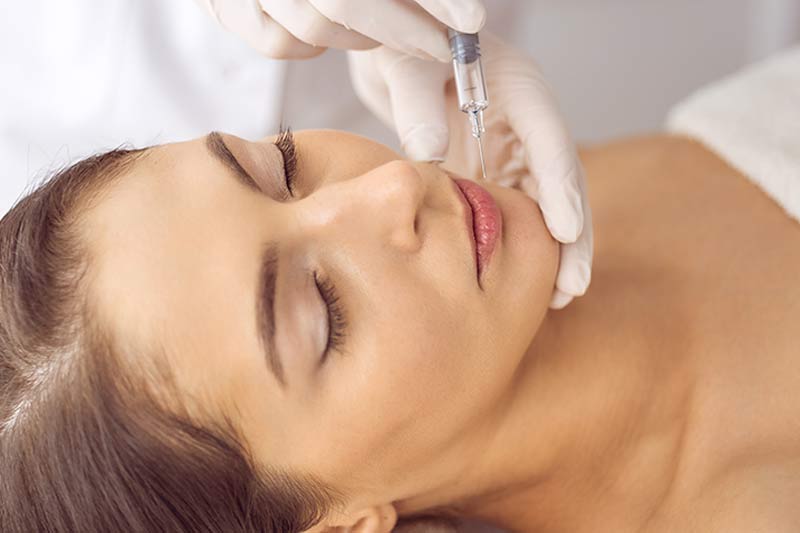
Lip fillers are among the most frequently booked treatments at beauty clinics. They are an excellent way to achieve fuller, more pronounced lips with a 30-minute, minimally invasive procedure.
Most dermal fillers for lips are made of hyaluronic acid, a chemical found naturally in the human body. The procedure is simple and well-tolerated, but it can cause tenderness, bruising, and swelling.
This article explains why patients experience swelling after lip filler and provides helpful tips on how to speed up recovery when it occurs.
What Causes Swelling After Lip Filler?
The lip area is very sensitive due to a concentration of blood vessels and nerve endings. Pricking the area with a needle triggers the body’s natural response to injection-caused trauma and perceived threat. As the healing process starts, fluid and white blood cells rush to the injured area. In this initial inflammatory phase, swelling is the critical first part of healing.

Lip Filler Swelling Stages
Patients usually experience different stages of swelling after the treatment.
- Immediately after treatment: The lips are puffy, tender, and tight.
- The first 24-48 hours: Inflammation peaks. The lips are usually red, swollen, bruised, and larger than they will be when the swelling subsides.
- Days 3 – 7: Swelling gradually decreases and the lips feel less irritated. They start gaining a more defined look.
- Days 7 – 14: The swelling is typically gone. The lips are full, defined, and the results look natural.
The process is unique to each patient, depending on the injector’s expertise and the patient’s metabolism, aesthetic goals, and post-treatment care. Special aftercare can help speed up recovery.
Can You Avoid Swelling After a Lip Filler?
Choosing an experienced, board-certified medical provider who knows the lip anatomy and how to inject at the right depth and location is the best way to minimize the risk of adverse effects.
However, swelling is the body’s natural reaction to trauma (injection) and usually can’t be avoided, especially in such a sensitive area as the lips.
The following precautions before and after the treatment help minimize the risk of swelling.
- Discontinue using blood-thinners.
- Don’t drink alcohol for several days before the treatment.
- Drink plenty of water.
- Avoid spicy, salty, and sugary foods.
- Take Arnica after the treatment.
- Use cold compresses for the first 24-48 hours.
Note: Read our blog post on Lip Filler Aftercare Tips to learn how to quickly recover from your lip filler treatment and prolong its effects.
How to Reduce Swelling After Lip Fillers
Patients see the final lip filler results once the swelling goes down. Follow these easy aftercare tips to speed up recovery.
What to Do to Reduce Lip Filler Swelling?
The following actions help prevent or reduce swelling, pain, and other related side effects after a lip filler treatment.
Apply Ice
Ice helps ease swelling, bruising, and itching. Apply an ice/cold compress to your lips immediately after the procedure to restrict blood flow and continue doing so for the next 48 hours.
You should first wrap the ice in a cloth or a towel so that the cold surface does not touch your lips, as it could cause mild frostbite. If ice wrapped in cloth still feels too cold, soak a cotton ball or a cotton cloth in iced water and gently apply it to the treatment area.
Ice your lips several times a day for the first two days, for 10-15 minutes at a time.
Keep the Area Clean
Keeping your lips clean for the first 24 hours post-injection is extremely important. Always wash your hands before touching them, change your pillowcase before going to bed, and do not use an old Chapstick or lipstick.
Drink Water
Swelling is the storing of fluids in one concentrated place. Being hydrated allows your body to mobilize fluids and let them move freely, keeping their flow. Remember to stay hydrated and drink plenty of water. Drinking a lot of water also helps your body heal.
Eat Well
This is our general advice all the time, but it also comes in handy when dealing with lip filler swelling. Eating healthy and hydrating with fruits and vegetables assists with the healing process. Avoid high-sodium foods because they worsen swelling.
Elevate Your Head
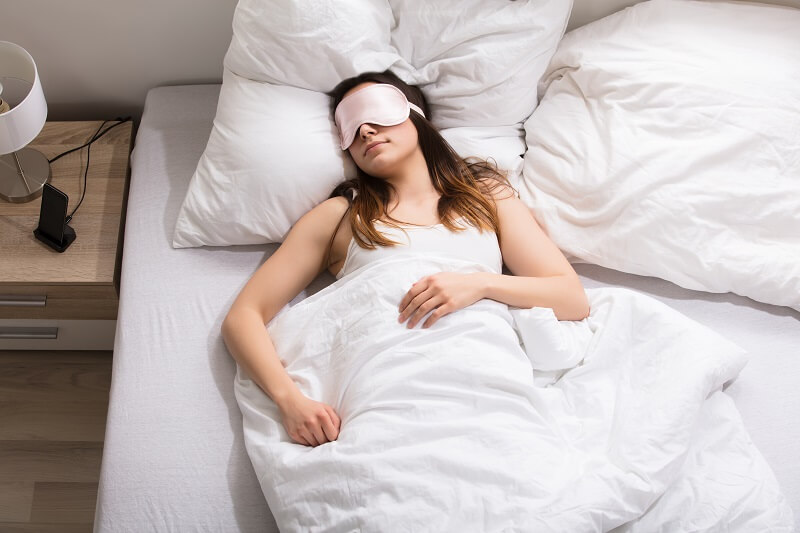
Keeping the head higher than the neck helps fluids drain away and reduce lip filler-induced swelling. Use an extra pillow as the added elevation will help prevent fluids from pooling in the face.
Take a Pill
Consult with your injector about the recommended painkiller. Over-the-counter antihistamine pills can reduce swelling and OTC Tylenol helps control post-procedure pain. Most practitioners advise patients to avoid NSAIDS such as Motrin/Ibuprofen and Aspirin since they may increase the likelihood of bruising. Always talk to your provider before taking any medication.
Be Patient
Swelling after lip fillers usually goes away within a week. Some patients love the swollen look of their lips and are disappointed when their lips settle to the full effect of fillers. If that’s the case, you can have a top-up to give you your desired look. In any case, be patient for the first several days after the treatment—soon you will be able to enjoy your plump lips.
What to Avoid to Reduce Lip Filler Swelling?
Lip filler providers recommend refraining from some of the following activities during the first 24 hours after treatment, and some should be avoided for up to a week.
Avoid Strenuous Exercise
Avoid strenuous exercise 24 to 48 hours after your lip filler treatment for several reasons:
Sweating on the needle entry points—the little dots around the lips where the needle punctured the skin—can introduce bacteria. Additionally, elevated blood pressure and heart rate can lead to heavier swelling or bruising. Finally, heavy exercise affects your hydration levels, and you should not allow yourself to get dehydrated after lip fillers.
If you have the urge to move, walking or similar light activity can be your exercise of choice in the first 48 hours post-treatment.
Don’t Apply Pressure to the Area
It is important not to apply deep pressure to your freshly injected lips. The filler provider can lightly massage the treated area to help with any lumpiness or asymmetry, but don’t do this at home. Inexpertly massaging the area increases swelling and disperses the freshly injected filler, leaving you with undesirable results.
Avoid High Heat
Avoid high temperatures in the 48 hours after your lip filler treatment. Extreme heat can make the swelling more pronounced. Avoid saunas, steam rooms, hot yoga, and hot showers for at least 48 hours. Use lukewarm water until you notice the swelling has significantly decreased.
Refrain from Alcohol
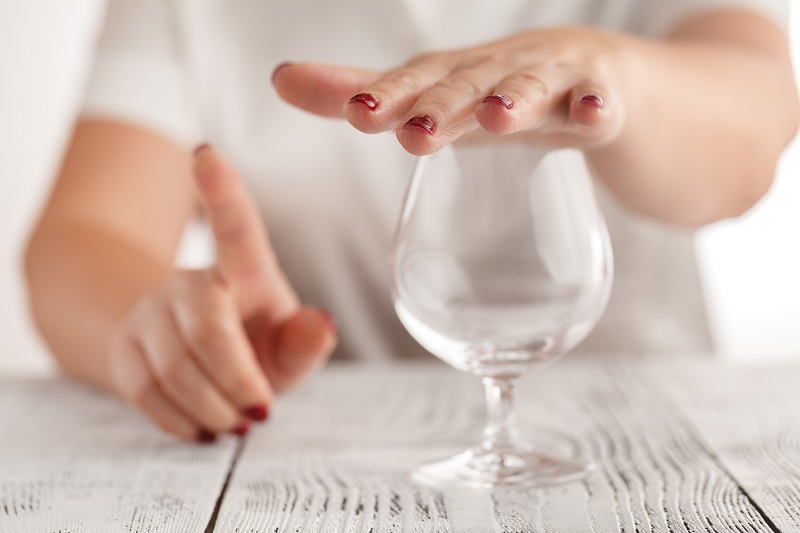
Alcohol dilates blood vessels, which can worsen swelling after lip fillers. It also causes inflammation and bruising. Avoid it after the treatment and for several days before the treatment.
Postpone Flying
Wait at least a week after your treatment before you hop on a plane. Two weeks is even better. Changes in atmospheric pressure, as happens on planes, can affect the newly injected filler in some patients. Additionally, the air on the plane is very dry and can dehydrate you.
Avoid Routine Dental Work
Dental work can introduce bacteria into your bloodstream and increase the risk of developing nodules in your freshly injected lips. We advise avoiding routine dental work for two weeks after the treatment.
Avoid Kissing
To reduce swelling after lip fillers, you should rest and protect your lips. Refrain from hard kissing for the next 48 hours.
Don’t Drink Through a Straw
Avoid activities that put pressure on your lips. Don’t drink through a straw right after getting lip fillers so as not to exacerbate swelling.
Avoid Wearing Lipstick
Lips are very tender after getting lip fillers. Stay away from lipstick until you notice a reduction in swelling. If you must wear it, use a brand-new tube and apply it very gently. Opt for one that contains SPF for added protection.
Don’t Sleep on Your Stomach
Some belly sleepers will have a hard time fighting this urge, but it is important to stay flat on your back. Not applying pressure to your face and lips will help reduce swelling.
Avoid Natural Remedies
Black tea bags, herbal ointments, coconut oil, witch hazel, tea tree oil, and aloe vera gel are claimed to be natural remedies for swelling after lip fillers. They may or may not help, but they can potentially do more harm than good. It is best to ask your injector for advice on what you can use.
Swelling After Lip Filler FAQ
The following questions and answers provide more details on swelling after lip filler and how to care for your lips post-treatment.
When Is Swelling the Worst After Fillers?
Swelling is usually the worst on the second day of the treatment. That is when the lips are typically the largest and firmest and bruising becomes prominent. The swelling usually subsides after this peak.
Is Uneven Swelling After Lip Filler Normal?
Yes, uneven swelling can occur after a lip filler due to inflammation, fluid retention, and because the filler hasn’t properly settled yet. In most cases, the lips appear more symmetrical once they are healed. However, if the asymmetry persists for longer than the typical recovery period of two weeks, it’s best to contact your filler provider.
Should I Massage the Swollen Lip Filler?
No, never massage or apply pressure to swollen lips after a filler, unless your provider gives you specific guidance on how to do it. Massaging swollen lips on your own without proper instructions may worsen swelling and negatively affect the results.
When to Worry About Lip Filler Swelling?
Some symptoms indicate that the filler isn’t healing properly and require an evaluation by your medical provider. These include swelling accompanied by worsening pain, allergic reactions, asymmetrical results after the expected recovery period, lumps that don’t go away, and pus at the injection site. Call or visit your injector promptly if you experience these symptoms.
Note: Check out our Lip Filler FAQ section to get more answers to the most common questions about lip fillers.
Conclusion
Swelling after lip fillers is normal. Slight modifications in your behavior after the treatment can help accelerate recovery.
In rare cases, if the swelling is really intense and lasts more than a week, please contact your doctor right away. You may be having an allergic reaction to hyaluronic acid or a more serious complication.
Lip tissue is so sensitive so choosing a qualified and experienced injector is essential. It will ensure your safety and the best results.