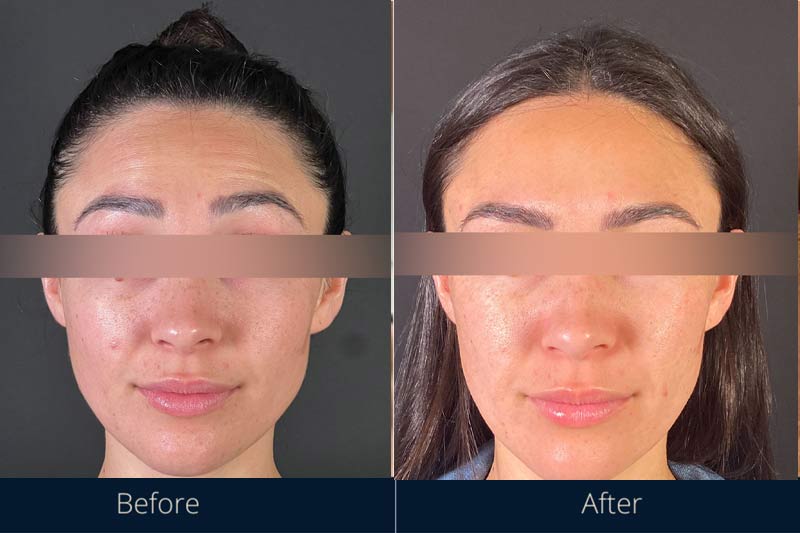
Botox and Xeomin are FDA-approved injectables for reducing facial lines. Patients interested in smoothing out their wrinkles may wonder which of the two anti-wrinkle treatments is better. The following article explains the differences and similarities between Botox and Xeomin, helping you choose the right neurotoxin injectable.
Kristina Cadwell
February 25, 2026
·
8 min read
What is Botox?
Botox is a brand name for botulinum toxin type A, a neurotoxin made by the bacterium Clostridium botulinum. The toxin can be deadly in large quantities, but the cosmetic industry uses small, safe doses to reduce the appearance of facial fine lines and wrinkles.
The generic name for Botox is onabotulinumtoxinA.
What is Xeomin?
Xeomin is a brand name for botulinum toxin type A. Like Botox, it is used in the cosmetic industry to reduce the appearance of facial fine lines and wrinkles.
It is also referred to as “naked Botox” because it is stripped of the complexing proteins that naturally exist around the neurotoxin and contains only the active ingredient, botulinum toxin.
The generic name for Xeomin is incobotulinumtoxinA.
Botox vs. Xeomin Treatment Comparison
The following table sums up the main differences between Xeomin and Botox, two of the six FDA-approved neurotoxin injectables.
Botox
Xeomin
Generic name
onabotulinumtoxinA
incobotulinumtoxinA
Formulation
Botulinum toxin type A with complexing proteins.
Botulinum toxin type A free of complexing proteins.
Storage conditions
Refrigerated.
Refrigerated or at room temperature.
FDA-approved treatment areas
Glabellar (frown) lines between the eyebrows, wrinkles around the eyes (crow’s feet), lines on the forehead.
Glabellar (frown) lines between the eyebrows, wrinkles around the eyes (crow’s feet), lines on the forehead.
The main difference between Botox and Xeomin lies in their composition. Both are produced from Clostridium botulinum, but their other components differ.
Botox
Botox consists of the main active ingredient, botulinum toxin type A, and complexing proteins that are naturally present around it. The Botox injectable also contains human albumin and sodium chloride as inactive ingredients.
Xeomin
Xeomin consists of the main active ingredient, botulinum toxin type A, stripped of its complexing proteins. Some studies show that this purified form of botulinum toxin decreases the chance of the body developing immunoresistance to the treatment.
The Xeomin injectable also contains human albumin and sucrose as inactive ingredients.
Botox vs. Xeomin Uses
Botox and Xeomin are used at medical spas to reduce the appearance of dynamic facial wrinkles caused by repetitive muscle movements.
The neurotoxins are also FDA-approved for other conditions, including muscle spasticity and excess sweating.
When administered in medical spas or clinics, Xeomin has been safely used to treat other wrinkles on the face, such as chin wrinkles and lines around the mouth.
In medicine, Xeomin is used for the following conditions:
Upper limb spasticity
Cervical dystonia
Abnormal spasm of the eyelids (blepharospasm)
Chronic sialorrhea (excessive drooling)
Botox vs. Xeomin Units
The medical practitioner will determine the necessary dosage of the injectable based on the patient’s needs and previous botulinum toxin treatments. The total number of Botox or Xeomin units per treatment should not exceed 400 units for all treated areas combined.
Botox
The recommended Botox units for the most common treatment areas are:
Glabellar lines—Total of 20 units divided into 5 injections of 4 units each, injected into 5 previously marked areas.
Crow’s feet—Total of 24 units divided into 3 injections of 4 units each, injected into 3 previously marked areas on each side.
Forehead wrinkles—Total of 20 units divided into 5 injections of 4 units each, injected into 5 previously marked areas.
Xeomin is typically applied in a 1:1 ratio with Botox, so the recommended amount of Xeomin for FDA-approved areas is approximately the same as the above.
Botox vs. Xeomin Results
Botox and Xeomin provide similar anti-aging results. The injected skin is instantly smoother and the appearance of fine lines and wrinkles is visibly reduced or eliminated within several days.
Botox
The first effects of a Botox treatment usually appear up to two weeks after the procedure. For most patients, the effects of the Botox treatment last for three to four months. Some patients feel the effects for six months.
Xeomin
The first Xeomin results usually appear up to one week after the procedure. For most patients, the effects of the treatment last for three to four months. Some patients feel the effects for six months.
How Long Does Xeomin Last Compared to Botox?
The longevity of Botox and Xeomin results is approximately the same, between three and six months. According to one study, the onset of effects happens slightly earlier with Xeomin than with Botox.
What Are the Side Effects of Botox vs. Xeomin?
Side effects of Botox and Xeomin are similar. They are occasional and usually mild.
Medical providers recommend the same aftercare tips after both treatments. These skincare and lifestyle guidelines help minimize complications and increase the longevity of the results.
Avoid strenuous exercise for 24 hours.
Avoid makeup.
Use gentle skincare products.
Drink plenty of water.
Don’t drink alcohol for 24-48 hours.
Stay away from the sun and sources of high heat.
Apply cold compresses to the treatment area to reduce swelling.
Botox and Xeomin are safe and generally well-tolerated, but some people should consider alternative treatments due to the following conditions:
Pregnancy and breastfeeding
Neuromuscular disease
Facial muscle weakness
Skin conditions or infections
Deep scars
Allergies to the neurotoxin
Drug Interactions with Botox and Xeomin
Certain medications and supplements may cause side effects when used before or after a neurotoxin injection. During your cosmetic treatment consultation, tell your medical practitioner about all prescription and OTC drugs you are taking.
The following medications may cause an adverse reaction if taken before or after a Botox or Xeomin treatment:
Antibiotics taken by injection or inhalation
Muscle relaxants
Allergy or cold medicine
Sleep medicine
Other botulinum neurotoxin products
Botox vs. Xeomin Cost
The cost of a neurotoxin injectable depends on the area treated and how many units the provider recommends.
Botox
At Vibrant Skin Bar, a unit of Botox costs $13.5. The total price of the procedure depends on the areas treated and the desired effects. For example, if you are treating glabellar lines and need 20 units, your Botox treatment’s total price will be $270.
Insurance companies don’t cover Botox and Xeomin for cosmetic purposes because they are not considered a medical necessity. The treatments can be partially or fully covered when they are used to address conditions such as muscle spasticity, abnormal eyelid spasm, excess sweating, etc.
Is Xeomin Better for You Than Botox?
Botox and Xeomin are very similar in terms of how they work, the results they provide, and the longevity of their effects.
Their main difference is in their composition. Xeomin’s lack of complexing proteins makes the injectable stable at room temperature, unlike Botox, which needs to be refrigerated. That makes Xeomin more convenient for storage. It may also minimize the chance of an immune reaction to the treatment.
Discuss your previous anti-wrinkle experiences, potential medical issues, and any medication you are taking with your chosen cosmetic practitioner. They will then choose the appropriate neurotoxin treatment for you.
Botox and Xeomin are FDA-approved injectable treatments that effectively reduce wrinkles and provide long-lasting rejuvenation with regular maintenance.
Schedule a consultation with our seasoned medical providers at Vibrant Skin Bar for a careful skin evaluation and a customized treatment plan.
PA Kristina Cadwell graduated from Arizona State University with a Bachelor of Science degree in Biology. She then completed the Physician Assistant program at A.T. Still University graduating with a Masters of Medical Science degree. Kristina has been working in the Aesthetic Medical field for over 15 years. She is certified in neurotoxin cosmetic injection, dermal fillers, laser therapy, chemical peels, and ultrasound. She is known for producing natural results and has extensive knowledge in nutrition, hormone balancing, microbiome health, diet and exercise. Her latest endeavor is the Vibrant Skincare Line, a microbiome-friendly line of skincare that works with your body. Her passion and the reason she does everything she does? Helping you achieve vibrant skin from the inside out.