Millions of people are struggling to lose weight. The solution to weight loss has recently appeared in an unexpected form – as a side effect of a breakthrough medication for type 2 diabetes, semaglutide, sold under the brand name Ozempic.
While some people without diabetes seek prescriptions for off-label weight loss, this approach can come with trade-offs, including a commonly discussed effect known as “Ozempic face,” where rapid weight loss may lead to changes in facial volume and appearance.
This article explains what Ozempic face is, why it happens, and how to prevent and treat this cosmetic concern.
What Is Ozempic Face?
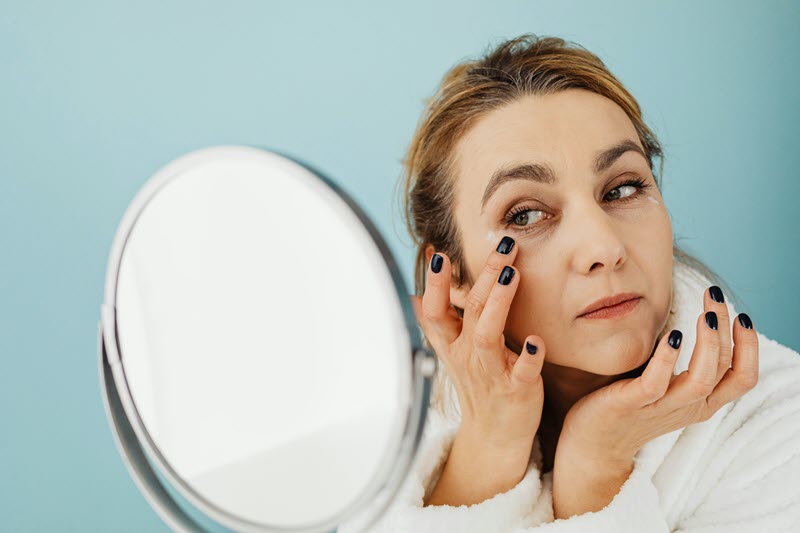
“Ozempic face” is an informal, non-medical term used to describe a sunken, wrinkled, or older-looking facial appearance that can occur with rapid weight loss. It has been widely associated with the use of semaglutide injections, including Ozempic and Wegovy.
These injectable prescription medications are FDA-approved for blood sugar regulation in patients with type 2 diabetes and for chronic weight management. Many patients report sudden, significant weight loss from the injections, which can lead to visible changes in facial volume.
Ozempic face is not a side effect of the medication, but of the dramatic weight loss as a result of the therapy. The same look can occur due to other similar medications (e.g., Wegovy), illness, bariatric surgery, and fad diets.
What Causes Ozempic Face?
Ozempic injections can cause several facial changes that characterize the hollow, tired appearance of Ozempic face.
Fat Loss
Medications that contain semaglutide (a GLP-1 receptor agonist), such as Ozempic, promote weight loss by reducing appetite and slowing gastric emptying. This can lead to fat loss throughout the body, including the face. Because facial fat helps maintain a youthful, fuller appearance, its sudden reduction can lead to a hollow, worn-out look.
Loss of Facial Volume
By promoting weight loss, Ozempic can lead to a reduction in fat stores throughout the body, including the face. This loss of facial volume can make fine lines and wrinkles more noticeable.
Skin Laxity
Loss of facial volume leads to loss of skin elasticity. The skin around the eyes, on the cheeks, along the jawline, and under the chin becomes loose, which also ages the face.
How Does Ozempic Affect the Face?
Ozempic injections may or may not lead to Ozempic face. This depends on various factors, including the dosage, the patient’s age, and the rate of weight loss.
Facial features that characterize Ozempic face include the following:
- Sagging skin
- Hollowing of the temples
- Hollow under-eye area
- Hooded eyelids
- Sunken cheeks
- More visible wrinkles
- Thinner lips
- Aged, worn-out look
Is Ozempic Face Permanent?
Ozempic face is usually not permanent. As weight stabilizes, the skin and facial features partially adapt to the new fat distribution, helping restore a more youthful appearance. The degree of recovery depends on a person’s age, skin elasticity, and the amount of weight lost. Making a few dietary changes and introducing adequate skincare practices may reverse the effects of Ozempic face.
Is Ozempic Face Dangerous?
Ozempic face is not a medical threat but rather a cosmetic concern. It can lower a person’s self-esteem and make them spend extra money on unplanned cosmetic treatments.
How to Prevent Ozempic Face?
Knowing about Ozempic face as a potential consequence of semaglutide injections significantly helps prevent this side effect. These are a few simple “tricks” to follow when starting the therapy.
Gradual Weight Loss
Ozempic face is primarily caused by rapid weight loss and loss of facial fat, not the medication itself. Patients who start with a lower dosage and lose weight at a slower pace (not more than a few pounds per week) have a lower risk of experiencing Ozempic face. As the facial fat pads slowly shrink, the skin has a chance to adapt to changes in facial volume.
Proper Hydration
Adequate water intake is very important for overall skin health, especially when it is compromised by the medication’s dehydrating effects. Drinking at least eight glasses of water can help support the skin structure and improve skin elasticity.
Protein-Rich Diet
Rapid weight loss is followed by the loss of facial fat and muscle mass. It is essential to increase protein intake to help maintain muscles, collagen structure, and skin elasticity.
Skin Care
A good skincare routine helps maintain a healthy complexion during weight loss. Focus on deeply hydrating moisturizers and broad-spectrum sunscreens to support the skin barrier and protect the skin from external stressors.
What Are the Treatment Options for Ozempic Face?
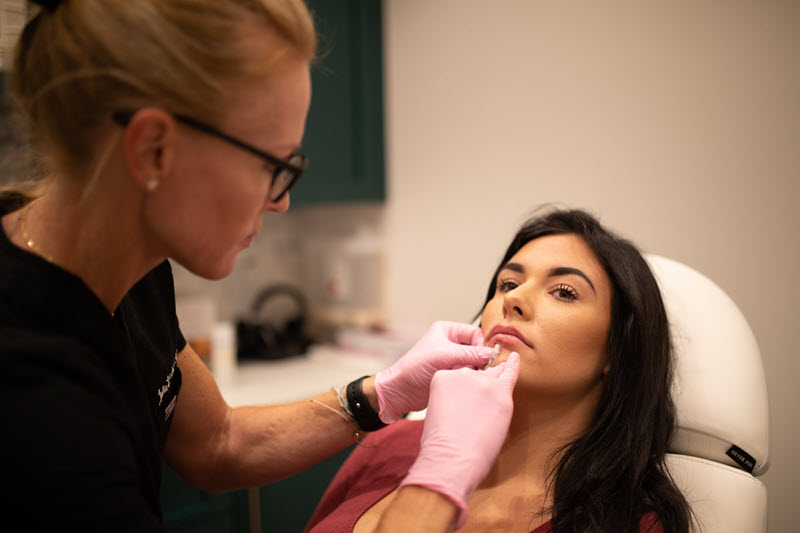
Many patients with symptoms of Ozempic face turn to cosmetic treatments to tighten the skin, restore volume, and improve skin tone and quality.
The appropriate treatment depends on the patient’s age and the severity of symptoms. Younger patients, whose faces can bounce back, may only need non-surgical, minimally invasive treatments to revert to their old, youthful look. Patients in their 40s and 50s often need a combination of surgical and non-surgical procedures to achieve the desired outcomes.
Non-Surgical Treatments for Ozempic Face
Some of the best non-surgical treatments for Ozempic face include collagen-stimulating procedures, volume-augmenting injectables, and biostimulators.
Sofwave
Sofwave™ is an innovative ultrasound treatment that stimulates collagen and elastin production without affecting the epidermis. It’s a gentle but effective treatment for skin laxity and wrinkles, suitable for all skin types and tones.
MOXI
MOXI is a recent innovation in laser technology that heats the mid-dermal layers to promote collagen production. It tightens the skin, decreases wrinkles, and improves skin tone and texture. Unlike traditional lasers, it is suitable for all skin tones and can be performed year-round.
Dermal Fillers
Dermal fillers are cosmetic injectables that replace lost volume and plump sunken facial areas with synthetic material. They are typically injected in the hollow temples, sunken cheeks, and loose jawline. Sculptra is particularly effective for Ozempic face, because it stimulates collagen rather than acting as a temporary filler.
Skinvive
Skinvive™ is a new generation of dermal fillers, popularly known as a skin booster. It doesn’t enhance volume but deeply hydrates the skin using innovative hyaluronic acid microdroplet technology. It successfully addresses typical Ozempic face concerns, such as dehydrated skin, uneven texture, wrinkles, and tired look.
Microneedling
Microneedling is a long-standing gold standard for aesthetic collagen-stimulation procedures. It creates controlled micro-injuries on the skin using tiny needles and mechanically triggers the natural healing processes. Microneedling is very effective at improving skin laxity and rejuvenating all skin types.
Note: Learn more about how to rejuvenate the skin with non-surgical, minimally invasive treatments.
Surgical Treatments for Ozempic Face
Some Ozempic patients experience more severe facial fat and volume loss, which cannot be repaired with minimally invasive treatments alone. They often opt for surgical procedures or combine them with non-surgical treatments. Common surgeries for Ozempic face include the following.
- Facelift – A facelift is one of the most common procedures in cosmetic surgery. It lifts and tightens loose skin, restoring structure and improving facial contours. However, facelifts don’t replace lost volume. It is often combined with a fat transfer to replenish volume in hollow areas.
- Fat transfer – Also known as fat grafting, this procedure involves taking fat from another area of the patient’s body, processing it, and injecting it into the facial area that has lost volume. This is a permanent alternative to dermal fillers.
- Blepharoplasty – Hooded eyelids are a common symptom of Ozempic face. Blepharoplasty or eyelid surgery removes excess skin in this area and tightens the upper and lower eyelids.
How to Choose the Best Treatment for Ozempic Face?
Choosing the best treatment for Ozempic face depends on multiple factors, including the following:
- Specific symptoms
- Severity of symptoms
- Patient’s age
- Amount of weight loss
- Available budget
Consult a trusted cosmetic professional for a customized treatment plan tailored to your specific aesthetic concerns and needs.
Conclusion
Ozempic face is a potential side effect of rapid weight loss often induced by GLP-1 medications, such as Ozempic. The symptoms are medically harmless, but many patients experience emotional distress from their new appearance.
If you experience Ozempic face, review our list of helpful treatments and contact us for a more detailed conversation about how to restore your plump, youthful look.