Stress can cause inflammation and lead to chronic illnesses, impacting sleep quality, mental health, and emotional wellbeing. Learning to manage and relieve chronic stress is essential if you wish to address any inflammatory health issue, such as rheumatoid arthritis, asthma, or psoriasis.
Learn how stress and inflammation are related and how reducing stress can alleviate the symptoms.

Does Stress Cause Inflammation?
Stress is a natural defense mechanism that sustains the body by warding off potentially dangerous agents, both physical and mental. Research has shown that prolonged physical, emotional, and mental stress triggers or worsens inflammation.
When the body experiences stress, it activates the hypothalamic-pituitary-adrenal (HPA) axis, leading to the release of cortisol and other stress hormones. While cortisol generally has anti-inflammatory effects, chronic stress can dysregulate this response, resulting in elevated levels of pro-inflammatory cytokines. This prolonged inflammatory state can contribute to various health issues, including cardiovascular disease, diabetes, and autoimmune disorders.
Symptoms of Stress-Induced Inflammation
Stress-provoked inflammation can manifest both physiologically and psychologically, varying in intensity, frequency, and duration. It may also be a sign of an underlying health issue. Always consult a healthcare professional to determine the root cause of your symptoms.
The most common stress-related inflammation symptoms include the following:
- Skin inflammation (e.g., acne, eczema, rosacea, psoriasis)
- Frequent colds or infections
- Allergies
- Asthma
- Muscle aches and joint pain
- Digestive issues (e.g., bloating, cramps, constipation, ulcerative colitis)
- Chronic fatigue
- Headaches or migraines
- Brain fog or difficulty concentrating
- Disrupted sleep (e.g., insomnia)
- Weight fluctuations
- Mood swings
- Irritability
- Anxiety or depression
- High blood pressure
- Increased heart rate
- Low sex drive
- Fluid retention
- Chest pain
Note: A hormonal imbalance may also lead to some of the symptoms listed above, such as brain fog, anxiety, depression, weight gain, and insomnia.
How Does Stress-Related Inflammation Affect Various Organs?
Stress-linked inflammation can affect different organs and impact various biological functions, leading to rheumatoid arthritis, cardiovascular disease, inflammatory bowel disease (IBD), and depression.
The following organs are most vulnerable to stress-induced inflammation:
- Brain – Impaired cognitive function, memory issues, brain fog, mood disorders, increased irritability, headaches, sleep disturbances, anxiety, and depression.
- Skin – Flare-ups, acne, eczema, psoriasis, hives, rashes, redness, irritation, dryness, and flakiness.
- Gastrointestinal tract – Abdominal pain, difficulty digesting, bloating, constipation, diarrhea, gas, cramping, acid reflux, irritable bowel syndrome (IBS), and ulcers.
- Muscles and joints – Stiffness, muscle tension, spasms, tenderness, pain, swelling, muscle weakness, and a reduced range of motion.
- Heart and blood vessels – Increased heart rate (tachycardia), palpitations, coronary artery inflammation, elevated blood pressure, and increased risk of blood clotting.
- Lungs – Chronic cough, shortness of breath, increased mucus production, chest pain or discomfort, difficulty breathing, asthma flare-ups, rapid breathing (hyperventilation), wheezing, and bronchitis.
- Reproductive system – Menstrual irregularities, infertility, low libido, polycystic ovaries, pelvic pain, hormonal imbalances, erectile dysfunction, painful periods, severe premenstrual symptoms, and vaginal dryness.
Does Stress Cause Inflammation in the Brain?
Prolonged stress exposure disrupts neural function by stimulating an overproduction of stress hormones and pro-inflammatory cytokines. Increased inflammation can lead to the rewiring of neural circuits in the brain, contributing to mood disorders, cognitive decline, and an increased risk of neurodegenerative diseases such as Alzheimer's or Parkinson’s.
Can Stress Cause Inflammation in the Intestines?
Chronic stress disrupts the balance of gut bacteria, which can contribute to an inflammatory bowel disease (IBD), such as Chron’s disease or ulcerative colitis. Increased inflammation in the intestinal lining is often associated with digestive problems, such as reduced appetite, indigestion, constipation, bloating, and chronic diarrhea.
Note: Read our article on the connection between gut health and hormones.
How to Reduce Inflammation from Stress?
There are proven methods to lower cortisol levels and reduce inflammation. Managing stress can have a powerful anti-inflammatory effect, improving overall mental and physical health.
Exercise Regularly

Low-impact physical exercises, such as yoga, aerobics, and gentle stretching, can reduce cortisol and lower the levels of inflammatory biomarkers. Physical movement also promotes the release of endorphins, the brain’s feel-good neurotransmitters that boost mental and emotional health.
A regular workout regime can also help you lose weight gained due to stress. Experts encourage slowly increasing the intensity and exercising within your limits to avoid injuries and improve overall stamina.
Note: Read more about the link between stress and weight gain.
Improve Your Diet
Diet is the cornerstone of health because it can reduce inflammation, modulate the activity of stress hormones, and increase longevity. A balanced, nutrient-rich diet helps regulate inflammatory responses, minimizes stress symptoms, and staves off stress-induced autoimmune diseases and other health issues.
Adopt an anti-inflammatory diet rich in antioxidant ingredients, such as leafy greens, berries, nuts, green tea, spices (e.g., turmeric, cinnamon), and fatty fish. Avoid pro-inflammatory foods, such as processed food, deep-fried or fried food, artificial sugar, sugary beverages, trans fats, and refined carbohydrates.
Use Supplements, Vitamin Injections and IV Therapy
Dietary supplements can reverse nutrient deficiencies, combat oxidative stress, and boost the immune system. Essential nutrients contain potent anti-inflammatory components that support gut health, promote relaxation, and reduce the inflammatory response.
You can mitigate stress-induced inflammation by taking:
- Vitamins for stress – Vitamins C, D, and B complex (e.g., B12) improve mood, aid digestion, and support the body’s response to chronic stress.
- Supplements for stress – Relora, Osmosis products, and Vibrant Adrenal Support are stress-relief supplements that help stabilize dopamine, adrenaline, and noradrenaline levels to enhance the mood and promote calmness.
- Nutritional IV therapy – Intravenous (IV) administration quickly restores depleted vitamin and mineral reserves by bypassing the gastric system. The most effective inflammation-reducing vitamin therapies are B, C, and D.
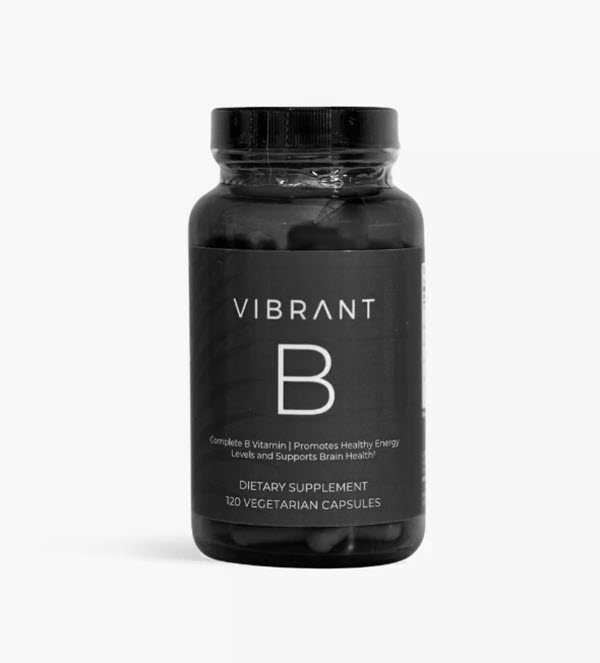
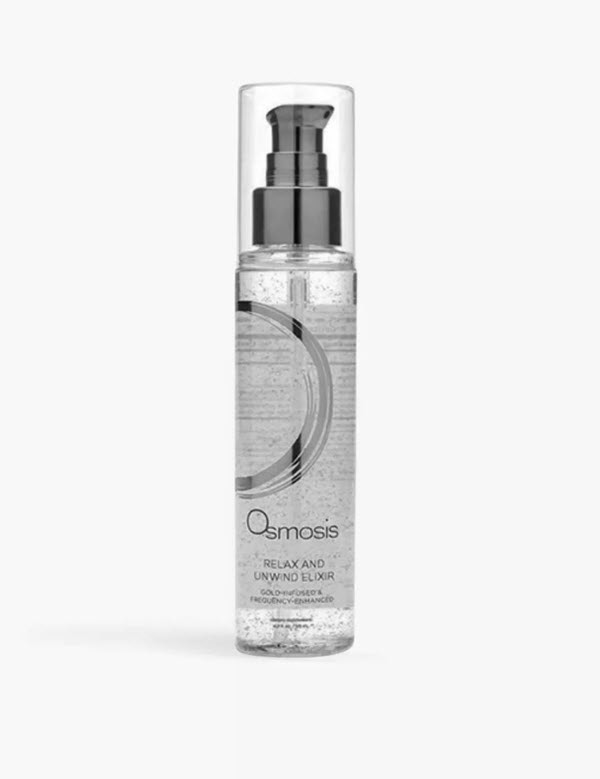
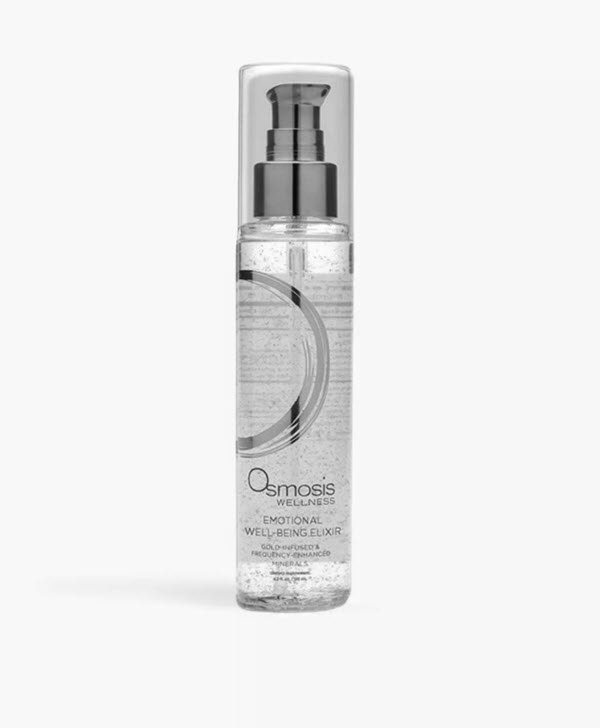
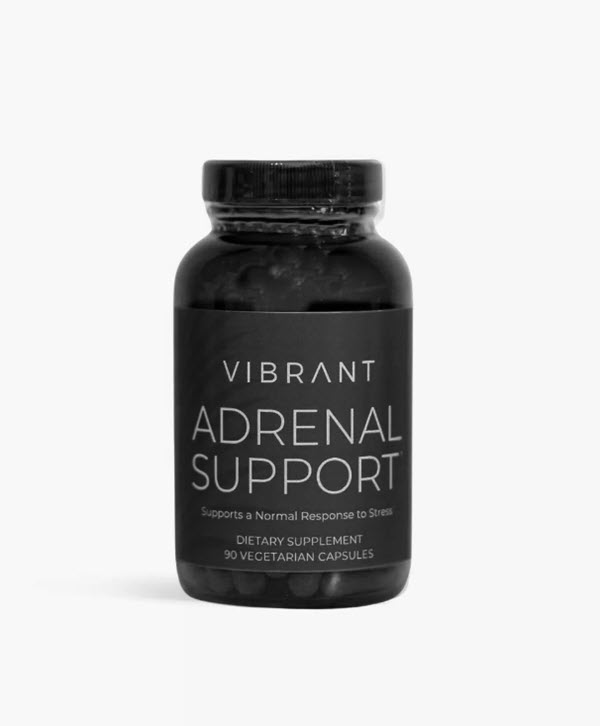
*Disclaimer: These supplements have not been evaluated by the Food and Drug Administration. These products are not intended to diagnose, treat, cure, or prevent any disease.
Enhance Sleep Quality

Sleep is vital for combating stress-provoked inflammation. It helps optimize cortisol levels, bolsters the immune response, and lowers the risk of chronic or long-term illnesses. Being well-rested will help you cope with stress better and be more resilient to infections and diseases.
Studies confirm the connection between sleep loss and inflammation, and sleep experts recommend between 7 and 9 hours of sleep per night for adults. You can improve your sleep hygiene by following a consistent sleep schedule, avoiding screens and heavy meals before bed, and creating a relaxing bedtime routine. Vibrant MG and Relora to improve sleep will also help you balance your circadian rhythm.
Take Care of Your Skin
Constant stress affects the skin. It causes frequent flare-ups, acne breakouts, and sebum overproduction, and worsens conditions such as eczema, psoriasis, and rosacea. Stressed skin may become saggy, dull, and sensitive to outside factors, such as air-borne pollutants and allergens.
With an anti-inflammatory skincare regime and antioxidant skincare products, such as SkinMedica Ultra Sheer Moisturizer and Osmosis MD Replenish Antioxidant Infusion Serum, you can fortify skin’s protective barrier and reduce its sensitivity.
Choose clinically-tested medical-grade skincare products that contain powerful anti-inflammatory ingredients, such as resveratrol, niacinamide, and aloe vera. Consult a dermatologist before trying a new product to check its suitability for your skin type and concern.
Engage in Stress-Relieving Activities
Stress-relief activities promote wellbeing, foster relaxation, and lower cortisol levels. The following hobbies and activities have a calming, therapeutic effect:
- Spending time in nature
- Gardening
- Walking
- Hiking
- Cycling
- Journaling
- Arts and crafts
- Reading
- Yoga
- Massage (e.g., lymphatic drainage massage)
- Meditation
- Breathing exercises
- Aromatherapy
- Cooking
- Listening to music
When Should You Visit a Doctor?
Seek professional medical help if the symptoms persist and become more frequent or severe. Early diagnosis and adequate treatment help to prevent the development of many stress-provoked inflammatory conditions.
Schedule an appointment if you experience any of the following:
- Intense or worsening pain
- Breathing difficulties
- Sudden and unexplained weight changes
- Severe or spreading rashes
- Worsening mood swings, anxiety, and depression
Conclusion
The cumulative effects of stress can lead to low-grade inflammation, a precursor of chronic diseases. Lack of adequate coping skills can exacerbate your health condition and put you at risk of severe medical conditions.
Treatments, supplements, and lifestyle changes can help lower stress-induced inflammation and prevent potential risks and complications.
Contact our friendly Vibrant Skin Bar staff for more information on this topic.