There are eight B vitamins, collectively known as the B complex. Each has a unique and important role in our bodies, from facilitating cell growth and food metabolism to maintaining a healthy nervous system and resilient skin. Skin health is increasingly being associated with vitamin (in)sufficiency.
Kristina Cadwell
July 22, 2026
·
6 min read
This article focuses on the effects and benefits of vitamin B for the skin. It lists the symptoms of suboptimal vitamin levels and recommends the best forms and uses of B vitamins for a healthy complexion.
Skin Signs of Vitamin B Insufficiency
Vitamin B insufficiency can have negative effects on skin health, manifesting as the following symptoms:
All B vitamins have a role in promoting skin health, but their specific functions differ. Collectively, they support skin barrier function, increase hydration, improve skin elasticity, and help maintain smooth skin.
Here are the specific roles each B vitamin plays in skin health:
Thiamine (B1) – Supports cellular function and maintains healthy skin.
Riboflavin (B2) – Supports skin cell turnover, regulates oil production, and has antioxidant properties.
Niacinamide (B3) – Improves hydration, strengthens the skin barrier, reduces inflammation, and helps regulate sebum production.
People are increasingly experiencing vitamin and mineral deficiencies, often due to inadequate nutrition. Potential skin concerns resulting from low B-complex levels can be addressed with skincare products, oral supplements, and IV therapy with B vitamins.
Topical Vitamin B for the Skin
Topically applied B complex helps restore skin moisture, improves skin elasticity and firmness, alleviates the effects of sun damage, and enhances overall skin health. One of the most common B vitamins in cosmetic formulations is B3 or niacinamide. It offers multiple benefits for the skin, from regulating sebum and acne breakouts to reducing aging signs.
At Vibrant Skin Bar, two niacinamide products are particularly effective at healing and protecting the skin.
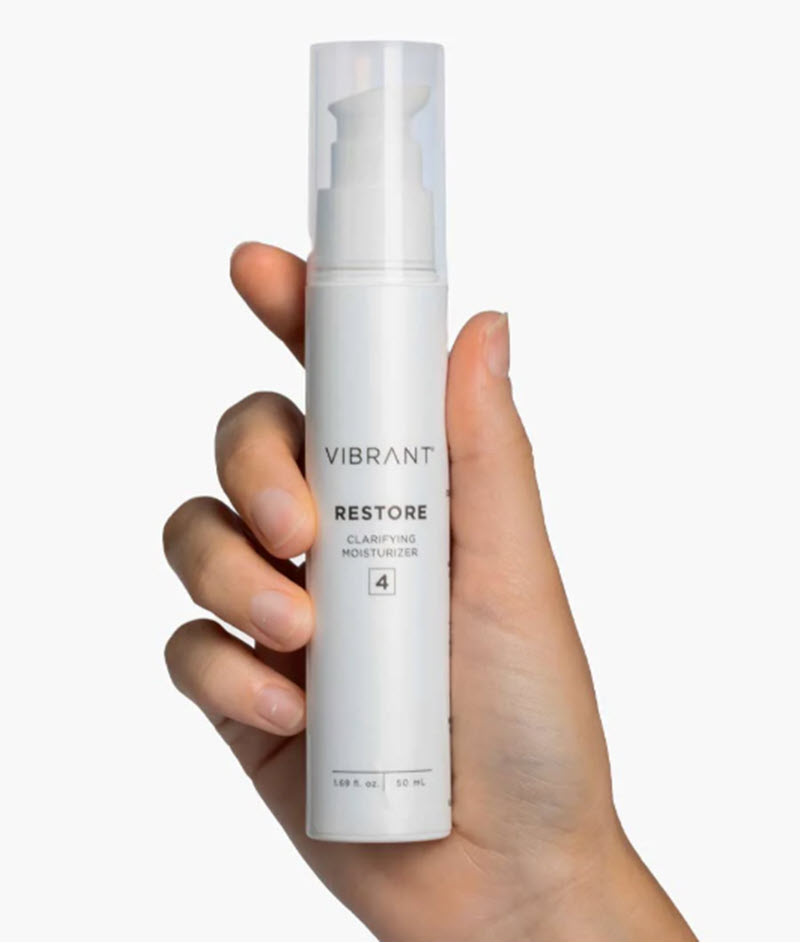
Vibrant Restore is a moisturizer with potent barrier-supporting, oil-regulating, and anti-inflammatory ingredients, including vitamin B3.
Both products are infused with microbiome-friendly probiotics, prebiotics, and hydrating botanicals, helping maintain balanced and resilient skin.
Oral Vitamin B for the Skin
Oral intake of B vitamins through diet or supplements improves skin conditions, such as dryness, dull skin, inflammation, and acne.
The best way to maintain adequate vitamin B levels is through a balanced diet that includes meat, eggs, leafy greens, legumes, fruits, and dairy. Besides a varied and healthy diet, supplements are an effective way to ensure adequate daily vitamin intake. Vibrant Skin professionals recommend the following supplements:
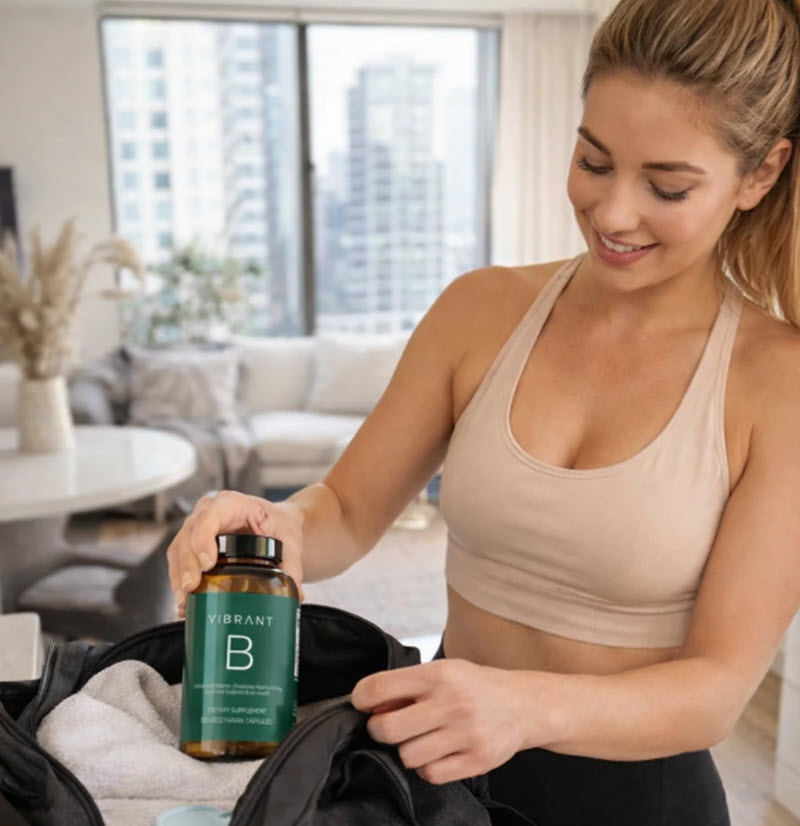
Vibrant B – Contains all B vitamins, from B1 to B12, providing a full B-complex support.
Vibrant Liposomal B – B-complex formula containing highly bioactive forms of all B vitamins. Designed with liposomal technology for enhanced delivery and bioavailability.
Vibrant Liposomal NMN – Contains all vitamins from the B complex, along with NMN for cellular support. Designed with liposomal technology for enhanced absorption.
IV therapy delivers nutrients that are lacking directly into the bloodstream, enabling their rapid absorption. Many patients report feeling the beneficial effects immediately or within several hours.
Providers mix different ingredients in the IV therapy cocktail based on the patient’s symptoms. Vitamin B is often used in IV therapy for the skin, along with other nutrients, such as vitamin C and glutathione.
Vibrant Skin Bar offers B Complex + B12 injections that combine essential B vitamins to support various bodily functions (e.g., metabolism) and enhance skin cell renewal.
Since different B vitamins have different functions, choosing a vitamin depends on a person’s skin type and concern. Oily, acne-prone skin may benefit the most from vitamins that help regulate oil production, such as B3. Dry, sensitive skin may respond better to ingredients that help retain moisture, such as B5 and B12.
How to Use Vitamin B for the Skin?
The optimal use of vitamin B for the skin depends on its form and whether the product contains other ingredients.
In cosmetic products, B vitamins are used in concentrations of up to 10%, depending on the product. They are often combined with hydrating and barrier-supporting ingredients, such as glycerin, hyaluronic acid, shea butter, squalane, ceramides, Centella asiatica, and more.
Serums containing vitamin B are generally applied in the morning and evening after cleansing, and moisturizers are applied after the serum.
Oral vitamin B can be taken at any time of day. Many health professionals recommend taking them on an empty stomach in the morning for optimal absorption. The appropriate dosage depends on the specific vitamin and the person’s age and gender. The supplements are often in tablet form, and one tablet daily is usually enough. Always follow the instructions for use on the product label.
How Long Does It Take to See the Benefits of Vitamin B for the Skin?
The time it takes to see results from vitamin B for the skin depends on many factors, including the specific vitamin, its form and formulation, and the person’s age, lifestyle, and severity of the skin condition. Consistent use for several weeks or months is usually needed to yield noticeable improvement.
FAQ About Vitamin B for Skin
The FAQs below provide more details about the effectiveness of vitamin B for the skin.
Does Vitamin B Increase Collagen?
Vitamin B doesn’t increase collagen production directly, but it supports overall skin health by improving hydration, strengthening the skin barrier, and aiding cellular repair. Niacinamide may help protect existing collagen by reducing oxidative stress and supporting skin function.
Is B5 or B3 Better for Skin?
Both B5 and B3 are potent ingredients in skin care. Niacinamide is more widely used in cosmetic formulations because of its versatility. It is generally considered more effective for treating acne, hyperpigmentation, oil regulation, and inflammation. However, vitamin B5 may be more suitable for irritated, sensitive skin due to its soothing and hydrating properties.
Which Is Better, B12 or B Complex?
Neither B12 nor B complex is inherently better. The right choice depends on individual needs.
Vitamin B12 is usually recommended for patients with a confirmed deficiency. B-complex supplements contain multiple B vitamins and provide support for people who may not be getting enough vitamins through diet.
Conclusion
Low vitamin B levels are associated with various skin conditions, from dry skin to acne. Oral and topical supplementation brings improvements, such as increased hydration, enhanced skin barrier function, and better overall skin health.
Consult a qualified cosmetic professional to help you choose the right skincare product or vitamin supplement for your individual needs.
PA Kristina Cadwell graduated from Arizona State University with a Bachelor of Science degree in Biology. She then completed the Physician Assistant program at A.T. Still University graduating with a Masters of Medical Science degree. Kristina has been working in the Aesthetic Medical field for over 15 years. She is certified in neurotoxin cosmetic injection, dermal fillers, laser therapy, chemical peels, and ultrasound. She is known for producing natural results and has extensive knowledge in nutrition, hormone balancing, microbiome health, diet and exercise. Her latest endeavor is the Vibrant Skincare Line, a microbiome-friendly line of skincare that works with your body. Her passion and the reason she does everything she does? Helping you achieve vibrant skin from the inside out.