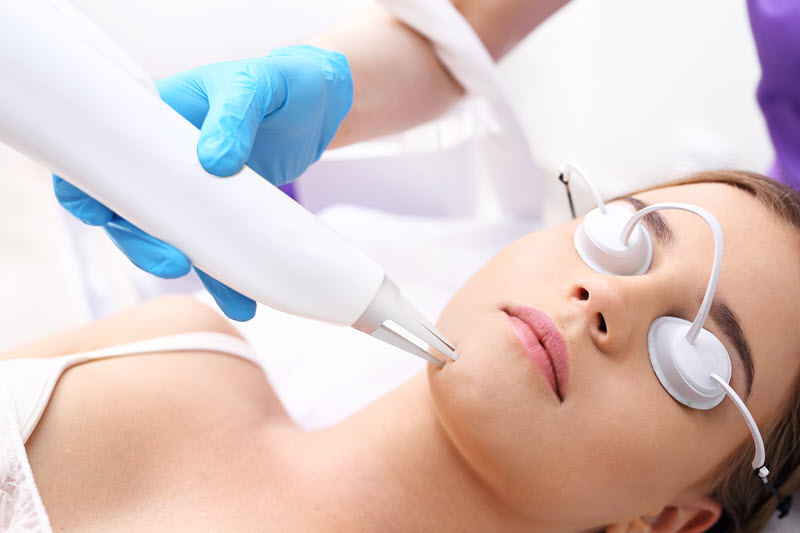
Our skin changes with age. Fine lines on our face are usually the first signs that remind us of time passing. Then come more pronounced wrinkles, loss of facial glow and plumpness, and sagging skin. Though skin aging is inevitable, there is plenty we can do to postpone it.
Kristina Cadwell
July 28, 2026
·
10 min read
Here we explain seven signs of aging skin you need to be aware of, so you can improve your lifestyle habits and prevent premature aging of the skin.
How Do I Tell My Skin Is Aging?
Beginning in our 20s, metabolic processes slow down, the body produces less collagen, which gives the skin structure and elasticity, and the outer layers of the skin start thinning, making us more susceptible to environmental damage, such as sunrays and pollutants.
These changes are followed by the formation of these seven most common signs of aging skin:
1. Fine Lines and Wrinkles
Fine lines and wrinkles are usually the first sign of aging. They first appear between our brows and in the corners of our eyes. They deepen with age to become more pronounced on the forehead, around the eyes, nose, and mouth, and on the neck and hands.
2. Dull Skin
With the slowing down of metabolic processes, our cells take longer to renew. Dead skin cells accumulate on the surface, clogging pores and hindering natural moisturization. The result is dull-looking skin. Dullness can also result from dehydration, stress, poor sleep, smoking, etc.
3. Age Spots
Increased sun exposure often results in age spots or sunspots. These are flat, dark spots on the face, neck, shoulders, hands, and feet. Age spots are the skin’s attempt to protect the body from too much sun. They usually appear in our 40s or 50s, but excessive UV exposure may lead to their appearance earlier.
Note: Learn how to remove age spots with over-the-counter products and noninvasive treatments.
4. Skin Tags
Skin tags are harmless skin-colored growths that usually appear on the eyelids, neck, and skin folds. They vary in size, and potentially create discomfort because they can easily be pulled by nails or clothes. Skin tags appear with age and can be removed if they become an aesthetic or physical irritation.
5. Bruises
Blood vessels in skin become more fragile with age. Capillaries break more easily, causing bleeding, spider veins, and bruises under the skin. In addition, the thinning of the deepest, subcutaneous layer means the loss of protective fat pads, so the skin becomes more susceptible to injuries.
6. Dry, Itchy Skin
Sweat and oil glands produce less sebum and natural oils with age, leaving the skin dry and sometimes itchy. Some environmental and lifestyle factors also contribute to dry skin, such as smoking, stress, and not drinking enough water.
Note: Dry skin needs extra moisture and gentle ingredients that won’t irritate it. Find out which products to use for the best skincare routine for dry skin.
7. Sagging Skin
The loss of the skin’s support structure (collagen, elastin, fat pads) starts in our 20s and is followed by the loss of facial fat. This results in hollow under-eye areas and cheekbones. Furthermore, gravity causes the skin on the face and neck to sag.
Thinning of the epidermis and dermis, making the skin more translucent, paler, and more prone to damage.
Thinning of subcutaneous protective fat layers, making the skin more susceptible to injuries and temperature changes. The result is loss of volume.
Reduction in the number of cells that contain melanin, which protects our cells, leading to discoloration, hypopigmentation, and hyperpigmentation.
Loss of collagen and elastin in the connective tissue, making the skin less firm and flexible.
Increased fragility of blood vessels under the skin, leading to easier bruising and bleeding under the skin. Wounds take longer to heal.
Reduction in oil production, causing the skin to become dry and itchy.
Reduction in thickness, moisture, and elasticity of the skin due to a drop in estrogen levels, especially in menopause.
Note: Collagen is a powerful protein responsible for keeping the skin elastic and youthful. Learn more about what collagen does for the skin and how to stimulate collagen synthesis.
What Causes the Signs of Aging Skin?
Skin aging factors are grouped into three main categories: genetics, environmental factors, and lifestylehabits.
Our genes and hormones dictate aging on the cellular level, so we can’t change when our cells and metabolism start to slow down. However, we can influence the following environmental and lifestyle factors that cause premature skin aging.
UV Ray Exposure
Skin experts claim sun exposure is the main cause of premature skin aging. UV rays accelerate the process of collagen breakdown, causing the skin to lose firmness and elasticity. Though wrinkles or age spots may not appear right away, excessive exposure to UV rays inevitably leads to sun damage and premature skin aging.
Smoking
Smoking limits the amount of oxygen the skin receives, making it look hyperpigmented and wrinkled.
Diet
Some studies show that a diet high in sugars and carbs leads to premature skin aging. Sugars cause inflammatory processes in the organism and produce damaging free radicals that speed up the breakdown of the skin’s structure.
Sleep
The skin needs regular 7-9 hours of uninterrupted sleep during the night to rebuild collagen and reduce damage from outside pollutants. Studies show the disruption of healthy sleep cycles is linked to increased skin aging and weakened skin barrier function.
Stress
When we experience stressful situations, our body pumps out cortisol, a stress hormone that speeds up the process of DNA damage and contributes to faster skin aging.
Note: Learn more about stress and skin, and how they are related.
Facial Movements
Repetitive facial movements such as squinting, frowning, and smiling form wrinkles. Modern cosmetic treatments, such as Botox, disable the nerves responsible for the contraction of wrinkle-forming muscles.
Which Body Parts Show Aging First?
The first noticeable signs of aging appear on the face, especially in the following areas:
Around the eyes (crow’s feet)
On the forehead (glabellar lines)
Between the eyebrows (frown lines)
Around the mouth (laugh lines)
Between the nose and the mouth (nasolabial folds)
Other areas that show early signs of aging include the neck, decolletage, and hands.
The parts of skin that typically exhibit aging signs before other areas include those that are the thinnest and most exposed to the sun.
Note: If you are wondering when to start using anti-aging products, wrinkles, age spots, loss of volume, and sagging are the telltale signs you should get serious about anti-aging skincare.
How Are the Signs of Aging Skin Diagnosed?
Dermatologists assess skin aging signs during a clinical exam, which consists of a visual and tactile evaluation of the skin. The medical provider inspects common aging symptoms, including fine lines and wrinkles, dark spots, dryness, loss of elasticity, and dull skin. They may also use a dermatoscope, a device that resembles a magnifying glass, to evaluate the degree of photoaging and whether it presents a medical problem (e.g., melanoma).
How to Prevent the Signs of Aging Skin?
Acting on environmental factors that cause premature aging and adopting healthier lifestyle habits greatly improves our skin tone and texture. Here’s what to do:
Avoid UV Rays
Rule number one of anti-aging skin care is to ALWAYS wear sunscreen. That means in winter, too. UVA and UVB rays penetrate the skin even on cloudy days, so it’s important to protect the skin from their damaging effects. Wear sunglasses to protect the area around your eyes and to avoid squinting. If possible, don’t go out in the sun during the brightest hours.
Studies show that antioxidants in food help fight free radicals that damage our skin. Foods that help repair our skin are fresh fruits and vegetables, nuts, whole grains, and fish.
Note: Learn more about antioxidants in skin care and how to incorporate them into your daily routines.
Drink Enough Water
The skin needs to be hydrated from the inside, so it is important to drink enough water. There is no exact definition of “enough water”, but a general recommendation is to drink water in the amount of half the body’s weight in ounces every day.
Stop Smoking
Easier said than done, but if you want to avoid looking years older than you are, quitting smoking is a must.
Limit Wrinkle-Forming Facial Expressions
Never stop laughing, but try to limit squinting, frowning, and other repetitive facial movements that contribute to lines forming around the eyes, mouth, and on your forehead.
Avoid Stress
Another “easier said than done” recommendation, but it’s important to fight stress not just for youthful and healthy-looking skin but for your overall wellbeing. Physical activity is the quickest way to relieve stress, and it can be anything from yoga or jogging to gardening or house repairs.
Regulate Your Sleep
Proper sleep is important for all health-related issues, including skin aging. If you have difficulty falling or staying asleep, try sleep-inducing tactics before you go to bed, such as meditation, yoga, relaxing massage, herbal teas, soothing music, etc. Don’t take naps during the day.
Use Anti-Aging Skin Care Properly
Start an anti-aging skincare routine in your 20s. If you have already passed that point, know that it’s never too late to rejuvenate the skin. However, starting an anti-aging skincare routine in your 40s means more products and cosmetic treatments.
Research how to use anti-aging products because improper use (e.g., using serums without cleansing the skin first) or using products with too many heavy chemicals can do more damage than good.
How to Treat the Signs of Aging Skin?
Visible aging signs that usually appear in our late 30s and 40s are difficult to reverse with skin care only. People experiencing prominent wrinkles and sagging skin look for more effective solutions, such as facials, massage, and minimally invasive cosmetic treatments.
The following procedures are among the most popular for skin rejuvenation.
Botox
Botox is the gold standard when it comes to reducing the appearance of dynamic wrinkles (those caused by muscle movement). It is a minimally invasive injectable treatment that temporarily inactivates the muscles that form wrinkles, smoothing the overlying skin. The treatment is FDA-approved for the reduction of wrinkles around the eyes and on the forehead.
Dermal Fillers
While Botox addresses dynamic wrinkles, dermal fillers are reserved for static ones. They are injectable gels that smooth and augment thinning and sagging skin caused by aging-related collagen loss.
Skinvive
Skinvive is an innovative injectable consisting of hyaluronic acid microdroplets, which intensely hydrate the skin. Unlike traditional fillers, Skinvive doesn’t augment and change facial contours but rather boosts hydration, improving skin tone and texture.
Laser Resurfacing
Laser resurfacing is a versatile cosmetic treatment, targeting a range of cosmetic concerns. By heating the dermal layers and promoting collagen production, lasers help repair sun damage, reduce aging signs, and minimize acne scars.
MOXI Laser
MOXI is a next-generation laser treatment and a new favorite among providers and patients. Its gentle but powerful rejuvenating features visibly enhance skin tone and texture with minimal downtime.
Sofwave
Sofwave uses patented ultrasound technology to heat the mid-dermis, stimulating collagen and elastin production and the skin’s natural healing. The treatment targets a range of concerns, including wrinkles, skin laxity, acne scars, and cellulite.
Chemical Peels
Chemical peels are a type of facial which uses chemical acids to exfoliate the outermost skin layer and shed damaged skin cells, revealing a brighter complexion. The treatment minimizes wrinkles, dark spots, dull skin, and other signs of aging.
Microneedling
Microneedling is among the most popular collagen-inducing treatments. It uses a device with tiny needles to create controlled damage on the skin’s surface, promoting collagen synthesis and gradually minimizing aging signs.
Conclusion
Skin aging is inevitable, but let’s not help the process. Now that you know what the most common signs of aging skin are, you can start changing your lifestyle habits and shielding your skin from damaging external factors.
Instead of looking a decade older, help your skin look young and fresh for as long as possible. Start by treating yourself with a skincare treatment at Vibrant Skin Bar.
PA Kristina Cadwell graduated from Arizona State University with a Bachelor of Science degree in Biology. She then completed the Physician Assistant program at A.T. Still University graduating with a Masters of Medical Science degree. Kristina has been working in the Aesthetic Medical field for over 15 years. She is certified in neurotoxin cosmetic injection, dermal fillers, laser therapy, chemical peels, and ultrasound. She is known for producing natural results and has extensive knowledge in nutrition, hormone balancing, microbiome health, diet and exercise. Her latest endeavor is the Vibrant Skincare Line, a microbiome-friendly line of skincare that works with your body. Her passion and the reason she does everything she does? Helping you achieve vibrant skin from the inside out.