Women and men can choose from many innovative anti-aging treatments today. However, traditional dermal fillers are still unmatched when it comes to filling static wrinkles and adding volume to sunken facial areas.
Juvéderm® and Restylane® are among the most popular hyaluronic acid dermal filler brands. Both stimulate collagen production to build lost skin volume and eliminate wrinkles. While their function is similar, Juvéderm and Restylane have a few important differences. Let’s see what they are and how to choose the right filler for you.
Juvéderm Overview
Juvéderm is a line of HA-based dermal fillers that treat signs of aging in the lower part of the face, contour the cheeks, and add volume to lips. Each product contains a slightly different formula created for a specific facial area and skin issue.
Juvéderm fillers include:
- Juvéderm Ultra XC – Designed to enhance thin lips and smooth fine lines and wrinkles around the mouth.
- Juvéderm Ultra Plus XC – Indicated for the correction of moderate to severe wrinkles and folds, such as marionette lines and nasolabial folds.
- Juvéderm Voluma XC – Designed to lift and support the cheeks, chin, and temples.
- Juvéderm Volbella XC – Subtly volumizes thin lips and smooths the perioral area. It is the only Juvéderm filler approved for correcting the under-eye hollows.
- Juvéderm Vollure XC – Designed to add volume and smooth moderate to severe wrinkles and folds, such as nasolabial folds.
- Juvéderm Volux XC – Indicated for deep injection to lift and support moderate to severe jowls.
All products in the newest series contain lidocaine to numb the skin during the treatment and minimize discomfort and pain.
Restylane Overview
Restylane is the oldest and most studied HA-based dermal filler brand on the market. Restylane products treat signs of aging in the lower part of the face, add volume to lips, lift sunken cheeks, and are used for treating the back of the hands as well. Most Restylane products contain lidocaine.
Restylane fillers include:
- Restylane-L – Designed to soften moderate to severe facial wrinkles and folds, such as nasolabial folds, enhance lip volume, and improve the appearance of fine lines around the mouth.
- Restylane Lyft – Used to restore volume in the midface area, smooth deeper facial folds and creases, refine the chin profile, and restore volume in the back of the hands.
- Restylane Refyne – Formulated to improve moderate to severe wrinkles and folds, such as nasolabial folds, while maintaining a natural look.
- Restylane Defyne – Addresses deeper facial wrinkles and folds and enhances chin structure and definition.
- Restylane Silk – The first lip filler to receive FDA approval, it subtly increases lip volume and smooths fine lines around the lips.
- Restylane Kysse – Increases lip volume and softens the texture, providing more volume and definition compared to Silk.
- Restylane Contour – Designed to restore volume in the midface area, contour and refine facial features, and augment the cheeks.
- Restylane Eyelight – Indicated for the treatment of under-eye hollows.
What Are the Differences Between Juvéderm vs. Restylane?
The following table compares the key features of Juvéderm and Restylane dermal fillers.
| Juvéderm | Restylane | |
|---|---|---|
| Main ingredient | Hyaluronic acid. | Hyaluronic acid. |
| Texture | Smooth. | Some products are granular, some are smooth. |
| Treatment areas | Facial wrinkles and folds Cheeks Chin Nasolabial folds Lips Perioral lines Under-eye hollows | Facial wrinkles and folds Cheeks Chin Nasolabial folds Lips Perioral lines Under-eye hollows Hands |
| Treatment duration | 15-60 minutes. | 15-60 minutes. |
| Time to first results | Immediate. | Immediate. |
| Results’ duration | 6-18 months. | 6-18 months. |
| Pain level | Minimal or no pain. | Minimal or no pain. |
| Side effects | Common: Redness, swelling, bruising, pain, itching, lumps. | Common: Redness, swelling, bruising, pain, itching, lumps. |
| Recovery period | No recovery period. | No recovery period. |
| Risk factors | Pregnancy, allergies, bleeding disorders, skin infections, previous surgery. | Pregnancy, allergies, bleeding disorders, skin infections, previous surgery. |
Juvéderm vs. Restylane Formulation
Juvéderm and Restylane products are based on synthetic hyaluronic acid. Both brands have multiple products with slightly different formulations, specially designed to target different areas and skin concerns.
Juvéderm
Juvéderm products are designed using advanced HA cross-linking technologies that combine low- and high-molecular-weight hyaluronic acid. The result is a smooth, cohesive gel that spreads easily and integrates evenly into injected tissue.
Restylane
Restylane products are formulated primarily with high-molecular-weight HA, resulting in gels that provide varying degrees of support, structure, and flexibility. Some Restylane fillers are thick and granular, which makes them ideal for sunken facial areas.
Juvéderm and Restylane formulations can be dissolved with the enzyme hyaluronidase to reverse the effects of the treatment if the patient is not satisfied.
Who Is a Good Candidate for Juvéderm and Restylane?
Most adults desiring a smoother, younger-looking skin are good candidates for Juvéderm and Restylane dermal fillers. They typically need to be over 21 (depending on the product) and overall healthy. The treatments are suitable for patients interested in the following cosmetic enhancements:
- Fuller, more sensual lips
- Decreased lines around the mouth
- Reduction of under-eye hollows
- Lifted midface area
- Cheekbone definition
- Contoured jawline
- Refined chin profile
- Smoother nasolabial folds
- Reduction of marionette lines
Juvéderm fillers are generally smoother and more cohesive, providing subtler results, while Restylane is slightly firmer, allowing more precise structural contouring and the correction of deeper folds.
Note: Dermal fillers are increasingly popular among men. Find out how lip fillers for men work and how to choose the best one.
Juvéderm vs. Restylane Treatment Areas
Juvéderm and Restylane include various specialized products that target specific facial areas, and in the case of Restylane, the hands.
Juvéderm
Juvéderm fillers are FDA-approved to treat the following areas:
- Facial wrinkles
- Cheeks
- Chin
- Nasolabial folds
- Marionette lines
- Perioral lines
- Lips
- Under-eye hollows
Restylane
Restylane fillers are FDA-approved to treat the same areas and can also plump up the back of the hands.
Note: Learn more about the differences between Juvéderm and Restylane for lips.
What to Expect During Juvéderm and Restylane Procedures?
Juvéderm and Restylane treatments follow a similar procedure.
The patient comes in for a consultation with their chosen medical provider. The provider examines the patient’s medical history, discusses their cosmetic issues and desired results, and instructs them on what to avoid in the weeks before treatment.
On the day of the treatment, the medical provider cleans the patient’s face with rubbing alcohol and marks the treatment area. They may apply numbing cream if necessary. Then they inject the filler into the target area and massage it to prevent lumps from forming.
The treatment lasts 15 - 60 minutes, depending on the treatment area.
What Are the Results of Juvéderm and Restylane?
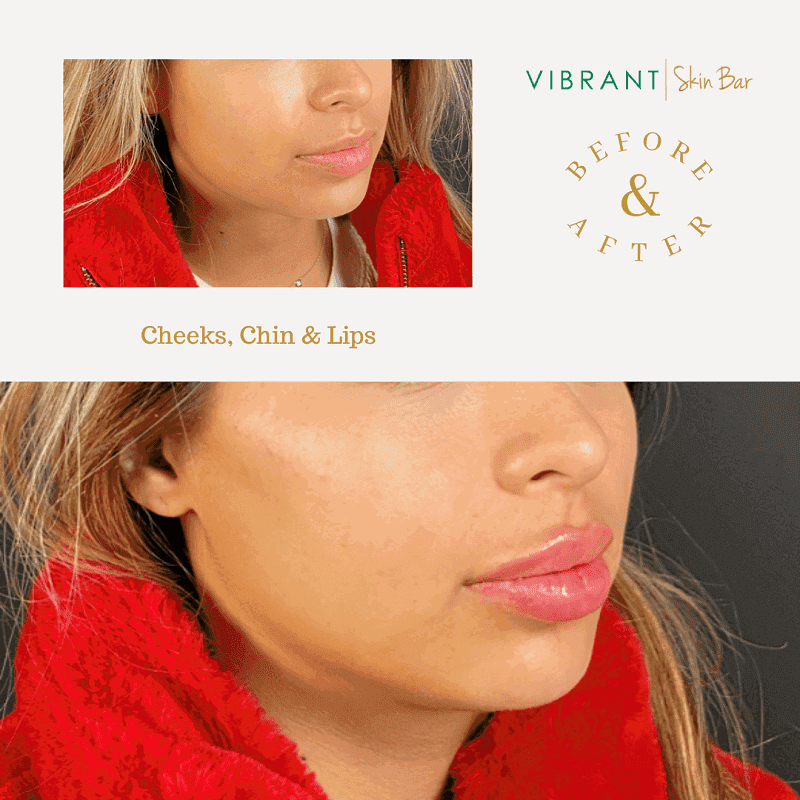
Juvéderm and Restylane fillers plump up the skin, reduce moderate to severe wrinkles, augment facial features, and rejuvenate the skin.
Both filler types provide immediate results and can last up to 18 months. The duration depends on the chosen product, the treatment area, and the amount injected.
Areas that move, such as the lips, will break down the product faster and reduce the fillers’ longevity. Areas that move less, such as the under eyes, will allow the results to last longer. A patient’s activity level and metabolism also affect product duration.
Juvéderm vs. Restylane Aftercare
The safety, effectiveness, and longevity of Juvéderm and Restylane treatments significantly depend on the patient’s adherence to the provider’s aftercare recommendations. They include the following dos and don’ts.
- Refrain from strenuous exercise for 24-48 hours.
- Avoid the sun, tanning beds, and other sources of UV radiation and heat.
- Don’t wear makeup on the first day.
- Don’t apply pressure to the treated area.
- Don’t wash your face on the first day.
- Use gentle skincare products and avoid harsh, irritating ingredients (e.g., retinol).
- If needed, use cold compresses to reduce swelling and pain.
- Don’t drink alcohol.
- Drink plenty of water.
- Refrain from other facial treatments for two weeks.
Juvéderm vs. Restylane Side Effects
Common side effects after Juvéderm and Restylane treatments are similar and include:
- Redness
- Swelling
- Bruising
- Pain
- Tenderness
- Lumps
- Discoloration
- Itching
These side effects typically resolve within two to four weeks, depending on the filler and the patient’s sensitivity.
Severe side effects are extremely rare and can happen when non-medical staff administer the injections. Severe side effects include:
- Infection
- Scabs or scarring
- Allergic reactions
- Blindness
- Stroke
Should Anyone Avoid Juvéderm or Restylane?
The following medical conditions may prevent you from having Juvéderm and Restylane filler injections:
- Pregnancy and lactation
- Severe allergies
- Bleeding disorders
- Skin infections
- Scarring and pigmentation issues
- Previous surgery in the treatment area
Juvéderm vs. Restylane Cost
Juvéderm and Restylane prices depend on your chosen medical provider’s expertise, your specific skin concern, and desired effects.
At Vibrant Skin Bar, the cost of Juvéderm products ranges from $625 for Juvéderm Volbella to $850 for Juvéderm Voluma.
The cost of Restylane products ranges from $625 for Restylane L to $850 for Restylane Eyelight.
Juvéderm vs. Restylane FAQ
If you still have questions about Juvéderm and Restylane, the following FAQ provides information you may be looking for.
Does Juvéderm Hurt More Than Restylane?
Most Juvéderm and Restylane fillers contain lidocaine, a local anesthetic that reduces pain during treatment. Providers further manage any potential discomfort using topical numbing agents and dental nerve blocks (a local anesthetic technique).
Therefore, both Juvéderm and Restylane treatments are generally well tolerated. If a patient experiences pain, it is more likely influenced by the patient’s increased sensitivity, the specific treatment area, and the injection technique, rather than by a particular filler brand.
Why Is Juvéderm More Expensive Than Restylane?
The price of a filler treatment varies across medical providers. At Vibrant Skin Bar, Juvéderm and Restylane have products in the same price range. If a specific Juvéderm filler, such as Voluma, is more expensive than a specific Restylane product, such as Restylane L, this is due to each filler’s formulation, indication, and longevity. Overall, the lowest and the highest-priced fillers in both collections are comparable in cost.
Should I Get Juvéderm or Restylane?
Juvéderm and Restylane treat similar skin concerns and provide similar results. Both brands offer several products to target different skin concerns, and neither is superior to the other. Find an experienced, board-certified medical provider who will choose a suitable dermal filler product for your specific skin issue and desired look.
Can You Combine Juvéderm and Restylane?
Yes, providers often combine Juvéderm and Restylane in different facial areas during the same treatment to achieve more comprehensive rejuvenation. Both fillers are HA-based, making them compatible and safe to use together when administered by a skilled injector.
Conclusion
Dermal fillers are the most effective cosmetic treatment today for restoring volume in lips, cheeks, and chin, and for smoothing wrinkles around the mouth and nose.
Juvéderm and Restylane are the safest dermal fillers on the market because they are based on hyaluronic acid, a naturally occurring compound that the body recognizes and which rarely causes allergic reactions.
Both fillers offer amazing results but can be dissolved if the patient is unhappy with them.