Dermal fillers are non-invasive injectables that restore volume, smooth wrinkles, and rejuvenate the skin with immediate results and minimal downtime. With their outstanding safety profile and natural-looking results, they can be used to address concerns across a surprisingly wide range of areas.
Kristina Cadwell
October 19, 2023
·
5 min read
This article delves into the most common dermal filler treatment areas and explains how to reduce potential risks to maximize results.
9 Common Dermal Filler Treatment Areas
Filler treatments target the face, the neck, and the chest area. They also provide an effective cosmetic solution for hand rejuvenation and scar removal.
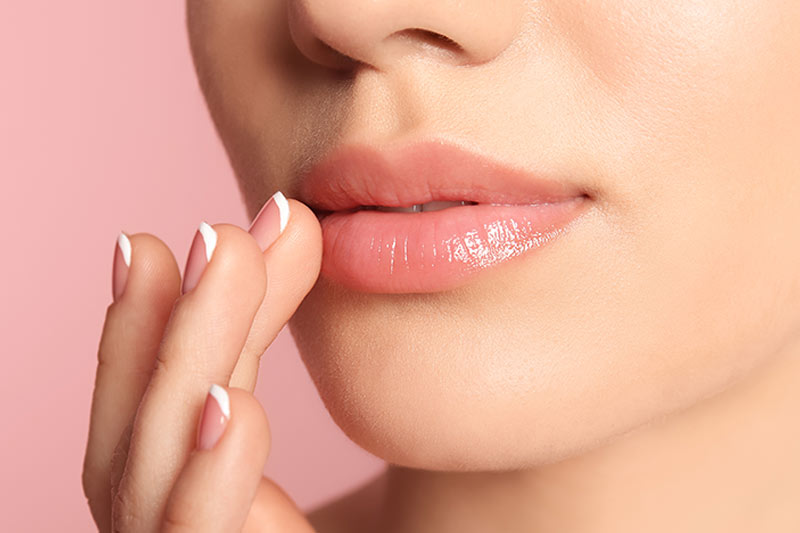
Lips
Hyaluronic acid lip fillers are the most popular lip enhancers. They volumize, improve symmetry, or add more lip definition. These corrections can be subtle, moderate, or more prominent, depending on the patient’s beauty goals.
Here are the common filler injection areas around the lips:
Vermilion border (the edges of the lips)
Cupid’s bow (the curve in the center of the upper lip)
Oral commissures (corners of the mouth)
Note: Learn how to extend the lifespan of your treatment with these lip filler aftercare tips.
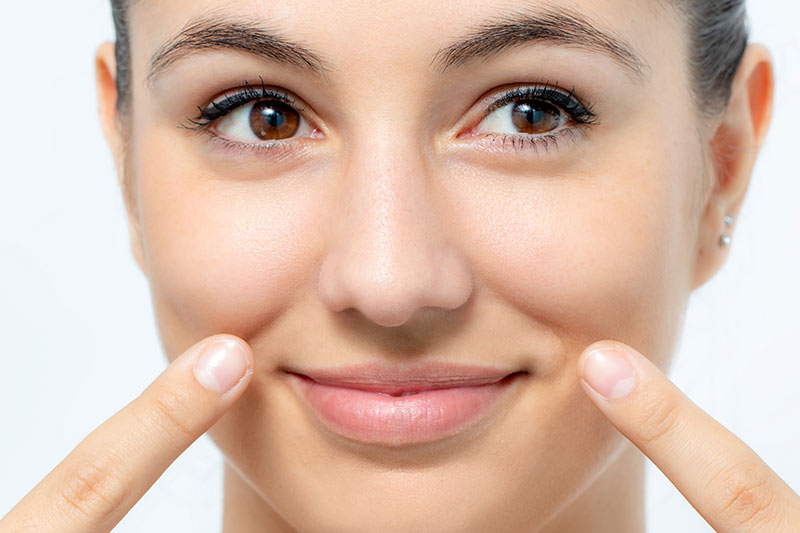
Cheeks
Cheek fillers can reverse volume loss in the mid-face area, rebuild lost collagen in sunken cheeks, and improve cheek contours and definition. This minimally invasive cosmetic procedure rejuvenates the skin, augments the cheekbone area, and produces a full, rounded look.
The provider injects filler in the following cheek areas:
Chin and jawline fillers achieve a variety of aesthetic goals, including jaw sculpting, restructuring the chin, lifting sagging jowls, and correcting moderate to severe volume loss in the lower face region.
These are the most common chin and jawline filler injection sites:
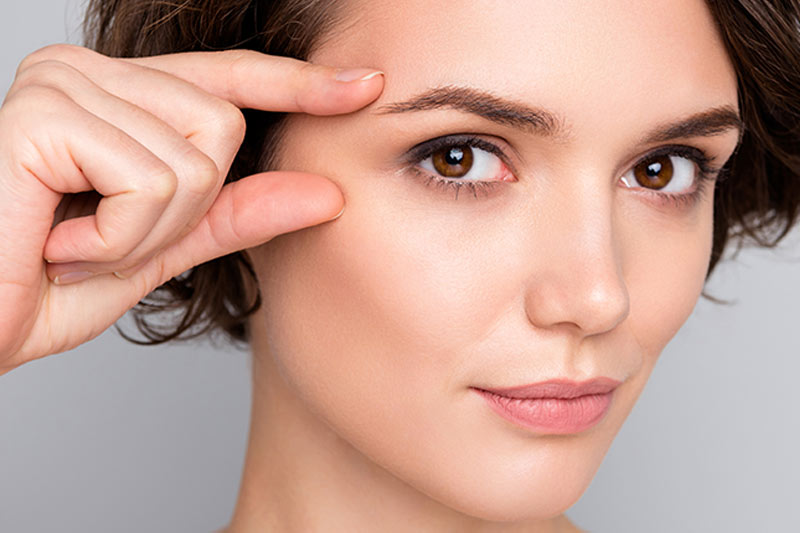
Temple filler targets the upper facial area and replaces lost volume around the eyes. Dermal filler placed at and around the brow bone can help open the eyes and lift droopy eyebrows.
Fillers also reduce the lateral wrinkles around the eyes, so-called “crow’s feet.”
Providers administer filler injectables into the following upper-face areas:
The periorbital region above the eye (the brow)
Deep temple
Supraorbital ridge
Superficial temple
Nasolabial folds
Nasolabial fold fillers smooth out the so-called “smile lines” that run vertically from the sides of the nose to the corners of the mouth.
Depending on the severity, this type of filler can make the nasolabial grooves less prominent or eliminate them. The effects are a more youthful, refreshed appearance with fuller cheeks and plumper skin around the mouth.
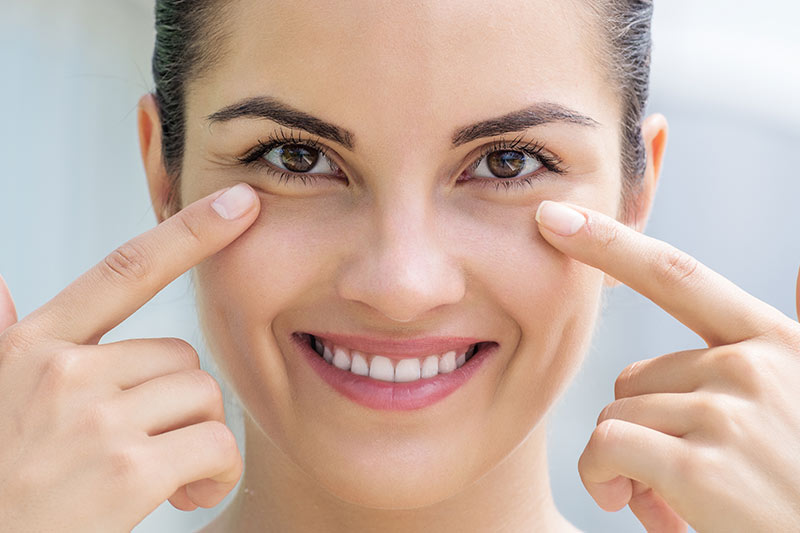
Undereye hollows are a common filler injection area. Under eye fillers bring out a refreshed, youthful look by restoring volume and reducing puffiness and dark circles.
The providers administer the filler into the following regions:
Infraorbital region
Nasojugal groove (tear trough)
Hands
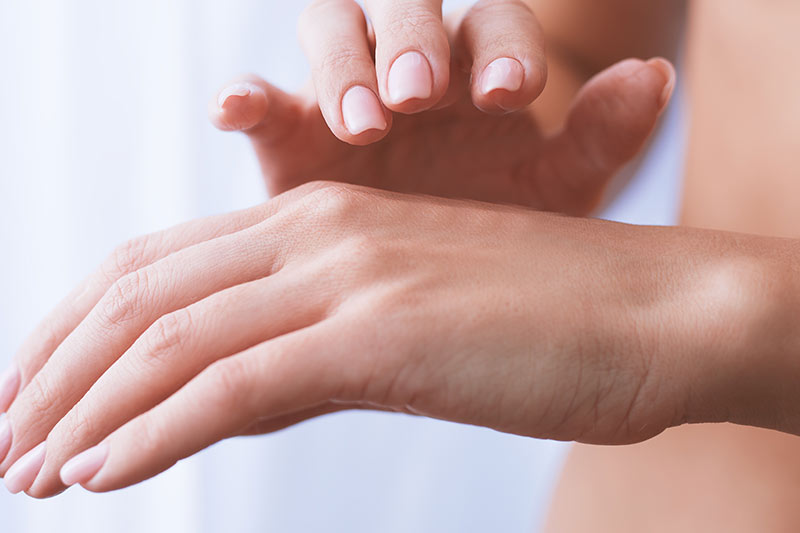
Hand rejuvenation is a lesser-known filler treatment that is slowly rising in popularity. Fillers for the hands can prevent or minimize many signs of aging skin, such as decreased elastin and collagen production, wrinkles, dark spots, and prominent veins and tendons due to loss of fatty tissue.
The administrator injects the filler into three distinct fatty pads on the dorsum (back) of the hand using a 25-to-32-gauge needle or a blunt cannula to avoid nerve or vessel damage.
Chest
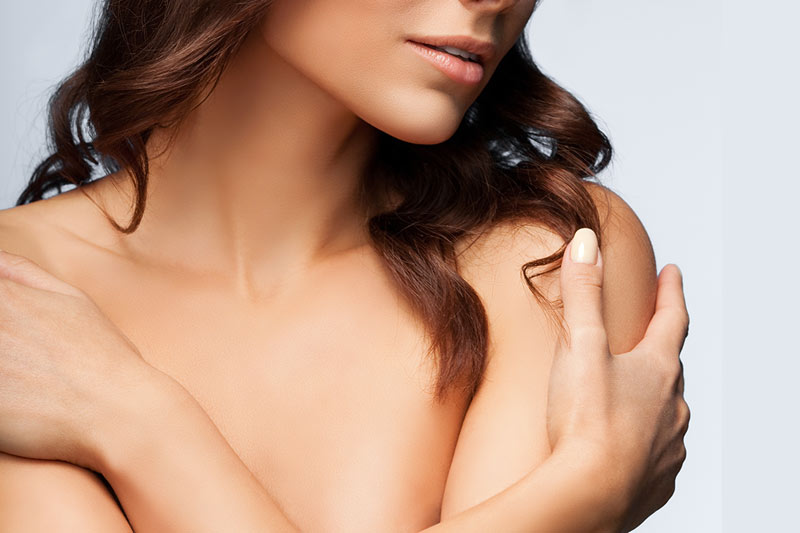
Dermal fillers can reverse many aging signs in the neck and chest area, including chest wrinkles, thinning skin, a hollowed chest, and visible veins that become more prominent with volume loss.
Due to potential complications, doctors do not recommend placing dermal filler into the delicate breast tissue.
Scars
Filler injectables smooth out uneven skin texture and minimize imperfections, such as blemishes, lumps, or acne scars. The injector fills in the hollowed or sunken area to make the scar less noticeable. The results depend on the scarring severity and overall skin condition. This type of treatment requires multiple sessions for optimal results.
HA-based fillers are most effective for rolling scars and atrophic scars. Target areas include the following:
Filler danger zones are areas of the face where providers need to be especially careful not to inject the filler in such a way as to damage blood vessels, causing unwanted side effects.
The most common dermal filler danger zones are the following:
Glabellar region (just above the nose and between the eyebrows)
Temporal fossa (area around the temples bordered by the outer eye socket, upper cheekbone, hairline, and forehead)
Infraorbital region (malar cheek fat pad, located right under the eye sockets)
Perioral region, lips, and oral commissure (area around the mouth, including nasolabial folds and lip corners)
Nasal area (corners of the nose, the nasal tip, and nose bridge)
Well-trained and experienced clinicians prevent adverse effects by tailoring their technique to ensure maximum safety. Here are the steps that reputable filler providers follow:
Evaluating unique facial features, anatomy, and vasculature (arrangement of blood vessels) to avoid potential vessel ruptures, vascular occlusions, and soft tissue damage.
Injecting slowly and in small increments, using continuous motion and small syringes.
Soft-tissue filler injections can revitalize the skin of the face, chest, hands, and scarred body areas. Anatomy-appropriate injection techniques, performed by certified providers with a proven track record yield the best results.
Schedule an appointment at Vibrant Skin Bar to learn what type of filler is best suited for your aesthetic goal.
Disclaimer: Some filler injection areas mentioned in this article are considered an off-label procedure and require consultation with the chosen medical provider.
PA Kristina Cadwell graduated from Arizona State University with a Bachelor of Science degree in Biology. She then completed the Physician Assistant program at A.T. Still University graduating with a Masters of Medical Science degree. Kristina has been working in the Aesthetic Medical field for over 15 years. She is certified in neurotoxin cosmetic injection, dermal fillers, laser therapy, chemical peels, and ultrasound. She is known for producing natural results and has extensive knowledge in nutrition, hormone balancing, microbiome health, diet and exercise. Her latest endeavor is the Vibrant Skincare Line, a microbiome-friendly line of skincare that works with your body. Her passion and the reason she does everything she does? Helping you achieve vibrant skin from the inside out.