Dermal fillers are, alongside Botox, the most frequently sought cosmetic treatments worldwide. They smooth wrinkles, restore volume in sunken areas, augment the lips, and visibly enhance facial features without the risk of surgery.
This article focuses on Sculptra, one of the best fillers for more severe aging signs and longer-lasting effects.
What Is Sculptra?
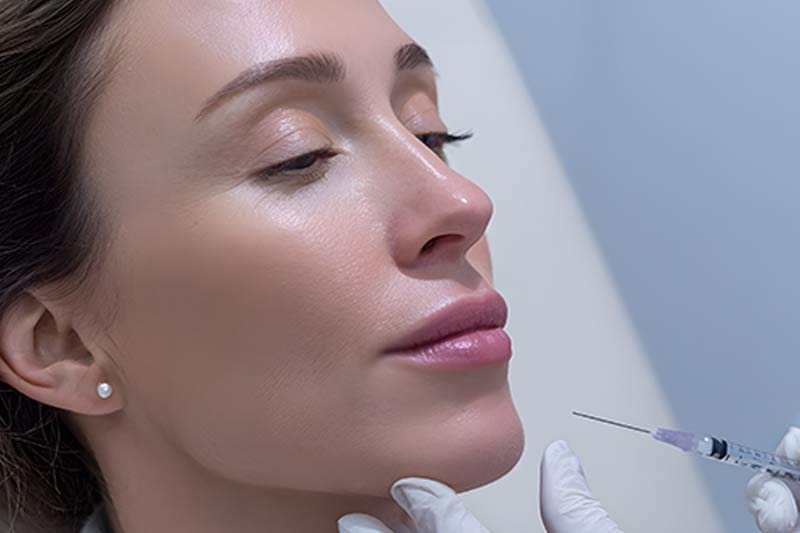
Sculptra by Galderma is an FDA-approved injectable based on poly-L-lactic acid (PLLA), a synthetic gel that stimulates the body to rebuild collagen over time, gradually remodeling the skin. Sculptra is a semi-permanent filler, meaning it slowly breaks down in the body, providing long-lasting results.
How Does Sculptra Work?
Unlike traditional hyaluronic acid fillers that instantly volumize the skin, Sculptra is made of poly-L-lactic acid, which stimulates the body’s natural collagen production. After injection, it triggers a controlled inflammatory response that promotes the formation of new collagen around the injected filler. As the structural protein gradually regenerates, the skin becomes firmer, smoother, and more lifted, with results developing over time.
What Are the Benefits of Sculptra?
Filler providers and patients love Sculptra because of the following benefits:
FDA-Approved
Sculptra is FDA-approved for the treatment of moderate to severe wrinkles and folds in the mid and lower face. It is often a good solution for aging signs that HA fillers cannot address, such as deep nasolabial folds, sunken cheeks, and tech neck.
Semi-Permanent
Semi-permanent or bio-stimulating fillers like Sculptra last longer than temporary HA fillers. They are biodegradable but dissolve at a slower rate. Their longevity comes primarily from increased collagen production, which provides gradual rejuvenation as collagen replaces the product.
Natural Results
Because it works by stimulating our body’s own collagen, Sculptra provides natural-looking improvements. The results develop gradually, giving the impression of natural rejuvenation.
Note: Learn more about how to rejuvenate the skin with proper skin care and cosmetic treatments.
Non-Surgical
One of Sculptra’s (and other dermal fillers’) key advantages is that it is a non-surgical, minimally invasive treatment. It eliminates the risks of surgery and general anesthesia, which is often a decisive factor for patients considering aesthetic procedures.
No Downtime
As a non-surgical treatment, Sculptra involves little to no downtime and minimal recovery. Most patients can resume work and their regular daily activities, but they may want to avoid social events for a week or two due to temporary side effects, such as swelling and bruising.
What Is Sculptra Used For?
Sculptra’s unique formulation and various functions make it a versatile treatment, capable of addressing many cosmetic concerns.
Sculptra Functions
Below are Sculptra’s functions that determine its suitability for specific skin concerns.
- Stimulates increased collagen production.
- Restores lost volume in sunken areas caused by fat loss.
- Lifts and tightens the skin by rebuilding the skin’s structural support.
- Smooths moderate to deep wrinkles and folds.
Sculptra Treatment Areas
Sculptra is used in FDA-approved and off-label procedures.
FDA-approved areas:
- Nasolabial folds
- Marionette lines
- Chin wrinkles
- Fine lines and wrinkles on the cheeks
Off-label procedures:
- Wrinkles loose skin on the neck
- Butt lift
- Hip dip contouring
- Tightening loose skin on the upper arms
- Tightening sagging skin on the knees
- Reducing the appearance of cellulite on the buttocks and thighs
Who Is a Good Candidate for Sculptra?
Providers usually recommend Sculptra for patients with the following concerns:
- Volume loss, skin laxity, and deep wrinkles in the mid and lower face
- Sagging skin in the neck, upper arms, buttocks, and knees
- Cellulite on the thighs and buttocks
- Hip dip correction
What Is the Best Age for Sculptra?
Sculptra is approved for healthy adults aged 18 or older, but patients are typically in their 30s or 40s with visible signs of thinning and wrinkling skin due to aging and collagen decline. Some patients in their 20s use it as a preventative or “prejuvenation treatment”. The filler also helps people in their 50s and 60s restore volume and improve skin quality.
How to Prepare for the Sculptra Treatment?
During the initial consultation, Sculptra providers give specific instructions to their patients on how to properly prepare for the treatment. These guidelines typically include the following:
- Avoiding blood-thinning medications and supplements for one or two weeks, if approved by a doctor.
- Refraining from smoking and drinking alcohol for several days.
- Staying well hydrated in the days before the treatment.
- Using gentle skincare products.
- Avoiding treatments that may cause skin irritation for two weeks before the session (e.g., chemical peels, lasers, etc.).
- Arriving at the appointment with clean skin and free of makeup.
What to Expect During a Sculptra Treatment?
Like other dermal filler procedures, Sculptra starts with the provider cleansing the patient’s skin, applying a topical numbing cream, and marking the injection sites. After the cream takes effect, they inject the filler into the target area. The injection process takes between 15 and 60 minutes, depending on the number and size of the treatment areas. At the end of the session, providers often massage the injection spot to reduce the risk of lump formation.
How Painful Is Sculptra?
The Sculptra treatment is typically well-tolerated, with most patients experiencing only mild discomfort and a slight stinging or burning sensation. To improve comfort, providers mix Sculptra with lidocaine and apply a topical numbing cream on the treatment area before injecting the filler.
Sculptra Treatment Results
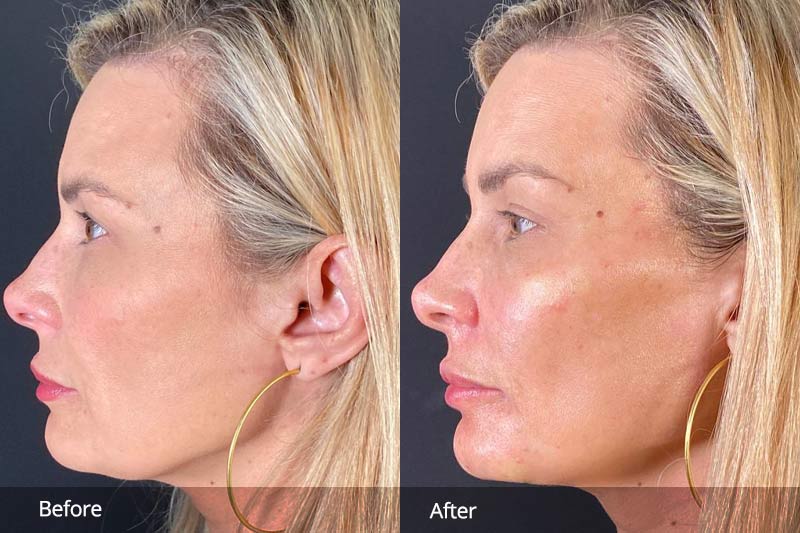
Most patients require three treatments spaced four to six weeks apart. Initial improvements in skin quality appear several weeks after the first injection. The skin gradually becomes smoother, firmer, and more lifted, with the results peaking about three months after the final session.
How Long Will Sculptra Last?
Sculptra is among the longest-lasting dermal fillers. Most patients enjoy its rejuvenating effects for up to two years, and some even longer. The duration of the results depends on many factors, including the patient’s lifestyle and skincare habits, and which area was treated.
What Are the Downsides of Sculptra?
The drawbacks of using Sculptra include:
- Non-reversible – Semi-permanent fillers like Sculptra can’t be dissolved like hyaluronic acid fillers. Patients who are not satisfied with the results must wait for the filler to dissolve on its own.
- Multiple sessions – Unlike most other dermal fillers, Sculptra requires multiple sessions to achieve the desired effects.
- Temporary side effects – Many patients experience temporary side effects such as redness, swelling, bruising, itching, and lumps; they usually resolve within two weeks.
- Higher cost compared to other fillers –One vial of Sculptra more expensive than a vial/syringe of most other fillers and it also requires more sessions.
Sculptra Aftercare
Proper aftercare is essential in achieving the desired Sculptra results. Providers recommend following the guidelines below.
- Massage the treated area several times a day for five minutes to prevent the formation of lumps. Continue for five days.
- Apply cold compresses on the treated area for a day or two to reduce swelling.
- Avoid sources of high heat, including sun exposure and tanning beds.
- Refrain from strenuous exercise for 24-48 hours.
- Don’t drink alcohol for 24-48 hours.
- Drink plenty of water to assist the natural healing process.
- Sleep with your head elevated on an extra pillow for several days.
- Simplify your skincare routine. Use gentle cleansers and moisturizers.
- Don’t rub, pick on, or apply pressure on the treated skin.
- Don’t schedule treatments that may irritate the skin for two weeks, including chemical peels, microneedling, and lasers.
Note: For more helpful tips, read our blog post on dermal filler aftercare.
What Happens If I Sleep on My Side After Sculptra?
Sleeping on the side puts pressure on the treated area, which can worsen swelling, bruising, and tenderness and delay recovery. Providers often recommend sleeping on one’s back for a few nights to allow even distribution of Sculptra.
What Happens If You Don’t Massage Sculptra?
If Sculptra isn’t evenly distributed, the PLLA particles remain concentrated in certain areas, increasing the risk of lump formation. Providers usually prevent lumps by massaging the treated area after the injection. They advise patients to continue massaging for several days.
Who Should Avoid Sculptra?
During the initial consultation, providers evaluate the candidates’ health status to determine their suitability for the procedure. People with the following conditions may need to consider other rejuvenating options.
- Pregnancy
- Lactation
- Weakened immune system
- History of acne scarring
- Bleeding disorders
- Severe allergies
- Active skin infections
- Allergies to PLLA, lidocaine, or other filler components
How Much Does Sculptra Cost?
At Vibrant Skin Bar, one vial of Sculptra costs $900. The cost of the full treatment depends on the patient’s skin concern and desired outcome, which determines the amount of Sculptra required and the total number of sessions.
Sculptra FAQ
These frequently asked questions from patients provide more details about the expected outcomes of a Sculptra treatment.
Will My Face Go Back to Normal After Sculptra?
Sculptra’s results fade over time, which may take two years. Collagen production slows again, and the skin reverts to its natural, pre-treatment state. Aging signs gradually return as skin aging continues.
Does Sculptra Look Worse Before It Looks Better?
Sculptra usually causes temporary side effects, such as redness, swelling, and bruising, which make the treated skin look worse than before the treatment. As the side effects fade, initial improvements in skin tone and texture are revealed. Over time, the skin becomes firmer, smoother, refreshed, and rejuvenated.
Is Sculptra Better Than Other Fillers?
Every filler has unique advantages that make it suitable for specific skin concerns. Sculptra is particularly effective for restoring volume in hollow cheeks, filling nasolabial folds, and deep rejuvenation of the mid and lower face. However, it is not ideal for areas that require immediate volume, such as the lips, under-eye hollows, and fine contouring. In these cases, hyaluronic acid fillers are a better choice.
Conclusion
Sculptra is a long-lasting injectable that gradually restores volume by boosting your skin’s natural collagen, creating subtle, natural-looking results.
If you’re ready to try its magic, make sure to book Sculptra at a reputable location and with a highly skilled medical provider who will customize the treatment to your unique anatomy and aesthetic concerns.
Contact our dermal filler experts in Phoenix to help you achieve your beauty goals.