Sensitive skin easily gets irritated and flares up, leading to chronic skin conditions such as rosacea. Natural remedies have a tremendous therapeutic effect and can lessen redness, inflammation, and other uncomfortable symptoms.


This article explores nineteen natural treatments for rosacea that you can implement today.
Rosacea is a common inflammatory skin condition that manifests as flushing or prolonged redness, typically in the central facial area (e.g., nose, chin, cheeks). Other symptoms include burning, stinging, rough or scaly skin, and spider veins. Flare-ups come and go in cycles, exacerbated by external stimuli, such as too much sun exposure or chronic stress.
Note: Learn more about the correlation between stress and skin.
A holistic skincare approach and natural skincare products can soothe the skin and alleviate the symptoms. Below we explore some proven natural remedies for rosacea.
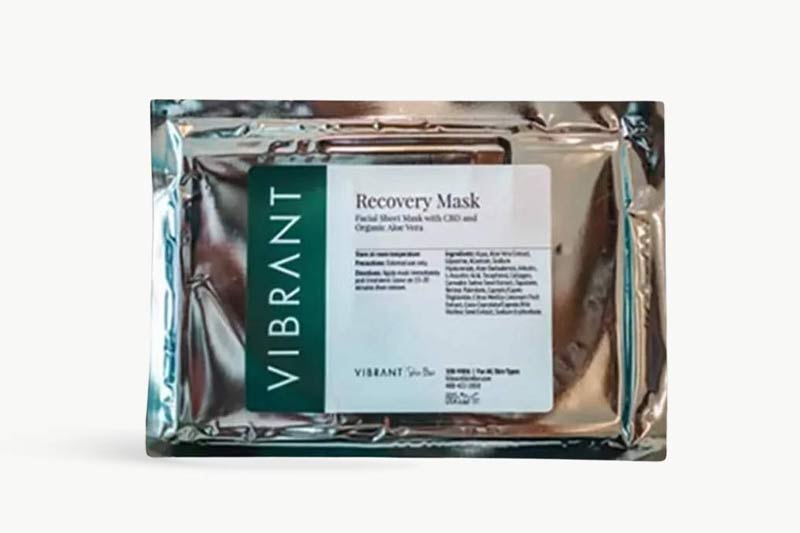
Aloe vera has soothing, antioxidant, and moisturizing properties that can minimize rosacea symptoms. Its potent blend of vitamins, minerals, and amino acids forms a protective barrier, preventing moisture loss and calming skin irritations. Aloe vera also has wound-healing qualities that promote cell turnover and help repair damaged tissue, providing immediate relief.
The gel extracted from this succulent is commonly used in moisturizers, sunscreen, serums, and facial masks. That is why we have included it in our proprietary mask – Vibrant Skin CBD Recovery Mask.
This herbal treatment is suitable for dehydrated, inflamed skin. Its gentle botanical properties hydrate, soothe, and strengthen compromised skin. Its vasoconstrictive effect reduces redness and dilated blood vessels, making it ideal for rosacea patients.
You may also apply diluted chamomile oil directly to your skin or use cooled chamomile tea as a cold compress, but make sure to choose only products that contain natural chamomile extract.
Coconut oil is rich in antioxidants and fatty acids that prevent water loss, reduce inflammation, and maintain the skin’s protective barrier. It is also a rich source of lauric acid, which has potent antimicrobial properties suitable for sensitive, dry, or flushed skin.
Green tea is an essential natural ingredient in antioxidant skin care due to its exceptional anti-inflammatory properties. It is a strong ally in combatting rosacea and contains polyphenols that help reduce symptoms such as burning, itching, or redness.
Green tea can be used as an herbal supplement or applied topically through creams, moisturizers, and serums.
Oatmeal is an excellent home remedy for rosacea. It strengthens the outer skin layer, reduces itching, and prevents moisture loss. Ground oat kernels, or colloidal oatmeal, help soften and calm irritated skin, reduce rashes, and alleviate burns.
Choose products that contain colloidal oatmeal. Alternatively, you can make a DIY face mask at home by mixing a couple of tablespoons of oatmeal with water.
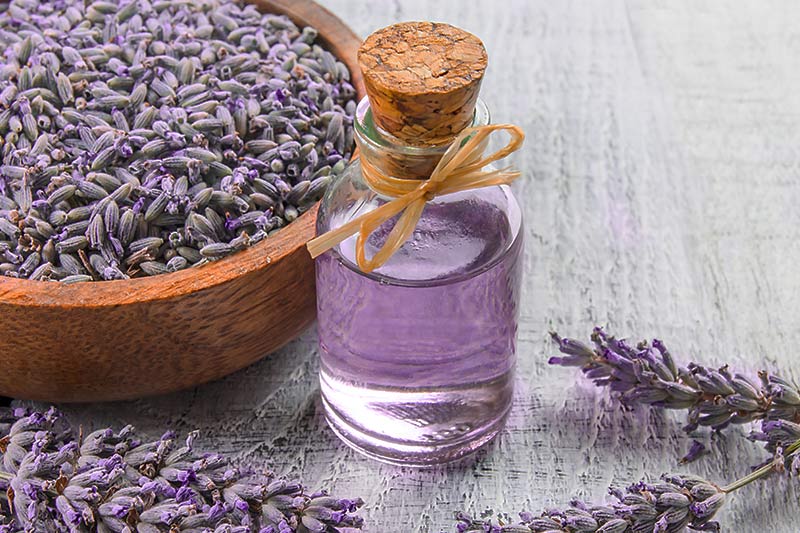
Lavender oil has calming properties that can soothe skin irritations, reduce itching and dryness, and minimize the side effects of conditions such as rosacea, eczema, and psoriasis. Its anti-fungal and antimicrobial components, such as linalool, geraniol, and eucalyptol, effectively reduce stress-induced flare-ups and alleviate discomfort.
Use diluted lavender essential oil in small amounts to treat the inflamed area or add a few drops to your favorite moisturizer for calming effects.
Niacinamide is a type of vitamin B3 essential for maintaining healthy skin. Its potent antioxidant properties can reduce redness, swelling, and blotchiness from acne, eczema, or rosacea. Rosacea can affect all skin types, and niacinamide is particularly beneficial for oily skin types because it balances sebum production and reduces excessive oiliness.
Niacinamide is frequently added to creams and lotions for topical use. To decrease skin flushing, use a moisturizer with 2% of niacinamide.
Note: Niacin is another form of vitamin B3 that improves skin health and can be increased through vitamin B IV therapy.
The roots of this plant contain allantoin and rosmarinic acid, compounds that can reduce swelling, puffiness, and inflammation. These soothing substances neutralize free radicals, protect the skin from environmental stressors, and relieve the burning sensation that can accompany rosacea.
Comfrey extracts are used in ointments, creams, and salves to reduce redness, itchiness, and irritation. To speed up recovery, choose cosmetic products with natural comfrey or allantoin.
Burdock is commonly used as a skin-brightening botanical extract to improve complexion and skin tone. Studies confirm that its seed extract promotes blood circulation and improves skin brightness.
The root is known as a “blood purifier” in traditional Chinese medicine due to its ability to fight bacteria and infections. Its powerful antimicrobial and antioxidant properties help manage rosacea symptoms, protecting the skin against oxidative stress.
Burdock is available as an herbal supplement, fresh root, or seed extract.
Feverfew is a medicinal plant with numerous health benefits, including migraine relief. When applied to the skin, this so-called “medieval aspirin” has strong antiseptic properties. Its powerful anti-inflammatory effect helps reduce the symptoms of rosacea.
Feverfew also protects against ultraviolet (UV) rays and other environmental stressors that damage the skin or expose it to harmful external agents.
Choose only topical feverfew products that are parthenolide-free, as parthenolides may provoke skin sensitivity (e.g., contact allergic dermatitis).
Raw honey can alleviate discomfort, soothe the skin, and prevent flare-ups. It also helps against dryness by locking in extra moisture, softening the skin, and enhancing its barrier. A study showed that topical use of high-quality kanuka honey alleviates rosacea symptoms.
You can apply a small quality of pure kanuka or manuka honey directly to the skin or choose a topical product that contains pure raw honey.
This root contains antioxidants from curcumin, a bioactive component with potent anti-inflammatory and wound-healing properties. It is beneficial for painful or inflamed rosacea symptoms, acne scarring, and psoriasis.
You can use it in topical products, mix turmeric powder with water to create a poultice, or apply a small quantity of essential turmeric oil diluted in a carrier oil. Turmeric may leave a yellow residue, so use sparingly to avoid staining the skin.
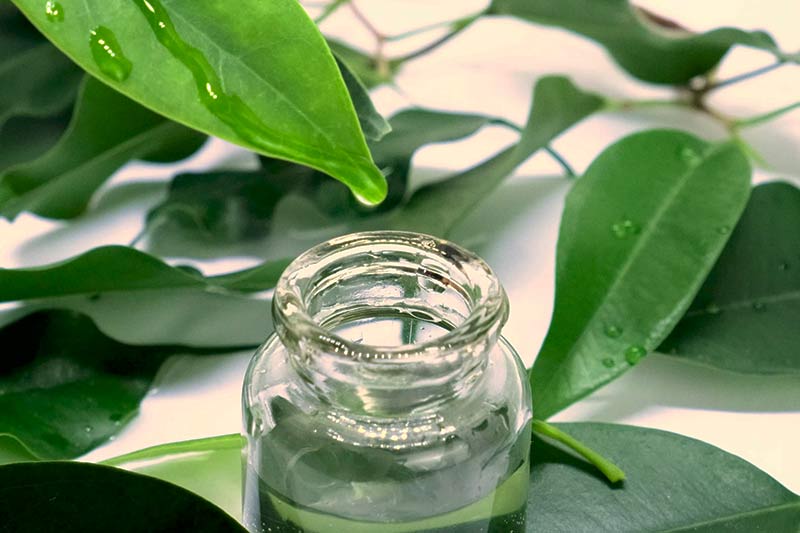
Tea tree oil has soothing compounds that help alleviate itching and inflammation. Although it is not a common treatment for rosacea, one study indicates that tea tree oil gel helps to reduce inflammation and redness in rosacea patients.
It is also a natural antiseptic used to treat open cuts and speed up wound healing. Its anti-fungal and antimicrobial properties relieve skin irritation and help clear infections.
You can use it in diluted form in a carrier oil and apply it directly to your skin.
Cucumber has a cooling effect that soothes inflamed skin and reduces the sensation of burning. It also hydrates the skin and reduces swelling, providing relief and comfort.
Cucumbers are rich in inflammation-fighting vitamin C, beta carotene, and manganese, which help ward off free radicals and keep the skin intact. Antioxidants in cucumber help to remove blemishes and reduce the appearance of redness associated with rosacea.
You can use products with cucumber extract or make your own soothing mask with fresh cucumber and other natural ingredients suitable for your skin type.
Note: Cucumbers are not the only way you can nourish your skin. Vitamin C IV therapy can also help boost antioxidants and detox your skin for improved skin health.
Licorice root is one of the oldest herbal remedies that can be used topically. Its primary active compounds glycyrrhizin, coumarins, and flavonoids have numerous antioxidant, antimicrobial, and antiviral properties that reduce redness and calm the skin.
Licorice extract is a common treatment for eczema and acne but may also be beneficial with secondary skin issues associated with rosacea, such as discoloration or flushing.
You can incorporate licorice extract into your skincare regimen by choosing the products that contain this natural remedy.
Poor gut health may trigger or worsen rosacea symptoms. A well-balanced diet rich in probiotics and prebiotics promote a healthier gut environment and improve this skin condition.
Probiotics are “good” bacteria that support your digestive system, typically found in fermented foods, kefir, and yogurt. Prebiotics are high-fiber foods that feed the good bacteria in your gut. Prebiotic foods include garlic, onions, chia seeds, and almonds.
There are also a variety of supplements that can help promote gut health. We recommend Vibrant Biome or Vibrant Digest, which can help reduce redness by supporting healthy flora in the GI tract.
Traditional Chinese medicine uses acupuncture to improve blood circulation by inserting tiny needles to stimulate energy flow. This technique may reduce redness, irritation, and flushing associated with rosacea.
Acupuncture provides temporary relief. To maximize the results, complement the treatment with recommended herbs and lifestyle changes (e.g., avoiding hot and spicy food).
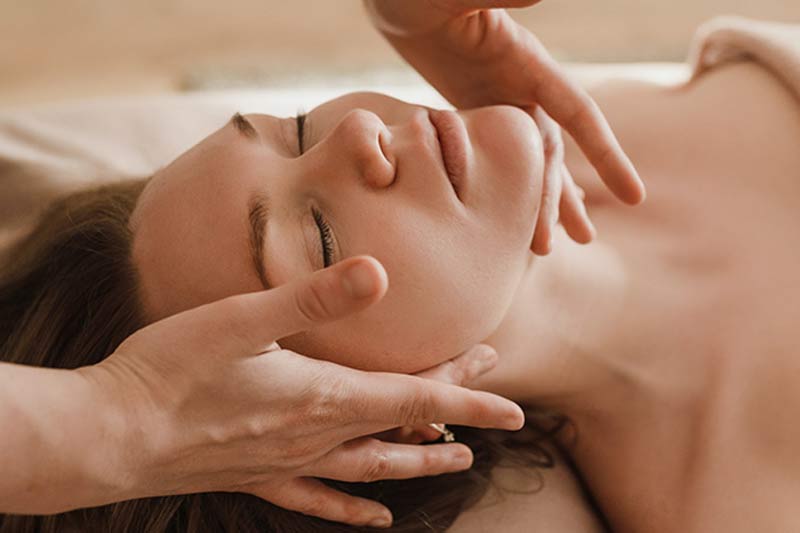
Holistic facials combine acupressure and lymphatic drainage massage with essential oils and pure botanical ingredients. These treatments improve circulation and promote toxin removal, providing relief from rosacea symptoms.
Each treatment includes unique plant-based products and techniques customized to suit your skin type and concern. Vibrant Skin Bar’s Remedy Facial helps reverse skin sensitivity and irritation and is excellent for inflamed skin.
You can manage your rosacea symptoms with the following lifestyle changes:
Rosacea can turn into a chronic condition if left untreated. Some patients find relief with over-the-counter treatment, while others need prescription medication.
Seek professional medical assistance if you experience any of the following:
Natural treatments for rosacea are practical, at-home solutions that can help you manage your symptoms. They are simple and affordable options ideal for people who prefer to turn to nature and avoid harsh chemicals.
However, these natural remedies are not always effective and may cause unwanted results. Consult a certified dermatologist for more information and advice.
Next, learn about holistic ways to treat eczema.
*Disclaimer
Natural treatments mentioned in the article might cause skin irritations, allergies, and other health problems. Check the product labels to learn about interactions with other skincare products or medications. Always perform patch tests before applying any natural remedies to your skin. We strongly advise using these natural treatments under medical supervision to avoid side effects or unwanted results.