Amino Acids for Skin: What They Do and Why They Matter
Amino acids are essential for keeping the skin healthy, radiant, and resilient. They promote cellular turnover, preserve elasticity, and enhance the barrier function. You can obtain these protein-forming compounds through food, supplements, or skincare products.
Kristina Cadwell
May 14, 2025
·
9 min read
This article explores the benefits of amino acids for skin, the different types used in skincare, and how to implement them into your routine.
What Are Amino Acids for Skin?
Amino acids are the essential components of all proteins, including keratins, collagen, and elastin, the most abundant fibrous proteins in the skin. They play a crucial role in skin health by supporting its structure, promoting repair, and influencing its overall appearance.
Topical amino acids (e.g., creams, serums) are skincare ingredients directly applied to the skin. They enhance the skin’s ability to repair itself and are particularly effective in reducing signs of aging and preserving a healthy skin microbiome.
The human body needs twenty different amino acids to function properly. These molecules can be categorized into essential, non-essential, and conditionally essential amino acids.
1. Essential Amino Acids
Essential amino acids are those amino acids that the body cannot produce on its own but must be obtained through diet. They are:
Histidine
Isoleucine
Leucine
Lysine
Methionine
Phenylalanine
Threonine
Tryptophan
Valine
You can obtain all essential amino acids through food and supplements:
Animal-based sources
Plant-based sources
Supplements
Dairy products, whole eggs, poultry, beef, pork, lamb, organ meats, bone broth, and seafood.
Collagen powder or capsules, protein powders, essential amino acid blends like branched-chained amino acids (BCAAs), and individual amino acid supplements.
If you are a vegan or vegetarian, nutritionists recommend combining different plant-based proteins to obtain all essential amino acids. Good combinations include legumes and grains or nuts and seeds. Complementary plant-based proteins include these combinations:
Rice and black beans
Corn and lentils
Pasta and peas
Chickpea hummus and wheat pita bread
Whole-wheat bread and peanut butter
However, it is not necessary to mix protein types for every meal if you manage to hit your protein goals by the end of the day. You can also include quinoa, tofu, tempeh, edamame, and soy milk, as these are complete proteins and contain all nine essential amino acids.
2. Non-Essential Amino Acids
Non-essential amino acids are those that our body produces on its own and that do not need to be obtained through diet. They are:
Alanine
Arginine
Asparagine
Aspartic acid
Cysteine
Glutamic acid
Glutamine
Glycine
Proline
Serine
Tyrosine
These amino acids are also critical for vital bodily functions, including immune function, tissue repair, and collagen formation.
3. Conditionally Essential Amino Acids
The body typically produces these amino acids, making them non-essential under healthy conditions. However, during illness and stress, the body does not produce sufficient amounts, which makes them “conditionally essential.” These include:
Arginine
Cysteine
Glutamine
Tyrosine
Glycine
Ornithine
Proline
Serine
During sickness or prolonged stress, the body relies on food and supplements to meet its increased need for these amino acids.
How Do Amino Acids Benefit the Skin?
Each amino acid performs a specific role in maintaining skin health and youthfulness. Together, they help enhance skin immunity and keep the skin hydrated, nourished, and resilient.
Hydration Boost
Amino acids strengthen the skin’s natural moisture barrier and boost hydration by working with aquaporins, the body’s water channels. They also help regulate the pH balance and water retention of the skin’s outermost layer, the stratum corneum.
Researchers have found that synthetic amino acids may hydrate the skin even more efficiently than the ones derived from food.
Wound Healing and Skin Repair
Amino acids repair damaged skin, stimulate collagen production, and support the immune response needed for healing. Supplements with the most potent wound-healing properties typically contain arginine, glutamine, and HMB (hydroxy methylbutyrate).
This study shows that arginine and glutamine supplements accelerate wound healing and promote tissue repair, contributing to overall skin health and preventing scarring or long-term damage. HMB reduces inflammation and stress-related damage.
Protection Against UV Damage
Aromatic amino acids like tryptophan, tyrosine, and phenylalanine absorb UV light and may prevent collagen breakdown. However, their UV-absorbing power is limited, and they do not neutralize damage by free radicals, which is why your skin requires additional protection.
Always apply a broad-spectrum, high-SPF sunscreen to minimize sun damage and photoaging.
Maintaining Skin Microbiome
Amino acids help maintain a healthy microbiome, preventing microbial imbalance that may lead to inflammatory conditions like psoriasis, rosacea, and eczema.
Researchers have found that various probiotic strains provide essential amino acids, vitamins, and antioxidants. You can apply topical probiotics to restore skin flora, strengthen the barrier, and fight off pathogens.
Antioxidant Protection
Amino acids do not typically function as antioxidants, but they boost the skin’s antioxidant defenses and help minimize oxidative stress.
Evidence suggests that methionine and cysteine contribute to the production of glutathione, a potent antioxidant that neutralizes free-radical damage and reduces wrinkles, hyperpigmentation, and sagginess.
Strengthening the Skin’s Barrier
Amino acids preserve the skin’s structure and integrity, reduce the risk of infections, and minimize skin pollution, UV damage, and dehydration. These building blocks of proteins make up the barrier, helping the skin retain moisture, fend off harmful bacteria, and stay intact.
They also contribute to cellular repair, which is essential for rebuilding the barrier after damage, stress, or micro-injuries.
Anti-Aging Effects
Amino acids have powerful skin-firming properties and can stimulate collagen and elastin production, reducing the appearance of fine lines, creases, wrinkles, and age spots.
The new Vibrant skincare line and supplements contain peptide-boosting formulas with potent amino acids designed for all skin types.
Our skin experts recommend the following products:
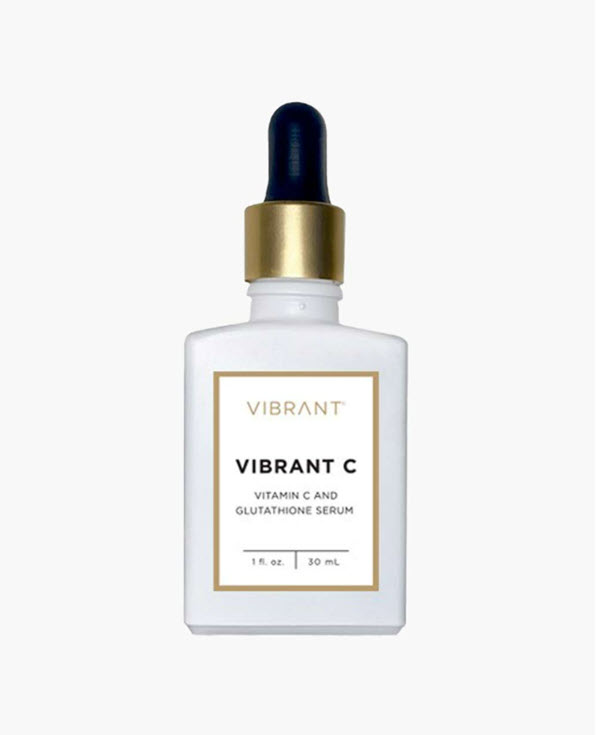
Vibrant C Serum – Bioavailable Vitamin C and Glutathione Serum
This serum pairs collagen-boosting amino acids hydroxyproline, proline, lysine, and glycine with potent antioxidants such as vitamin C, glutathione, ferulic acid, alpha lipoic acid, and NAC. Its microbiome-friendly formula helps neutralize free radicals, strengthen the barrier, and brighten and firm up the complexion.
Vibrant Collagen is a dietary supplement that supports the health of skin, hair, and nails. It contains a clinically tested blend of three patented collagen peptides that enhance skin elasticity, stimulate collagen turnover, and skin cell renewal.
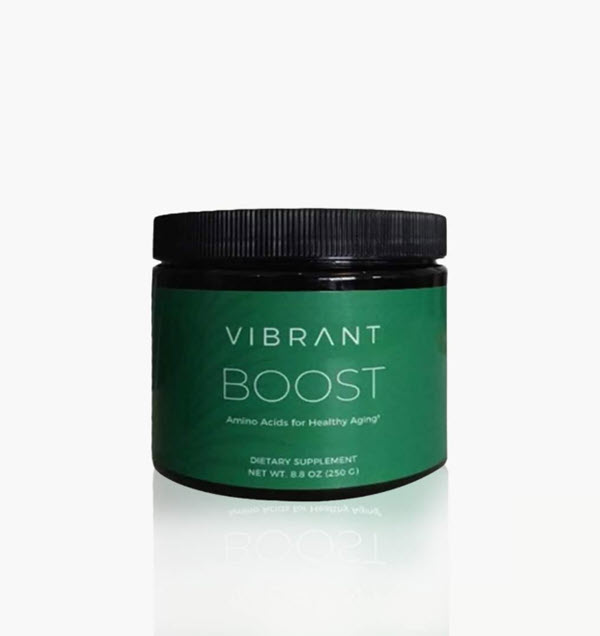
Vibrant Boost is a dietary supplement designed to promote healthy aging. Its unique formula combines taurine and glycine, two free-form amino acids that improve cellular, cardiovascular, and metabolic health. Glycine promotes glutathione’s effects and increases the antioxidant protection for healthy, resilient skin.
Amino acid-based skincare products can improve skin quality when paired with a well-rounded, nutrient-rich diet. Here are simple guidelines for incorporating them into your skincare regimen.
What Type of Products Should I Use?
Choose leave-on products like creams, serums, and sunscreens to prolong their effects and enjoy longer-lasting benefits. If you opt for an amino acid-based serum, let it absorb well before applying other products to enhance its absorption.
Check the ingredient list for individual amino acids like arginine or lysine, as the product label does not typically contain terms like “amino acids” or “peptides.”
What is the Best Time to Apply Amino Acids?
Amino acids are gentle skincare ingredients and can safely be applied twice a day, both in the morning and evening. However, always perform a patch test before introducing a new product to reduce the risk of irritation caused by other active ingredients.
How Often Can I Apply Amino Acids?
You can apply them daily using multiple products, especially if your skin is dry or sensitive. Amino acids can be safely used alongside retinoids, vitamin C, and niacinamide, as there are no known contraindications among these ingredients.
When Can You See the Results of Using Amino Acids for Skin?
You will notice that your skin is well-hydrated, smoother, and less sensitive after two to four weeks of regular use. You can expect a firmer texture and reduced fine lines after six to eight weeks of consistent use. The benefits of amino acids become more noticeable after several months of daily use, and results may vary depending on factors like skin condition, diet, age, and overall skincare routine.
Can You Combine Amino Acids for Skin with Other Ingredients?
The following ingredients can help unlock the full skin-enhancing potential of amino acids:
Ceramides – Preserve the skin barrier, prevent water loss, protect against UV damage, and rejuvenate the skin.
Hyaluronic acid (HA) – This naturally occurring humectant deeply hydrates and regenerates the skin, providing powerful anti-aging and wound-healing benefits.
Fatty acids – Omega-3, omega-6, omega-7, and omega-9 fats alleviate inflammation, strengthen the lipid barrier, and reduce dryness, resulting in a smoother complexion.
Copper peptides (GHK-Cu) – These short chains of amino acids with copper ions stimulate collagen production, promote wound healing, improve skin tone, and reduce hyperpigmentation and acne scars.
Should Anyone Avoid Amino Acids for the Skin?
Topical amino acids are generally safe for all skin types and are usually well-tolerated, even by sensitive skin. However, if you are prone to flare-ups, have open wounds, or known allergies, it is best to consult a dermatologist before introducing new ingredients into your skincare routine.
If you are pregnant or breastfeeding, consult your healthcare provider about the safety and suitability of amino acid-based supplements.
Conclusion
Amino acids are versatile skincare ingredients that support skin health in multiple ways, including hydration, repair, and barrier strength. To enhance the effectiveness of peptide-based topical treatments, pair them with a well-balanced diet and consider adding collagen-rich supplements for even greater skin-rejuvenating benefits.
Contact our skin experts for more information about microbiome-friendly ingredients.
PA Kristina Cadwell graduated from Arizona State University with a Bachelor of Science degree in Biology. She then completed the Physician Assistant program at A.T. Still University graduating with a Masters of Medical Science degree. Kristina has been working in the Aesthetic Medical field for over 15 years. She is certified in neurotoxin cosmetic injection, dermal fillers, laser therapy, chemical peels, and ultrasound. She is known for producing natural results and has extensive knowledge in nutrition, hormone balancing, microbiome health, diet and exercise. Her latest endeavor is the Vibrant Skincare Line, a microbiome-friendly line of skincare that works with your body. Her passion and the reason she does everything she does? Helping you achieve vibrant skin from the inside out.