UVA and UVB rays can worsen inflammatory skin conditions and lead to premature aging. This process is known as photoaging, solar damage, or photodamage.


This article describes photoaging signs and delves into risks, causes, and effective treatments.
Photoaging is prematurely aged skin caused by excessive exposure to the sun, heat, or light. Ultraviolet (UV) rays accelerate the breakdown of collagen and elastin fibers, leading to early signs of aging such as wrinkles, uneven tone, sagging skin, and sun spots.
Furthermore, prolonged sun exposure causes DNA changes on the cellular level and can lead to serious dermatological conditions, such as skin cancer.
Sun damage can trigger skin inflammation and worsen certain conditions, such as rosacea. Chronic sun exposure can lead to the following skin issues:
All body areas repeatedly or excessively exposed to the sun can become photoaged. These include the following:
Some individuals must take extra precautions as they are more prone to sun-related skin problems. High-risk population belongs to the following categories:
The following health conditions and medications also increase the risk of sun damage:
The primary causes of photodamage include the following:
Sun damage is easily preventable if you take precautions and adhere to the following guidelines.

Avoid staying in the sun for too long, especially between 10 am and 4 pm, when the rays are the strongest. Prolonged or repeated sun exposure leads to sunburns and accelerates photoaging.
If possible, engage in outdoor activities in the early morning or late afternoon. Bring a UV-resistant umbrella and stay in the shade if you can’t postpone outdoor activities during peak sun hours.
A wide-brimmed hat, long sleeves, loose-fitting clothes, natural clothing materials, and UV protection sunglasses are additional physical barriers against damaging UVA and UVB rays.
You can significantly reduce UV exposure by avoiding tanning salons and other artificial UV sources. Indoor tanning increases the risk of developing early wrinkles, leathery skin, and melanoma.
Note: If you want to achieve an attractive tanned look without compromising your skin health, you can try self-tanners or products that encourage natural tanning in the sun while reducing the damaging UV effects, such as the following:
Use broad-spectrum, water-resistant sunscreen with an SPF of 30 or higher to protect your skin and minimize damage. Reapply sunscreen every two hours, especially if you are sweating, exercising, or swimming.
Note: Learn how to choose a sunscreen suitable for your skin type.
Drinking plenty of water and using moisturizers helps the skin stay firm, elastic, and more resilient. Regular hydration reduces the appearance of premature lines, creases, and wrinkles caused by photoaging.
Note: Read the ultimate summer skincare guide for more tips on how to preserve skin health.
Prevention is easier than reversal, but there are steps you can take to treat signs of aging caused by excessive sun exposure. You can partially reverse sun damage by incorporating skin products with the following ingredients:
These potent anti-aging ingredients can somewhat restore a youthful appearance by reducing oxidative stress, brightening the complexion, promoting cellular turnover, and fading dark spots.
Note: Learn when skin starts aging and when to start using anti-aging products.
A dermatologist can diagnose this skin condition and provide a clinical evaluation of the symptoms’ severity through the following steps:
Seek professional medical advice if you notice any visible photodamage signs, including sunburn blisters, changing moles, and new spots.
A combination of topical treatments and cosmetic procedures can rejuvenate the skin, enhance the reversal of photoaging, and significantly improve the its appearance.
Consult a certified skin expert before trying the following sun damage solutions.
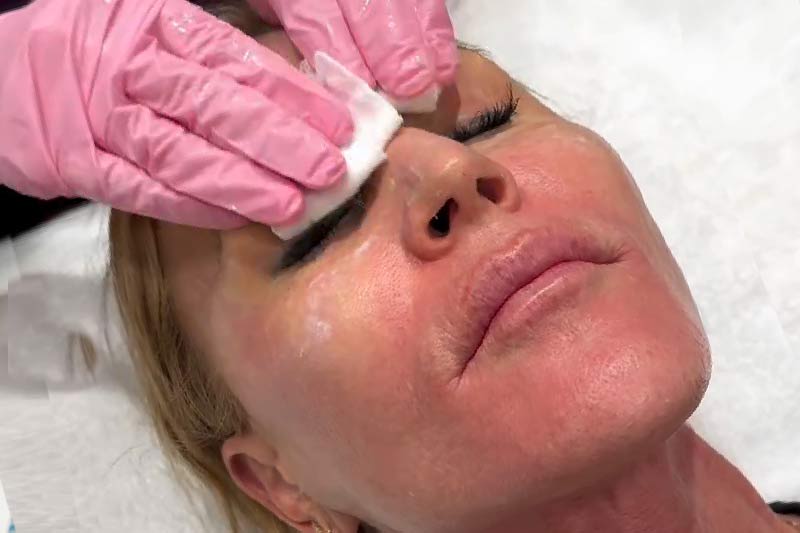
Skin rejuvenation products can effectively reverse or minimize the signs of aging. You can use prescription or over-the-counter topical creams, lotions, or gels with a high percentage of active ingredients that restore youthfulness. These products usually contain the following:
A chemical peel involves the application of a chemical solution to remove sun-damaged skin layers on the face, neck, and hands. This skin resurfacing treatment causes controlled damage to restore a smooth, youthful complexion.
Discuss with your dermatologist which type of chemical peel is suitable for your skin type and issue. These treatments vary in intensity and range from lighter to medium and deep peel treatments that can penetrate all skin layers. Follow the aftercare guidelines to ensure optimal results and avoid potential side effects.
Microdermabrasion is a non-invasive cosmetic procedure that uses fine crystals and a vacuum to resurface the skin’s top layer. This mildly abrasive process gently removes dead skin cells from the face, neck, chest, hands, and back.
The exfoliation results in a brighter complexion and a smoother skin texture. It reduces the appearance of fine lines, creases, and wrinkles. Microdermabrasion can be a standalone treatment or combined with other cosmetic procedures such as chemical peels, microcurrent, and laser.
Note: Learn how microdermabrasion and microneedling differ.
Microneedling is a procedure that uses a fine needle to make tiny punctures in the skin to stimulate collagen and elastin production. The natural, wound-healing process stimulated by microneedling helps to reduce hyperpigmentation and blemishes, and tighten the skin.
A traditional microneedling treatment can significantly reduce photoaging signs, but you can get more out of your skin-rejuvenating experience with the following treatments:
Laser therapy employs a laser resurfacing technique to treat damaged skin tissue with an intense light beam. This treatment uses heat energy to restructure the skin and improve its appearance.
A photofacial treatment may use an intense pulse light (IPL) or a more gentle light-emitting diode (LED) to alleviate the signs of solar damage, such as wrinkles, spider veins, skin laxity, and dark spots.
Some medical spas offer a more advanced BBL laser treatment that uses a cutting-edge BroadBand Light technology to reach deep skin layers. This procedure is primarily designed to treat sun-damaged skin.
Note: Learn about the differences between IPL and BBL.
Dermal fillers are an effective anti-aging ally. They can reduce premature aging by filling in sunken areas, lines, and creases. These cosmetic injectables temporarily hydrate the skin, minimize wrinkles, and stimulate collagen production. They can tackle a range of aesthetic concerns, including nasolabial folds, marionette lines, and sagging jowls.
Botox injections use a neurotoxin to block nerve cells and relax muscles, resulting in fewer lines and creases. They are especially effective in smoothing dynamic forehead muscles that create glabellar or frown lines or crow’s feet (fine lines at the outer corners of the eyes). Botox is a minimally invasive, temporary solution to photoaging signs, helpful in preventing line-deepening and new wrinkle-formation.
Note: Read about key differences between Botox and dermal fillers.
Untreated sun-damaged skin can become dry, leathery, rough, and wrinkly. Lack of timely treatment may also increase the risk of the following conditions:
Sun damage can cause uneven tone, rough texture, premature wrinkles, and unsightly skin lesions. Understanding what you can do to counteract the damaging effects of UV radiation is essential. Prevention is the key to repairing tissue damage, but effective cosmetic solutions can help restore that desired youthful glow.
Contact our friendly skin experts at Vibrant Skin Bar with any additional questions.