Botox has been among the most sought-after cosmetic treatments for years and most people have at least heard about it. However, this popularity has caused lots of misconceptions to spread about what Botox is and what effects it has.


To help you make an informed decision about having a Botox injection, we’ve put together a detailed guide about this rejuvenation treatment.
Botox is the trade name of a neurotoxin produced by the bacterium Clostridium botulinum. The toxin is called botulinum toxin type A. In small, controlled doses it is used to relax muscles that cause medical or cosmetic issues.
Ophthalmologist Alan Scott first developed it as a treatment for eye disorders in the 1970s. The FDA approved it for those purposes in 1989 under the name Oculinum. In 1991, the company Allergan bought the patent with plans to use it commercially for facial lines caused by hyperactive muscles and changed the drug’s name to Botox.
Over the years, the FDA approved Botox for various medical and cosmetic indications, including limb spasticity, overactive bladder, chronic migraine, facial wrinkles, and others.
Today, Botox is commonly used as an umbrella term for all neurotoxin injectables, such as Dysport and Xeomin. However, these products are not exactly the same as Botox. To get a better understanding of how other FDA-approved botulinum toxin injectables compare to Botox, read our articles on Botox vs. Xeomin, Botox vs. Dysport, and Botox vs. Jeuveau.
Botox is also frequently confused with dermal fillers, another type of injectable. Botox and fillers work differently, and treat different facial areas and aging concerns. Unlike fillers, which fill the furrows created by static wrinkles, Botox paralyzes the muscles that cause dynamic wrinkles.
The bacterium Clostridium botulinum is found in natural environments such as forests, lakes, soils, and the intestinal tracts of some fish and mammals. Its toxin is highly poisonous in large amounts, causing botulism, an illness that manifests as breathing difficulties, muscle paralysis, and potentially death. However, the toxin is perfectly safe in small, diluted amounts and administered under controlled conditions.
Botox is made by purifying the bacterium using different acids to leave only botulinum toxin and certain proteins. Sodium chloride is also added to the solution.
The human face has 43 muscles, and they contract every time you speak, eat, smile, frown, or make any other facial expression. When these muscles move, the skin moves with them, and over time this causes wrinkles.
When Botox is injected directly into the muscles, it blocks signals transmitted from the nerves that “tell” the muscles to move. In the absence of these signals, the muscles stop contracting and become stiff, which forces the wrinkles to relax and soften.
Botox works well with wrinkles caused by muscle movements, such as frown wrinkles, crow’s feet (lines around the eye), and forehead lines. Unfortunately, Botox won’t help with wrinkles caused by sun damage or loss of skin elasticity.
Botox is used for medicinal and cosmetic purposes. When injected into specific muscles, botulinum toxin causes their controlled weakening.
The FDA has approved Botox for the following medical conditions:
Cosmetic Botox is FDA-approved for:
Botox providers also use the neurotoxin in safe, off-label cosmetic procedures, such as:
Apart from using Botox for visible aging signs, more and more people opt for preventative Botox in their 20s and 30s, before prominent wrinkles have appeared.
People who want to reduce the appearance of wrinkles caused by repeated muscle movements, particularly in the upper face, are suitable candidates for Botox. They must be healthy and at least 18 years of age.
The best age to start Botox is in the mid-20s or early 30s, when the first dynamic wrinkles develop. Preventative Botox is the more recent trend of starting with Botox injections in the early to mid-20s, before aging signs appear and the skin is still smooth. The treatment is popular with younger patients who want to weaken the muscles that cause dynamic wrinkles and delay the effects of aging.
If you want Botox, the first step is to choose a medical provider and schedule a consultation. They will instruct you on how to prepare for the procedure. Botox providers typically recommend the following:
Note: Read our detailed guide on how to prepare for Botox to minimize side effects and ensure the best possible results.
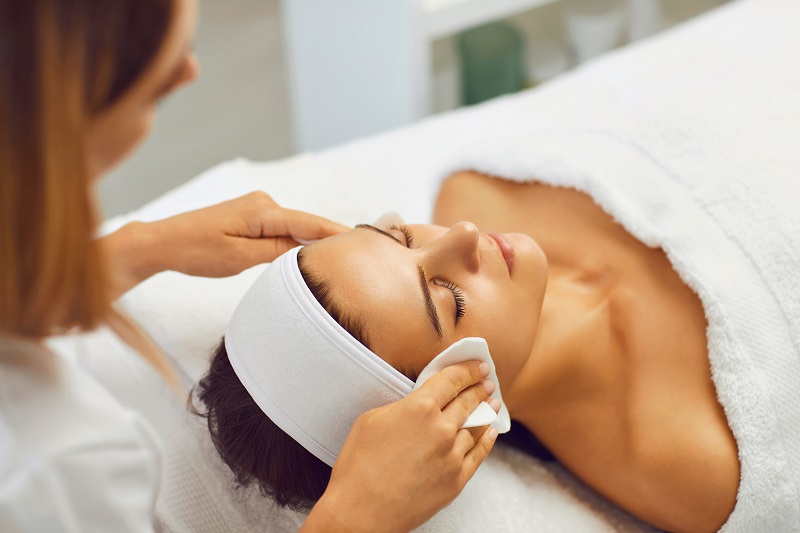
One Botox treatment usually takes less than 15 minutes and doesn’t require anesthesia. You can expect the following during the procedure:
The procedure doesn’t hurt, but some patients feel slight discomfort. There is no downtime and patients can resume their regular activities after the treatment.
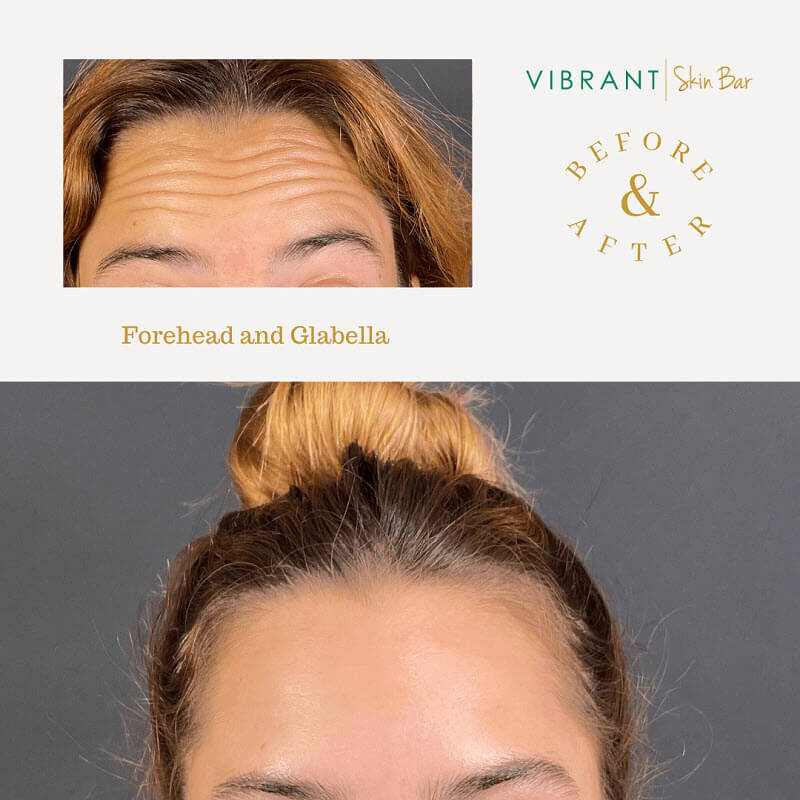
The following before-and-after photos reflect the effectiveness of Botox treatments. Most patients are happy with the results and undergo further treatments every three to six months to prolong the effects.
Patients notice the first results within three days of the procedure. It takes about three to seven days for the injection to take full effect, revealing a new, rejuvenated complexion.
Botox results typically last up to six months. If you continue using Botox, your lines and wrinkles may appear less severe over time because you’ll practically train your muscles to stop moving. With regular use, you will need less Botox to maintain the same results as before.
Note: Learn how to make Botox last longer with our 15 useful tips.
Botox is an FDA-approved and generally safe procedure, usually causing mild and short-lived side effects. They include:
In rare cases, patients may experience:
These rare, more severe symptoms usually appear when an untrained, unqualified practitioner performs the procedure. Make sure you get the procedure in a certified location from a licensed professional who is experienced and prepared. Using the optimal dosage and administering the injections properly decreases the chances of side effects.
Here at Vibrant Skin Bar, you will get your injection from qualified experts who will help you determine the right dosage and treatment areas for optimal results.
A sore throat and other cold or flu-like symptoms are potential side effects of Botox. A sore throat is more commonly associated with medical Botox, such as Botox for upper and lower limb spasticity, hyperhidrosis (excessive sweating), and cervical dystonia. It is a rare side effect of cosmetic Botox.
Some conditions may disqualify you from getting an injection. You shouldn’t get Botox if you experience any of the following:
If you want to get Botox injections, disclose your medical history to your provider, including all the medicines you are taking: prescription, over-the-counter, vitamins, herbal supplements, etc.
Also, note that some patients develop Botox resistance after extended Botox use. Your medical professional will decide whether you are the right candidate for the treatment and if another neurotoxin may be more suitable.
Follow these aftercare tips to reduce the risk of complications.
Note: Review this detailed list of Botox aftercare tips.
Washing your face after Botox is allowed, but you should do it gently. Some providers advise waiting a few hours before face washing.
Use lukewarm water and a mild cleanser. Lightly pat the skin and avoid rubbing, massaging, and applying pressure on the treated area.
You can shower after Botox, but it’s best to wait at least four hours. Avoid hot water and bathing for too long, because steam and hot water can increase blood flow and potentially affect the results.
Providers recommend not sleeping or lying down for four hours after Botox.
It takes 24-48 hours for Botox to properly settle, so it’s best to sleep on the side during that period. Make sure not to press your face against the pillow.
No relevant studies have been conducted on the effects of Botox during pregnancy or breastfeeding. As it is uncertain whether Botox can adversely affect the fetus or a nursing baby, doctors recommend refraining from the treatment during these times.
Note: Learn more about Botox during breastfeeding and why it is safer to postpone the treatment.
The cost of a Botox treatment depends on the location of the clinic, the provider’s expertise, the number of Botox units required, and the patient’s desired look.
At Vibrant Skin Bar, one unit of Botox costs $14.
These are some of the most frequently asked questions our patients have when deciding if Botox is the right solution for their aesthetic goals.
Your medical professional will determine the exact dosage of Botox based on the severity of your wrinkles and folds, your previous Botox injections, and the look you want to achieve.
The table below will help you decide how many units of Botox you need.
| Forehead wrinkles | 10-20 units |
| Frown lines | 20-30 units |
| Crow’s feet | 8-20 units per side |
| Under eyes | 2 units per side |
| Corners of the mouth | 3 units per side |
| Eyebrow lift | 2-4 units per side |
| Bunny nose | 2-6 units per side |
| Botox for men | Double the doses above |
You can stop Botox treatments at any time without adverse effects. The muscles will regain their full activity and aging signs will reappear gradually rather than worsen suddenly. In some cases, if the patient has used Botox for a long time, their muscles may be weaker and less active, which can slow the progression of certain expression lines.
Long-term Botox use is generally considered safe and not associated with any significant delayed side effects. It may cause mild muscle atrophy, which can lead to a less expressive face but also to a slower development of wrinkles.
If you experience severe side effects after a Botox session, immediately seek medical help. The symptoms include:
Botox is an ideal treatment for people who want to slow down the effects of aging in a subtle way, maintaining their natural look. It is minimally invasive, has no downtime, and ensures impressive results. According to satisfied patients, Botox is here to stay.