MOXI Laser Under-Eye Treatment: Benefits, Procedure, Results

MOXI is a non-ablative laser that uses breakthrough fractional technology to deliver controlled thermal energy into the skin, stimulating collagen production without damaging the epidermis. It is gentle and precise, making it ideal for treating delicate skin, such as the area around the eyes.

This article explains how MOXI laser under-eye treatment works and why many patients choose it over traditional ablative lasers.
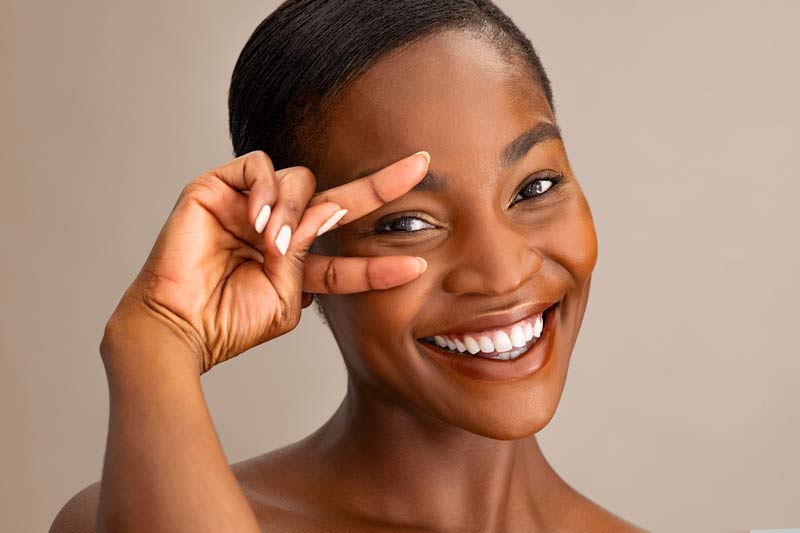
MOXI laser under-eye treatment

What Is the MOXI Laser Treatment for Under the Eyes?

MOXI is a gentle, minimally invasive cosmetic treatment that uses laser energy to smooth, brighten, and rejuvenate the skin. It is FDA-approved to correct fine lines, wrinkles, and hyperpigmentation around the eyes, as well as other signs of sun-damaged and prematurely aging skin in this area. It is especially useful as a prejuvenation treatment, helping prevent aging signs before they become too deep and prominent.

How Does the MOXI Laser Under-Eye Treatment Work?

MOXI laser for the under-eye area uses breakthrough fractional technology to create precise, microscopic zones of injury in the sensitive periorbital (around the eyes) skin. The process triggers the body’s natural healing response and increases collagen synthesis, leaving the skin’s surface layer (epidermis) intact.

The treatment is gentle and customizable, enabling providers to adjust the settings according to the patient’s skin type and severity of symptoms.

Who Is a Good Candidate for a MOXI Laser Under-Eye Treatment?

MOXI under-eye treatment is ideal for anyone who wishes to prevent or decrease early signs of aging and improve overall skin quality around the eyes. Patients schedule the procedure to address the following concerns:

The treatment is especially popular with younger patients interested in “prejuvenation” – maintaining smooth, youthful skin before visible signs of aging appear.

Candidates must be at least 18 years old and in good overall health.

What Are the Benefits of a MOXI Laser Under-Eye Treatment?

MOXI laser offers multiple benefits that extend beyond its anti-aging effects.

Increased Collagen Production

The laser heats the dermal layers, where fibroblasts are located. The thermal energy stimulates these skin cells to produce more collagen, which is an essential protein for skin elasticity and firmness.

Improved Cell Turnover

MOXI stimulates natural healing and cellular regeneration. It accelerates the removal of damaged cells from the skin’s surface and the growth of fresh, healthy cells. The skin appears brighter and rejuvenated.

Reduced Fine Lines and Wrinkles

By encouraging collagen remodeling, MOXI smooths and tightens the skin, reducing fine lines and mild wrinkles. It is an effective preventative or early wrinkle reduction treatment. However, deep, prominent wrinkles require a more powerful and invasive procedure.

Brighter Under-Eye Area

Dark under-eye circles are often caused by hyperpigmentation or visible blood vessels due to thin skin. MOXI laser targets melanin in the skin, breaking down excess pigment and correcting pigmentation irregularities. It also improves skin quality and thickness. Thicker, healthier, and more even skin results in a brighter, more refreshed under-eye appearance.

Decreased Puffiness

Poor lymphatic drainage and fluid retention can cause under-eye puffiness. MOXI improves blood circulation, reducing fluid buildup and decreasing puffiness. The under-eye area appears refreshed and rejuvenated.

Improved Skin Health

MOXI doesn’t only address premature aging skin. As collagen gradually regenerates, the skin barrier becomes stronger, more resilient, and better hydrated. Over time, improved skin health results in a smoother and more radiant complexion.

Minimal Downtime

As a fractional laser, MOXI delivers thermal energy to precisely selected zones in the skin, leaving the surrounding tissue intact. It enables minimal downtime and faster recovery than more aggressive traditional lasers.


Note: Learn more about laser resurfacing and how the treatment combats sun damage, aging signs, and other factors degrading the skin.


How to Prepare for a MOXI Laser Under-Eye Treatment?

The patient first schedules a consultation with their chosen medical provider to discuss details of the treatment, including pre-treatment preparation. Following the provider’s instructions is essential in maximizing the results and ensuring a smooth, safe procedure.

The general instructions usually include the following:

What to Expect During a MOXI Laser Under-Eye Treatment?

MOXI laser is a quick procedure, lasting approximately 20-30 minutes. This is how it works:

  1. The provider disinfects the patient’s skin in the treatment area.
  2. They apply a numbing cream to ensure the patient’s comfort during the procedure.
  3. They adjust the MOXI device’s settings based on the patient’s skin type, aesthetic concerns (e.g., wrinkles, hyperpigmentation, etc.), and desired effects.
  4. The laser heats the target area, potentially causing mild stinging and warmth.

Patients experience mild redness and swelling immediately after treatment, but no pain. They can resume their daily activities without downtime.

What Are the Results of a MOXI Laser Under-Eye Treatment?
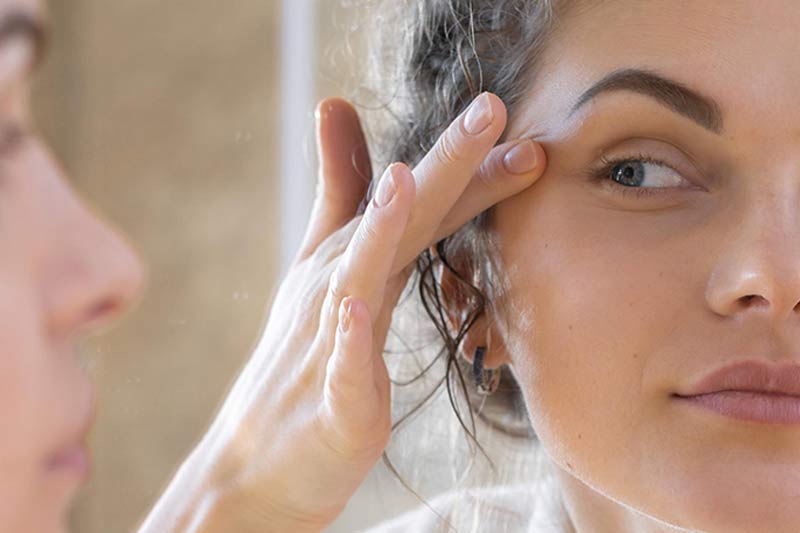
MOXI laser under the eyes results

MOXI provides immediate and long-term results. The skin under the eyes is instantly softer and more radiant, but these effects are seen several days later, when the redness and swelling subside.

Over the next several weeks, as the body continues to produce more collagen, the under-eye area becomes brighter, thicker, more even, and fine lines and mild wrinkles are minimized or eliminated. Note that MOXI achieves natural-looking results that are more subtle than those of more powerful, aggressive lasers.

The number of required treatments depends on the patient’s skin condition and desired results. Some patients, especially younger individuals, achieve their goal after a single treatment, while most other patients need 3-4 sessions spaced 4-6 weeks apart.

Due to MOXI’s focus on collagen remodeling, the results appear gradually and last up to one year. Their duration depends on various factors, including the patient’s age, skin condition, and how well they care for their skin.

MOXI Laser Under-Eye Treatment Side Effects

MOXI is a gentle, FDA-approved treatment. It is considered safe and suitable for the delicate under-eye area. Patients usually experience mild side effects, most of which are resolved within several days. They include the following:

Should Anyone Avoid MOXI Laser Under the Eyes?

During consultation, the medical provider carefully reviews the patient’s medical history and talks about potential contraindications to the treatment to ensure the patient’s eligibility.

Though safe, MOXI may not be suitable for individuals with the following conditions:

MOXI Laser Under-Eye Treatment Aftercare

After the treatment, patients are advised to follow specific aftercare tips. They reduce the risk of severe complications and prolonged recovery and enhance the results.

MOXI Laser Under Eyes Prices

At Vibrant Skin Bar, a single MOXI session costs $599. Our cosmetic professionals also offer a combined MOXI/BLL experience for more comprehensive results at $999.

Contact our medical team to discuss your options and devise the best treatment strategy for your aesthetic concern.

MOXI Laser Under Eye FAQ

As a popular new treatment, MOXI raises many questions about its effectiveness and results. Our answers will help you understand MOXI’s full potential for treating the under-eye area.

Can MOXI Laser Completely Remove Dark Circles Under Eyes?

MOXI can significantly improve dark circles under the eyes in certain situations, particularly when under-eye shadows are mild and caused by hyperpigmentation or visible blood vessels. The treatment is ineffective in cases when the symptoms are caused by a genetic structural predisposition, volume loss, lack of sleep, or allergies.

Can MOXI Laser Under the Eyes Be Combined with Other Treatments?

Yes, MOXI is often combined with other treatments to enhance and extend under-eye rejuvenation. It is commonly paired with BBL photofacial treatment to address pigmentation and redness, or with HALO® laser for more comprehensive skin resurfacing. In some cases and under expert supervision, MOXI is combined with a CO2 ablative laser for deeper and longer-lasting anti-aging effects.

Is MOXI Laser Under the Eyes Better than CO2 Laser?

MOXI and CO2 use different technologies and offer different results. Each can be the preferred choice for patients depending on their aesthetic goals.

MOXI is ideal for people looking for mild under-eye rejuvenation and natural-looking results with minimal downtime.

CO2 may be a better solution for patients with more advanced aging signs, deep scars, and significant textural concerns, but it is more aggressive and involves a longer recovery period.

The table below compares the treatments’ essential differences.

MOXICO2
TechnologyFractional, non-ablativeFractional, ablative
ResultsSubtle rejuvenationDramatic anti-aging effects
Side effectsMild redness and swellingIntense redness, swelling, peeling
DowntimeMinimalLonger recovery period
Suitable skin typesAll skin typesNot suitable for darker skin tones

Conclusion

MOXI laser under-eye treatment offers gentle rejuvenation with natural-looking results. If you’re looking to soften fine lines and brighten under-eye dullness, schedule a consultation at Vibrant Skin Bar. Our skin professionals will customize the treatment to your unique skin concern and help restore a refreshed, healthy glow to this delicate area.

Endometriosis: Symptoms, Diagnosis, and Treatment

Endometriosis is a chronic condition affecting an estimated 10% of women of reproductive age. It can negatively affect fertility, sexual intercourse, bowel movement, and menstruation, often causing persistent pain and discomfort in the pelvis, abdomen, or chest. While there is no cure,  early diagnosis and proper treatment can significantly alleviate symptoms and improve quality of life.

This article explores endometriosis, its common symptoms, risk factors, diagnostic methods, and available treatment options.

Endometriosis symptoms and treatments

What Is Endometriosis?

Endometriosis is a chronic disease that affects more than 11% of American women of reproductive age, with symptoms such as infertility, abdominal bloating, painful periods, heavy menstrual bleeding, and chronic pelvic pain. It can also interfere with bowel movements, sexual intercourse, and mental health, often leading to hormonal imbalances, anxiety, and depression.

The endometrium is the lining of the uterus that thickens during the menstrual cycle to prepare for implantation. In endometriosis, endometrium-like tissue grows outside the uterus, most commonly around the ovaries, fallopian tubes, bladder, and bowels, causing inflammation and scar tissue formation.

Due to the stigma and lack of awareness surrounding this condition and symptom overlap, it often remains undiagnosed for years, with an average diagnosis delay of seven to ten years, depending on the severity and access to medical care.

Although endometriosis can affect anyone who menstruates, it is most frequently diagnosed in women in their twenties and thirties.

Endometriosis Causes and Risk Factors

The exact causes of endometriosis are unknown, but there are multiple factors that can increase the risk. Genetics, immune system dysregulation, hormonal imbalances, and lifestyle choices can all contribute to the development of this medical condition.

These are the underlying causes typically associated with endometriosis:

Endometriosis Symptoms

Endometriosis symptoms vary among individuals. While some women experience severe pain and fertility issues, others may have little to no noticeable symptoms.

These are the most common symptoms of endometriosis.

The number and intensity of your symptoms do not indicate the severity of the condition. You may experience intense pain with a small amount of tissue or feel only mild discomfort with lots of endometriosis growths in your body.

Endometriosis Comorbidities

Endometriosis has been linked with multiple physical, autoimmune, and mental health issues, including the following:

However, further scientific research is needed to understand the causes and consequences of endometriosis better, as the exact mechanisms underlying these associations remain unclear.

Endometriosis Diagnosis

Non-surgical examinations cannot provide a definitive diagnosis, which is why laparoscopy is the standard procedure for confirming a diagnosis of endometriosis.

The following diagnostic methods are commonly used:

Endometriosis Risks and Complications

Untreated endometriosis can lead to more frequent flare-ups, chronic inflammation, worsening of symptoms, and other health complications.

The most common risks include:

Endometriosis Treatment

Until the exact causes of endometriosis are fully understood, it is difficult to determine the most effective treatment. However, there are practical ways to lower the risk of developing the condition and ease its symptoms.

These are the most effective treatment methods for endometriosis.

Laparoscopy and Laparotomy

These two surgical procedures use different approaches to treat endometriosis. Doctors select one or the other depending on the patient's condition and the severity of symptoms.

Laparoscopy is a minimally invasive procedure used for both diagnosis and removal of endometrial tissue. The surgeon makes a small “keyhole” incision in the abdomen and inserts a thin, lighted camera called a laparoscope to locate and excise abnormal tissue.

Laparotomy, on the other hand, is an open abdominal surgery that requires a larger incision to explore, diagnose, and remove endometrial growths. It is typically reserved for more complex or severe cases that cannot be effectively treated with laparoscopy.

Hormone Treatment

Hormonal imbalances, characterized by estrogen dominance and progesterone resistance, can contribute to endometriosis. Estrogen, the hormone responsible for the thickening of the uterine lining (endometrium), can overstimulate endometrial tissue growth when progesterone levels are low or dysfunctional.

Regulating estrogen levels and balancing estrogen and progesterone can significantly reduce the risk of endometriosis. Hormonal balance can be restored in the following ways:

Since some of these hormonal therapies can hinder your efforts to get pregnant, it is essential to consult your healthcare provider about the most suitable and effective hormonal treatment.


Note: Learn how to identify and treat PCOS, another hormone-related condition.


Exercise Regularly

A sedentary lifestyle can disrupt hormonal balance and increase inflammation, potentially triggering endometrial overgrowths, menstrual irregularities, and infertility.

Physical activity reduces oxidative stress by stimulating the release of anti-inflammatory cytokines. It also reduces muscle tension, restores pelvic floor strength, improves blood circulation, and reduces the severity of chronic abdominal pain.

Engaging regularly in low-to-moderate, low-impact exercises, such as aerobics, swimming, cycling, brisk walking, yoga, Pilates, Kegel exercises, and gentle stretching, can support your recovery from endometriosis and strengthen the pelvic muscles.


Note: Read about how exercise affects hormones and learn how to modify your fitness regimen based on your health goals.


Adopt a Balanced Diet

A nutrient-dense, anti-inflammatory diet rich in essential vitamins and minerals can reduce inflammation, optimize estrogen levels, and restore hormonal balance. A licensed nutritionist can customize an eating plan for endometriosis according to your needs, food intolerances and allergies, and overall health goals.

Choosing foods rich in the following nutrients can help you alleviate symptoms:

As you increase the intake of these foods, reduce or eliminate refined sugar, salt, unhealthy fats, and artificial additives from your diet to reduce inflammation and regulate your hormonal status.


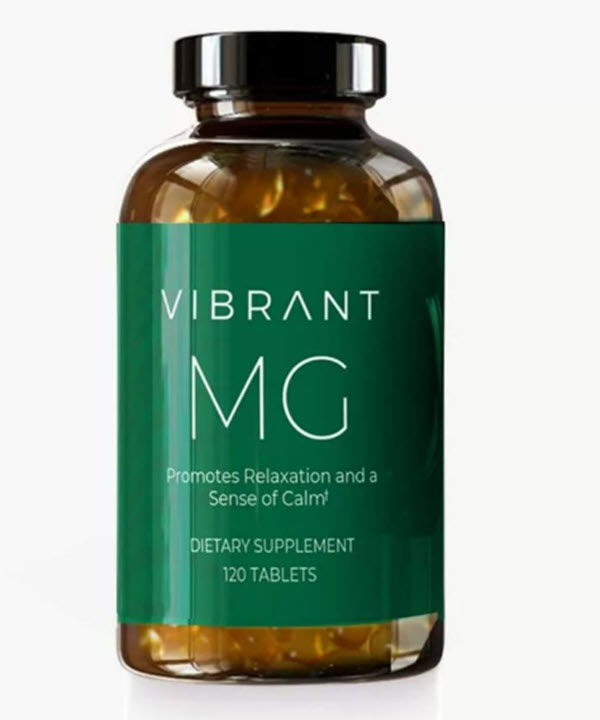
Note: Use Vibrant MG to boost your magnesium levels and promote relaxation and ease.


Vibrant MG for endometriosis

Reduce Caffeine Intake

High caffeine intake does not directly contribute to endometriosis, but it can worsen cramps, bloating, and dehydration. Doctors recommend moderate consumption of caffeinated foods and beverages to help prevent a potential worsening of symptoms.

Limit Alcohol and Nicotine Consumption

Alcohol and smoking increase inflammation and oxidative stress and may disrupt hormonal balance. Alcohol increases estrogen levels, leading to frequent endometrial flare-ups, while nicotine stimulates pro-inflammatory cytokines that disrupt normal cell function.

Conclusion

You may not know exactly what caused your endometriosis, but you can learn how to manage it and reduce its impact on your daily life. This article has outlined the most effective strategies for coping with symptoms and keeping this painful condition under control.

Contact our medical professionals to learn more how to achieve lasting hormonal balance and long-term wellness.

Skin Texture: What Is It and How to Improve It

Smooth, even skin is one of the clearest signs of health and vitality. While we often focus on breakouts, wrinkles, or dark spots, skin texture plays a major role in how youthful and fresh the face appears. Environmental stress, aging, and inconsistent care can all disrupt this delicate structure, leading to roughness or dullness.

This article explains skin texture, what causes textural skin concerns, and how to resolve them with adequate skin care.

Skin texture

What Is Skin Texture?

Skin texture refers to how the surface of the skin looks and feels to the touch. Ideally, it appears smooth, even, and supple, reflecting balanced hydration and healthy cell turnover. When the texture is rough, bumpy, or dull, it often indicates issues such as dryness, dead cell buildup, enlarged pores, or loss of elasticity.

Factors like genetics, aging, sun exposure, and environmental damage all influence skin texture over time. Because texture affects how light interacts with the skin, it plays a key role in how fresh, radiant, or tired the complexion appears. Popular trends like glass and mirror skin promote a smooth, reflective look, emphasizing the importance of skin texture.

What Determines Skin Texture?

Various factors affect the quality, texture, and appearance of our skin. They include:

Common Causes of Textured Skin

Genetic, environmental, hormonal, and lifestyle factors can contribute to the following common causes of textured skin:

Where on the Body Can Textured Skin Appear?

Textured skin can appear anywhere on the face and body, though it is most noticeable on the face. Other areas that are more prone to rough, flaky, or bumpy texture include:

These areas are commonly affected due to the buildup of dead skin cells, friction, and dryness.

Skin Texture Types

Experts distinguish several skin texture types:

How to Improve Skin Texture

The right way to improve skin texture depends on the specific concern and its severity. In some cases, a consistent, daily skincare routine is enough to solve the problem. A combination of skincare products and cosmetic treatments usually provides the best results.

Skin Care

Vibrant skin care for skin texture

In most cases, a lack of moisture and the accumulation of dead cells and impurities are the direct cause of uneven skin texture. A gentle and consistent skincare routine focusing on hydration and exfoliation can help.

Cleansing

Gentle cleansers with soothing botanicals and hydrating agents (e.g., glycerin and hyaluronic acid) remove impurities from the skin’s surface without stripping it of essential oils. They help prepare the skin for active ingredients in the subsequent products.

Exfoliating

Exfoliating products are formulated with exfoliating agents, such as plant enzymes and alpha-hydroxy and beta-hydroxy acids. They are designed to dissolve the skin’s uppermost layer and remove impurities that clog the pores. Cosmetic professionals recommend using exfoliating products 1-3 times weekly to avoid drying out the skin.

Vitamin C and A

Serums containing potent antioxidants, such as vitamins C and A, help repair sun-damaged skin, strengthen the skin barrier, and improve skin tone and texture.

Vitamin C supports collagen and elastin production, reducing the appearance of fine lines and wrinkles. Vitamin A, often used in skin care as retinol, increases cell turnover, promotes cell regeneration, and minimizes the textural signs of aging (wrinkles, acne, etc.).

Moisturizing

Moisturizing is an essential step in skin care, especially when the skin barrier and texture are compromised. Use a rich moisturizer with hydrating agents, such as glycerin, hyaluronic acid, beta-glucan, and ceramides, to prevent moisture loss and help strengthen the skin barrier.

Sunscreen

A broad-spectrum sunscreen with SPF 30+ is the final step in the morning skincare routine. It protects the skin from harmful UV rays, preventing sun damage and helping maintain the benefits of previously applied products.


Note: Vibrant is an innovative skincare line designed to strengthen, repair, and protect the skin by balancing the microbiome, supporting the gut-brain-skin axis, and strengthening the skin’s innate regeneration capabilities. Check out Vibrant skin care for a complete daily routine.


Cosmetic Treatments

Non-invasive cosmetic treatments are a game-changer when it comes to promoting and maintaining healthy, resilient, and naturally glowing skin. The following are some of the most popular treatments for an even tone and smooth texture.

Chemical Peels

Chemical peels use chemical solutions of varying strengths and concentrations to remove the skin’s surface layer, along with all the impurities. The treatment increases cell turnover, refreshes and regenerates the skin, and promotes collagen production. It improves various textural concerns over time, including wrinkles, acne, and acne scars.

Microneedling

Microneedling helps address similar textural concerns as chemical peels but uses a different technology. A device with tiny needles creates controlled micro-injuries on the skin’s surface, stimulating the body’s natural healing mechanism and increasing collagen and elastin production. As these structural proteins rebuild, the skin’s texture becomes smoother and firmer.

Laser Resurfacing

A laser device sends light energy into the skin’s deeper layers, heating the dermis and stimulating more collagen and elastin production. The treatment remodels the skin, minimizing wrinkles and acne and promoting a smoother and tighter complexion.

Sofwave

Sofwave is the latest generation of non-invasive treatments, focusing on eliminating aging signs with minimal side effects and downtime. It uses ultrasound energy to boost collagen and elastin production in the mid-dermis, delivering impressive results after just one treatment.

Preventing Future Skin Texture Issues

We can’t stop time and enjoy smooth, blemish-free skin forever. However, certain skincare products and everyday behaviors can help us avoid dehydration and reduce the risk of textured skin. Use the following checklist to maintain a healthy, youthful complexion for as long as you can.

  1. Apply suitable skincare products for your skin type and textural concern every morning and evening.
  2. Exfoliate a few times per week.
  3. Apply sunscreen every day, regardless of the season.
  4. Avoid nicotine and alcohol.
  5. Limit or eliminate sugars and processed foods.
  6. Sleep seven to nine hours every night and go to bed before 10 p.m.
  7. Engage in stress-relieving activities to reduce cortisol.
  8. Schedule occasional collagen-boosting treatments.

When to Contact a Professional

Textured skin is usually not a medical but an aesthetic concern. However, you should seek the help of a medical professional if the symptoms of your skin problem are severe, disrupt your daily life, and lower your self-esteem. Visit an expert if you suffer from the following:

Also contact a skin expert if you just need help choosing adequate skin care.

Conclusion

Everyone’s skin is different and characterized by a unique texture. Rough skin, acne scars, and wrinkles are something many people want to get rid of. Thankfully, the cosmetics industry offers advanced solutions that deliver results in a relatively short period.

If you are not sure what products to use, contact our Vibrant Skin professionals. They will create a customized skincare strategy for your textured skin and help you achieve your beauty goals.

Sofwave™ Therapy: Everything You Need to Know

Skincare enthusiasts are increasingly interested in beauty treatments that activate the skin’s innate rejuvenating mechanisms and deliver natural-looking results.

Some of the most popular procedures today utilize the body’s inflammatory healing response to trigger collagen production. Sofwave is one of the recent additions to this clean, natural beauty trend.

This article explains how Sofwave works and what advantages it has over similar treatments.

Sofwave therapy

What Is Sofwave Therapy?

Sofwave™ therapy is a revolutionary cosmetic treatment that uses patented ultrasound technology to stimulate more collagen and elastin production and rejuvenate the skin. Ultrasound energy passes through the epidermis without causing damage and only heats the mid-dermis, triggering the skin’s natural healing process.

Unlike similar treatments (e.g., laser resurfacing), Sofwave is suitable for all skin types and tones, even tanned skin, and can be performed any time of year.

How Does Sofwave Therapy Work?

The three components that give skin structure, firmness, elasticity, and hydration are collagen, elastin, and hyaluronic acid. Their production starts to decline in our 20s, resulting in a gradual loss of skin elasticity, fine lines and wrinkles, sagging, and other signs of aging.

Sofwave stimulates the body’s natural production of collagen, elastin, and hyaluronic acid, revitalizing the skin and counteracting aging signs. It uses a unique Synchronous Ultrasound Parallel Beam Technology (SUPERB™), which heats the skin at just the right temperature and location in the mid-dermis to optimally stimulate collagen and elastin fibers.

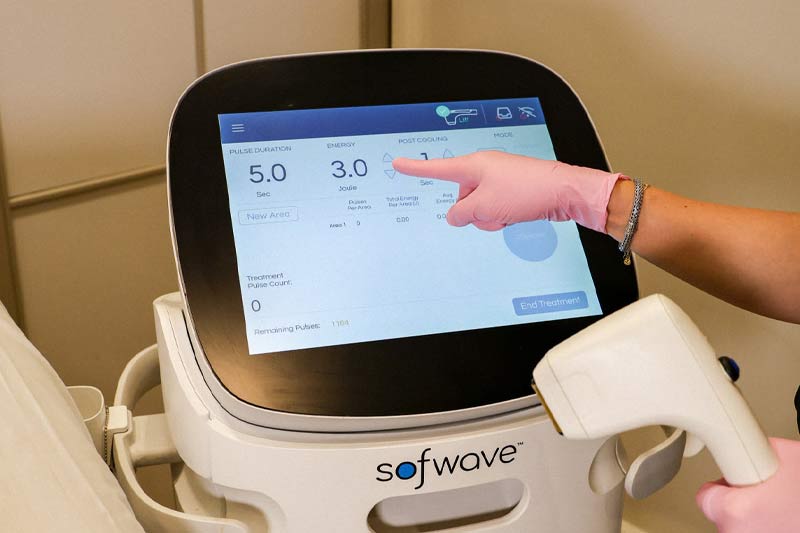
The device contains seven parallel-beam transducers that heat the dermis for 4-5 seconds per pulse, providing optimal coverage during the treatment. It also has a built-in cooling system, Sofcool™, which enables real-time skin temperature monitoring and ensures the uppermost skin layer is safe and protected from the heat.

The treatment session takes 30-45 minutes per treatment area and doesn’t require downtime.

Sofwave Therapy Target Areas

Sofwave therapy treats skin laxity and wrinkles in the following areas:

Who Is the Best Candidate for Sofwave? 

Sofwave therapy is a good solution for patients with mild to moderate aging signs, such as sagging brows, hooded eyelids, laxity and wrinkles in the lower face and neck, and loose upper arms. The ideal patient is healthy and realistic about their expectations, because Sofwave is not an alternative to surgical lifts, which provide more dramatic results.

What Age Is the Best for a Sofwave Treatment?

Sofwave is most effective for patients with premature aging signs, which typically appear from the early 20s to the late 30s. The treatment is especially beneficial as a preventative treatment, delaying the visible effects of aging and maintaining youthful skin firmness.

The treatment lifts, firms, and smooths mildly loose and wrinkled skin, but it doesn’t reverse deep wrinkles or severe sagging. Patients over 40 and 50 can expect a subtle transformation in skin firmness and elasticity, resulting in a naturally refreshed look.

What Are the Benefits of Sofwave Therapy?

Sofwave therapy enhances the skin in several ways.

Firmer, Lifted Skin

The treatment increases collagen and elastin reserves, helping to tighten the skin in the treatment area. It lifts eyebrows and hooded eyelids, decreases laxity in the lower face and neck, and tightens loose upper arms.

Fewer Fine Lines and Wrinkles

By stimulating collagen synthesis, Sofwave firms and lifts the skin, smoothing fine lines and wrinkles. The treatment is effective for early wrinkles before they become too deep and prominent.

Reduced Appearance of Cellulite

Cellulite is the latest indication for Sofwave therapy. The treatment increases skin elasticity and improves its structure, smoothing out the appearance of dimpled “orange skin.”


Note: Learn what causes cellulite and how to reduce its appearance.


Decreased Acne Scars

Sofwave can also reduce the appearance of atrophic acne scars. They typically appear due to inadequate acne care and collagen loss. Sofwave can be combined with subcision, microneedling, and other acne scar treatments for better results.

Suitable for All Skin Types

Patients with any skin type and color can use Sofwave. It heats the mid-dermis without affecting the uppermost skin layers, which makes it suitable for darker, hyperpigmented, and tanned skin. It can be used throughout the year, unlike lasers, which are not recommended during the summer.

Natural Results

Sofwave relies on building more collagen and elastin over weeks and months, providing gradual and natural-looking results. The changes are subtle, but the overall improvement in appearance is apparent.

Safe and Minimally Invasive

The ultrasound energy from Sofwave passes safely through the skin’s surface, eliminating the risk of burns, post-inflammatory pigmentation, and other skin damage. Because it doesn’t use needles and laser heat, it is less invasive than many other collagen-building treatments.

No Downtime

Patients can resume all regular activities after the treatment, including working out, drinking alcohol, wearing makeup, and other activities that are usually avoided after cosmetic treatments.

How to Prepare for Sofwave Therapy?

The cosmetic provider inspects the patient’s skin during the initial consultation and discusses the patient’s desired goals to determine whether Sofwave can achieve them.

On the day of the treatment, the patient should wear no makeup or jewelry. Providers recommend having a light meal before the procedure because the patient will spend a few hours at the location.

What to Expect During the Sofwave Procedure?

Sofwave procedure

Before the ultrasound session, the cosmetic provider cleanses the patient’s face and applies a numbing cream. They may also offer a painkiller, such as Ibuprofen, if the patient has a low tolerance for pain.

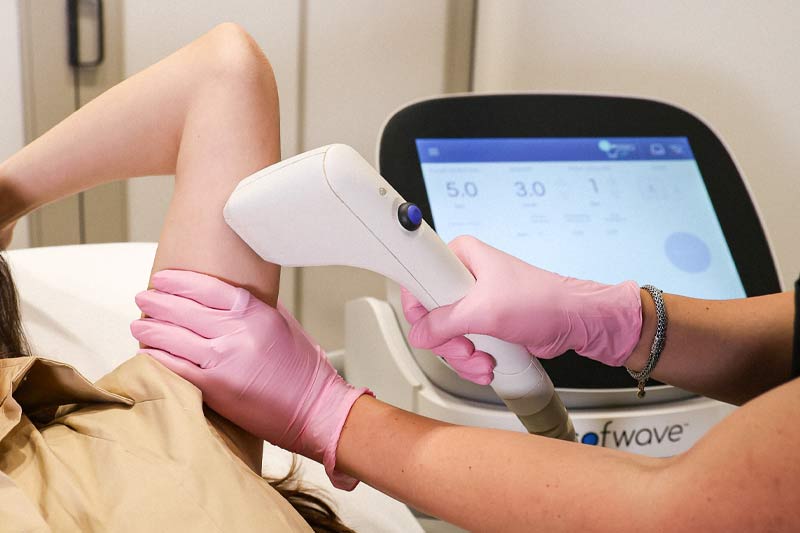
When the numbing cream takes effect, the provider uses a handheld Sofwave device to deliver ultrasound energy through the patient’s skin in pulses. They place the device on the patient’s skin and leave it on for 4-5 seconds or for the duration of one pulse. Then they move on to the adjacent spot. The whole session lasts for 30-45 minutes per area (face, neck, etc.)

Most patients require a single treatment for optimal results. In some cases, especially for acne scars, they may require additional treatments. To maintain results, providers recommend annual maintenance sessions.

How Painful Is Sofwave?

Sofwave is not considered painful, thanks to the numbing cream and the integrated Sofcool mechanism, which calms and soothes heated skin. Patients describe feeling quick, snapping heat with each pulse, as if they’ve touched a hot pan, but it lasts only a second. Most patients report slight discomfort rather than pain.


Note: Read our article to find out more about Sofwave pain.


What Are the Results of Sofwave Therapy?

Sofwave provides tighter, smoother, lifted, and more elastic skin, with a more defined jawline, elevated brows, and fewer wrinkles in the lower face and neck. The overall effect is a more youthful complexion.

Some patients experience an improvement in their appearance after a week or two. The full effects of the treatment can be seen within three months, because that is how long collagen and elastin remodeling takes.

Does Sofwave Cause Facial Fat Loss? 

There is zero risk of facial fat or volume loss with Sofwave therapy. The device heats the dermis at a precise depth where collagen and elastin fibers are stimulated. Fat cells are located in the deepest skin layer below the dermis, which ultrasound energy from Sofwave doesn’t reach.

How Long Does Sofwave Therapy Last?

Sofwave is a relatively quick treatment, typically lasting 30-45 minutes per treatment area. Most patients treat their face and neck together, and the treatment can take about 90 minutes. Adding the time it takes the provider to prepare the patient (cleanse their skin, apply the numbing cream, and wait for it to take effect), the total time spent at the spa can be two or three hours.

Can Sofwave Cause Nerve Damage?

Sofwave is designed to avoid nerve damage. The device delivers ultrasound energy at a controlled depth within the mid-dermis, without penetrating deeper layers, where the nerves are located.

What Are the Side Effects of Sofwave?

Sofwave is considered very safe and well-tolerated, with minimal risk of side effects. Some patients experience mild redness, swelling, and tenderness immediately after the treatment, but these typically resolve by the time the patient leaves the spa. Bruising after Sofwave is rare.

Who Should Avoid Sofwave Therapy?

Sofwave is safe and suitable for most healthy adults. However, some individuals may not be the best candidates for the procedure. They include:

Sofwave Therapy Aftercare  

Unlike many other cosmetic treatments, Sofwave doesn’t require special aftercare. Patients can exercise, wear makeup, and do most things that are restricted after similar treatments (e.g., laser and microneedling).

Some skin experts advise avoiding saunas, hot yoga, and potent skincare ingredients for 24 hours after Sofwave.

Otherwise, the recommendations include treating the skin with the same attention as usual, regardless of whether a person has had a treatment: maintaining hygiene with gentle cleansers, staying hydrated, and wearing sunscreen when leaving the house.

How Much Does the Sofwave Procedure Cost?

At Vibrant Skin Bar, Sofwave costs $3,000 for the face and $3,500 for the face and neck. The sessions last for 60 and 90 minutes, respectively.

Patients typically need a single treatment to achieve desired results.

Sofwave Therapy FAQ  

Sofwave is one of the most recent and innovative cosmetic treatments, inviting many questions from interested patients. The following FAQ will help you determine if the treatment is suitable for you.

Is Sofwave Better than Botox? 

Sofwave and Botox are not comparable because they address different aesthetic concerns using entirely different technologies.

Botox is a wrinkle-smoothing injectable that delivers botulinum toxin into specific facial muscles to relax them and reduce wrinkles caused by muscle movement. It is primarily used to minimize wrinkles in the upper face – forehead, frown lines, and around the eyes.

Sofwave uses ultrasound energy to heat the mid-dermis and stimulate collagen and elastin production. It is primarily used to tighten and smooth loose skin in the lower face and neck. Unlike Botox, it doesn’t use needles.

The following table can help you choose between Botox and Sofwave or combine the treatments for superior results.

SofwaveBotox
What is the technology?Ultrasound energy that heats the mid-dermis.An injectable that delivers botulinum toxin under the skin.
What does it do?Stimulates collagen and elastin production and tightens loose skin in the lower face and neck.Reduces dynamic wrinkles in the upper face – forehead, between the brows, and around the eyes.
How long do results last?Up to 12 months.3-4 months.
Side effectsNone or minimal redness and swelling.Swelling, bruising, pain, redness, headache.

Note: Another alternative patients consider is HIFU. Learn about the differences between Sofwave and HIFU.


What Is Better, Sculptra or Sofwave? 

Sculptra and Sofwave use different technologies but address similar cosmetic concerns.

Sculptra is an injectable that delivers poly-L-lactic acid into the dermis to stimulate collagen production and restore volume in loose skin. It volumizes the cheeks, smooths nasolabial folds, decreases lower face and neck wrinkles, tightens sagging jowls, firms the buttocks, and more.

Sculptra is more versatile than Sofwave, treating a wider range of areas and providing longer-lasting results. Sofwave produces more natural-looking results and comes with fewer side effects.

The following table can help you choose between Sculptra and Sofwave, depending on whether you want more volume or firmer skin.

SofwaveSculptra
What is the technology?Ultrasound energy that heats the mid-dermis.An injectable poly-L-lactic acid filler delivered into the dermis.
What does it do?Stimulates collagen and elastin production and tightens loose skin in the lower face and neck.Stimulates collagen production, tightens loose skin on the face, neck, and body, and volumizes thinning, sagging skin.
How long do results last?Up to 12 months.24+ months.
Side effectsNone or minimal redness and swelling.Swelling, bruising, redness, pain, and lumps under the skin.

Note: Read our article Emface vs. Sofwave and find out how these two treatments differ.


How Deep Does Sofwave Go?

Sofwave delivers ultrasound energy at a precise depth of 1.5 mm into the mid-dermis. This is the ideal depth and location for stimulating collagen and elastin fibers.

Is Sofwave FDA-Approved? 

Sofwave is FDA-approved for treating skin laxity and reducing wrinkles in these areas:

The treatment is also approved for the following procedures:

The FDA approval is valid for patients aged 22 or older.

Conclusion

Sofwave is an innovative treatment for mild to moderate signs of aging resulting from a decline in collagen and elastin. It effectively lifts and tightens loose skin on the face and neck to restore a refreshed, rejuvenated, and naturally vibrant appearance. Sofwave also offers a key advantage over many other collagen-stimulating treatments. Its patented ultrasound technology enables precise results with minimal risk of side effects and no aftercare requirements.

Polycystic Ovary Syndrome (PCOS): Symptoms and Treatments

Many women find out they have polycystic ovary syndrome (PCOS) when they start trying to conceive. The condition typically affects women in their reproductive years, but it can also occur early in puberty and in menopause.

This article explains the symptoms and possible causes of polycystic ovary syndrome and recommends solutions for symptom management.

Polycystic ovary syndrome

What Is Polycystic Ovary Syndrome (PCOS)?

Polycystic ovary syndrome is a complex hormonal disorder with gynecological manifestations typically present during the reproductive period. It is characterized by hormonal imbalances, enlarged ovaries carrying fluid-filled follicles instead of mature eggs, and irregular or absent menstrual cycles.

PCOS is closely related to other medical conditions that cause or stem from PCOS, including inflammation, insulin resistance, type 2 diabetes, and obesity.

Types of PCOS

Medical professionals use two standard classifications to distinguish between PCOS types: by phenotype and by an underlying cause.

Types of PCOS by Phenotype (Rotterdam Criteria)

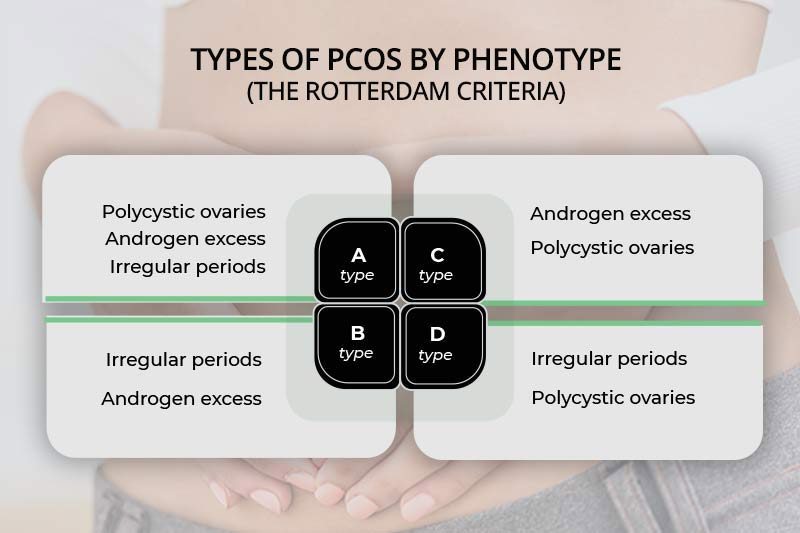
PCOS types by phenotype

Medical professionals and researchers use the Rotterdam criteria established in 2003 to diagnose polycystic ovary syndrome by the condition’s observable characteristics (phenotype). These criteria state that a person has PCOS when they have two symptoms out of these three:

There are four PCOS types by phenotype.

Phenotype A

Patients with phenotype A PCOS, also called classic or full polycystic ovary syndrome, exhibit all three symptoms (excess testosterone, ovulatory dysfunction, and polycystic ovaries).

Phenotype B

Phenotype B or non-PCO PCOS is when the patient has hyperandrogenism and irregular cycles without polycystic ovaries.

Phenotype C

Phenotype C or ovulatory PCOS is when the patient experiences excess male hormone and polycystic ovaries but has regular periods.

Phenotype D

Phenotype D is non-hyperandrogenic PCOS. The patient has polycystic ovaries and irregular periods but normal testosterone levels.

Types of PCOS by Underlying Causes 

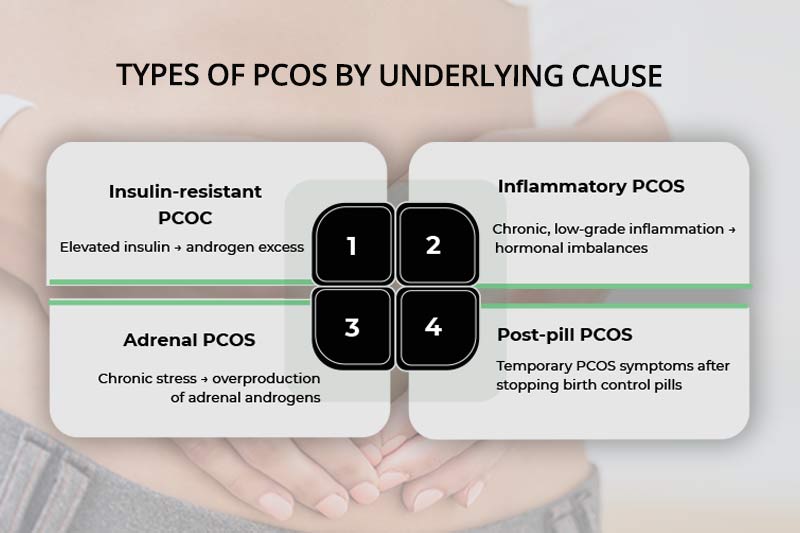
PCOS types by underlying cause

The Rotterdam criteria don’t cover all common accompanying features of PCOS. Hence, a patient’s PCOS type can also be diagnosed based on an underlying cause.

Insulin-Resistant PCOS

Insulin resistance is often associated with polycystic ovary syndrome. Insulin is a hormone that signals the body cells to absorb glucose from the blood and convert it to energy for essential functions. When cells become resistant to insulin and fail to use sugar efficiently, the pancreas compensates by producing more insulin. Elevated insulin levels can stimulate excess androgen production, disrupt hormonal balance, and contribute to the development of PCOS symptoms.

Inflammatory PCOS

PCOS is accompanied by chronic, low-grade inflammation. Long-term inflammation stimulates the ovaries to produce too much testosterone, causing PCOS symptoms. Inflammatory PCOS also leads to digestive problems, joint pain, headaches, and skin conditions (psoriasis, eczema, etc.).

Adrenal PCOS

Chronic stress can increase the production of DHEA-S (dehydroepiandrosterone sulfate), an androgenic hormone produced by the adrenal glands as a precursor to sex hormones. Elevated DHEA-S but normal ovarian androgen levels may indicate adrenal PCOS.


Note: Stress and hormones are related. Lowering cortisol levels leads to hormonal balance.


Post-Pill PCOS

When a patient stops using birth control pills, it can lead to a surge in androgens that temporarily causes typical PCOS symptoms – acne, hirsutism, and irregular periods. This usually occurs 3-6 months after stopping contraception.

PCOS types can overlap, with many patients experiencing a combination of insulin resistance, inflammation, and high DHEA-S levels and suffering from various PCOS symptoms. These overlapping factors make the diagnosis and treatment challenging.

PCOS Causes and Risk Factors

The medical community doesn’t fully understand the exact cause of polycystic ovary syndrome, but they agree it occurs due to a complex interaction between genetic, environmental, and hormonal factors. The following factors increase the risk of developing PCOS.

Genetic Predisposition 

Patients with family members who have PCOS have a higher chance of developing the condition. Scientists are still researching potential genes that contribute to PCOS. They have identified several gene variants that may influence insulin signaling, androgen production, and ovarian function.

Insulin Resistance

Insulin resistance leads to more insulin production, which can elevate androgen production and disrupt reproductive function. Excess glucose in the bloodstream also leads to weight gain, exacerbating PCOS symptoms.


Note: Insulin resistance affects weight. Different treatments and lifestyle changes can support your weight loss efforts.


Elevated Androgen Levels

High androgen levels, such as testosterone, can interfere with follicle development, leading to ovarian dysfunction, irregular periods, and infertility. Excess androgens are linked to other hormonal imbalances, including high luteinizing hormone (LH) and insulin resistance.

Gut Dysbiosis

Recent research has found a significant link between PCOS and gut health. Gut dysbiosis (imbalance in the gut microbiota) can lead to inflammation, insulin resistance, and hormonal imbalances, which can result in PCOS.

Being Overweight

Excess weight often drives inflammation and hormonal imbalances, contributing to or exacerbating polycystic ovary syndrome. Most PCOS patients are overweight.

Lifestyle

Poor lifestyle choices, such as high intake of sugary and processed foods, insufficient sleep, chronic stress, and lack of physical activity, can trigger PCOS. Over a longer period, these habits disrupt hormonal activity and cause systemic inflammation, which contributes to PCOS development.

Symptoms of Polycystic Ovary Syndrome

Symptoms of PCOS

Common symptoms of polycystic ovary syndrome include the following:

It’s possible to have PCOS without any symptoms or with mild symptoms that patients barely notice until they start trying to get pregnant.

PCOS Diagnosis

Diagnosing polycystic ovary syndrome can be complicated due to overlapping symptoms and symptoms that resemble those of other health conditions.

Most medical providers use the Rotterdam criteria to make a diagnosis. They talk to patients about their symptoms and medical history, and typically perform the following exams:

Other common tests include:

After diagnosing PCOS, the medical provider refers the patient to a specialist, such as a gynecologist or endocrinologist, depending on the patient’s PCOS type.

PCOS Health Risks and Complications 

Polycystic ovary syndrome increases the risk of certain chronic conditions and health complications.

PCOS Treatment 

There is no cure for polycystic ovary syndrome. The treatment focuses on symptom management, enabling fertility (if the patient wants to conceive), and preventing health complications.

Health professionals create a customized treatment plan for each patient depending on their symptoms and associated conditions. The treatment plan typically consists of a combination of the following approaches.

1. Weight Loss

Weight loss is the single most helpful strategy an overweight PCOS patient can adopt. Excess weight has detrimental effects on insulin sensitivity, inflammation, sex hormone levels, and overall hormonal activity. Studies show that even a modest weight reduction of 5-10% can significantly improve metabolic and reproductive symptoms in PCOS patients.

A balanced diet, calorie restriction, and regular exercise are vital in weight reduction and management. Patients can also receive professional help from medical weight loss providers.


Note: Learn how PCOS diet can help you relieve the symptoms of this condition.


2. Exercise

Exercise for PCOS

Exercise has proven beneficial effects on various health parameters. It relieves stress, improves sleep, increases insulin sensitivity, balances hormones, and may contribute to menstrual cycle regularity. Engage in moderate exercise for at least 150 minutes per week to achieve positive results.

3. Improving Gut Health

Improving gut health can considerably relieve PCOS symptoms by lowering inflammation, balancing hormones, and improving metabolic function. Prebiotic and probiotic supplements and foods rich in these nutrients (fermented foods, fiber-rich fruits and vegetables) promote the proliferation of beneficial gut bacteria, decrease pathogenic bacteria, and support microbiome homeostasis.

4. Medications

Doctors prescribe medications to PCOS patients depending on their condition’s underlying causes. Common pharmaceuticals for the treatment of polycystic ovary syndrome include the following:

5. Hair Removal Treatments

Birth control pills and anti-androgens often help with symptoms of hyperandrogenism, such as hirsutism. However, if they don’t work or if the patient is trying to conceive, hair removal treatments are a viable option. Procedures that usually provide longer-lasting results than shaving include waxing, laser hair removal, and electrolysis.

Conclusion

Polycystic ovary syndrome is a common endocrine disorder affecting millions of women in their reproductive years. The symptoms range from mild to severe. Though PCOS can’t be cured, treatments effectively manage symptoms, maximize fertility, and help prevent chronic, life-threatening conditions.

Skin Barrier Repair: Tips and Products to Try

The skin’s outermost protective layer is known as the skin barrier. Its essential role is to protect us from external stressors and prevent dehydration. A compromised skin barrier can lead to various medical and cosmetic problems, including infections, inflammation, and premature skin aging.

This article explains what factors damage the skin barrier and recommends products and lifestyle modifications that can help restore its function.

Skin Barrier Repair

What Causes Skin Barrier Damage?

Various external and internal factors contribute to the weakening of our skin’s protective barrier.

Environmental Factors

Environmental factors that damage the skin barrier include UV radiation, pollution, toxins, harsh chemicals in household cleaning products, extreme weather (cold, dry air, wind, humidity), and more. They strip the skin of protective oils, disrupt the balance of beneficial flora that keeps it healthy, break down its main structural protein (collagen), and deplete it of beneficial nutrients.

Inadequate Skin Care

In our desire to do well by our skin, we often make mistakes that damage the skin barrier and accelerate aging. These mistakes include cleansing too often and over-exfoliating, taking frequent hot showers, and using skincare products with abrasive ingredients. These practices break down the skin barrier’s lipid layer and increase transepidermal water loss, leading to dry skin and related concerns. 

Microbiome Dysbiosis

Trillions of bacteria and other microorganisms live in our gut and on our skin, regulating various bodily functions and helping maintain our health. Disruption in microbial balance (due to various reasons) can lead to the proliferation of harmful bacteria, damaging the skin barrier and causing skin problems.

Medications

Medications can dry out the skin and impair barrier function, especially if used over a long period. Drugs known to potentially disrupt the skin barrier include certain antibiotics, corticosteroids, blood-thinners, acne medications such as isotretinoin (Accutane), cholesterol-lowering agents, and immunosuppressants.

Aging

The natural aging process brings about physical changes that weaken skin barrier function. They involve the degradation of structural proteins (collagen and elastin), disruption to lipid synthesis, impaired ability to retain moisture, and increased susceptibility to environmental factors.

Poor Lifestyle Habits

Lifestyle habits, such as excessive sugar intake, alcohol/drug abuse, smoking, lack of sleep, and chronic stress, increase inflammation and reduce the skin’s ability to repair and protect itself. These factors reduce collagen and elastin production and make the skin more vulnerable to environmental damage, accelerating aging.

Common Skin Barrier Myths 

Skin barrier myths

There are many wrong assumptions about proper skin care. Here we debunk five common skin barrier myths, so you can adjust your skincare routine accordingly.

1. Oily Skin Doesn't Need a Moisturizer

Some people believe oily skin doesn’t need a moisturizer, following the logic that oils seal in moisture and prevent water loss. However, preventing water loss is not the same as being hydrated. Oily skin can be dehydrated just like any other skin type, which can perpetuate excess sebum production. Moisturizers formulated for oily skin help balance oil production, hydrate the skin, and repair the skin barrier.

2. Only Facial Skin Needs Barrier-Repairing Products

When discussing skin care, the media typically focuses on the face, perpetuating the myth that other parts of the body don’t need proper skin care. All skin is susceptible to environmental and internal stressors. Use gentle washing gels, occasional body scrubs, and daily hydrating lotions to maintain healthy barrier function from head to toe.

3. You Need Sunscreen Only in the Summer

UV radiation is present throughout the year. It is stronger during hot, clear days, but it continues to break down collagen, elastin, and other skin-building components even through clouds and in cold weather. Cosmetic professionals agree that daily sunscreen use is the most important step in preventing premature skin aging.

4. The More Complicated Skincare Routine, the Better

Many people believe that incorporating more skincare products into their routine equals more nourishment and protection. Often, the opposite is true because too many products can suffocate the skin, clog pores, increase oil production, dehydrate deeper skin layers, and weaken the skin barrier.

5. Expensive Cosmetic Products Are More Effective

The price tag of skincare products doesn’t necessarily indicate effectiveness. What matters are the ingredients, their concentrations, and how they are formulated. Some brands don’t spend much money on marketing, which allows them to maintain a low price on clean, high-performing products.


NOTE: Learn more about what ingredients to look for and how to recognize a barrier-repairing skincare product.


Symptoms of a Damaged Skin Barrier

The symptoms of a damaged skin barrier vary from subtle and barely noticeable to uncomfortable. They include the following:

A compromised skin barrier can also lead to more severe skin conditions, including:

How to Prevent Further Skin Barrier Damage

Prevent skin barrier damage

Once you learn what compromises the skin barrier, you can improve your skincare routine. To protect and support skin barrier integrity, follow these practices:

How to Repair a Damaged Skin Barrier 

Prevention is the best medicine, but some skin barrier damage is inevitable due to factors out of our control. Fortunately, the signs of a compromised skin barrier and aging can be reversed or diminished with adequate skincare products, cosmetic treatments, and improved lifestyle habits.

1. Skin Barrier Repair Products 

You can rebuild the skin barrier with the right cosmetic support designed to restore microbial balance, replenish essential skin-building nutrients, and deeply hydrate the skin.

Vibrant Skin has a new line of cosmetic products featuring technologically innovative solutions that support the skin’s innate ability to protect itself from stressors. They are safe for all skin types, including sensitive skin, and highly effective for building a stronger skin barrier. They are suitable for the complete morning and evening skincare routine.

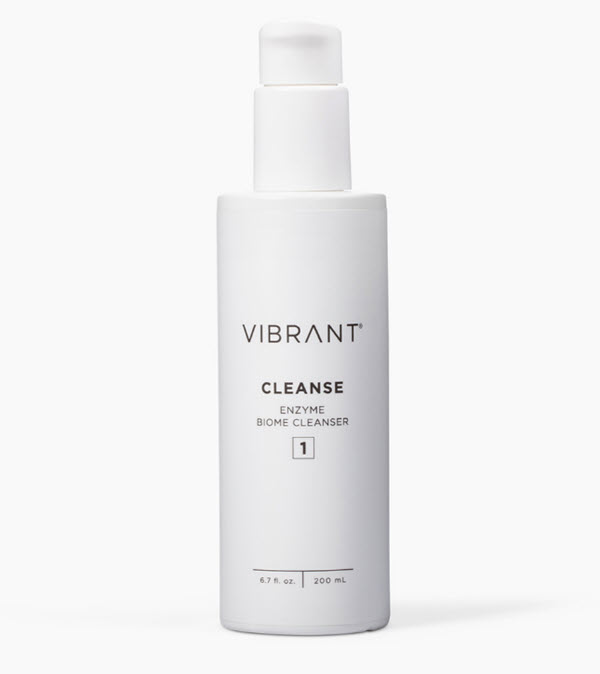
Vibrant Cleanse – Enzyme Biome Cleanser

Vibrant Cleanse for skin barrier repair

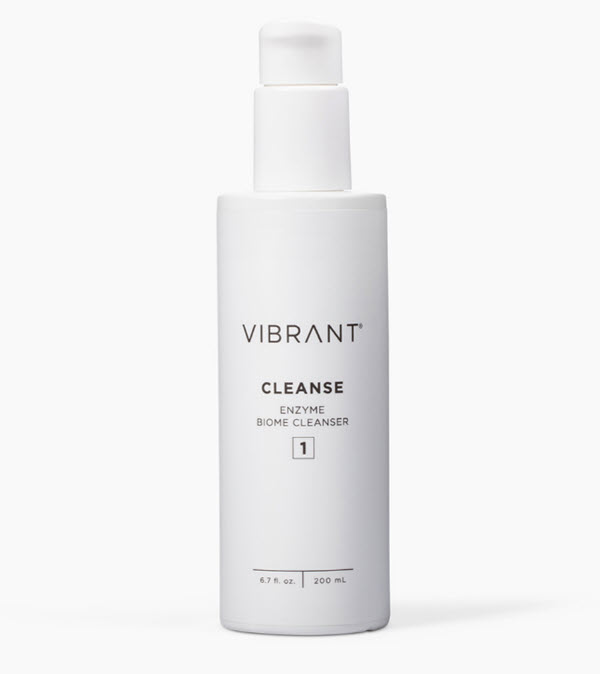
Cleanse is a mild, soothing cleanser formulated with plant-derived enzymes that gently exfoliate the skin and prepare it for active ingredients in serums and creams. The product’s pH value resembles that of the skin and contains probiotics, which helps maintain skin flora homeostasis and restore skin barrier function.

Vibrant Tone – Clarifying Biome Toner

Vibrant Tone for skin barrier repair

Toners are an optional step in daily skin care. Cosmetic experts recommend them, especially for oily and acne-prone skin, as they balance sebum production and prepare the skin for subsequent products.

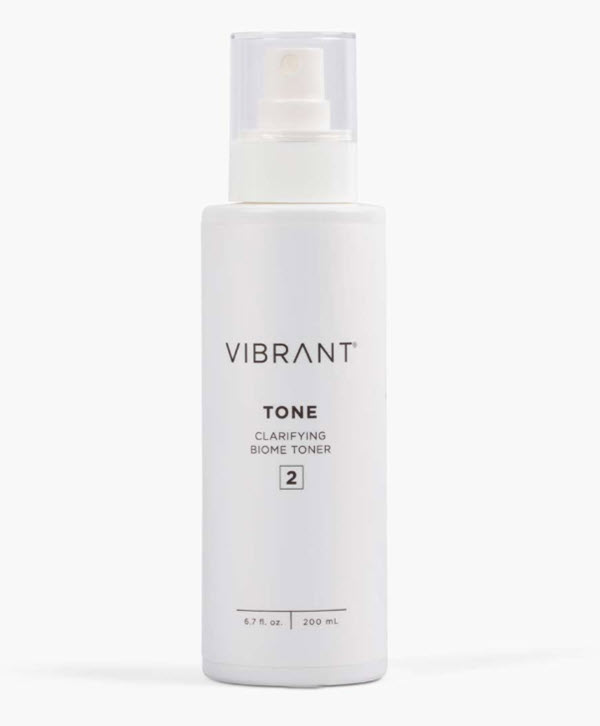
Vibrant Tone is packed with barrier-repairing ingredients, including anti-inflammatory Centella asiatica, oil-regulating niacinamide, and microbiome-supporting probiotics. Tone balances the microbiome without stripping the skin of essential oils and has a calming effect.

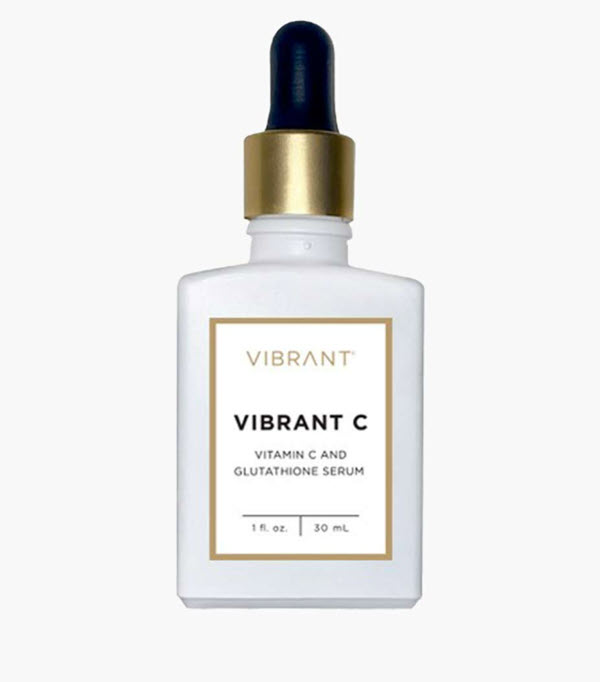
Vibrant C Serum

Vibrant C serum for skin barrier repair

Like toners, serums are considered an optional step in skin care. However, they are often vital in treating compromised skin because they contain concentrated doses of ingredients that address specific cosmetic concerns.

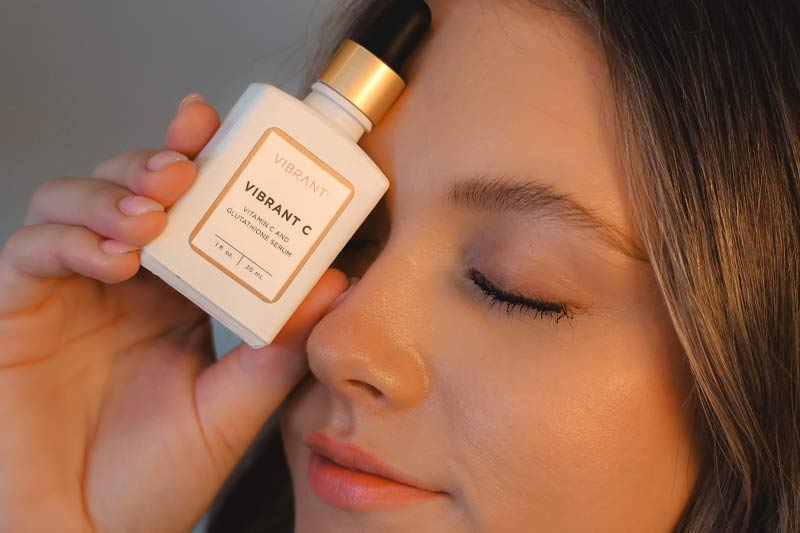
Vibrant C Serum incorporates two of the most potent antioxidants in skin care – vitamin C and glutathione. They protect the skin from free radicals, enhance collagen production, and support healthy skin flora and barrier function.

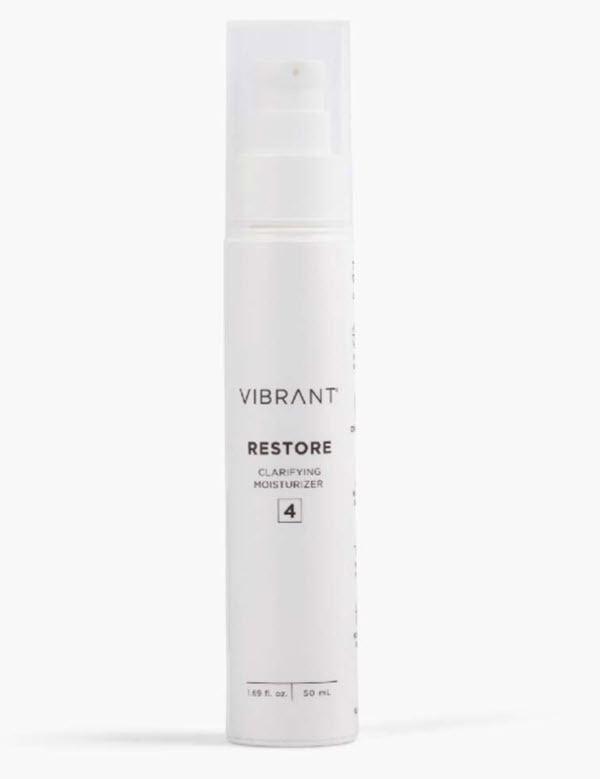
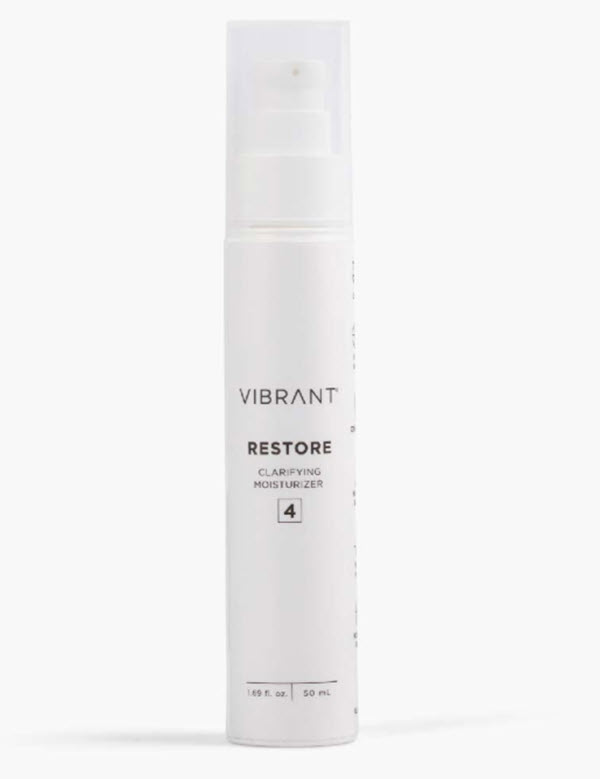
Vibrant Restore – Clarifying Moisturizer

Vibrant Restore for skin barrier repair

Regular use of moisturizers is essential for restoring and retaining moisture in dry and compromised skin. Vibrant Restore is a good solution for barrier repair, because it soothes, nourishes, and protects with a careful selection of prebiotics, probiotics, healing botanicals, and potent antioxidants.

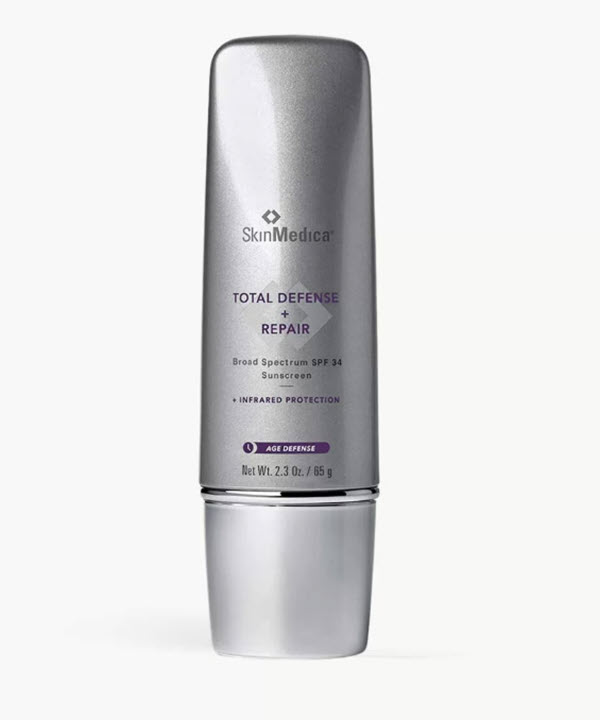
Total Defense and Repair Sunscreen

Total Defense and Repair sunscreen for skin barrier repair

Sunscreen is the final and essential step in a daily skincare routine. Its role is to defend against harmful UV radiation, but some sunscreens go beyond UV protection and help repair existing sun damage. Total Defense and Repair by Skin Medica delivers deep hydration and rejuvenating effects, thanks to a rich blend of lipid-replenishing, antioxidant- and barrier-strengthening ingredients (squalane, shea butter, niacinamide, etc.).

Skincare experts often recommend supplementing the skincare routine with suitable dietary products that replenish moisture levels and accelerate barrier repair.

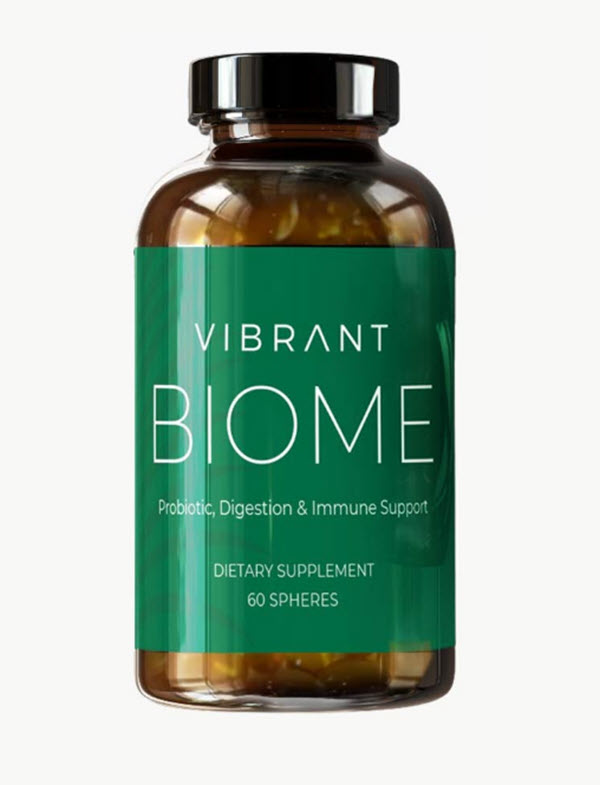
Vibrant Biome

Vibrant Biome for skin barrier repair

Skin and gut health are closely related. An imbalance in the gut microbiome has a knock-on effect on the skin flora, disrupting the skin barrier and leading to inflammation. Vibrant Biome regulates the balance of gut microbiota, improves immune function, and builds a stronger skin barrier.

Vibrant Collagen

Vibrant Collagen for skin barrier repair

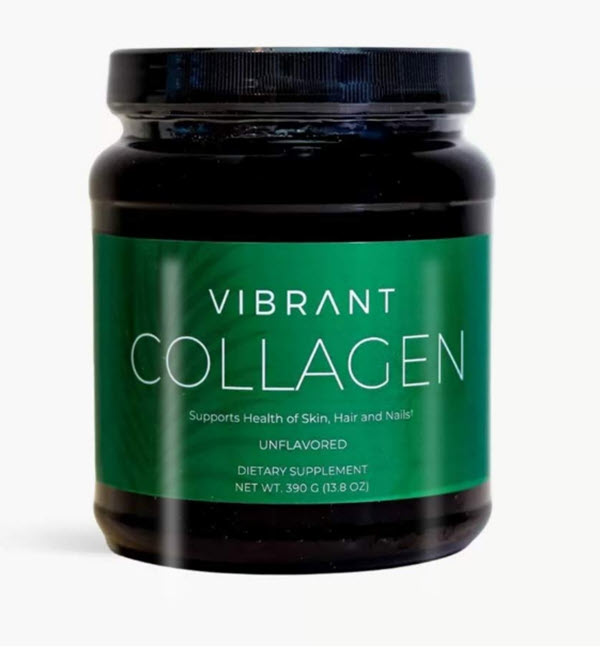
Collagen is a protein vital in maintaining supple and resilient skin. Vibrant Collagen is formulated with three patented collagen peptides, which help increase hydration and promote collagen and elastin synthesis.

Vibrant Skin Brilliance

Skin Brilliance for skin barrier repair

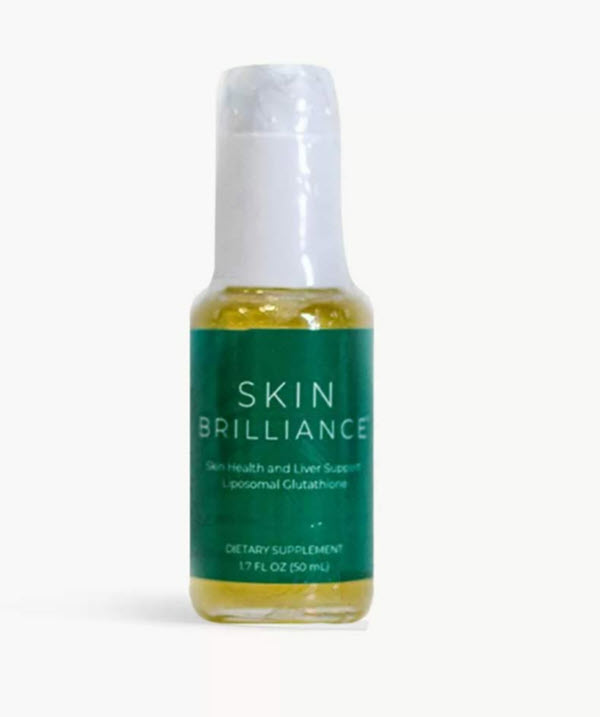
Liposomal glutathione in Skin Brilliance supports the skin in multiple ways, from providing antioxidant protection to promoting detoxification. Regular use may reduce oxidative DNA damage in skin cells, even out skin tone, and brighten complexion.

2. Skin Barrier Repair Treatments 

Technological innovations have given rise to impressive, minimally invasive cosmetic treatments. Many of them treat multiple skin concerns and address the underlying causes of problematic skin, such as declining collagen and a weakened skin barrier.

Red Light Therapy

Red light therapy involves the use of a laser or LED device, which sends red and near-red light into deep dermal layers, promoting cellular repair and stimulating collagen and elastin production. The treatment reduces inflammation, improves barrier function, and builds firmer, rejuvenated skin.

Patients who want to save time and achieve the same results without going to a clinic can use Omnilux. It is a powerful, at-home LED mask that uses 132 red and near-infrared lights to stimulate new collagen, reduce wrinkles and sun damage, and build a stronger barrier.

After red light therapy, our cosmetic professionals recommend using Vibrant Elevate – Cucumber Photodynamic Toner. This product helps absorb the healing light and contains powerful ingredients that accelerate skin barrier repair after the treatment. Antioxidants like chlorophyll, matcha green tea, and astaxanthin protect the skin from free radicals and oxidative damage, while moisture-generating ingredients (cucumber extract, prebiotics, Manuka honey, etc.) prevent water loss and improve the skin’s resilience.

Microneedling

microneedling treatment utilizes a device with tiny, sterile, short needles to create controlled micro-injuries on the skin’s surface. These intentional channels allow nourishing treatment serums to be delivered for optimal penetration. The treatment process stimulates the body’s natural healing response, stimulating the production of collagen and elastin and strengthening the skin’s structure. 

Oxygen Infusion

Oxygen Infusion is a facial treatment that involves the use of a compression device to deliver a concentrated stream of oxygen onto the skin. The rush of oxygen refreshes skin cells, increases circulation, and promotes the absorption of hydrating serums applied during the treatment.

HydraFacial

HydraFacial involves three steps: exfoliating the top skin layer, extracting impurities while delivering moisturizing serums into the cleansed pores, and infusing the skin with customized serums and creams. HydraFacial’s deeply hydrating and nourishing ingredients visibly rejuvenate the skin, and regular treatments can lead to a stronger skin barrier.


Note: Learn how Oxygen Infusion and HydraFacial differ and which treatment is better for skin barrier repair.


Lymphatic Lift

A combination of buccal massage and lymphatic drainage, Lymphatic Lift improves blood flow, facilitates metabolic waste removal, and reduces inflammation. The treatment helps alleviate various skin concerns related to toxin buildup.

3. Skin Barrier Repair Through Lifestyle Changes 

A healthy lifestyle is the third pillar of your skin barrier-repairing strategy. Positive lifestyle changes not only reflect on the skin but also reduce the risk of many chronic health conditions and may help promote longevity.

Widely known (but not as widely practiced) lifestyle habits that support skin repair and overall health include:

When to Consult a Professional

Dry skin, redness, and other signs of a damaged skin barrier can lead to more severe skin conditions. Contact a medical professional if you experience painful or otherwise uncomfortable skin issues, such as the following:

Conclusion

The skin barrier works hard to shield us from environmental harm and internal stressors. A weakened skin barrier results in moisture loss, a decline in structural proteins, and accelerated aging. Long-term skin barrier damage can also lead to more severe conditions.

Incorporate daily barrier-supporting activities, such as targeted, consistent skin care and healthier lifestyle habits. The benefits vastly outnumber the potential struggles, and your skin will repay you with a radiant glow.

IBS and Eczema: How Are They Related?

Irritable bowel syndrome (IBS) is a chronic gastrointestinal disorder causing symptoms such as constipation, diarrhea, bloating, abdominal pain, anxiety, and depression. Eczema is a skin condition characterized by dry skin unable to retain moisture and accompanied by periodic redness, rashes, and cracked skin.

Emerging evidence suggests a strong association between gut and skin health. This connection is mediated through complex gut-skin pathways involving immune, inflammatory, and microbiome signals. This seems to be the reason why many IBS patients also report having skin conditions like eczema.

This article explores the potential relationship between IBS and eczema, recommending effective treatments for patients with IBS-related skin conditions.

IBS and eczema

Are IBS and Eczema Related?

Irritable bowel syndrome results from a combination of genetic, psychological, and environmental factors. Low-grade inflammation also plays a role in the disease’s development.

Eczema is an inflammatory skin disorder resulting from skin barrier abnormalities and immune dysregulation. In addition to dry skin and flare-ups, many eczema patients also report IBS symptoms. Studies show they often have an increased number of mast cells (white blood cells that regulate inflammation and immune responses) in the intestinal system.

This overlap suggests a correlation between eczema and IBS, possibly involving shared gut-skin inflammatory pathways in their causes.

Eczema and Other Gut Issues

The immune system is profoundly influenced by our gut microbiota – trillions of microorganisms (bacteria, fungi, etc.) that regulate gut barrier function, inflammation, and immune response. Disruption in the microbiome’s diversity and an overgrowth of harmful bacteria lead to gut dysbiosis, which affects the gut-skin axis and can lead to skin disorders such as eczema.

Gut conditions associated with eczema (other than IBS) include:

IBS and Other Dermatological Conditions

IBS patients are more likely to suffer from certain skin conditions. Besides eczema, they include:

Treating IBS and IBS-Related Skin Conditions

Scientists are still exploring the connection between IBS and eczema. Until they discover a targeted treatment for these two conditions occurring together, they recommend following these lifestyle and skincare solutions to improve gut and skin health.

1. Skin Care 

Skincare products that modulate the gut-brain-skin axis are among the leading trends in the cosmetic industry. They are formulated with ingredients that improve microbiome diversity, balance hormones, trigger the release of “feel-good” neurotransmitters, and enhance skin health.

Microbiome-friendly ingredients promote hydration, strengthen the skin barrier, and reduce inflammation. They include:

Neurocosmetic ingredients modulate skin-brain pathways to stimulate the release of serotonin, dopamine, and other feel-good neurotransmitters, helping to relieve inflammation and reverse aging signs. They include:

Anti-inflammatory skin care relieves red, sensitive, irritated skin, increases hydration, and promotes a stronger skin barrier. Potent anti-inflammatory ingredients include:


Note: Our new skincare line, Vibrant, uses a holistic approach to skin care. By modulating the gut-brain-skin axis, it reduces inflammation, combats senescent cells responsible for skin aging, and provides more effective results than traditional skin care.


2. Anti-Inflammatory Diet

Health professionals often prescribe anti-inflammatory diets for patients with inflammatory disorders, such as eczema and IBS. These eating plans focus on foods that reduce inflammation, such as:

Patients are advised to exclude inflammatory foods, such as processed carbohydrates, trans fats, processed meats, and sugary drinks.

3. Probiotic and Prebiotic Supplements

Gut and skin problems are often linked to less microbiota diversity and the resulting lack of short-chain fatty acids (the products of gut bacteria fermentation with anti-inflammatory properties). Probiotic and prebiotic supplements help restore microbial balance and improve gut-related disorders. They regulate digestion, nutrient absorption, gut barrier function, and the immune system, altering the inflammatory response in both the intestinal tract and the skin.

4. Eliminating Food Allergens

Food allergies and sensitivities are known to trigger or exacerbate symptoms of certain inflammatory or immune-related conditions, such as IBS and eczema. Healthcare providers will perform food allergy tests to identify potential triggers. If the results are positive, patients should eliminate allergens from their diets. Although there is no cure for food allergies, avoiding known triggers helps in managing and even eliminating symptoms of related inflammatory conditions.


Note: Learn about the differences between a food allergy and intolerance.


5. Stress Relief

Psychological stress can trigger or intensify the symptoms of both IBS and eczema. Chronically elevated cortisol levels disrupt hormonal and neurotransmitter activity, impair immune regulation, and contribute to dysbiosis, aggravating related disorders. Engage in stress-relieving activities, such as yoga, meditation, nature walks, and art, to reduce inflammation and other uncomfortable symptoms. Also use supplements that support healthy cortisol metabolism and a normal response to stress.

6. Healthy Sleep

A lack of sleep can disrupt the gut-brain-skin pathways and lead to various disorders, including gut and skin problems. Aim for seven to nine hours of uninterrupted sleep each night, preferably going to bed before 10 pm.

Conclusion

Health professionals are aware of the connection between IBS and eczema, involving similar mechanisms in disease development. A holistic approach focused on supporting gut-brain-skin health offers a promising strategy for managing symptoms and improving the quality of life.

Blemish-Prone Skin: Things You Need to Know

Smooth, clear skin is a beauty goal many people struggle to attain as various minor or more pronounced skin imperfections stand in the way of their ideal.

This article focuses on blemish-prone skin, explains different types of blemishes and what causes them, and recommends treatments and lifestyle habits that can minimize them.

Blemish Prone Skin

What Is Blemish-Prone Skin?

Blemish-prone skin is susceptible to recurring pimples, marks, bumps, and redness, which mar the skin’s tone and texture. Blemishes vary in size, prominence, and frequency of flare-ups. They can appear overnight, making it difficult to plan special occasions. They can also cause stress and lower one’s self-esteem.

How to Know if You Have Blemish-Prone Skin?

Blemish-prone skin is characterized by the occasional appearance of blackheads, whiteheads, pimples, and other skin imperfections. It is typically oily, shiny, and can be red and irritated.

Blackheads and Whiteheads

Blackheads and whiteheads are small bumps on the skin’s surface that form when sebum, dead skin cells, and dirt mix and block a hair follicle. Blackheads are dark because the clogged material is exposed to oxygen. Whiteheads are white or flesh-colored because they remain closed, preventing oxidization.

Pustules and Papules

Pustules and papules are raised and inflamed bumps on the skin’s surface, typically larger than blackheads and whiteheads. They are often painful. Pustules are filled with pus.

Cysts and Nodules

Cysts and nodules are severe forms of acne that develop deep underneath the skin. They are inflamed and can be painful, and they often leave scars. Nodules are firm, solid lumps, while cysts are soft and filled with pus.


Note: Learn about more types of acne (inflammatory and non-inflammatory).


Redness

Blemish-prone skin often exhibits red patches due to inflammatory processes underlying the development of acne. Some people are more prone to inflammation due to genetics, hormones, and other factors.

Hyperpigmentation

Blemishes can also include dark spots and other forms of hyperpigmentation. The skin is marked by areas of skin that are darker than the surrounding skin color.

What Causes Skin Blemishes?

Skin blemishes result from a complex interplay of various factors. They include:

Genetics

Family predisposition is one of the primary causes of acne and blemish-prone skin. People who have family members with recurring breakouts are more likely to develop the condition.

Stress

Stress raises cortisol levels, stimulating the skin glands to produce more oil (sebum) and triggering breakouts. Stress also induces inflammation and damages the gut barrier, disrupting the delicate balance of microorganisms in our gut and skin and causing various skin concerns, such as acne and blemishes.


Note: Learn how to lower cortisol levels to reduce inflammation and improve skin and overall health.


Microbiome Imbalances

Our skin and gut host a complex ecosystem of microorganisms (bacteria, yeasts, etc.) that regulate various bodily functions, including skin health. Disrupting the amount and variety of these microorganisms can lead to blemishes and other skin conditions.

Yeast

Candida, a type of yeast, can lead to a form of acne known as Candida Acne. Research indicates that Candida contributes to 80-90% of all blemishes, highlighting the importance of addressing this underlying issue in the quest for clear skin.

Candida overgrowth can be triggered by several factors, including the overuse of antibiotics—both orally and in certain foods—which disturbs the delicate microbiome of the gut, brain, and skin. Dietary sugar is another major contributor to Candida overgrowth as sugar feeds Candida, enabling it to proliferate and exacerbate skin issues. As Candida levels rise, blemishes often manifest, typically starting on the forehead and gradually making their way down the face. 

Bacteria Helicobacter pylori (H. pylori)

Studies show that approximately 70% of people with blemish-prone skin may have an imbalance of H. pylori, a bacteria strain that can cause inflammation and upset the microbiome balance in the gut. This imbalance can lead to an increase in skin issues, including blemishes, as it may contribute to systemic inflammation.


Note: Learn about the role of our body’s microbiome in the gut-brain-skin axis.


Hormonal Imbalances

Hormonal imbalances are a key factor in the development of skin blemishes, particularly in areas such as the chin and around the mouth. These imbalances often occur during life stages like puberty, pregnancy, and menopause, when hormone levels naturally fluctuate.

External factors, such as exposure to endocrine disruptors from plastics, fluoride, soy, and heavy metals, can further disrupt the body’s hormonal equilibrium. Additionally, chronic stress, inflammation, and poor lifestyle habits, such as inadequate sleep or an unbalanced diet, can exacerbate hormonal disturbances. These shifts often trigger excess sebum production, which clogs pores and leads to blemishes or hormonal acne.

Vibrant DIM is crafted to support hormonal balance and promote healthy estrogen metabolism, helping you feel more in tune with your body’s natural rhythms.

Ready to feel your best? Shop Vibrant DIM now and support your hormonal health with confidence!

Environmental Pollution

Environmental pollution, including excessive sun exposure, air pollution, toxins in water and soil, and electronic blue light, can damage the skin. The harmful effects include excessive oil production, clogged pores, and breakouts.


Note: Learn more about how skin pollution damages the skin and what simple lifestyle changes can help detox the skin.


Diet

Industrial sugar, processed foods, trans fats, additives, and other ingredients that are considered unhealthy lead to inflammation, gut dysbiosis, and the proliferation of acne-causing bacteria. Blemishes can also occur due to other foods if a person is intolerant to a specific nutrient, such as lactose in dairy products.  

Smoking

Smoking degrades the skin in many ways. It increases oxidative stress, reduces the skin’s nutrient supply, and promotes hormonal imbalances, which can cause or worsen existing acne and blemishes.

Medication

Possible side effects of some medications include skin flare-ups. Drugs that are more likely to cause or worsen blemishes and acne include corticosteroids, anticonvulsants, androgenic steroids, halogen compounds, lithium carbonate, some antibiotics, isotretinoin, and more.

Inadequate Skin Care

Inadequate skin care can contribute to the development of blemishes. Overuse of harsh ingredients disrupts the skin barrier, triggering irritation and increased sebum production. On the other hand, insufficient skin care allows dead skin cells, oil, and dirt to build up, clogging pores and causing breakouts.

Should I Pop a Blemish?

Popping, squeezing, and picking at a blemish only exacerbates the condition, especially if the blemish is new, red, or sore. Popping it pushes bacteria deeper into the skin, spreading the infection further and potentially causing scarring. Dermatologists recommend using blemish treatments and allowing the blemish to clear on its own.

How Do You Fix Blemish-Prone Skin?

Effective remedies for blemish-prone skin include microbiome-friendly skin care and targeted cosmetic treatments for acne and blemishes, combined with an improved diet and other lifestyle changes.

Blemish-Prone Skin Care

Blemish prone skin care

Innovative skincare solutions for blemishes include microbiome-friendly products that fight acne and blemishes while respecting the delicate balance of intestinal and skin flora. The products are formulated to nurture a healthy microbiome and a strong skin barrier, preventing the proliferation of acne-causing bacteria and inflammation.

Our recommendation is to use Vibrant’s Complete Blemish System, which consists of six products for the full daily and weekly skincare routine. Unlike traditional acne serums and creams that temporarily diminish symptoms, the Complete Blemish System is designed to eliminate the root causes of blemishes.

Vibrant Cleanse

Vibrant Cleanse

Vibrant Cleanse is a cleanser infused with prebiotics, probiotics, and postbiotics to support a healthy microbiome. It also contains natural enzymes like papaya and pineapple enzymes to promote skin cell turnover and a resilient natural skin barrier. Cleanse helps control sebum production, reducing oiliness and inflammation. It is best used in the morning and evening.

Vibrant Tone

Vibrant Tone

Vibrant Tone is a toner formulated with lemongrass hydrosol, niacinamide, and probiotics, all combined to enhance the skin’s barrier and provide antimicrobial and anti-fungal support. It helps balance sebum production, refreshing the skin and preparing it for more potent ingredients in the products that follow.

Vibrant Defense

Vibrant Defense

Vibrant Defense is a rich clarifying serum infused with microbiome-friendly and anti-aging ingredients, such as retinaldehyde, bakuchiol, beta-glucan, L. plantarum, totarol, zinc PCA, niacinamide, and chlorophyl copper complex. BioFense probiotic normalizes skin flora, reduces the size of blemishes, and increases barrier strength.

These ingredients help lower inflammation, regulate sebum production, strengthen the skin barrier, and eliminate harmful bacteria.

Vibrant Restore

Vibrant Restore

Vibrant Restore is a daily moisturizer designed to reduce the appearance of redness and blemishes while enhancing the skin’s natural repair mechanisms and hydration levels. It contains beta-glucan (20% more hydrating than hyaluronic acid), probiotics, and neurocosmetic ingredients, which calm and destress the skin, helping to restore a blemish-free complexion.


Note: Learn more about the differences between beta-glucan and hyaluronic acid.


The Complete Blemish System contains two other products that are used weekly or as needed.

Vibrant Mud

Vibrant Mud

Vibrant Mud is a facial mask formulated with potent pore-unclogging bentonite clay, kaolin clay, and activated charcoal. It is enriched with botanical extracts and probiotics to soothe irritated skin, restore the skin’s natural microbiome, and moisturize the skin barrier for a refreshed, healthy complexion. It can be used 2-3 times per week.

Vibrant Spot On

Vibrant Spot On

Vibrant Spot On is a spot treatment with potent anti-inflammatory and antibacterial ingredients, including niacinamide, mandelic acid, totarol, licorice root extract, and probiotic and prebiotic solutions (BioFense™️and Black BeeOme™️). It helps reduce the size of blemish lesions and aids in healing the post inflammatory discoloration, promoting overall skin health.

Apply 2-3 times per day.


Note: Learn more about these products and other helpful tips for blemish-prone skin care.


Blemish-Prone Skin Treatments

Severe and persistent blemishes and acne may require a more invasive approach than skin care. Patients can choose from the following treatments, depending on the type of blemishes and their severity.


Note: Book a free consultation with our skin professionals at Vibrant Skin Bar to find the best cosmetic solution for your blemish-prone skin.


Lifestyle Habits for Blemish-Prone Skin

Blemish treatments and skin care can help eliminate blemishes, but the results won’t last without permanent changes in lifestyle habits.

Diet Modification

Diet for blemish-prone skin

The American Association of Dermatologists recommends decreasing the intake of foods with a high glycemic index (e.g., processed carbs like sweets and white flour) and dairy, because they contribute to hormonal imbalances and gut dysbiosis, leading to breakouts.

Avoid white bread, pasta, pastry, chocolate, sugary drinks, milk, yogurt, and cheese. Eat more fresh fruits and vegetables, healthy fats (e.g., avocado and olive oil), nuts, seeds, and lean meats.


Note: Anti-inflammatory diets are the best solution for blemish-prone skin. Learn more about how to prepare your meals according to anti-inflammatory diet principles.


No Smoking

Cigarettes promote inflammation and hormonal imbalances, potentially causing skin blemishes. It is best to stop smoking because cigarettes also increase the risk of many severe medical conditions, including heart and lung diseases.

Stress Relief

Elevated cortisol increases inflammation and sebum production and may cause acne and blemishes. Introduce daily stress-relieving practices, such as regular physical activity, meditation, massage, dancing, art, and other relaxing activities.

Skin Detoxification

Incorporating habits that detoxify the skin can visibly reduce skin imperfections. Besides a cleaner diet and avoiding stress, the following tactics can help clear the skin:

How Long Does It Take for a Blemish to Fade?

The time it takes to eliminate blemishes depends on the type and severity of the blemish, as well as the treatment method used. Severe blemishes may take months to clear. Blackheads, whiteheads, and mild blemishes can be eliminated in several days with proper skin care and targeted spot treatments.

Conclusion

Dealing with blemish-prone skin can be challenging. Fortunately, today’s innovative skincare solutions, based on new research on the root causes of blemishes, are proving more effective than traditional treatments. They focus on maintaining a healthy gut-skin connection, helping to reduce inflammatory skin concerns and deliver a clear, more even-toned complexion.

Neurocosmetics: Everything You Need to Know

The beauty world is witnessing a fascinating new era marked by a rising awareness of the interconnectedness of our skin and our brain health. Innovative cosmetic companies are exploring this connection and formulating products with neurocosmetic ingredients designed to act on the nervous system to promote mental wellbeing and skin health.

This article explains neurocosmetics, how they work, and what benefits to expect. It also recommends top skincare solutions with neurocosmetic ingredients.

What is neurocosmetics

What Are Neurocosmetics?

Neurocosmetics represent a technologically advanced skincare approach based on mounting scientific evidence of bidirectional communication between the skin and the brain.

The skin receives stimuli from the outside world, such as a change in temperature or the pleasant effects of a soothing lotion. Its dense network of sensory nerve endings communicates this information to the central nervous system and the brain, triggering the release of specific neurotransmitters, immune reactions, and emotional states.

On the other hand, mental and emotional states impact our skin’s appearance and wellbeing via neural, immune, and hormonal pathways. Blushing, skin rash, and goosebumps are the most immediate evidence of the brain-skin connection.

Neurocosmetics design innovative skincare formulations that modulate these brain-skin pathways, lifting the mood, reducing stress and inflammation, and improving skin health.

How Do Neurocosmetics Work?

Neurocosmetics use ingredients that interact with the skin’s neural receptors to achieve emotional wellness, which in turn affects skin health.

The skin contains keratinocytes, melanocytes, and immune cells that directly communicate with nerve endings. They can stimulate the release of neurotransmitters and neuromodulators, including beta-endorphins, serotonin, dopamine, and substance P. These ingredients promote wound healing, regulate skin inflammation, and modulate the skin’s response to psychological stress.

Disruptions in the skin-brain axis, often driven by stress, inflammation, or gut dysbiosis, can contribute to various skin pathologies, including eczema, rosacea, and psoriasis.

By interacting with the skin’s neurosensory system, neurocosmetics aim to restore emotional homeostasis and enhance the skin’s resilience and appearance.

Neurocosmetics Ingredients

Neurocosmetic ingredients have the potential to provide psychological relief and improve complexion. The following are active ingredients commonly used in neurocosmetic products.

Neuropeptides

Neuropeptides are natural or synthetic compounds that modulate neurotransmitter activity. Neuropeptides play a role in relaxing muscle contractions (like Botox), enhancing skin resilience, promoting skin repair, and improving hydration. Common neuropeptides include:

Plant Adaptogens

Adaptogens are plant extracts, oils, and other botanicals that increase endorphins, lower cortisol, promote relaxation, and minimize stress-induced skin aging signs. Examples are:

Neuroprotective Antioxidants

Antioxidants are compounds that combat environmental damage, free radicals, and oxidative stress, the leading causes of premature skin aging. Specific antioxidants have neurocosmetic potential and may influence mood and sleep regulation (e.g., melatonin). Other neuroprotective antioxidants include:

Biotics

Our microbiome plays a vital role in supporting the immune system, contributing to approximately 70% of its function and microbial genes outnumber human genes by about 150 to 1. The gut microbiome also influences mood regulation, with around 50% of the body’s dopamine and 90–95% of its serotonin produced in the gut.

Chronic stress and poor dietary habits can disrupt the gut microbiome and impair the production of these key neurotransmitters. Low serotonin levels have been linked to digestive issues and increased gut permeability, which may trigger local and systemic inflammation. This inflammatory response can compromise the skin barrier and lead to skin inflammation.

A well-regulated microbiome plays a crucial role in maintaining the gut-skin-brain axis, which is responsible for the homeostasis of these three interconnected systems. Biotics are microbiome-friendly ingredients that support the diversity and amount of gut and skin microorganisms.

They include prebiotics (nutrients that feed beneficial microbiota), probiotics (beneficial gut and skin microorganisms), and postbiotics (byproducts of prebiotic fermentation). Many innovative skincare solutions incorporate prebiotics, probiotics, and postbiotics to strengthen the skin barrier and improve skin health.


Note: Read our article on neurocosmetic ingredients to learn about other potent neurocosmetic agents and how they transform the skin.


Neurocosmetics Products

The following recommendations include products for a complete skincare routine. They incorporate versatile ingredients that harmonize sensory neuron activity with emotional responses to calm, smooth, and rejuvenate the skin.

Vibrant Cleanse

Vibrant Cleanse enzyme biome cleanser

Cleanse is a biome enzyme cleanser for all skin types. It is a gentle exfoliating face wash designed to remove dead skin cells and impurities without stripping the skin of essential oils. Citrus oils like sweet orange, mandarin, and lemon peel oil are the star neurocosmetic ingredients in Cleanse. They help regulate feel-good neurotransmitters, serotonin and dopamine, easing nervousness and anxiety and lifting the mood.

Apply Vibrant Cleanse in the morning and evening as the first step in your skincare routine.

Vibrant Tone

Vibrant Tone clarifying biome toner

This clarifying biome toner balances sebum production and clears the skin to prepare it for the active ingredients in serums and moisturizers. It incorporates a carefully combined blend of pore-cleansing, inflammation-relieving, and barrier-repairing ingredients. Neurocosmetic agents include:

Vibrant Defense

Vibrant Defense blemish clarifying serum

Defense is crafted for blemish-prone skin by creating Gut Brain Skin Synergy™ with anti-inflammatory, antibacterial, and sebum-controlling ingredients, such as bakuchiol, retinal (retinaldehyde), niacinamide, zinc PCA, mandelic acid, and totarol. Defense also contains microbiome supporting ingredients like L. plantarum, Black BeeOme™, and Bio-Fense™, and neurocosmetic ingredients, nutmeg and vanilla fruit extracts.

Apply Defense after toning and before moisturizing the skin.

Desert Vibe

Desert Vibe moisture boosting serum

This moisture-boosting serum is formulated with nourishing ingredients that promote hydration and strengthen the skin barrier, such as beta-glucan, Gotu Kola, and prickly pear. Its neurocosmetic ingredients are:

Vibrant Restore

Vibrant Restore clarifying moisturizer

Restore is a clarifying moisturizer for normal and oily skin. It is infused with potent neurocosmetic ingredients, including probiotics and prebiotics, citrus oils, chamomile, niacinamide, and other beneficial compounds. They help soothe redness, reduce imperfections, provide deep hydration, and enhance skin barrier function.

Neuro Vibe

Vibrant Neuro Vibe superfood oil

Neuro Vibe is a rich facial oil formulated with 21 superfood oils, including avocado, jojoba, pomegranate, rosehip, evening primrose, and chia, among others. It also includes the Cannabis sativa (hemp) seed oil, known for its potent neurocosmetic properties. It stimulates oxytocin production to enhance skin vitality, combat skin-aging zombie cells, and promote overall wellness.

Apply 2-3 drops of Neuro Vibe after toning, in the morning and evening. Massage gently on the face and neck, avoiding the eye area.
What Are the Benefits of Neurocosmetics?

Neurocosmetics employ a holistic approach to skin care, aiming for deeper and more sustainable effects than those provided by traditional skin care. Potential neurocosmetic benefits include the following:

1. Lower Cortisol Levels

Chronically elevated cortisol induces inflammation, gut dysbiosis, and hormonal imbalances, disrupting various bodily functions, such as appetite, sleep, and skin health. Neurocosmetics regulate neurotransmitter release, helping to balance cortisol production and calm stressed skin.

2. Reduced Muscle Contraction

Specific neuropeptide-based formulations, such as acetyl hexapeptide-8 and palmitoyl tetrapeptide-7, inhibit the release of neurotransmitters that regulate muscle contraction. These neurocosmetics act like topical botulinum toxin, helping to relax muscles and minimize wrinkle formation.

3. Decreased Inflammation

Specific neurocosmetic ingredients block the release of pro-inflammatory neuropeptides, decreasing inflammation, redness, and skin sensitivity. Other neurocosmetic agents reduce inflammation by stimulating uplifting and soothing sensations.

4. Balanced Microbiome

Biotics regulate the gut and skin flora, balancing the gut-brain-skin axis and healing the neurosensory pathways. By feeding healthy bacteria and blocking the proliferation of harmful microorganisms, neurocosmetics help clear and brighten blemish-prone skin.

5. Improved Mood

The uplifting, sedating, and calming properties of adaptogens and other soothing neurocosmetic ingredients stimulate the release of feel-good neurotransmitters. They help reduce stress, anxiety, and inflammation and mitigate inflammatory skin concerns.

6. Improved Skin Health

Neurocosmetics are designed to improve skin health, specifically helping with the following conditions:

What Are the Challenges in Neurocosmetics?

While the field of neurocosmetics is evolving rapidly, it faces significant challenges due to limited long-term studies and a lack of standardized research methodologies.

Limited Research

There is limited scientific evidence supporting many claims made by neurocosmetic products, particularly regarding their direct effects on the nervous system and brain. Individual differences, such as neurocutaneous signaling pathways, skin type, microbiome composition, and psychological baseline, further complicate research, making it difficult to generalize results.

Safety and Efficacy

Neurocosmetics aim to influence the central nervous system and emotional states via the skin’s neural pathways. Cosmetic regulatory bodies need to assess the safety and long-term implications of using such products, whether they may cause psychological dependency, or alter mood in undesired ways.

What Is the Difference Between Psychodermatology and Neurocosmetics?

Neurocosmetics and psychodermatology explore the link between mental and skin health, but they differ significantly.

Psychodermatology is a medical field that focuses on how psychological states influence skin health and how skin disease can, in turn, affect mental wellbeing. It addresses conditions where stress, anxiety, depression, and other emotional factors contribute to the onset or worsening of skin disorders, as well as the psychological impact these conditions can have on individuals.

Neurocosmetics uses data from scientific and medical fields like psychodermatology and neuroscience to develop skincare products that mitigate stress-related skin concerns and improve mood.

What Is the Future of Neurocosmetics?

Neurocosmetics is quickly evolving. Future steps in the development of neurocosmetics include:

Conclusion

Neurocosmetics is one of the top trends in the cosmetics industry. With its focus on skin-brain pathways, it aims to redefine skin health and surpass the results of traditional skin care by improving not only the complexion but also emotional wellness.

Try products with neurocosmetic ingredients to join the skincare revolution and achieve a new level of rejuvenated, happy skin.

The Best Foods for Skin and Gut Health

Nutrient-dense foods loaded with antioxidants, vitamins, minerals, and other essential nutrients can significantly improve both skin and gut health. Diets that rely on anti-inflammatory, whole-food products relieve gastrointestinal discomfort like gas, bloating, and indigestion and clear the skin, making it radiant and smooth.

This article explores the best foods for skin and gut health that you can easily implement into your diet.

Best foods for gut and skin health

The Link Between Gut and Skin Health

The connection between gut and skin, known as the gut-brain-skin axis, involves the systemic interplay between gastrointestinal microbiota, emotional wellbeing, and skin flora.

Dysbiosis, or a disbalance of gut microflora, can trigger or worsen inflammatory conditions such as eczema, psoriasis, acne, and rosacea. Increased intestinal permeability (i.e., leaky gut) can provoke psoriasis, while poor gut health affects hormones, leading to hormonal acne.

Environmental factors, like pollutants, UV radiation, and pesticides, can damage the skin barrier, disturb intestinal flora, increase inflammation, and exacerbate gastrointestinal issues.  


Note: Read about how the gut affects endometriosis, PCOS, and thyroid health.


The Best Foods for Skin and Gut Health

Food provides the nutrients that support skin structure, gut function, and overall health. Diets rich in biome-friendly ingredients can help relieve gastrointestinal discomfort, while fresh, anti-inflammatory foods contribute to clear, radiant skin.

13 Vitamins and Minerals for Skin and Gut Health

Vitamins and minerals are crucial for maintaining healthy skin and gastrointestinal function. These vital micronutrients regulate digestion and contribute to collagen synthesis, resulting in a firm, smooth, and radiant complexion.

1. Vitamin A

Vitamin A and beta-carotene (a provitamin of vitamin A) have potent photoprotective and antioxidant properties that can rejuvenate the skin and help maintain the integrity of the gut.

Vitamin A can be applied topically (e.g., retinol serums and creams) or obtained through food and supplements. Food sources include carrots, red bell peppers, sweet potatoes, spinach, liver, and apricots.


Note: Learn the difference between retinol and retinoids.


2. Vitamin B Complex

This group of B vitamins can be found in eggs, dairy products, liver, kidney, fish, dark leafy vegetables, chicken, red meat, whole grains, mushrooms, bananas, and citrus fruits.

Vitamin B complex impacts gastrointestinal and skin health in the following ways:


Note: Read how to use B vitamins for weight loss and what to expect from vitamin B12 injections and vitamin B IV therapy.


3. Vitamin C

Vitamin C is an immune-boosting antioxidant that reinforces gastrointestinal and skin function.

You can use vitamin C topically or through food, dietary supplements, and vitamin C IV therapy. Dietary sources are citrus fruits, broccoli, papaya, cantaloupe, kale, Brussels sprouts, kiwi, spinach, strawberries, and bell peppers.

4. Vitamin E

Vitamin E provides numerous antioxidant and anti-aging benefits. Studies suggest it may delay age-related gut diseases by supporting healthy microbial balance in the intestines. Dermatologists recommend it for its deep moisturizing effects, particularly in managing conditions like psoriasis.

Food sources of vitamin E include almonds, avocados, olive oil, sunflower seeds, pumpkin, peanuts, and green leafy vegetables.

5. Vitamin D

Vitamin D is synthesized through sun exposure and is often supplemented to combat deficiencies that may worsen acne, psoriasis, eczema, and vitiligo. Insufficient amounts of vitamin D inhibit calcium absorption and are associated with leaky gut, dysbiosis, and IBD.

Food sources of vitamin D are egg yolk, sun-grown mushrooms, fatty fish, fish oil, green leafy vegetables, vitamin D-fortified cereals, dairy, and orange juice.

Green leafy vegetables for gut and skin health

6. Vitamin K

Vitamin K is essential for blood clotting, cognitive function, and bone health. Recent findings show that it plays a pivotal role in intestinal health, while dermatologists tout it for its positive impact on spider veins, stretch marks, and dark circles.

Food sources of this vitamin include kale, spinach, Brussels sprouts, broccoli, blueberries, collard greens, soybeans, and lettuce.

7. Zinc

This anti-inflammatory mineral is essential for healthy skin, the immune system, thyroid function, and wound repair. Zinc supplements replenish the cells that line the intestinal tract and have a soothing effect on the digestive system.

Dietary sources of zinc include eggs, chickpeas, oysters, beef, pumpkin seeds, lentils, and whole grains. It is important to note that zinc is more easily absorbed through animal-based products, which is why vegans and vegetarians are more likely to develop deficiency.


Note: Vibrant Gut Support contains Zinc L-Carnosine that protects the intestinal mucosal lining and relieves bloating, nausea, and heartburn.


8. Magnesium

Different types of magnesium supplements are beneficial for various purposes. For instance, magnesium glycinate is known for its calming effects, magnesium taurate supports heart health, while magnesium L-threonate is often chosen for its potential cognitive benefits. Magnesium may also benefit gut and skin health.

Magnesium can be found in the following foods: pumpkin seeds, chia seeds, boiled spinach, almonds, cashews, cooked black beans, cooked edamame, and peanut butter.

9. Selenium

Selenium is a potent anti-inflammatory mineral that boosts immunity, regulates thyroid function, and helps the body fight infections. Hypothyroidism (underactive thyroid), HIV, and dialysis hinder the absorption of selenium through food, which is why patients usually require selenium-based supplementation.

Food sources of this micronutrient are Brazil nuts, bananas, tuna, baked beans, eggs, mushrooms, turkey, chicken, fish, brown rice, and cottage cheese.

10. Iron

Iron plays a vital role in various bodily functions, including red blood cell production, oxygen transport, and cell regeneration. It fortifies the immune system and contributes to hormonal balance, nourishing the skin and supporting the digestive system.

Iron deficiency is common in women during menstruation, breastfeeding, and pregnancy and can efficiently be restored with supplements.

Iron is found in a variety of foods, including red meat, chicken, duck, liver, eggs, raisins, salmon, tuna, sardines, spinach, broccoli, lentils, tofu, and fortified cereals. To boost the absorption of iron from plant-based sources, it’s helpful to pair these foods with vitamin C-rich options (citrus fruits, bell peppers, or tomatoes) since vitamin C significantly enhances non-heme iron absorption.

11. Calcium

Calcium supports healthy bones and teeth, muscle function, and nerve signaling. By assisting muscle contractions, it regulates intestinal activity and promotes regular bowel movements. It also contributes to skin cell regeneration, making it a valuable ally in anti-aging care.

Dietary sources of calcium include milk, cheese, almonds, sardines, kale, okra, and fortified plant milk.

12. Potassium

Potassium regulates nerve signaling and muscle contractions, nutrient transport, and waste elimination. It lessens the effect of sodium on blood pressure and maintains fluid balance, resulting in glowing skin and a healthy gut.

Potassium can be found in bananas, avocados, sweet potatoes, white beans, cooked spinach, potatoes, mushrooms, peas, zucchini, and pumpkins.

13. Copper

Copper supports several essential functions in the body, including the formation of collagen, the absorption of iron, and the generation of cellular energy. This trace mineral also helps us fight infections by neutralizing free radical damage. It is not commonly supplemented because the deficiency is rare.

Food sources of copper include shellfish, fish, seeds, nuts, whole grains, organ meats, and dark chocolate.

Antioxidants for Skin and Gut Health

Nutrient-dense foods are excellent sources of antioxidants, compounds that help combat free radicals and reduce oxidative stress. A diet rich in antioxidants lowers the risk of chronic disease and helps prevent gastrointestinal and skin conditions.

Examples of antioxidant-rich foods include:

Pair a healthy diet with antioxidant skin care to maximize skin benefits. Topical products like serums and creams reinforce antioxidant protection externally by neutralizing free radicals and improving skin tone and texture.

Anti-Inflammatory Foods and Spices

Anti-inflammatory foods and spices

An anti-inflammatory diet can calm skin conditions like acne, eczema, and psoriasis and relieve gut-related issues, such as constipation, bloating, gas, or indigestion. It emphasizes foods and cooking methods that preserve the anti-inflammatory benefits of fresh, whole foods and avoids ingredients that promote inflammation, such as processed foods, artificial additives, trans fats, and excess sugar.

The following herbs, spices, and foods have powerful anti-inflammatory properties:


Note: Read about the connection between inflammation and weight gain and learn practical ways to reduce both.


Healthy Fats for Skin and Gut

Nuts, seeds, and fatty fish contain fatty acids vital for optimal skin and gut health. Omega-3 and omega-6 are essential fatty acids, which means they have to be obtained through food.

Healthy fats help the skin retain moisture, reduce dryness, and preserve the lipid barrier. Research indicates that these compounds may also have potent antimicrobial effects.

They create a sense of fullness, slow the digestion of carbohydrates, and prevent vitamin deficiencies by aiding the absorption of fat-soluble vitamins like A, D, E, and K.

These are the best food sources of healthy fats:

Water-Rich Foods

Foods with a high water content improve skin elasticity and relieve intestinal discomfort like constipation by supporting fluid balance and increasing the number of electrolytes. These foods help the body release toxins and move waste through the gut, resulting in a healthier complexion, clearer skin, and enhanced nutrient absorption.

Moisture-boosting foods include vegetables and fruits such as:

Collagen-Boosting Foods

Collagen-rich foods help maintain skin elasticity and support the repair of the gut lining and intestinal tissue. They are also excellent sources of essential vitamins, minerals, and antioxidants that promote overall health and help preserve a balanced skin flora and gut microbiome.  

Combining proteins and vitamin-rich foods increases collagen production. Vitamin C, zinc, and amino acids like glycine, proline, and hydroxyproline make collagen synthesis more efficient.

Incorporate the following collagen-boosting foods into your diet:


Note: You can enrich your diet with a collagen-based supplement such as Vibrant Collagen.


Probiotics, Prebiotics, and Postbiotics

Prebiotics, probiotics, and postbiotics include non-digestible fibers, beneficial microorganisms, and the metabolic byproducts of fermented foods, respectively. They are essential components of a balanced diet and directly support gut health and, in turn, improve overall well-being.

They aid in breaking down food, facilitating nutrient absorption, promoting the growth of beneficial bacteria, and reducing digestive discomfort. As a result, the skin appears healthier, clearer, and more radiant.

Probiotic-rich foods include the following:

Prebiotics are found in the following:

Note: Our experts recommend Vibrant Biome, a probiotic supplement that supports gut flora, helps with IG regularity, and relieves skin redness and inflammation.

Conclusion

Nutrient-rich foods are packed with essential vitamins, minerals, and antioxidants that strengthen immunity and support overall wellbeing. They promote skin and gut health by neutralizing free radicals, enhancing nutrient absorption, and improving the functioning of both systems from within.

Learn more about the connection between gut and skin health from our experts at Vibrant Skin.